There’s something special about Southern catfish sandwich. Beyond mere food, it becomes an event. Ordering one are about wanting to feel something.
The taste is hard to describe (somewhere between river fish), the thick coating, and the zing of acid. It is rich and messy. Done correctly, it can makes your week.
Done wrong, it can ruin it entireley. Achieving this balance isn’t as simple as slapping some breaded fish between two bun. There’s more to it: structure, texture, and acidity.
Everyone treat it like a casual dish. People purchase frozen fillets, dredge them in some flour, slap on some cheap tartar sauce, and call it good. And you know what?
It rarely work out. Usually, it’s either greasy, bland, or soggy. Making a good catfish sandwich take effort.
You have to respect the ingredient. Catfish has a subtle, slightly sweet flavor. Your task are to enhance that sweetness without overwhelming it with overly heavy ingredient.
You want something bright and acidic to cut through fat. It’s a fine balance. Get it wrong and you’ve got yourself a lead balloon of a meal.
Get it right and you’re onto something special. A great sandwich starts at the bottom: the bread. To stand up to wet component, you want a bun that can handles it without turning to mush.
How To Build A Proper Catfish Sandwich
The Secret to Structure and Texture
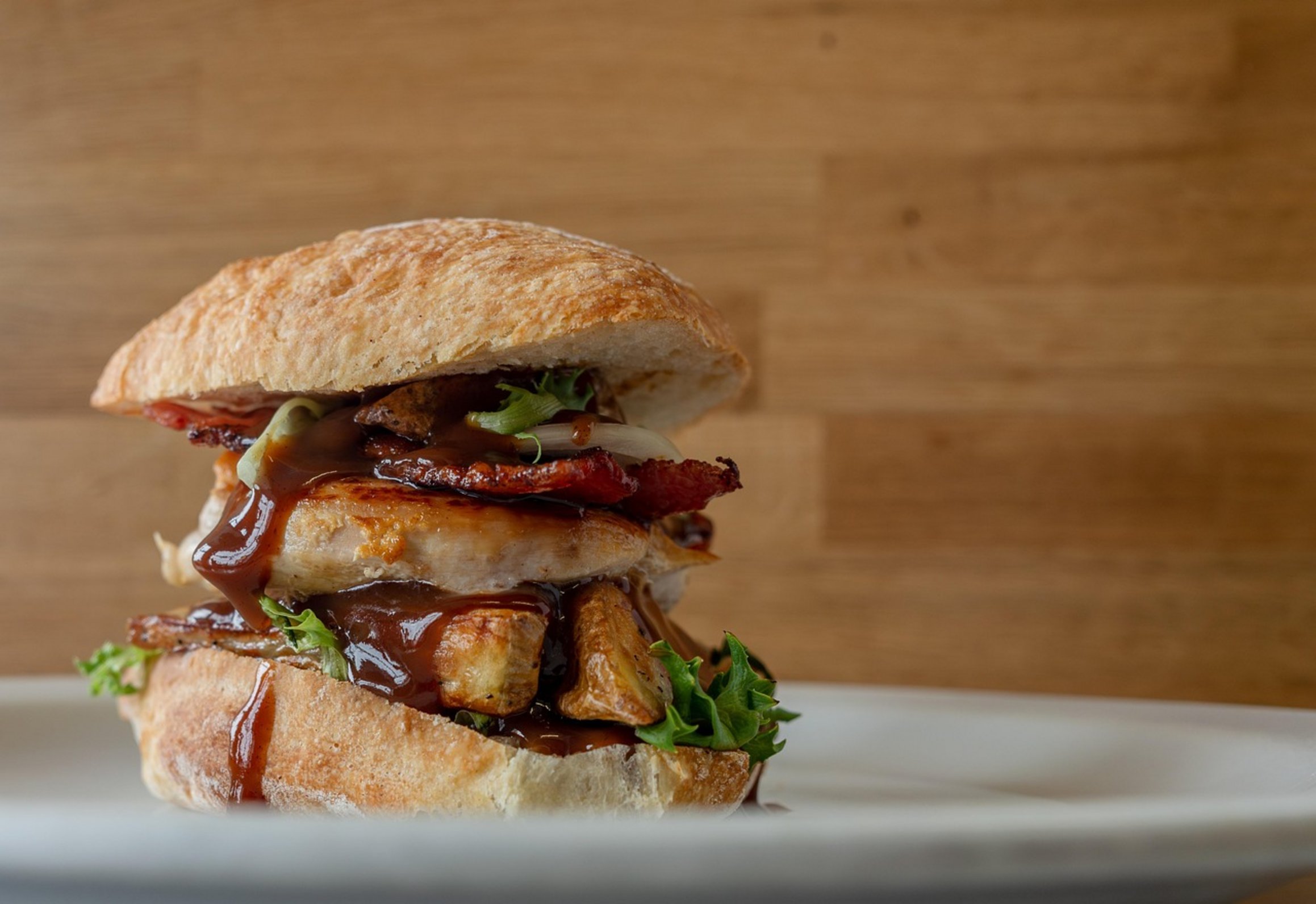
Too many times typical burger bun has too much sweetness, and not quite enough substance. Overwhelmed by sauce and fried fish, a regular bun disintegrates. Seek out a hearty potato roll or even a brioche bun.
These has just enough staying power to provide strength while standing up to moist ingredients without getting soggy. Secondly, use a moat. Toasting the cut sides of your bun with melted butter and letting them turn a crispy gold help form a barrier between moisture and bread.
The result is crunchy and flavored. It matters a lot. Now we has the fish.
Choosing the Right Fish and Batter
Channel catfish is best if you can get fresh, but most establishment use blue catfish which holds up better to frying. But batter is what makes this sandwich go around. Crisp is a must.
The contrast between light and crunchy exterior and the soft center is key. Use a basic cornstarch and flour mixture. Cornstarch provide that extra lightness and crunch that just isn’t there with plain flour.
Lightly dredge your filet. Don’t make it too thick because all you’re gonna do is separate the batter from the fish and ruin everything. Season the flour heavily.
No questions here: salt and pepper. Blackened seasonings or cayenne give it something extra. Heat some canola or peanut oil in a pan to 375 degrees.
Frying Temperature and Technique
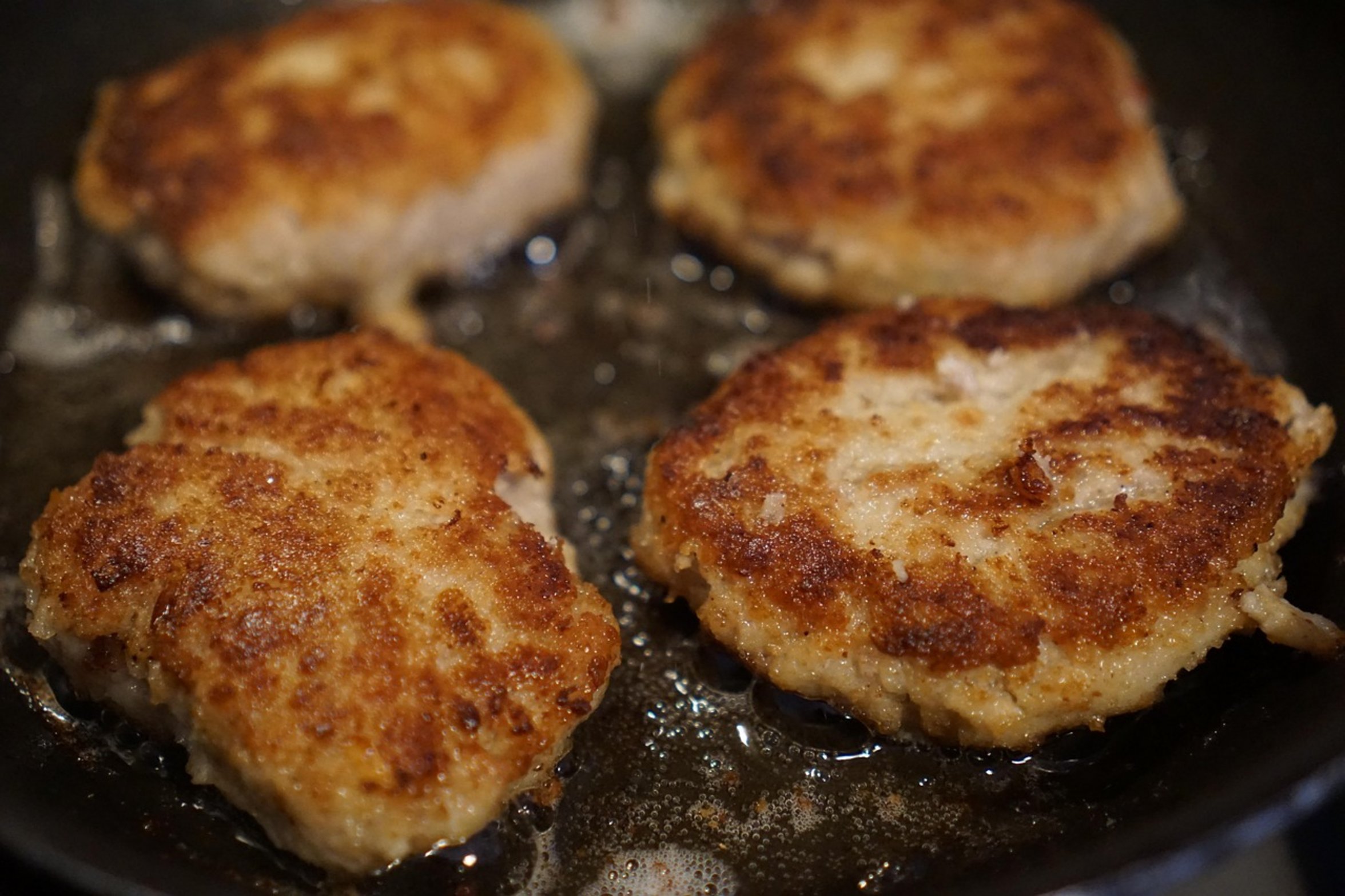
That’s hot enough to keep the outside nice and crunchy while keeping the inside moist. Sizzle sounds tells you the temp. When it quits sizzling, your oil ain’t hot enough anymore.
It all comes down to the sauce. You need tartar sauce. But you don’t want the bottled variety, they’re usually swimming in mayo and too sweet.
Making Fresh Homemade Tartar Sauce
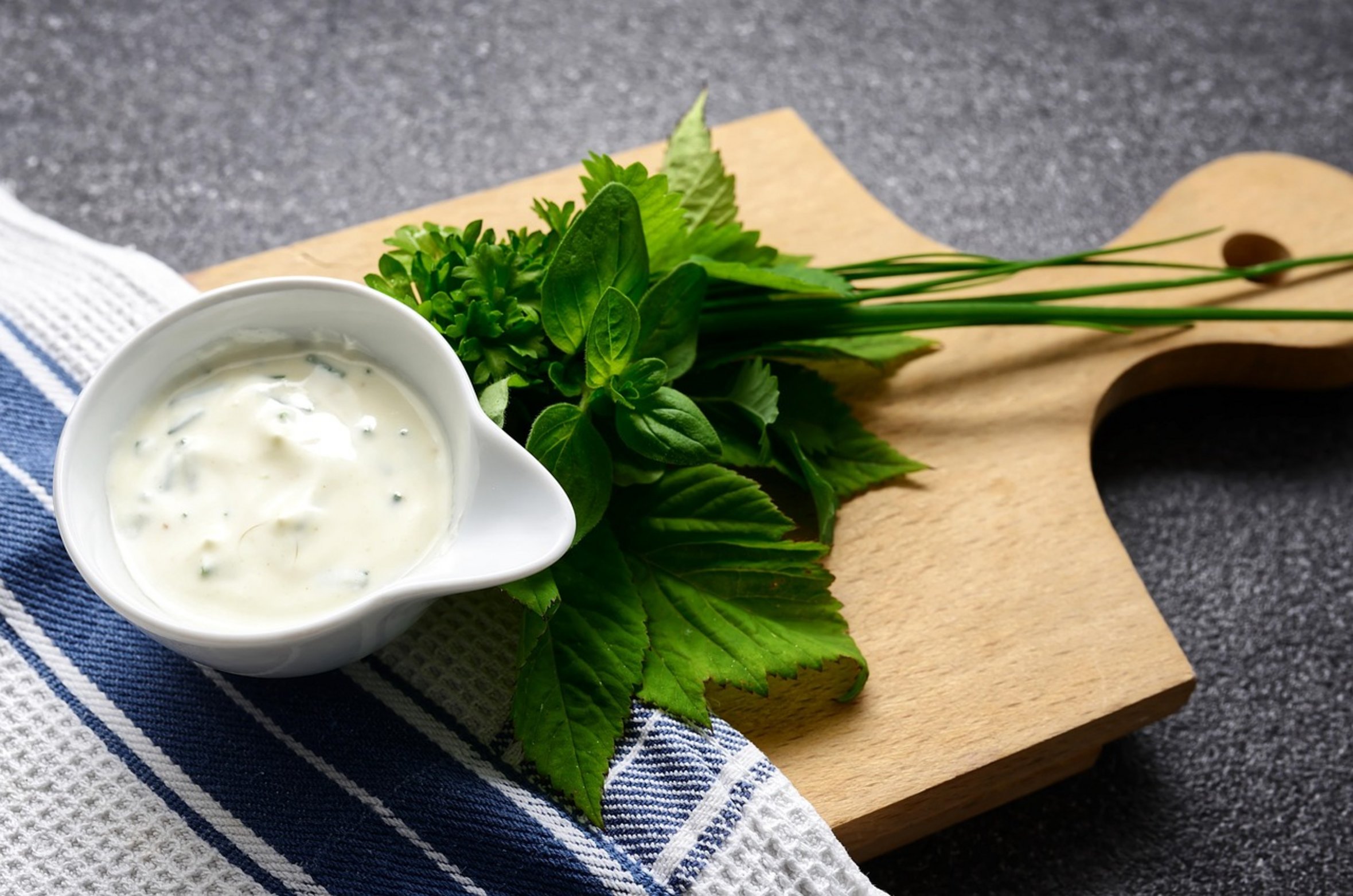
Here’s what to do: Begin with a good quality mayonnaise (Duke’s and Hellmann’s are favorites). Next, chop some dill pickles and toss ’em into the mix. For a little salty kick, throw in some capers.
Add some fresh lemon juice to brighten the whole thing. A dash of worcestershire sauce provide umami. Combine everything and give it 10 minutes to meld.
Don’t make it smooth and dull; the tartar sauce should be bright and chunky, a sharp counterpoint to the fried fish. Without that acid, there would be no sandwich. Don’t forget the greens.
Selecting the Best Lettuce
Greens gives this some much-needed freshness and crunch. Usually, iceberg lettuce is used because it’s so crisp and mild. If you’re fine with romaine, that’ll work as long as you chop it finely.
Stay away from any kind of leafy green (i.e., avoid spinach or arugula). Leafy greens wilt too fast beneath the weight of sauce and the heat of the fish. Think of the lettuce as a sort of crunchy barrier between the fish and the bun.
Not only does it add some textural variation, but it also help prevent the bun from getting soggy for too long. The crispy lettuce complements the crispy fish, breaking up the richness just enough to keep things interesting. The last part is to assemble.
Assembling the Perfect Sandwich
Stack the components from bottom up. Start with the bottom bun. Apply a light coating of tartar sauce.
Lettuce is the second moisture barrier. Hot fish, the lettuce will get a little warmer but that’s okay. The heat of the fish will slightly warm the lettuce.
A new texture. More tartar sauce, this time just on top of fish so each bite has some. Upper bun.
Gently press down. Don’t smash it. You don’t want structure to fail.
Serve immediately. Eat it while the bun is warm and the fish is still crisp. That’s when you eat the best catfish sandwich.
It won’t last long. Savor it. You should of tried this sooner.