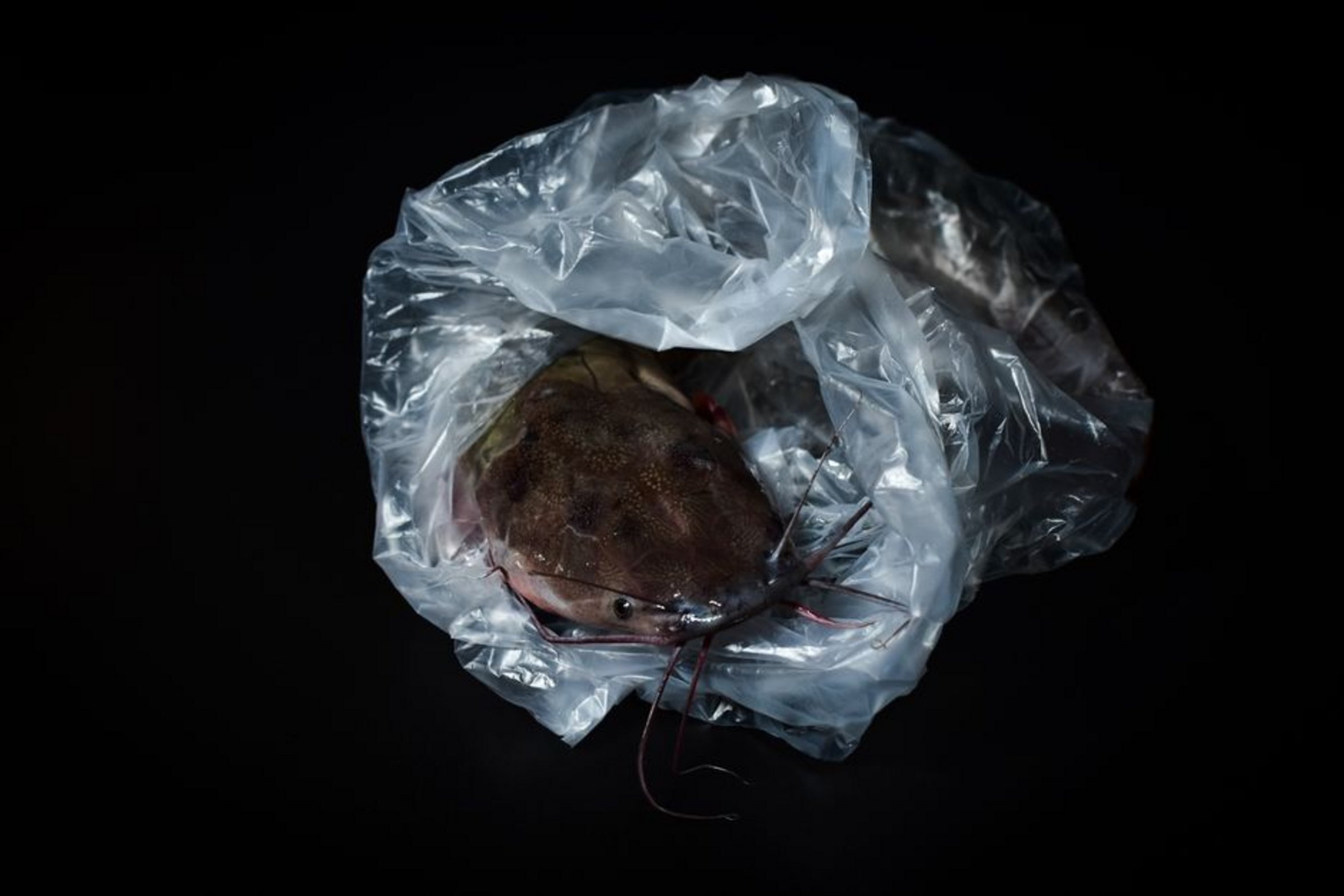
Catfish doesn’t have to be deep fried to be good. One misconception about catfish is that it’s good only if it’s breaded and deep-fried and served with hushpuppies. That mindset emphasize crunch instead of real flavor of meat.
Fresh catfish cooked correctly has a mild flavor. What makes that mildness so helpful is that it lends itself well to a variety of seasonings. There are plenty of ways to prepare the fish and not cover up natural taste.
Southern Breakfast Recipe With Catfish And Grits
The Mild Flavor of Fresh Catfish
Another aspect of this dish that doesn’t get enough credit is the grits. Grits aren’t simply oatmeal made from different grain. Grits can be either savory or sweet, and what you do with them can transform their character completeley.
Two simple ingredients; stone-ground grits and poached catfish… Create something that’s at once simple and thoughtful, depending off preparation. First things first: You have to cook the grits.
Why Stone-Ground Grits Matter
There’s no getting around it, and there’s no cheating here either. Don’t use those quick cooking packets of grits. Those will get all thick and pasty and that’s just wrong.
What you want are stone-ground grits. Typically, these is sold in basic paper bags. Cook them over low heat for roughly 30-40 minutes, until they’ve cooked through and are creamy.
It takes a while for the corn to break down and the longer you let it do its thing, the better final product will be. Instant grits can never be as creamy as these guys are. Be patient.
Cooking Grits to Perfection
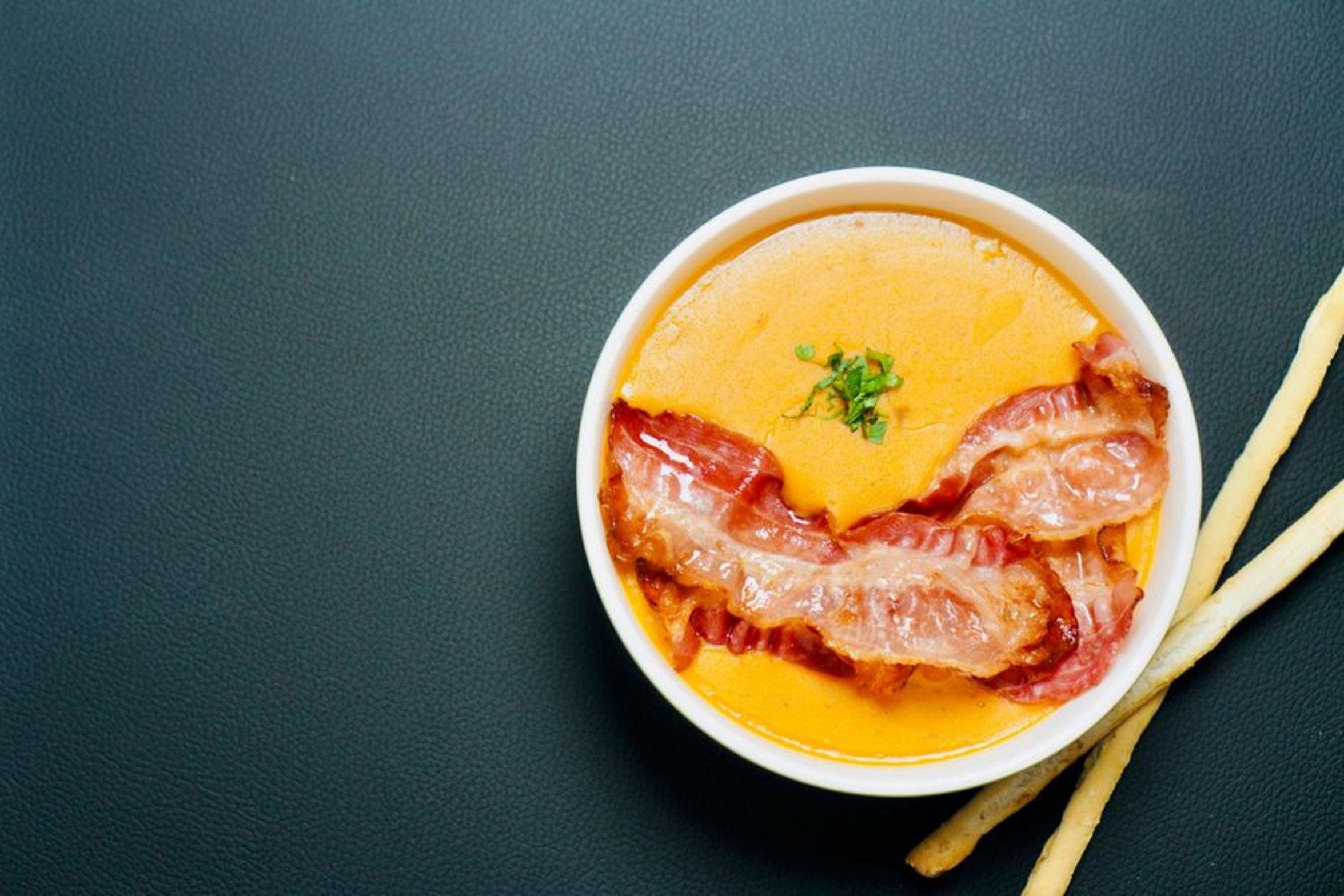
Normally grits is cooked in water, but you can use other liquids for better flavor, such as richer liquids like milk or cream, or more flavorful ones like broth. Try chicken stock; try fish broth for a seafoody accent. As they cook, the liquid soaks into cornmeal and seasons finished grits completely.
Cook slowly (gently bubbling), stirring frequently, which helps them becomes smooth. Prepare the catfish while the grits is cooking. Best to use fresh fish, but sometimes frozen fillet can be found that has been thawed properly.
Seasoning and Preparing the Fish
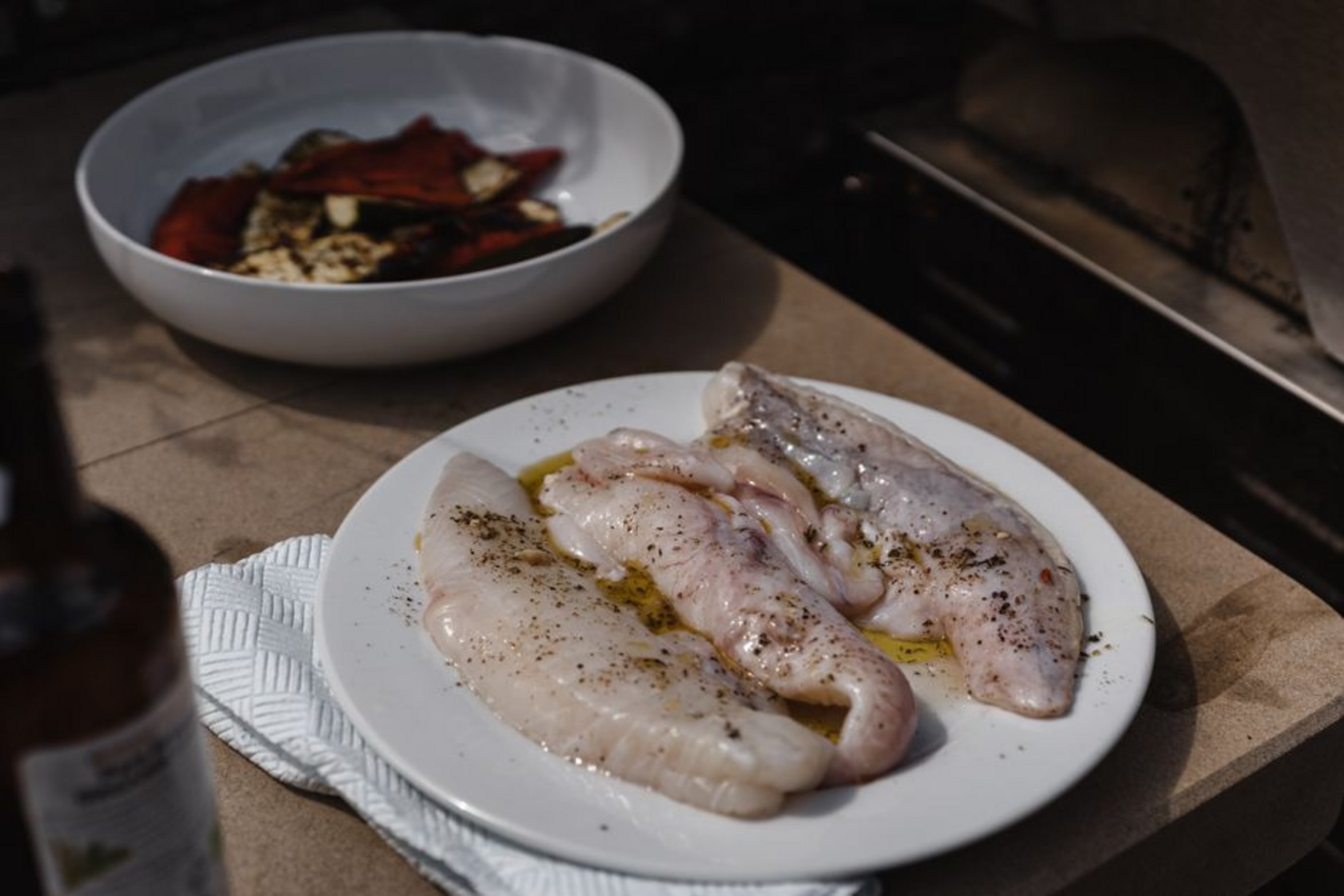
When bought fresh, they removes the skin and sell you white meat only. Pat your fillets dry on some paper towel. No matter what you do, wet fish will not brown well in pan.
It’ll just steam. What you want is outside to get all brown and form a crust, contrasting with soft interior. Season fish with salt & pepper & a dash or two of red pepper if you prefer it hot.
Pan-Frying in Browned Butter
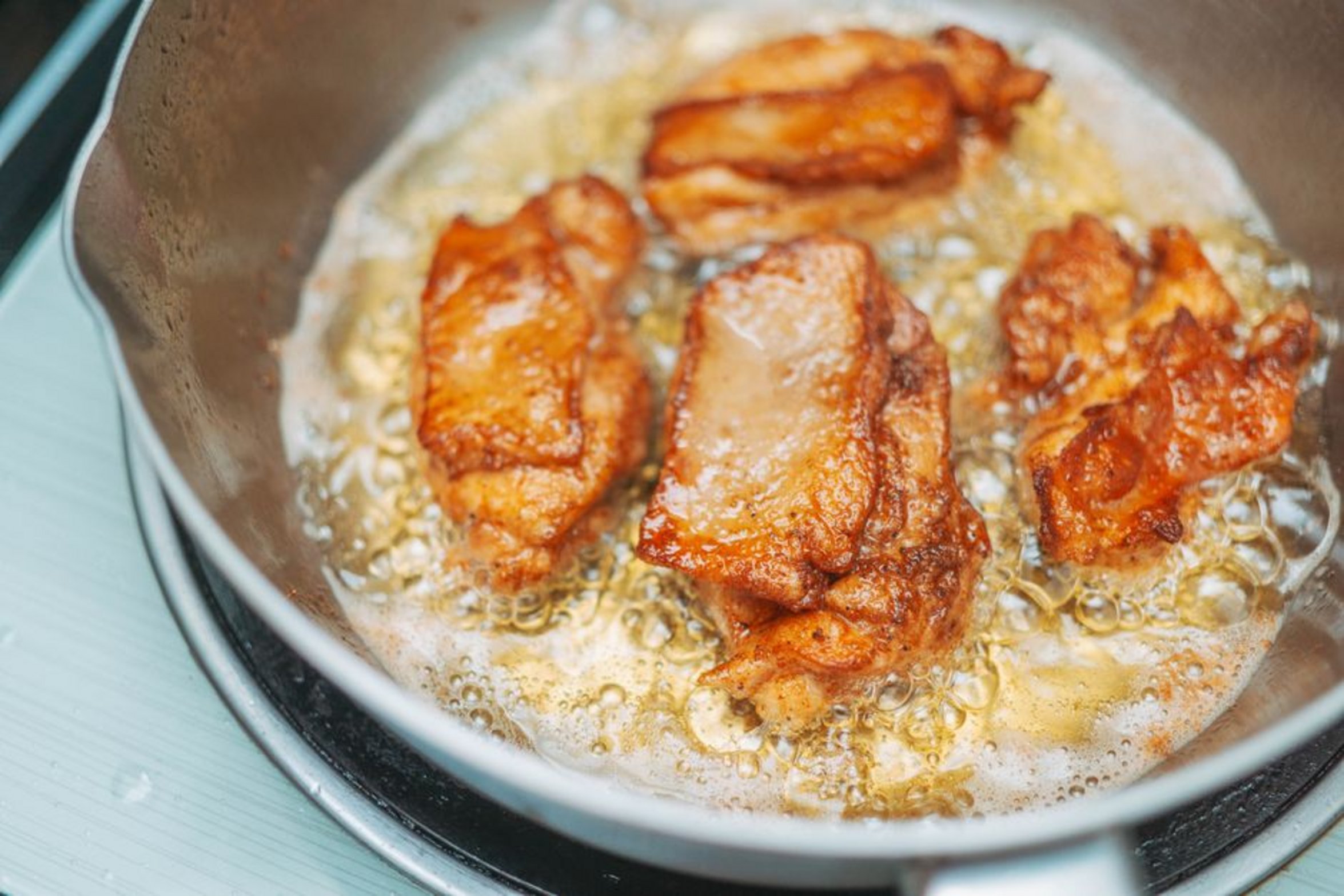
The ideal fat for frying up this fish: Butter. Vegetable oil doesn’t impart any flavor, while olive oil is the wrong flavor. In a heavy pan, use plenty of unsalted butter.
When heated, the butter will foam and turn a very light brown. The browned butter carries a toasty aroma that complements the grits perfecty. Slide the fish into the butter.
Do not immediately move it about; let it settle before you flip it over. The catfish is delicate; don’t mess with it too much or it will tear apart. Only flip your fillets one time, after they separates from the pan naturaly.
Knowing When Fish Is Done
When the fish begins to flake apart, it’s ready. It should reach an internal temperature of 145 degrees Fahrenheit, which typically happens in about three to four minutes per side. Avoid overcooking the fish, this will cause dryness.
If possible, rely more heavily on scent different than just the clock: watch the fish and smell the pan. To serve, spoon a pile of steaming grits onto a warm plate. The heat from the starch helps keep the fish warm without further cooking it.
Plating the Final Dish
Place the catfish fillet on top of the grits, then spoon the remaining brown butter from the skillet on top of everything. A little lemon juice squeezed over all will help cut through richness. The acidity also balance the richness of the melted butter and cuts through the creamy texture of the corn and butter.
This is a simple meal. You have to treat this food right to make it work. Eat it while it’s still hot.
You want the individual textures to stand out as much as possible. The flaky fish and soft grits are a textural contrast; an exercise in restraint and respect for the ingredents.