A cast iron skillet is a good way to prepare your catch of the day, but at first glance it’s not an obvious choice. Cast iron is typically reserved for searing protein; a delicate pan is usually reserved for fish. It’s effective for both.
It addresses two very different requirements of cooking: A well-seasoned skillet hold heat, giving the fillets a nice crust. And because the flesh of catfish are mild it soaks up the savory flavors on the pan surface. The bottom of the skillet build flavor, which you layer onto your plate.
How To Fry Catfish In Cast Iron
Why Cast Iron Works for Fish
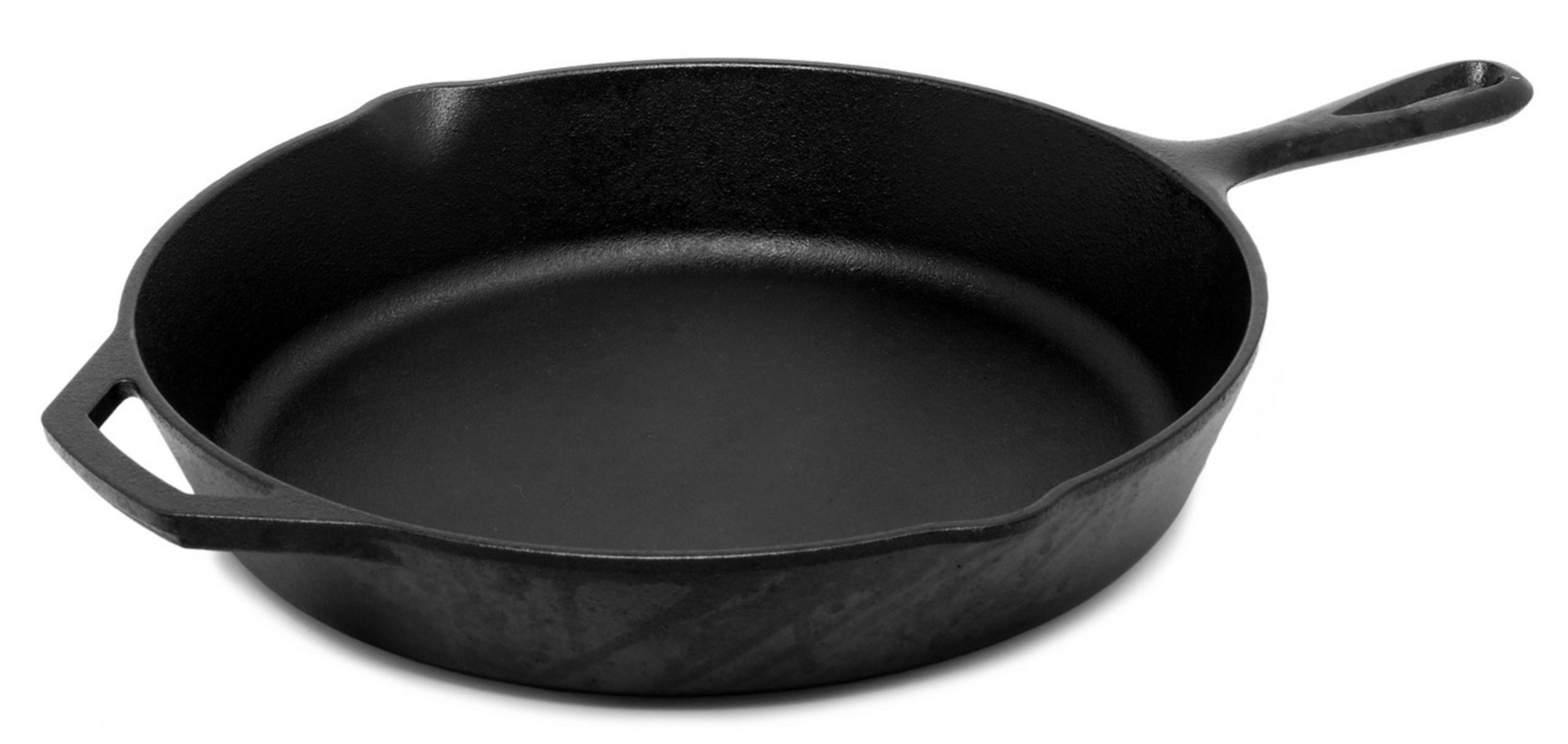
Some folks is afraid of sticking, which leads many of them to turn to aluminum and nonstick pans. They’re not wrong to be afraid, but they are misinformed about what causes the nonstick quality in their cast iron pan. It is polymerized oil.
Understanding the Nonstick Surface

But once you figure out which oil to use and the right temperature, your cast iron skillet will be far superior to coated ones. Cast iron holds heat much more effective than other materials, keeping oil warm enough for proper frying. And it transfer heat straight through fish, crisping the outside as the interior cook all the way through.
This combination of textural contrasts can’t be achieved with lighter skillets. Breading does more then just add taste, it shields the fish from direct contact with the intense heat, which would burn catfish skin in seconds. The crust keeps it off by creating a buffer between meat and the pan; inside, the flesh cook slowly but the outside browns up well.
Creating the Perfect Breading Mix
Get a mix that is sticky yet crunchy. Too much plain flour and you get something pasty; too much cornmeal and it’s gritty. The ideal mix is half fine-grind cornmeal and half all-purpose flour plus some salt.
That will stick through the turn, too. And as it absorbs fat, the breading crisps and turns gold, not gooey. The quality of the meal depend on the temperature.
Controlling Heat and Oil Temperature
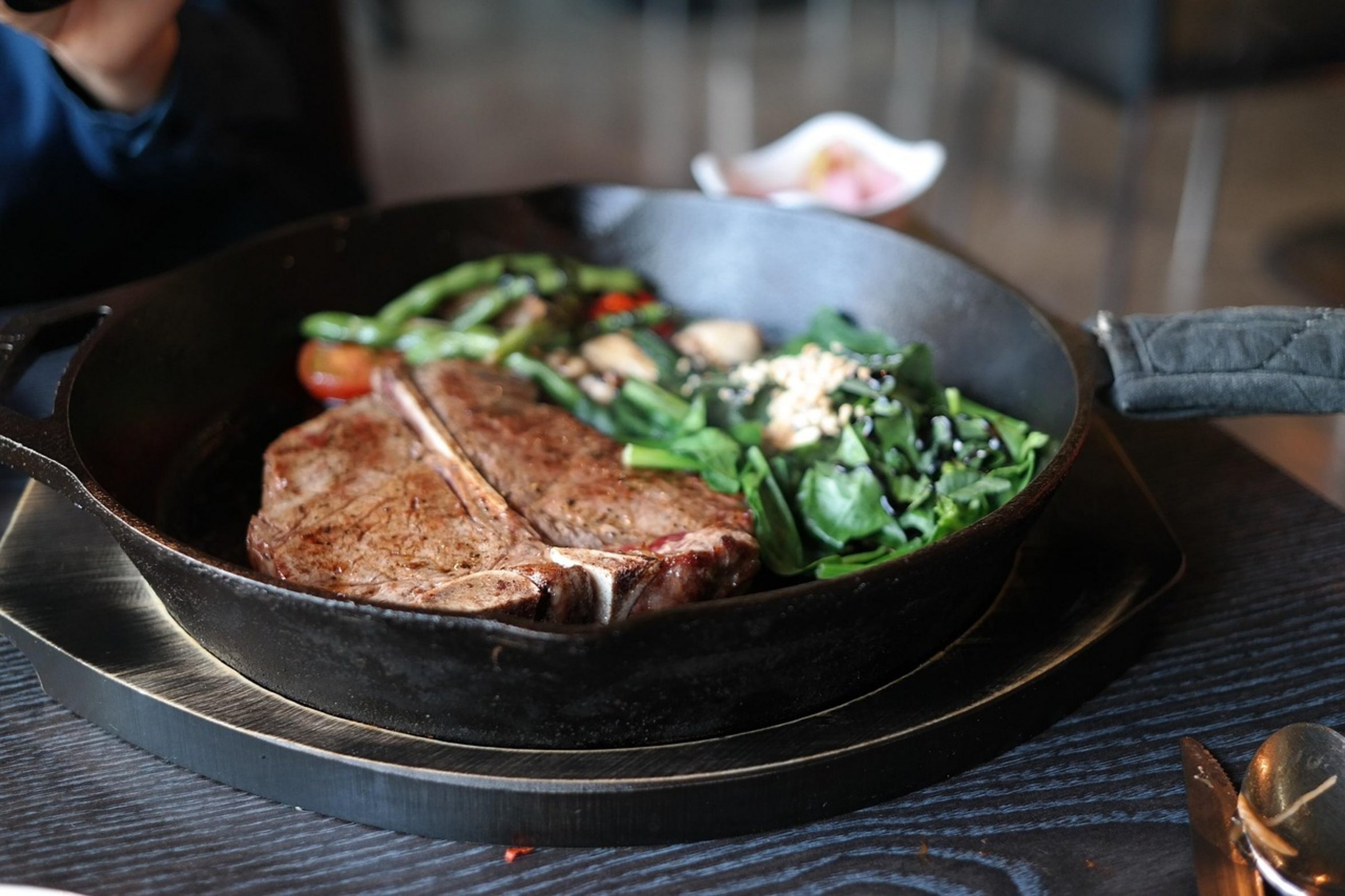
The good news: Cast iron holds heat like mad. The bad news: Too hot, you burn the cornmeal before the fish has time to cook. Too cool, the fish soaks up the oil like a sponge.
Medium-high is what you’re looking for, enough that the oil shimmers but doesn’t smoke. Let the skillet get hot for a few minutes with the oil in it before putting your fish inside. When you drop the cold fillets into the pan, the heavy metal won’t lose its temperature.
It will stay nice and warm, providing the steady surface temperature that make the first sizzle happen, and locks down the crust. Putting the fish in the pan requires patience as well. That means you shouldn’t crowd the pan just to finish faster, as many cooks do.
Avoiding Crowding the Pan
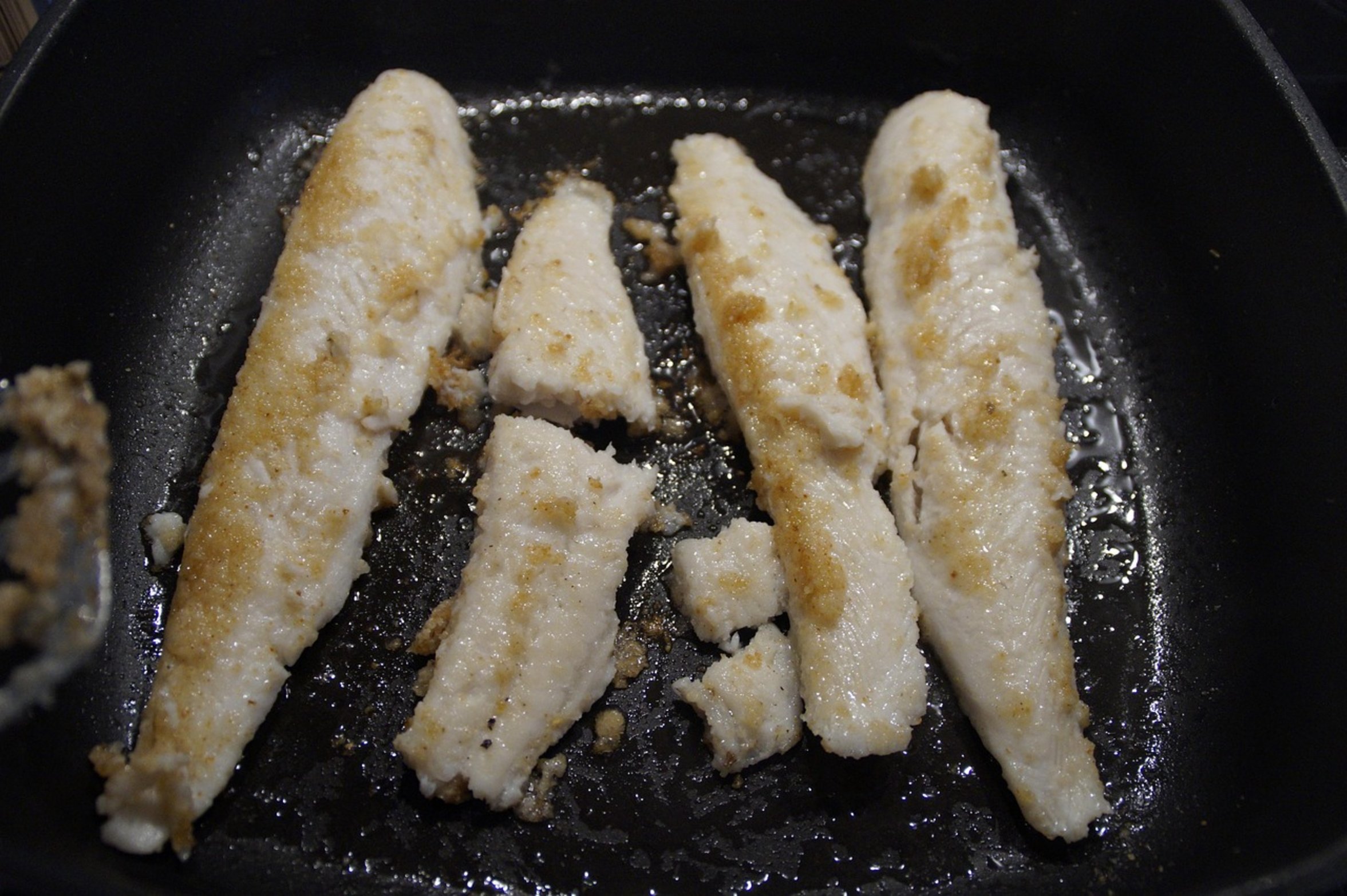
When you crowd the skillet you immediately lower the temperature of the pan, you go from frying to steaming. Moisture comes out of the fish and condenses softening up the breading. Depending on your skillet size, cook one or two fillet at a time.
Provide space for the fish to actualy be touching the hot oil so it can fry. Direct heat are necessary to form a good crust. Otherwise you’re boiling the fish in oil which isn’t very healthy or tasty.
The Art of Flipping Fillets
This is where the magic happens: the flip. Trust the crust. Don’t reach for the spatula immediately.
Let it rest for three or four minutes. When it’s time, it’ll let go naturaly. If you force it, your fillet will tear.
Watch for the edges to become golden and opaque. Gently turn the fish over. Because the inside is warm by this point, the other side take less time.
Now you’re just crisping up the exterior. It finishes quickly so that meat stays moist. Don’t waste anything, overcooked fish is an easy way to ruin good ingredients.
Serving with Light Accompaniments
Leave it simple and allow the technique to speak for itself. There’s no need for heavy sauces on catfish cooked in a cast iron skillet. Instead, pair it with something light like rice or steamed greens.
The rich taste of the fried crust calls out for bright and acidic cuts to cut through all that richness. Traditionally, that means a wedge of lemon. The citric acid cleans the palate and accents the sweetness of fish.
And again, you didn’t do much work in the skillet, your side dish shouldn’t compete; it needs to offer contrast. When everything balance together, it won’t be heavy and will leave you satisfied. Rustic is what people associate with cast iron.
Mastering Heat and Timing
And rightfully so. But this tool can cook precise too. When making a catfish fillet in cast iron, you learn to read your pan.
Adjusting heat accordingly, you end up with a tender inside and crisp exterior. This is a reminder that sometimes the simplest tools are the best. Making great food doesn’t require fancy gadgets.
You only need an understanding of heat, oil, and time. This skill set should of been worth more than all those nonstick coatings.