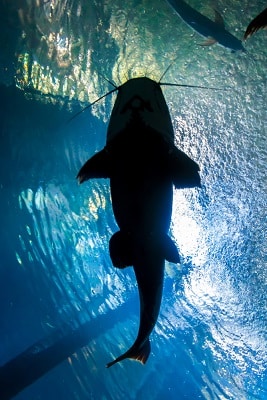
People think of catfish as lazy, dumb bottom-dwellers and messy eaters. It’s common to hear the myth that catfish is lazy bottom feeders who will eat just about anything. If you frequent fishing forums or visit many boat house, that’s exactly what you’ll find.
People believe all you need do is tie a piece of bread onto your worm and sit back while you wait for a bite. While catfish do have those sensitiv little barbels that allow them to detect chemical cues, their feeding habits aren’t so simple. That’s where we get in trouble: wasting our time and going home with empty livewell.
So which one do they eat best? Do they prefer natural bait or artificials? It’s not really that easy of a question.
It depends on what type of catfish you are targeting, how clear the water is and your approach. For some guys it has to be plastic worms. For others live shad only will do.
Why Lures Work for Catfish Fishing
Natural Bait vs Artificial Lures
Both can be correct. Knowing the trigger for a catfish to bite an artificial lure is key. Scent plays a big role in a catfish’s life.
Taste also does. That is why live bait has always been king. Both a chunk of chicken and a live shad emit amino acids in the water.
The fish send out these chemicals down the bottom where the catfish roam. There is no chemical trail from artificial lures. Instead, they have to entice catfish with their visual attraction as well as vibration.
When a catfish feels something move a soft plastic or see the pulse of spinner blade, it triggers an involuntary defensive response. It bites to remove a threat or to secure a meal. The lure cannot just rely on scent.
Soft Plastics for Channel Cats
The best man-made offering for channel cats are soft plastics. Catfish are opportunistic feeders, and they’ll go after prey. They’re chasing wounded baitfish when you get them to hit a paddle tail swimbait on a jig head.
The water moves around the plastic, creating hydrodynamic pressure that’s picked up by their lateral line. Letting it touch the bottom isn’t necessary. Keep dragging it across the mud; the profile will remain visible.
That movement will trigger the bite. This is why top anglers goes with strong line and big weights. You must maintain tension and keep the lure in the strike zone.
Spinner Baits and Blade Baits
This is important so you can feel the bite. Spinners and blade baits are another animal all together. They provide vibration and flash at a distance, which is something that travels well in dirty water.
Small blue cats and channel cats will key in on this commotion. Something like a big inline spinner or a Whopper Plopper style lure will get those reflexive bites. That quick vibration mimics a school of baitfish or a distressed creature.
It’s an aggressive presentation. It makes ‘em react quickly. Best bet with this one is around drop-offs or shallow cover.
You throw it out there and just work it back. The flash attracts ‘em and the constant motion keep ‘em pinned down. You wouldn’t think topwaters are great for bottom feeding fish.
Topwater Lures for Blue Cats
But it does happen. Big blue cats will explode on a Zara Spook or a popping cork worked across the surface. Typically this only happens during dawn and dusk hours when they feed shallow.
They can’t help themselves. The commotion on the surface is simply too much for them. It breaks down whatever caution they have and wakes the predator within them.
And there’s no more exciting way to take a catfish than seeing one blow-up out of the water. It requires precise retrieval and timing, but the reward are worth the effort. But the payoff makes it all worthwhile.
Essential Gear and Tackle
Using the wrong equipment is the greatest mistake that anglers can make. These fish pull hard and they are strong. Whether you are using lures or not, you want some heavy line and stout rods.
For lure fishing, start with a spinning outfit capable of holding 12 to 20 pound test line. Sharp hooks are another necessity. Catfish has a tough mouth and dull hooks will cause misses.
Many people prefer circle hooks because they tend to hook deeply into the corner of the jaw. They decrease your chances of gut hooking the fish and increase its odds of surviving if you are practicing catch and release. Use gear that can handle the strength of the fight.
Active Lure Fishing Techniques
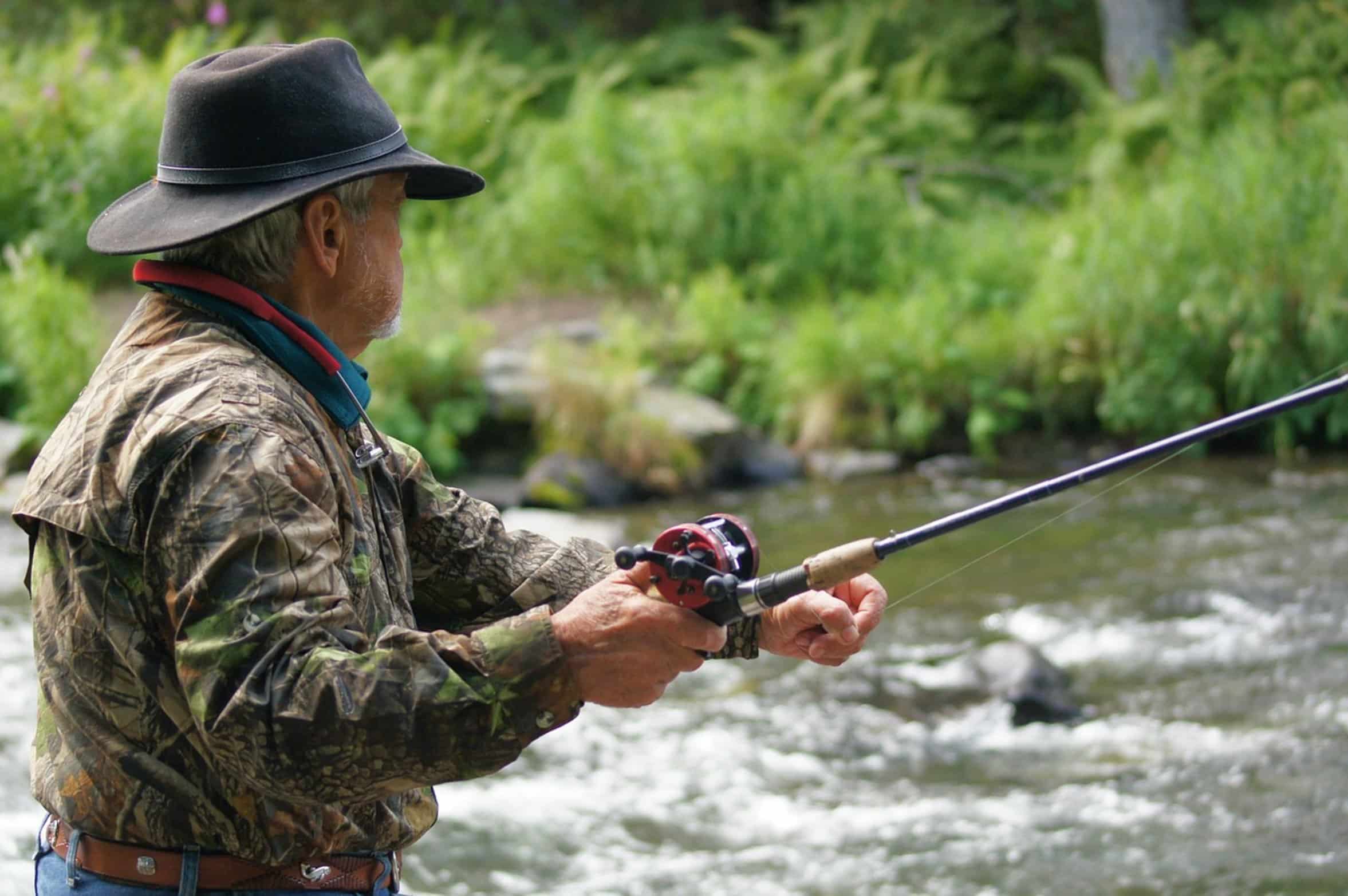
Catfish can be caught on lures. Are they a magic bullet? No, but they are a powerful tool.
It’s about covering more water than you could by dragging a worm behind a sinker. It keeps your bait active and looking fresh. But most importantly, you’ve got to be willing to change your presentation and move your boat.
Catfishing is not a constant activity. If you fish it as such, then you won’t catch any. If you go at it like you would pike or bass, however, you’ll be in good shape.
There’s nothing but them in there. Just learn to use the correct methods. You should of used better gear if they was big.