The liver is easy to ignore in the butcher’s case. It doesn’t yell for your attention like some other cuts; it just stands there, quietly hoping you’ll notice it. And even when you do, its reputation precedes it: That thing has a strong metallic taste and can smell a bit earthy.
Complete Guide To Cooking Chicken Liver
Why People Avoid Cooking Liver
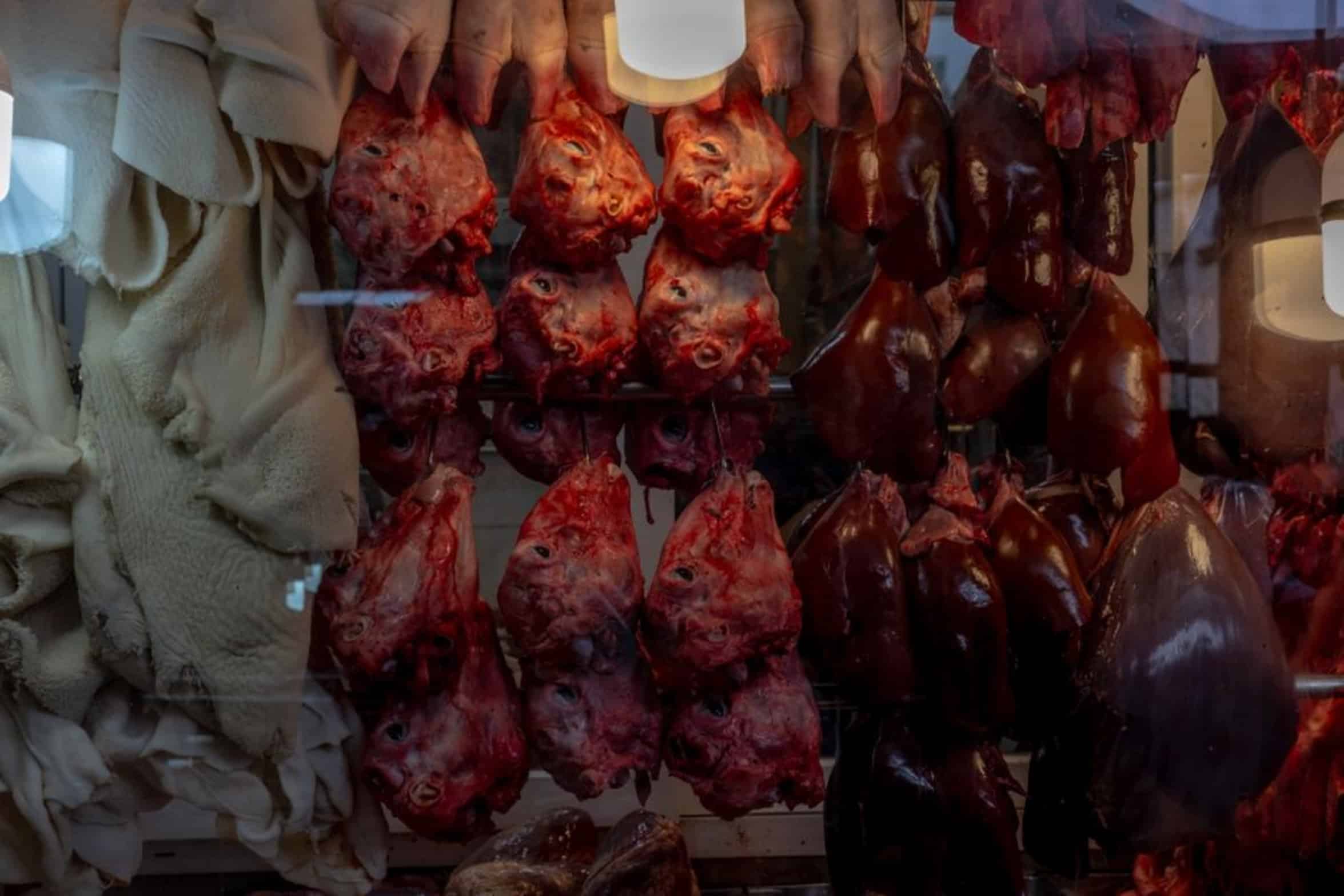
Why take the chance? It’s true, we don’t cook with organ meats as much in Western kitchens, so it’s an unfamiliar territory. But this underused ingredient is also one of the best choices if you want to get most nutrition from a single bite.
Few foods can compare to liver, which are packed with iron, B vitamins, and vitamin A. To reap the benefits, you don’t have to love the flavor, just prepare it propery. It is liver. People tend to shy away from this meat because they’ve had a bad experience.
Perhaps you’ve tried some that were overcooked and know exactly what I mean. The problem isn’t with the liver itself, most of the time it’s how it’s been prepared. Liver is quick to cook and very delicate.
Leave it on the heat for too long and it’ll be tough. Plus, it tastes STRONG. For those used to eating something as mild as chicken, this might come off as overpowering.
But again, the taste isn’t a flaw; rather, it’s a characteristic that can be controlled. Change your mentality to one where you’re not so afraid of this organ but instead, you respect it for what it is. Prepare it right and you won’t regret it.
Nutritional Benefits of Eating Liver
How to Select and Store Fresh Liver
First: buy the correct product. Fresh liver will be smooth, firm, and have a consistent color. Don’t purchase anything that’s beginning to discolor or smells rotten.
Liver smells like liver. Raw liver has a distinctive odor, which is slightly metallic but also slightly earthy. That’s normal and frequently means the liver is fresh.
Because it spoils quicker than muscle meat, get it on a day you intend to cook it soon. Store in coldest portion of refrigerator if needed, no longer than 2-3 days. Problems down the road can come from purchasing bad quality to begin with.
Preparing and Soaking Liver
The texture and taste are really transformed by preparation. One method that works well is soaking the liver in milk. Milk has a way of taking away some of the strength of the flavor, pulling some blood out at the same time.
It also makes the meat just a little bit more tender. Letting the liver sit in milk for at least half an hour (an hour isn’t bad either) works well. Soak the liver in milk and pat it dry very well.
This will take longer but pay off big in the pan. Not only will you get a nice texture change but a milder flavor as well. To avoid having the liver curl up in the pan, scoring the surface lightly helps.
This also allows seasonings to penetrate into the liver. There are easy ways around working with this ingredient. To cook liver, you have to get the heat right and move quickly.
Cooking Techniques for Tender Liver
You want a very hot surface that sears the outside while leaving the interior still tender. Don’t overload the pan or the liver will steam rather than brown. If it’s steamed it won’t be appetizing and will be mushy.
Choose an oil with a high smoke point and one that’s neutral. If you don’t turn up the heat too high, olive oil is fine. Liver cooks fast, only a couple minutes per side.
Ideally it’ll be a little pink in the middle when finished. If overcooked, the texture will become chalky. Take it off just shy of “ready.” The remaining heat will complete the cooking.
This is true whether grilling or pan frying. How to get picky people to eat it: Get them to try it. Have some serving suggestions to make it more tasty.
Serving Suggestions for Liver
For liver, something acidic such as vinegar or lemon juice is a good choice. The acid will brighten the taste and cut through the richness. Something like a balsamic vinegar and shallot pan sauce would be easy.
Serve on top of grains or potatoes; robust starchy foods balance out the boldness. Toss it into pasta or crumble onto a salad. Smaller bites are less threatening than a large hunk of liver.
If you’re worried about committing to an entire fillet, don’t! Mix small amounts in with other ingredients that hide what it is. Liver has many health benefits.
Health Benefits and Vitamin Content
It’s one of the most nutrient-dense foods out there. If you have a tiny serving of liver, you’re getting a good chunk of your day’s worth of important nutrients. Vitamin A (retinol) is present in liver in an active form; other foods contain beta carotene, but this requires conversion by your body.
You get what you need directly from liver. Heme iron is present in liver, too, which is more easily absorbed by your body than non-heme iron from plants. Therefore, if you’re someone who doesn’t get enough iron, this is a valuable food source for you.
Lastly, liver is full of B vitamins such as folate and B12, along with quality protein, both of which aid in brain function and energy production. Adding liver to your meals will help to cover any nutrition gaps that are difficult to reach using other whole foods alone. If you’re thinking about incorporating liver into your diet, start slowly.
Incorporating Liver into Your Diet
You don’t want to eat it daily. Once or twice a week is plenty for most people. It takes time for your body to adapt to all these nutrients and their strength.
While too much vitamin A from any source (including diet) can cause problems, it’s uncommon with food-based sources. Learn what your body wants and listens to. Begin by combining it in meals with other ingredients.
As you get used to its flavor, gradually add more. Many people who hate liver eventually come to love it once they learn how to cook it. You just have to overcome the mental block.
That’s usually the first challenge: psychology. Once you break through that wall, doors of cooking opportunity will open. After all, when it comes to liver, the entire animal proves why we should use the whole thing.
It tests our taste buds, but if we’re curious enough, it pays us back. Yes, the nose knows… And so does your wallet.
But those things is the price of such an efficient package of nutrients from nature. Don’t fall in love with it. Just give it a try…
If you approach it the correct way. Honor it. Prepare it purposefully.
Then enjoy a nourishing meal that tastes good. Next time you see liver in the store, take another look. You’ll be surprised by what it can offer.