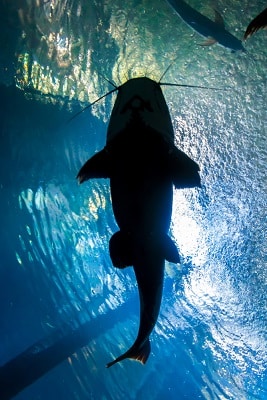
You’ve been there before with catfishing. That is the instant when excitement give way to frustration. The line starts pulling.
Your rod loads up. Your heart start beating faster as you realize you’re hanging onto something special. Suddenly it’s not there anymore.
The line go slack. The catfish just shook the hook loose. It’s a gut punch and one all angler have endured at some point or another.
More times than not, it’s because you had the wrong hook for the job. Most people think catfish is simple feeders, right? Sure, they’re bottom dwellers.
They’ll gobble up anything that falls into their faces. But this mindset causes many folks to be given a bunch of lousy advice on tackle. You’d think if you’re still throwing a flimsy hook out of a discount tackle bin, you’re just setting yourself up for failure.
The heads and mouths of catfish are tough and powerful. They require hooks that will stand up to the test and not bend or pull out of them. Hook selection isn’t a matter of fancy tackle but rather simple biology and mechanics.
Key Tips for Selecting Catfish Hooks
Choosing Circle Hooks Versus J Hooks
This is the hook style. To start with, what type of hook? There are basically two types that compete head-to-head: circle hooks and J hooks.
In recent years, circle hooks have become wildly popular. Because of their design, when you put pressure on the fish, the hook will slide back out of its mouth. Instead of getting a deep gut hook, it gets a lip hook.
It is much better for keeping your catch and safer for the fishs. J hooks are the traditional choice. To set a J hook, you have to wait for the bite then jerk the rod.
It’s difficult to time this correctly. Circle hooks do all the work for you. They are more forgiving if you react too late.
Selecting Heavy Gauge Wire Hooks
This is heavy wire. The sandpaper mouth of catfish can realy grind against a hook. When they gets a bite, and they struggle to take in the bait, they grind on that metal.
They do the same thing when they eat bait. Under that grinding pressure, a thin wire hook will straighten right out. You want a heavy gauge wire.
Look for hooks marked as heavy duty or even extra strong. Some great brands for hooks with heavy wire include Mustad and Gamakatsu. These hooks is stiff.
They maintain their shape during the fish’s thrashing. It’s a small deal but one that’ll save your dinner. Once a hook bends, you’ve got a lost fish.
Matching Hook Size to Bait and Species
The next variable is size. Big hooks get big fish. Duh… But that’s not necessarily true.
The catfish won’t bite if the hook is too big for the bait. If the hook is too large than the bait, the catfish won’t take it properly. You want the prongs on the hook to slip right down onto the bait and into their mouths.
Big hooks are necessary for blue catfish. A 9/0 or 10/0 circle hook is common for blue catfish. Channel catfish do better with a smaller hook like a 3/0 or 4/0.
The key is matching your hook size to the size of the bait. If you have a big hunk of chicken on a tiny hook, it’ll rip out. If you have a little worm on a giant hook, it doesn’t look naturaly.
It’s all about balance.
Hook Finish for Visibility and Corrosion Resistance
Coating and finish affect corrosion and visibility. Shy feeding catfish exist.
They will see that hook and spit the bait. Rust resistant finish can help. Natural bait colors like black nickel or platinum blend in.
They are less noticeable in water. Clear hooks work too. They are almost invisible.
It is important if you’re fishing around structure or clear water. Fish has to trust the bait. That shiny silver hook looks suspicious.
It stands out on the dark bottom. Match the hook to the environment to get the fish to commit on the bite.
Tying Strong Knots for Catfish Fishing
The other half of tying knots is doing it right. If you don’t tie a good knot, then you might as well not have the best hook ever made. Catfish pull hard when you fight them. Hard turns and long runs is common.
You want a knot that stays put. One of our favorites is the Palomar knot. It is solid, dependable and has proven itself over time.
It fishes well on both fluoro and braid. Adding double knots will also increase strength. Bottom line is there should be no weak links anywhere on your setup.
Blaming a lost fish on a poor knot is an easy cop out. A good knot is better than any explanation. It’s all about experimenting.
Not every hook fits all situations. The water changes. The fish behavior change throughout the year.
What may catch them in a dirty river won’t always catch them in a clear lake. Have multiple hooks available. Try several styles and sizes.
Take note of which ones hold up best. Document the winners. You’ll develop a stockpile of “go-to” hooks over time.
You’ll get to where it becomes second nature. When you pull up on the bank, you’ll know exactly what to grab. Having the correct hook can be the difference between an empty boat and a full cooler.