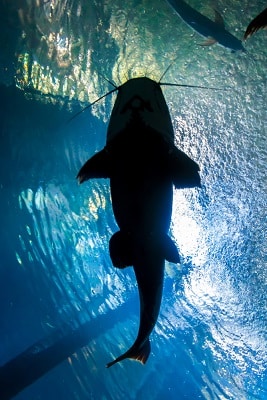
There’s something about waiting for hours with a bobber not moving that will make catfishing frustrating. You know your bait is on bottom, you can smell it, and you can feel water move past your fingers. But nothing bite.
That all changes with the Carolina Rig. The rig isn’t just another hook rig; it’s something catfish cannot resist. It give them a chance to get ahold of a meal without feeling the immediate hook or pull off the line.
The solution to this basic issue is what has made this rig dominate local ponds and tournaments for decades. Bottom feeders is suspicious. They feel things with their whiskers.
They test the texture and weight. And if they don’t like the way something feels or weighs, their instincts tells them to get out of there. With a Carolina Rig, the weight isn’t right next to the hook.
Mastering Carolina Rig Setup and Timing For Catfish
Why Catfish Resist Standard Rigs
A twenty to thirty inch leader give the bait enough room to move independently from the weight. It is enough to let the bait swim freely in the current. It is enough to make it look like a live thing bobbing across bottom.
That’s why a suspicious nose can turn into a full-on bite. The rig is easy to set up, but not exactly. It is simple in theory but precise in practice.
How to Assemble the Carolina Rig
Begin by choosing a good monofilament line. The typical range for this rig are in the eighteen to thirty pound test. Because catfish are toothy critters with coarse skin, you’ll want a line that resists abrasions caused by bottom structure.
Next, tie on a sliding bead. This is a two-for-one deal. First, it guard the knot from the weight.
Second, it create a rattling noise when it slides along. Many times, that rattling will draw catfish from far away. After the bead, thread on a bullet weight.
It need to be small enough so the bait can sort of drag behind it but heavy enough to keep contact with the bottom in the current where you’re fishing. On big rivers, 16 ounces is often where they’ll start. In smaller creeks, maybe an eight ounce weight would work.
Balance is the key. You don’t want the bait up in the middle of muck and you don’t want it buried. You want it to just hang there, floating above the muck and other debris.
So adjust the weight until you’re feeling that slight suspension through your rod tip. Attach a swivel on the end of your main line. Not only does this keeps the line from twisting while casting, but it also keeps knots intact better.
Choosing Line and Leader Length
Add a leader line to your swivel. Use fluorocarbon. It’s strong and almost invisible in the water.
It is always a better choice than mono for the same size. How long should the leader be? Contrary to popular belief, it has much more to do with movement of the bait than anything else.
With a twenty to thirty inch leader, you’ll have plenty of room for the bait to work separately from weight. Longer leaders tangle easy; shorter ones restrict the bait’s movement. A happy medium for most applications would of been around twenty four inches.
Selecting the Right Hook Size
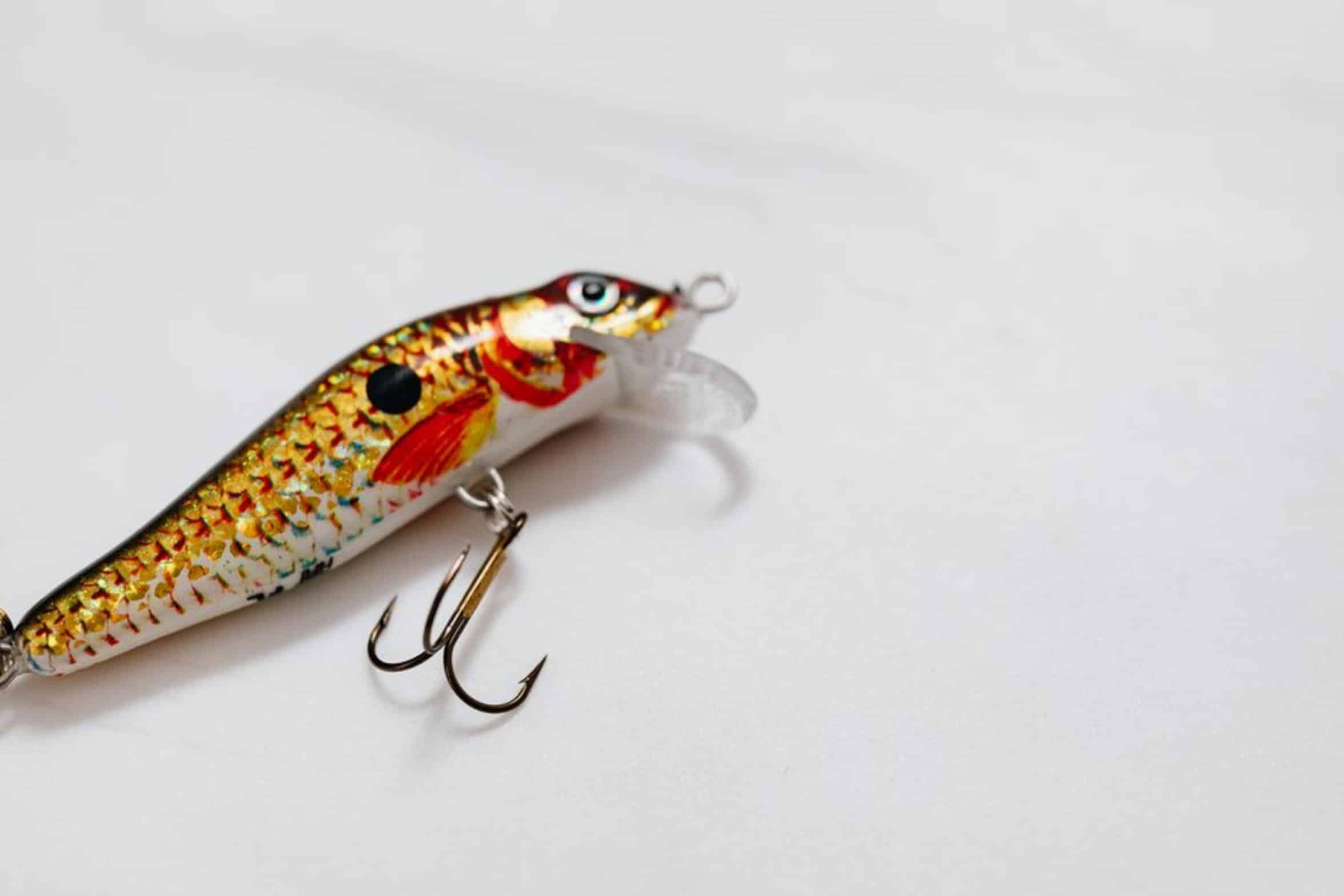
Lastly, there is the hook. A circle hook will do the job by hooking into the corner of fish’s mouth. It keeps him out of the guts less and also gets him boat-side quicker and easier.
For medium catfish, use an eight to ten size circle hook. If you are targeting big channel cats and blue cats, go up in size to maybe a 12 or 14. Match the size of the hook to your bait size.
If you have a huge chunk of cut bait put a bigger hook on there. If you’re using a little strip of night crawler use a smaller hook. Mismatched hook sizes equal missed connections.
Best Time of Day to Fish

As much as it’s about equipment, it’s also about time of year. Catfish are night feeders. That means when there is less light, that’s when they get the goin’.
Prime windows are going to be dawn and dusk. But don’t be fooled; if the conditions are right, they’ll feed throughout daylight hours. The overcast days will keep them up longer.
Sunny clear days push them into deeper structure. Keep an eye on moon. New moons and full moons will often trigger some sort of feeding frenzy.
Their behavior is influenced by the changing level of light and tide. Make sure to fish these windows and you’ll experience a big increase in bites. Success depends on water temps too.
Seasonal Fishing Strategies
Catfish are cold blooded. Cold water slow their metabolism. In spring and fall, they feed aggressively to adjust to the changing seasons.
Summer can find them back off in the deeper, cooler pockets of cover. That’s when you drop your rig deeper. Shallow in spring and fall.
Knowing that makes it a more targeted strike than just a casual outing.
Top Bait Choices for Catfish
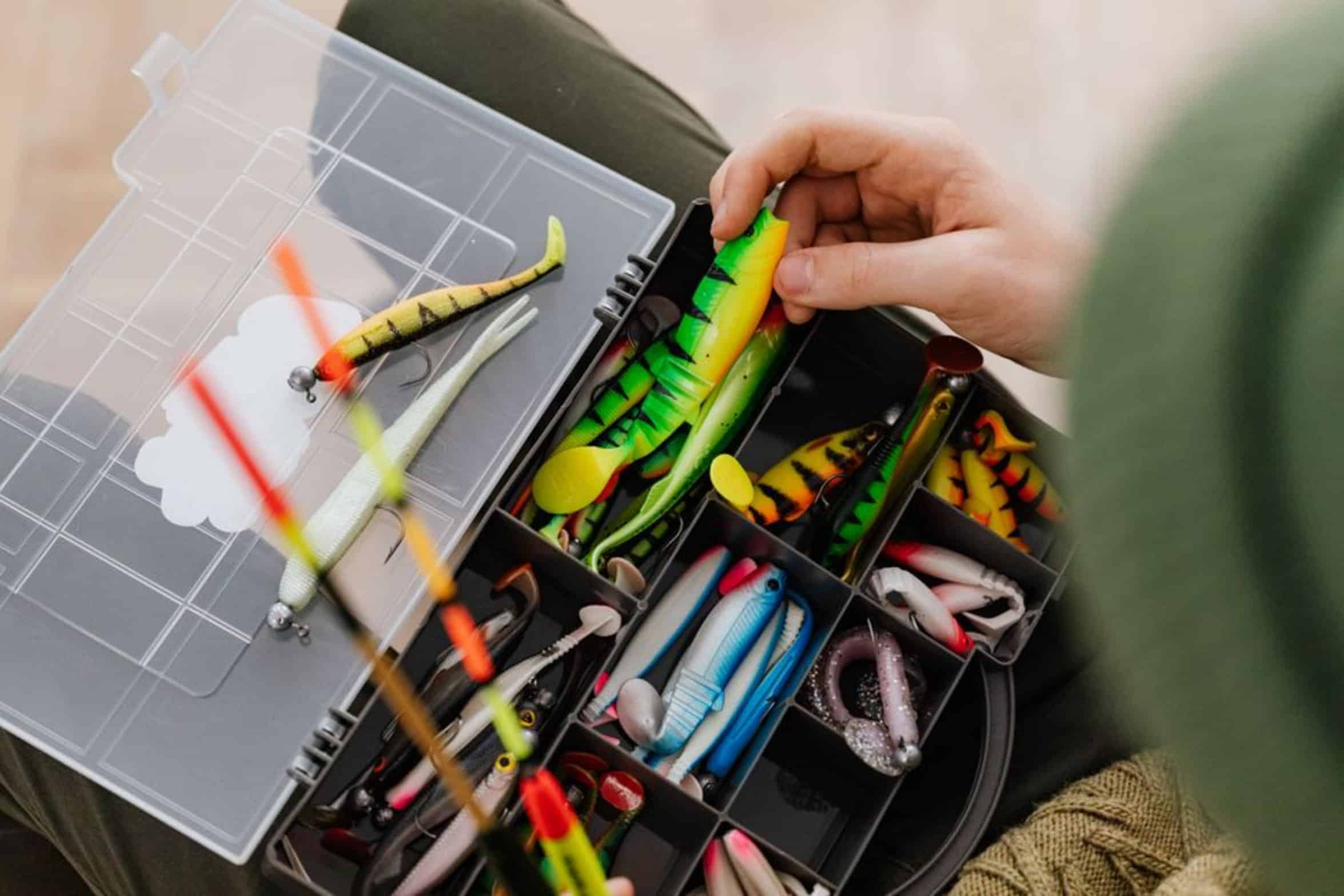
The final piece to this puzzle is bait selection. Gold standard?
Cut bait. Cutting either fresh herring or shad put scent right into the water. Catfish follow that scent trail.
Other baits such as chicken liver and live nightcrawlers are also good options. Whatever the bait, the Carolina Rig keep it presented naturaly. The weight is kept separate from the hook so it doesn’t hold the bait down.
No matter what the bait does, it can move freely about. Fish take it, and the hook sets itself. Respect the fish.
Catch the fish. It is a system that works.