Catfish is comfort food, even if you think of slimy monsters in dark water when you hear name. Though its very name has an evil ring, this flatfish are everywhere across America. Southerners in particular love them: They fry, they bake, they eat them up with gusto.
What does catfish taste like? That’s hard to answer, since it involves factors beyond the fish itself, where did you get your fish? How are you going to cook it?
Understanding The Real Taste Of Catfish
The Truth About Catfish Taste
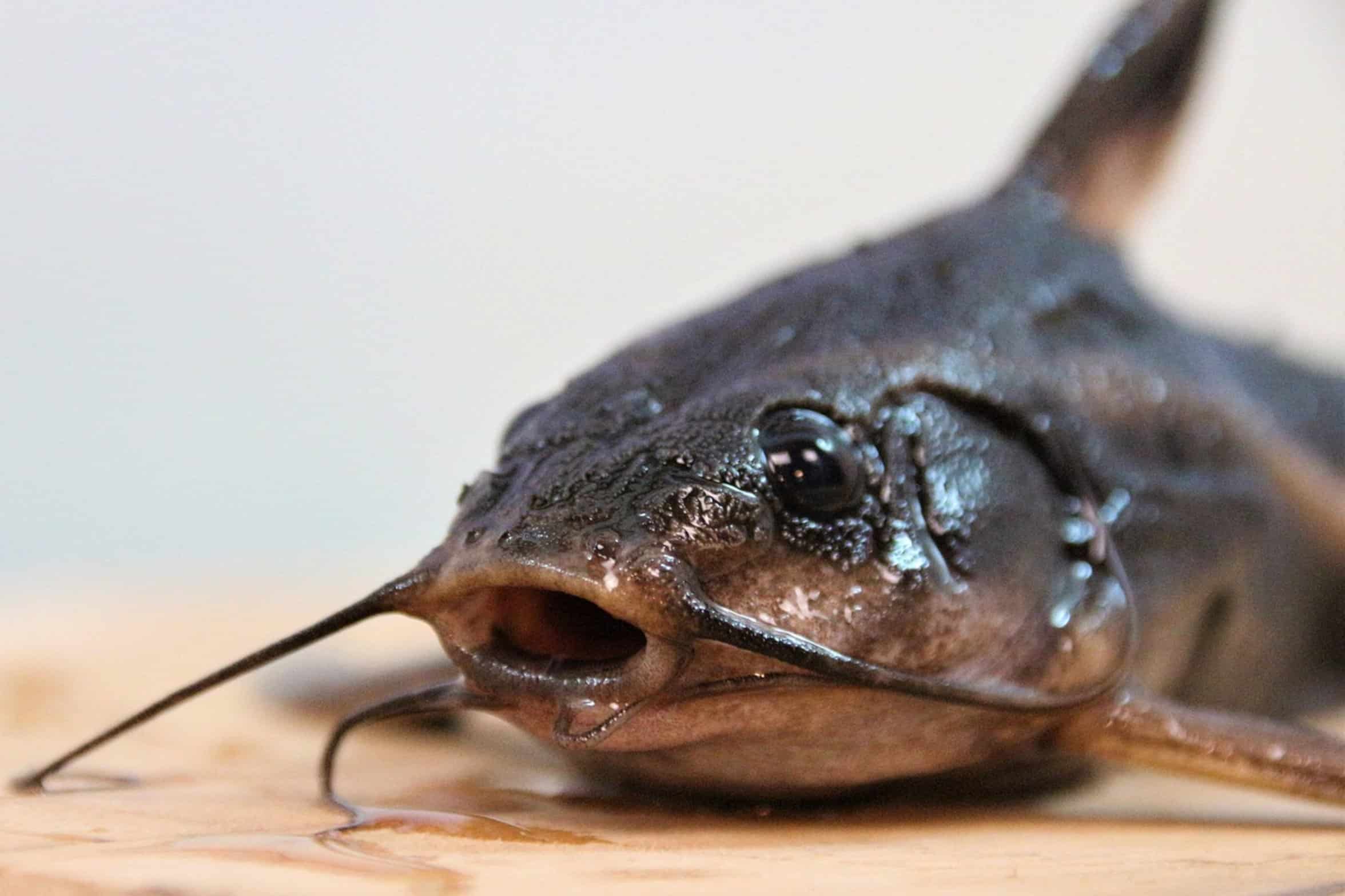
Look beneath the slime coat and find sweetness of meat below. The thing about catfish: A lot of folks is turned off by them because they think it’s going to have a muddy taste. That makes sense, as catfish are scavengers who forage on bottom in mud.
And, if your catfish comes from murky swamps, then the habitat will show in how the fish taste. Fortunately, aquaculture has altered all that. Today’s farmed catfish is kept in a controlled and clean environment where muddy flavors is eliminated.
So, what you experience is a mild, clean flavor on its own. There’s no need to slather on seasonings to cover up it’s roots. To understand its taste, one must consider both flavor and texture.
Firm yet meaty, catfish can holds its own on the plate. Unlike more delicate whitefish which flake apart easily, this fish take on spice and marinade without falling apart. Mildly earthy and slightly sweet, there’s nothing overbearing about catfish; it’s a blank slate for bolder flavors.
Cooked carefully whether baked in oven or pan-fried in your cast iron skillet, it delivers a satisfying, buttery dish. Farming catfish is the surest bet. Farmed catfish live in a controlled environment (ponds with filtered water) and is fed a controlled diet, ensuring they will be consistantly mild-tasting and firm-textured.
Cooked, the meat are opaque and white; it doesn’t have the overpowering fishiness that turns away people who haven’t eaten much fish. For chefs, that makes it the favorite of restaurants since we know exactly what we’re getting, batch after batch. And for homecooks, it also lets us plan a dinner knowing there won’t be any surprise bursts of flavor along the way.
Is it mild? That’s no bug. That’s a feature.
The mild taste let the spices take center stage. Just coat them in some paprika and cornmeal, bake ’em up until golden brown, and there you go! It is delicious.
Farmed vs Wild Caught Catfish
Flavor also varies greatly with wild-caught catfish, which are highly dependent off water quality. In general, catfish from clear, flowing rivers taste cleaner, with a firmer texture and a slightly sweeter profile different than those from stagnant, muddy waters. Muddy-tasting fish can be caused by geosmin, a compound secreted by both bacteria and algae.
You’ll notice its smell before you notice it on your tongue. A quick sniff of the uncooked fish will tell you if there’s an issue. Muddy, earthy tastes are off-flavors.
The best way to counteract these “off” flavors is to soak them in either milk or a buttermilk brine. This help neutralize those tastes by binding the offending compounds to the calcium in the milk. This is an easy tip for making that wild catch more edible.
Choosing the Right Catfish Variety
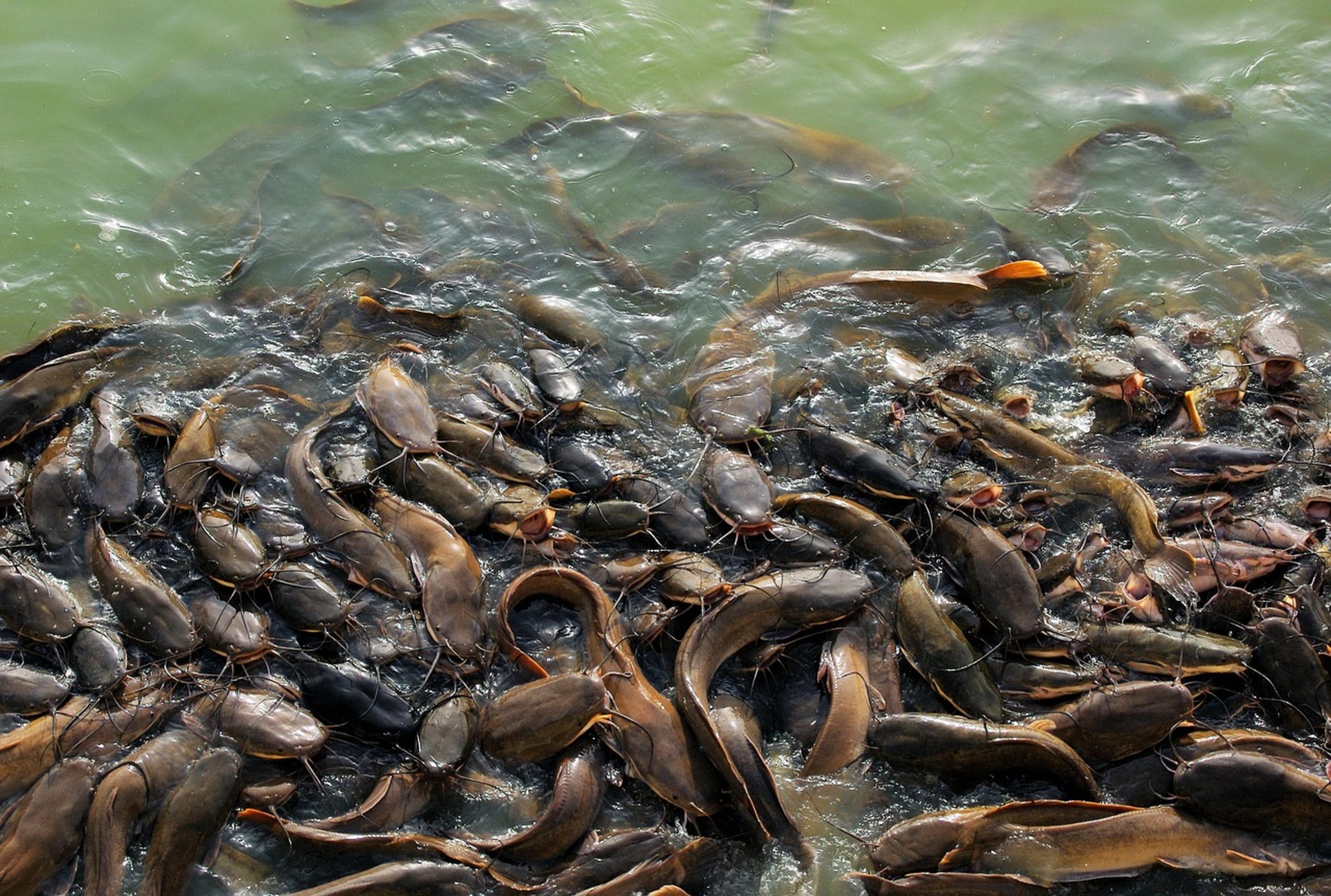
Channel cat is the most popular fish available at markets. Why? Because they grow fast, are hardy, and have mild meat that’s firm.
Frying a channel cat works realy well. The channel catfish is the workhorse of the industry. Blue cat is meatier and bigger then channel cat, and it has a rich, dense texture with a richer flavor.
You’ll find these down the Gulf Coast and into the Southwest. Flathead catfish is less common in stores, though it is prized by anglers for its size. Flathead catfish are less commonly seen in stores but are prized by anglers because of their size.
Some say flatheads have a distinct flavor. Richer, intense, not to everyone’s liking. Setting your expectation matter if you’re going to buy this type of fish.
Do you know what you’re getting? Channel is versatile and safe. Blue is robust and substantial.
Best Ways to Cook Catfish
Catfish may be easy to cook, but like any fish, poor preparation will ruin the dish. One classic cooking method is frying, which creates a crispy crust that contrasts with the soft interior. This contrast between crunchy skin and meaty inside are perfect.
Broiling produces a pleasant charring effect, and baking is even simpler and less greasy than frying. Be careful not to overcook. When cooked through, catfish is flaky and opaque; overdone catfish is dry and rubbery.
Mild-flavored catfish pair perfectly with a simple lemon butter sauce or a zesty remoulade. To truly appreciate this fish, treat it with respect: don’t mess it up! A tender and moist catfish filet is nothing short of subtly sweet.
What Does Catfish Taste Like? Comfort. The smell reminds me of home and the taste of a good meal.
It tastes like a warm, Southern kitchen and the promise of a good meal. It is mild, yet meaty, and versatile. Depending on how it was prepared and which type of water it came from, whether it’s wild caught or farmed, the flavor will vary.
Don’t shy away because of its reputation. Try some basic recipes using fresh fillets and strong flavors and see if this isn’t going to become one of your favorites. Just don’t believe the mud myth and wait until it’s time to give it a try.
You’ll find the answer inside the pan, right there before your eyes.