Before you even see it, the aroma hits your nostrils: You’re walking by the fish fryer at the county fair. A strong smell of sizzling grease and seasoned flour make your mouth water and awakens some sort of hunger. Fried catfish is comfort food throughout much of the nation, as well as a staple dish in the South.
But standing in line holding a paper cone in your hands, it makes you think, can this treat be good for me? It’s not just about the taste. What will happen to the fish after it hit the fryer?
Understanding Fried Catfish Nutrition Facts
Health Benefits of Catfish
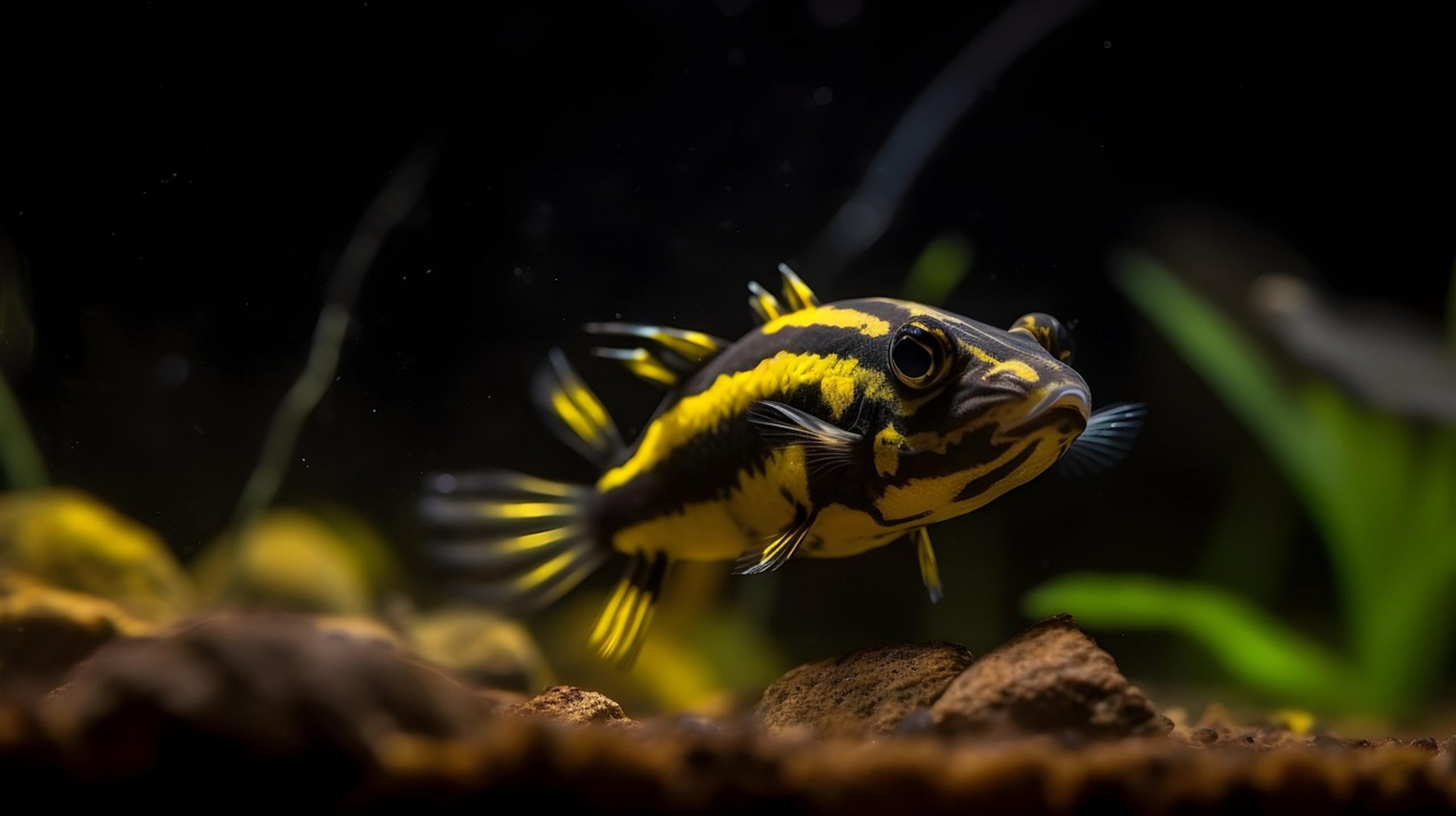
Not so fast. It’s not always black and white. First off, yes catfish is a protein source, one that contains lots of healthy omega fatty acids while remaining relatively low in mercury (compared to other more predatory species such as tuna).
How Frying Affects Nutrition
The issue isn’t necessarily with the type of fish but how it’s prepared. When deep fried, an otherwise lean fish turn into a high-calorie dish. Consuming it regularly will lead to both weight gain and heart disease over time.
Understanding the balance between the fish’s health benefits and the downsides of how it is cooked help you make smarter decisions when eating. The main problem with fried catfish are its batter. At most restaurants and fairs, it will be coated with a thick coating of flour or cornmeal, which soaks up lots of oil when cooked.
The result? A fried piece of fish can have twice (or even three times) more calories than the uncooked version. Plus, since the coating is carbohydrate-rich (as opposed to simply protein), it causes your blood-sugar level to rise more quickley.
Why We Fry Fish
This results in a heavy feeling in your stomach and perhaps some digestive upset because of all that fried stuff. Why do we fry fish at all? Well, for starters, traditionally, frying was a way to preserve food.
It was also a way to make less flavorful or tougher fish tastier. The mild flavor and firm texture of catfish lend itself to holding up when fried, while the hot oil create a Maillard reaction, the same reaction that makes the crust of fried foods appeal to our palates with its savory, golden brown hue. This chemical reaction create flavor compounds that taste great.
How can you not like the combination of a tender inside coupled with a crispy outside?
The Problem with Cooking Oils

Besides using more oil than necessary, it’s also important to consider what kind of oil you’re using. Most commercial fryers contains a type of vegetable oil that’s high in omega-6 fatty acids.
Though vegetable oils typically have a high smoke point, too many omega-6s and not enough omega-3s can increase inflammation within your body. Catfish has good levels of omega-3s to begin with, but deep frying can destroy some of them. This means the food provide fewer anti-inflammatory properties than you would hope for when you eat fish.
Healthier Cooking Alternatives
If you’re not interested in fried food but would prefer the taste of catfish anyway, grilling or baking are obvious choices. They require little to no added fat. Try dusting them with a small amount of bread crumbs or even cornmeal to give them a nice crunchy exterior.
Spices such as black pepper, garlic powder, and paprika will provide plenty of flavor despite the minimal fat. The resulting meal will have a far lower calorie count while maintaining the quality of the fish’s protein. It is an easy switch and a healthy change with no loss of taste.
Tips for Eating Fried Catfish
The other important key is portion control. When dining out, remember that their serving sizes tend to be huge. Share one fried catfish sandwich instead of ordering two, and treat it as a side dish rather than a full meal.
To further even things out, order some steamed veggies or a big salad along with it. The fiber from the veggies will slow down sugar and fat absorption, keeping your energy steady post-meal.
Sourcing Your Catfish
And then there’s the question: Where does the catfish come from?
In the US, most of the catfish eaten are farm raised. Which is usually sustainable and safe. The flavor and texture will be pretty consistent across the board.
With wild-caught catfish, though, you might see some more variation in taste and maybe even fat profile (depending on what they eat). Having an idea off the source allows you to better know what you’re eating. If sustainability matters to you, seek out labels such as the Aquaculture Stewardship Council label.
Final Verdict on Fried Catfish
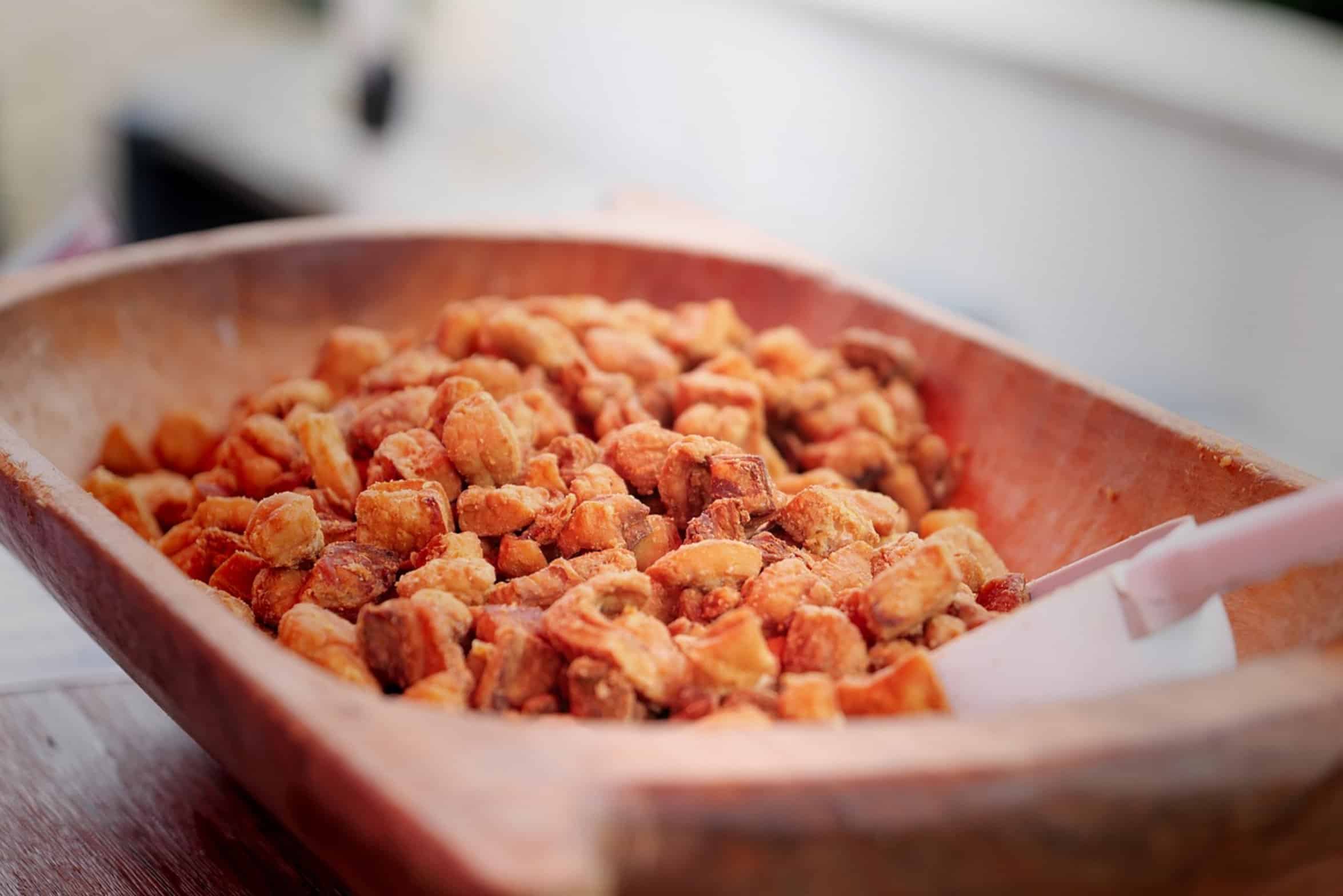
So what’s my take on fried catfish? In short, it ain’t no health food, but neither is it necessarily harmful. It’s an “occasional indulgence” kind of deal.
It all depends on context and frequency. Once a month at a festival is one thing; Every Friday night is another. Being mindful of which foods you choose and how they are prepared will help you maintain your long-term health goals without sacrificing enjoyment of the tradition.
The next time you inhale the scent of deep-frying fish, take note of what’s being hidden under there. You’re sacrificing part of its natural goodness in exchange for an instant gratification feast for the senses. If you do this deliberately and carefully, then sure, enjoy the flavor of fried catfish.
But honor your body by giving it what it really wants most: to eat food prepared without a bunch of added oil or fat that works against its best interests. Make it a treat (not a mainstay) and you’ll be able to maintain your normal routine with dishes that help keep you healthy and humming along. You should of tried different ways to cook it.