A lot of people gets nervous about frying food at home. There’s a pot full of bubbling oil, ready to spill out at any moment. The aroma overwhelms you, settling into your clothes and clinging to your curtains for days.
It requires constant vigilance; it’s a high-maintenance approach. With roasted catfish, there is another way. It’s a low-key approach that honors your time.
Simply lay the filets in a pan, turn on the oven, walk away, and wait. The final product is flavor-packed and tender; without the grease. What was once a chore becomes a dish you’re eager to make again.
How To Make Roasted Catfish
Why Roasting Is Better Than Frying
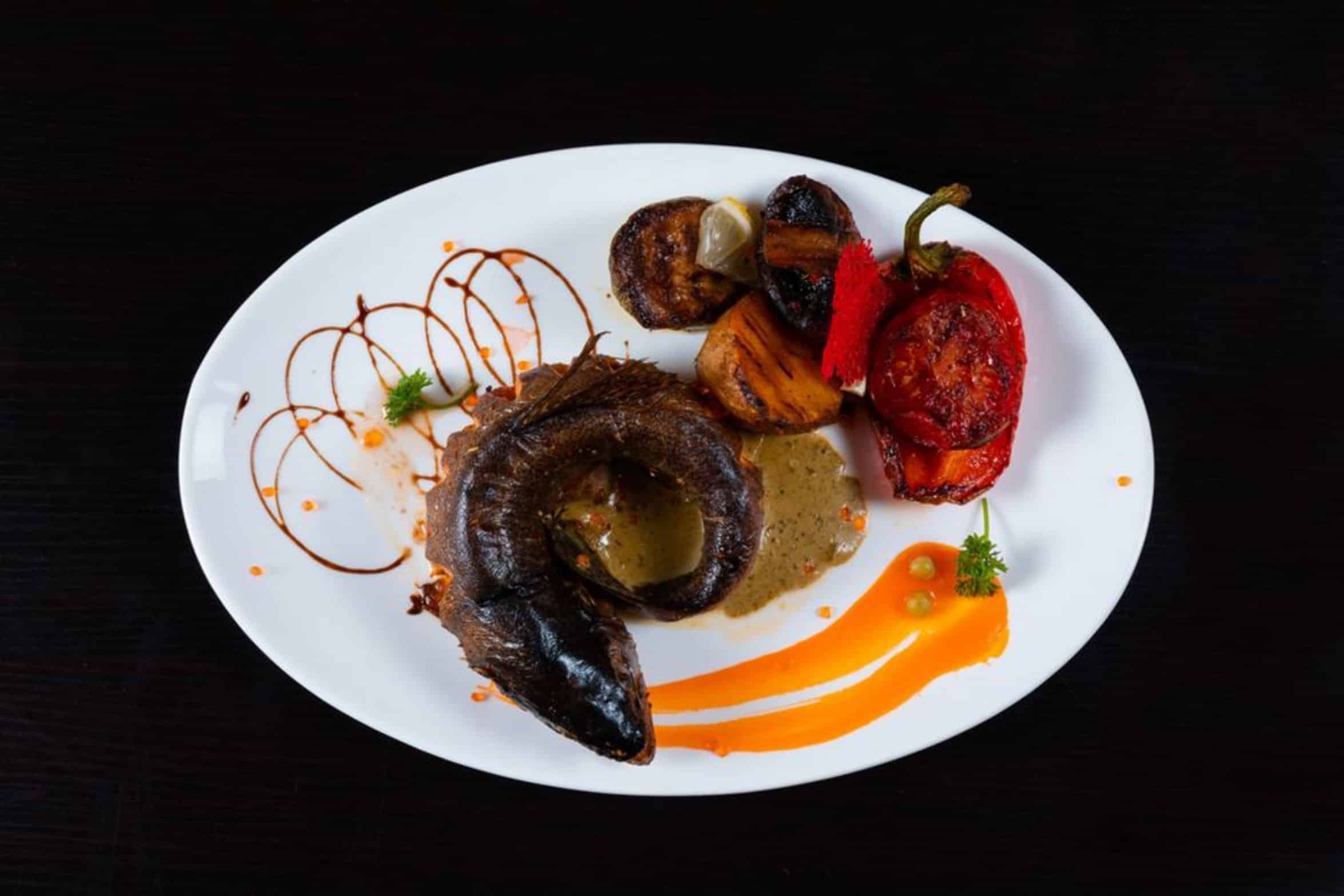
Roasting has an appeal besides the easy prep. On chemical level, it alters behavior of the fish. When you fry, heat cause fast dehydration that forms a crust.
Tasty! But it is not durabel. With roasting, the flesh slowly cook while retaining its juices.
The fish keep its original texture. It’s enhanced rather than masked by batter and oil. That difference help explain why roast catfish work well as a weeknight meal.
Choosing Fresh Catfish Fillets
Start with a proper cut of fish. Texture matters. For home cooking, channel catfish is way to go.
It’s firm, mildly flavored and holds up well in dry heat. Blue catfish is an option also, but will have more stronger flavor. When purchasing fresh fish, seek out firm, translucent flesh.
Steer clear of any fillet that smell strongly of ammonia. Freshness are non-negotiable when you are not hiding behind heavy breading. Bold seasoning is key for roasting catfish.
Applying a Bold Dry Rub
Without a thick crust to hide behind, the seasoning must be bold and direct. You can’t rely on a thick crust for flavor. Most of the time it’s best to go with a dry rub.
Rubs sticks to skinless filets better. Mix together some onion powder, garlic powder, paprika, and a dash of cayenne. The paprika will give the fish color while adding hint of sweetness.
Really press the rub into the flesh. This forms a tasty crust which will begin to caramelize during roasting. You’ll get a little of that crusty effect.
Prepping the Baking Sheet
The cooking vessel is important. A rimmed baking sheet lined with parchment paper is what I use. Cleanup couldn’t be easier, plus it ensure there’s no sticking.
To add more flavor, layer vegetables (e.g., thinly sliced onion, pepper) in the bottom of the baking sheet then set the fish on top. As the fish roasts, its juices combine with those of the vegetables. At mealtime, this turns into a natural sauce that collects at the bottom of the pan.
No calorie-laden liquid or sauces required; just moisture for flavor; and elevation of the dish from basic to brilliant. The last part of this puzzle is temperature control. Your preheated oven should be set to 400 degrees Fahrenheit.
Cooking Temperature and Time
It is hot enough to cook the fish fast, but not so hot then it dries the fish out before it is cooked through. Put the sheet on middle rack for even cooking. Depending on how thick your fish is, expect to cook for between fifteen and twenty minutes.
When the fish begin to flake apart easily with a fork, or if you poke a thermometer into the center and it read 145 degrees, it’s done. This is where you might of overcook it. Watch closely in the last couple minute.
Being precise ensure a moist bite each time. What to serve with the roasted catfish? That’s easy.
Serving Suggestions for Roasted Catfish
You can keep things balanced with a few specific sides. Catfish has such an adaptable flavor. Because the rub brings such nice smokiness, something light, like a grain salad or roasted asparagus would be great.
A simple dill-lemon sauce could work here too. This keeps the dish well-balanced and substantial without feeling heavy. It is perfect for an impromptu weeknight dinner, yet refined enough for a special weekend meal.
The flexibility is what makes the technique last. Tweak the side, tweak the sauce, change up the rub. But the technique stand solidly behind everything.
There’s something beautiful about roasting catfish. There’s no battle against the heat, there’s no battle with the fish. It is just you and the fish making something clean.
The kitchen is not cluttered. The air is not smoky. It is simply an honest meal.
Remember that sometimes the simplest things are the most relaxing. Next time, think oven and not fryer. More flavor, less mess.