In other words: You’re comforted by the contrast of a perfectly fried catfish fillet. It has a dry, loud crack as you break through its crunchy, exterior, and inside is wet, wet, moist, moist, steaming, flakey goodness. A squeeze of lemon and maybe a fork is all that’s needed but mastering something like this takes a certain amount of technical respect.
Home cooks, I think, don’t know this reverence. We often reach for the batter when we should of reaching for control. In the end, it boils (ha!) down to a couple of basic decisions: grease or crisp?
How To Make Perfect Fried Catfish Fillets
The Science Behind Perfect Crispy Coating
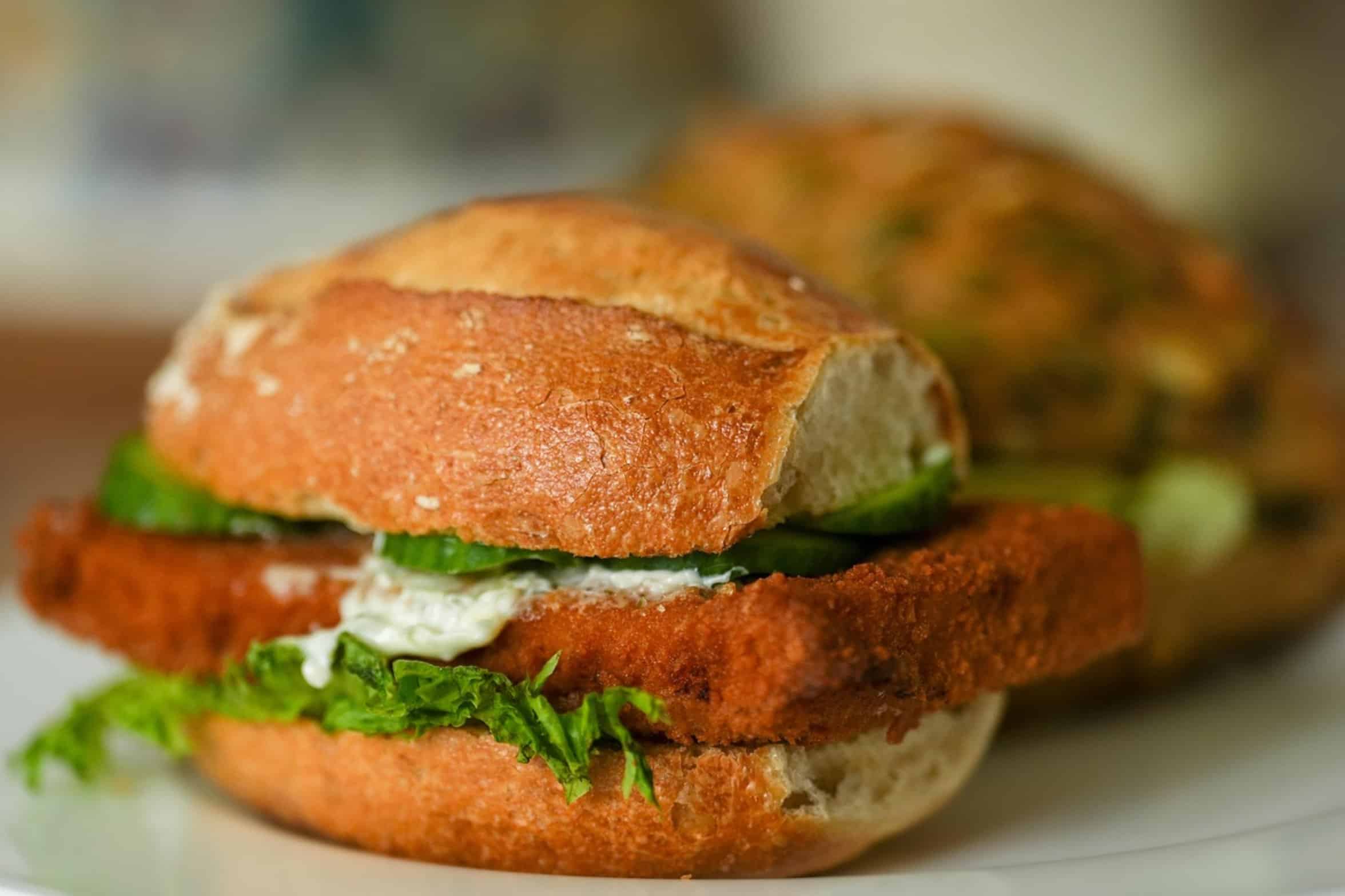
Most people assume the secret lies in the batter recipe, but truth is simpler and more mechanical: it’s about how you manage moisture and temperature. Catfish is a mild, lean fish that is delicate; mess around with it too much and it will fall apart. What we’re trying to do here is give the fish some sort of barrier between its tender flesh and the searing hot oil, yet still want outside to be crispy and golden brown.
Understand the physics of frying and you stop guessing and you begin to engineer the perfect bite. First and foremost, use brine. Even better is a long soak.
Removing Earthy Flavors With Brine
A little bit of mud tastes like catfish (particularly those caught in still water). Salted water will soften the protein and balance any earthy notes. Even a mild buttermilk bath will work to neutralize the dirt and loosen up proteins.
Let the fillets rest in the brine for at least half an hour. It cleans the fish and seasons them from the inside out. This adds depth to each bite.
Plus, it adds layer of moisture that helps prevent the fish from drying out in the hot oil. After prep, the next way to prevent sogginess is the coating. While flour is the norm here, straight all purpose can create a thick pasty shell.
Creating the Ultimate Crunchy Batter
For real crispiness, you must has both fat and air in your batter. To do this, many people includes a small amount of baking powder in their flour mixture. The baking powder releases little bubbles when heated, giving the coating an almost feather-like quality while remaining light.
Adding some cornstarch or cornmeal will add additional crunch, however, too much cornmeal will give the coating a gritty feel. So again, the combination matters, as you’re looking for a shell that coats (dusting) rather than one that makes your fillet sag under its weight. Here’s the part that most home cooks mess up: the oil temperature.
Mastering Oil Temperature for Frying
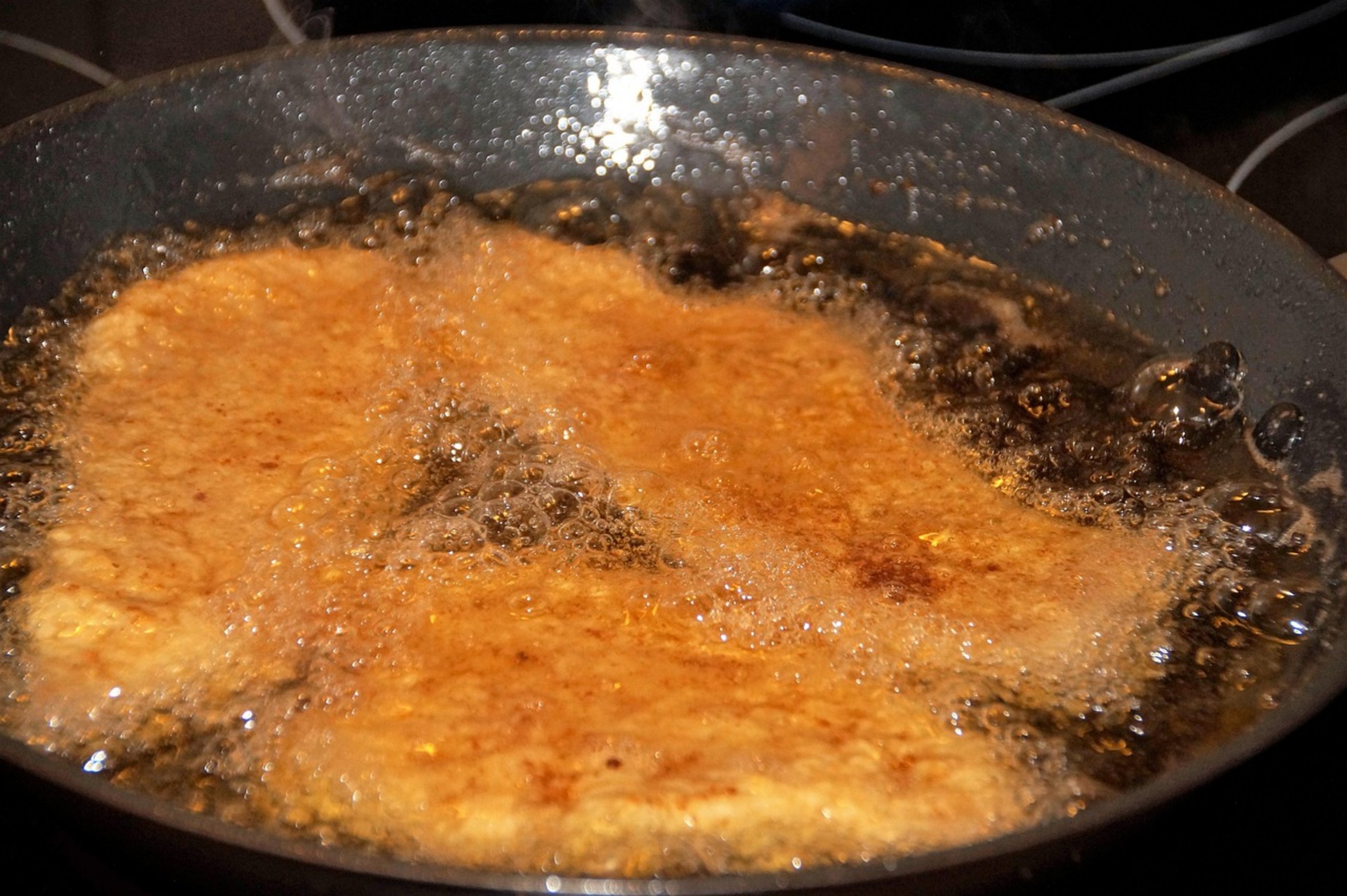
And this one is completely preventable. Get your oil to roughly 350 degrees Fahrenheit. Too cold, and the fish will soak up the fat just like a sponge, heavy and greasy.
Too hot, and it’ll burn on the outside before cooking all the way through. This is no time for a “set it and forget it” approach. Bring out the candy thermometer.
This is a good thing. You want it right about 350, with a steady sizzle when you plop the fish in there. Violent, frantic bubbles?
Way too hot. Lethargic, slow bubbles? Way too cool.
Turn down/up accordingly. Don’t crowd the pan: It doesn’t matter what you’re frying… Whether it’s catfish or chicken…
Avoiding Crowded Pans and Soggy Fish
Never crowd the pan. Dropping cold, wet fish in hot oil immediately lowers temperature of your oil. Adding more than one fillet at a time prevents the oil from getting back up to temperature, so the food steams instead of frying.
Allow plenty of room between each fillet; make sure there is enough space for them to circulate as they cook. That way, the heat stay even, and that crunchy crust will form just right. A golden brown, well-structured exterior is what you’re after, and waiting patiently will reward you with crunchiness.
The last part of success is draining. And this is the most overlooked thing. Don’t let your fried catfish sit on a plate or in a pan where the steam will condense and soften the crust.
Draining Techniques to Keep Crust Crisp
Place it on a baking sheet with a wire rack above it. Air flows around the underside of the fillet this way and keeps it just as crisp as the top. In a pinch you can use paper towels, but they tend to trap moisture against surface.
A rack would be better. It allows the heat to escape evenly, keeps the crust dry, and keeps the fish hot. So what’s the payoff?
It’s instant gratification and deep satisfaction. You’ve prepared something complex enough to wow a diner but light enough that you can eat it by hand. When you flip off the crust, you reveal white, flaky fish meat that tastes fresh and clean.
No grease, no heaviness, just straight-up flavor. Once you hit the sweet spot between heating time, coating and moisture, you’ll know you’ve gone beyond convenience food to a true culinary experience. It is a basic meal that showcases how well you cook, and something you won’t be willing to skimp on after getting it right.