It seems everywhere we look at marketing material for fishing gear, we are told that if we want to catch fish we has to buy expensive gear. We will get bigger fish and be more sensitive with fancy carbon fiber rod and reels. And you’d think that spending money is going to make it all work out better for us.
But what do we see when we realy go to where people fish? Many times, guys who’ve been doing this for years catch just as many fish as the guy who have the most bucks in his rod locker. These are guys who throw hardware store looking stuff, but know how to fishing their gear.
Mastering the Simple Art of Jug Fishing
What Is a Jug Line?
This is a jug line. It’s such a basic piece of equipment. They don’t teach it in todays fishing schools.
You won’t read about it in those glossy magazines. In fact, this method is so simple that it seem old-fashioned. But it works realy well.
To understand how a jug line work, however, you have to un-learn everything you’ve learned about active fishing. You have to slow down. You have to trust your bait.
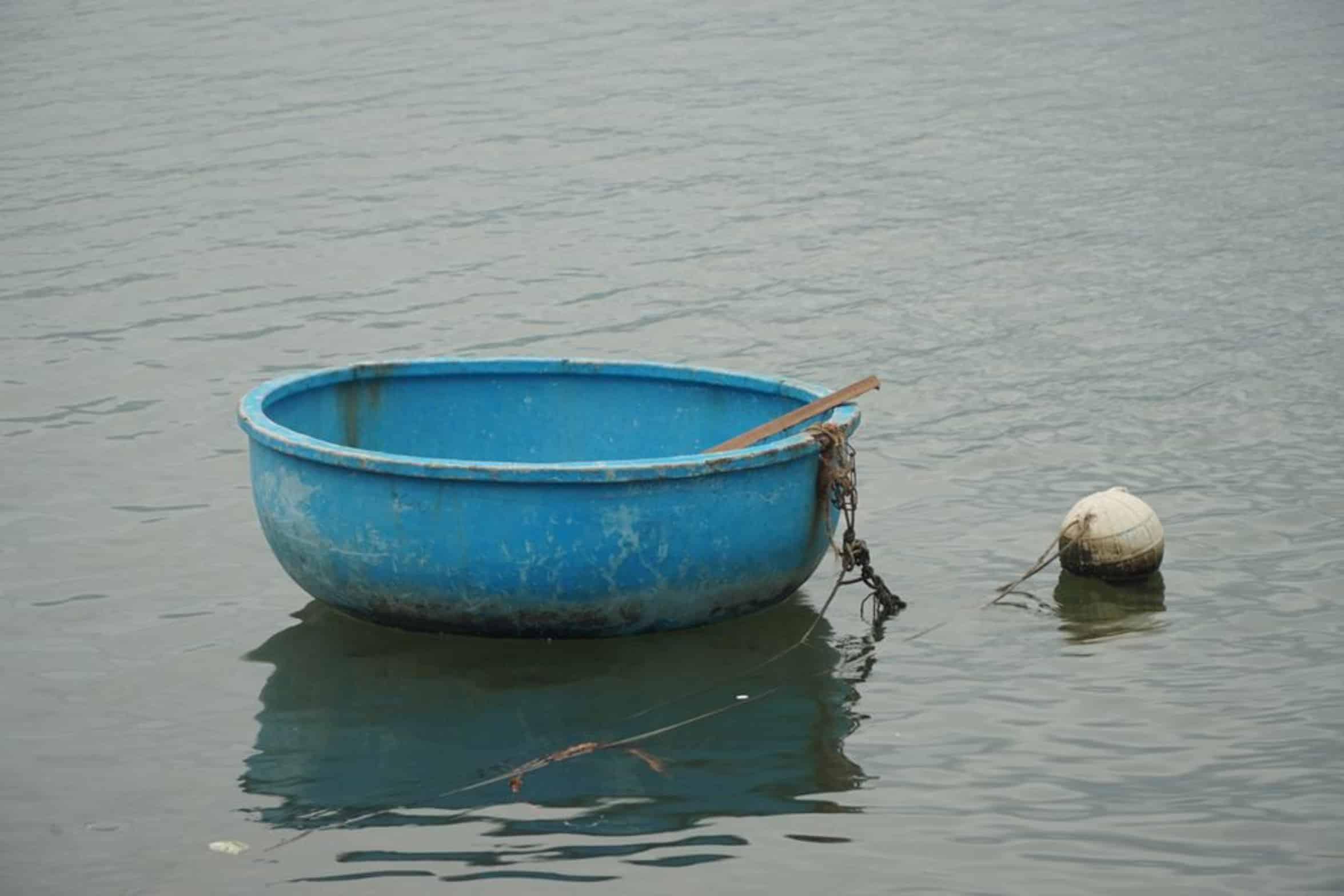
You have to let the water do the work. It’s simple: Tie on a hook and some bait; tie the opposite end to something buoyant; drop it in the water. In the past, that something would of been a glass milk jug, hence the name for this technique.
Now it could be a cork, a piece of plastic bottle or even a custom-made float. It isn’t about casting and reeling. It’s about setting the bait out where you think the fish will eat it and waiting.
Why Jug Fishing Works
Instead of being an exercise in angling skill, it becomes one of placement and patience. This is also incredibally cheap. No need for a reel.
No need for a fancy drag system on a rod. You only need a float, a few hooks, and a spool of monofilament line. Your initial setup may cost you under five bucks.
Cost and Equipment
For comparison, a good spinning combo will run you at least forty or maybe even fifty bucks. Because it’s so inexpensive, you can afford to put out several lines and not break the bank. Cover multiple species simultaniously.
Or cover multiple depth range. It’s that affordability that changes your approach to the water. It’s all in placement Tying a knot is one thing, reading a lake is another.
Strategic Placement
The main goal is knowing where to put it. Where do fish holds? What does the water do that make them sit?
Why do they suspend off structure? How does the current move them? A jug line force you to consider all this prior to dipping your line in the water.
Throwing a float out randomly in the middle of the bay usually mean coming up empty. Find the spot where the current break on an obstacle, such as a submerged log or a drop-off. Now you are getting somewhere; now you’re anchoring your line.
Bait and Rigging Tips
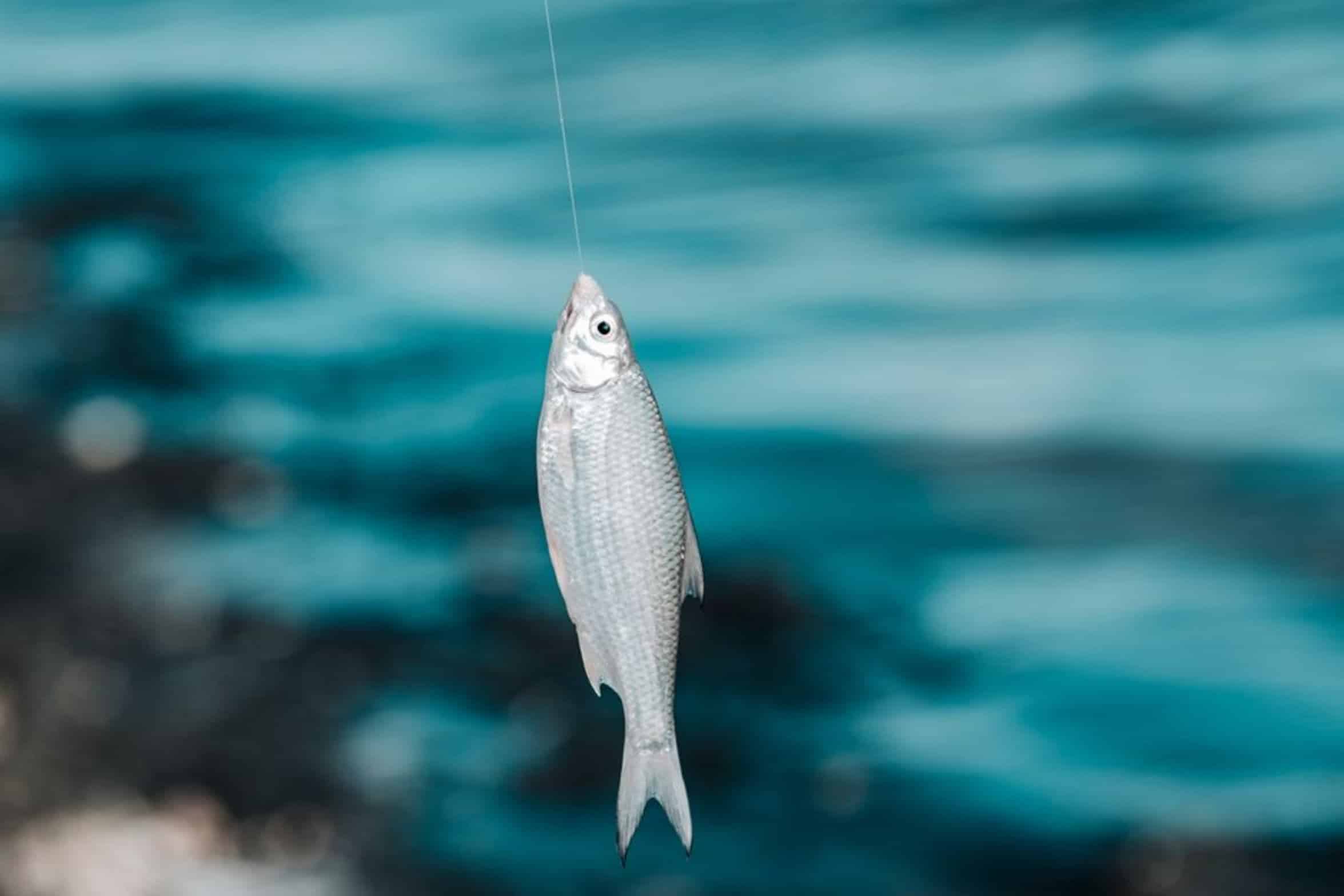
Bait selection is more important than tackle. Scent and sight are your only options if you can’t twitch that bait along. Catfish love cut bait.
Bass and panfish alike likes night crawlers. Walleyes or trout may be interested in crayfish. Keeping the bait tight against the hook and fresh is the trick.
Because the line is fixed, the fish can examine what’s going by before making its choice. If your bait is sliding in a packet or your hook isn’t tied well, there will be no fish on the hook by the time you pick up the line. Hook angle and penetration depth is important as the hook has to set itself.
Setting the Hook
The hook set is different. No rod tip to snap. It’s clear enough you see the float, you get a reaction.
Pull if the float goes under. Pull if it slides sideways. The timing of the hook-set create the tension.
It is a waiting game. You must pay attention at all times. Not passive like you can walk away.
Sit there watching the float with the line. Be ready to jerk when they commit. You jerk it hand-over-hand.
It is a satisfying physical act of setting the hook. Of course, there are safety issues as well. Tangle up your jug lines.
They can get caught on submerged trees or rocks. Sometimes it take some force and patience to retrieve a snagged line. The bigger issue is that the law is everywhere different.
Safety and Regulations
Most areas has limits on how many lines you may have out at any given time. Some mandate that checklines be checked every certain number of minutes. There are even some areas where jug fishing are prohibited and only traditional rod and reel fishing is allowed.
Be familiar with the laws in your area prior to setting out a line. It’s an expensive mistake to make and one that is best learned from someone else’s experience. There are some caveats to keep in mind, but the joy of catch is amplified.
The Joy of Simple Fishing
The bite connects instantly when the fish hits the bait. There is no reel drag. There is no rod buffer.
You feel the line pulsing through your fingers as the fish struggles. It is a pure adrenaline rush that brings us back to what started all this to begin with; fishing isn’t about the technology, it’s about you, the fish and the water. Don’t think this game require you to spend hundreds of dollars to play it.
There’s no rocket science involved in catching your supper. Sometimes simpler is better. A jug line takes all the complex stuff out of fishing and puts the heart of it right back into your hands.
Simple, inexpensive, and when you get it right, well… it just works.