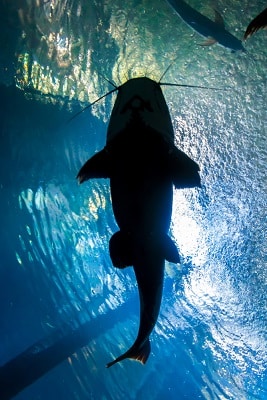
Inexperienced anglers still cling to myth that catfish spends every minute of their life glued to bottom of lake. It’s what you read in outdated fishing almanacs. It’s what you overhear on the docks.
You think your bait need be dragging along the bottom at all times. Catfish is opportunists that eat when and where available. They uses the entire water column based off availability of food, oxygen levels and even temperature.
Failing to account for this vertical migration will lead to some heart breakin’ days on the water. This argument between people who do and don’t float boils down to one thing… they think float is nothing more than a bite indicator. The float is both a bite indicator and depth control device.
Float Fishing Basics For Catfish Anglers
Why Catfish Use the Entire Water Column
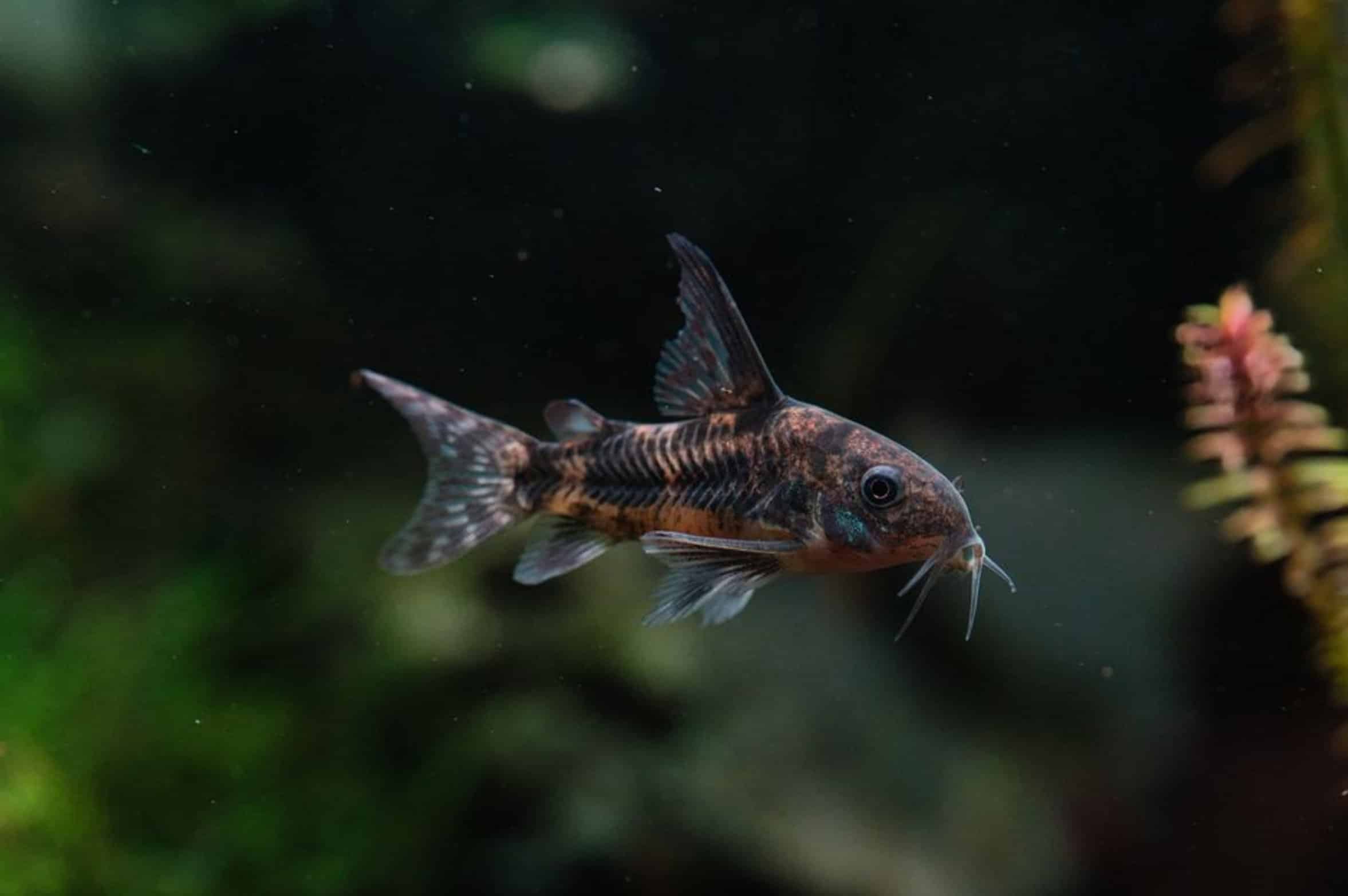
If you know difference between a blue catfish and a channel catfish, if you know when a warming summer day will change feeding times, then using a float goes from a gimmicky item to required piece of terminal tackle. When most folks begin thinking about fishing for catfish, their first thought is that you have to use a really big weight to get them to bite. While this is true of big blues in deep river channel areas, it’s not true so much elsewhere.
Floats as Depth Control Devices
Smaller lakes and backyard pond are most commonly fished by anglers targeting channel catfish. And these guys are well known for taking bait off the bottom, suspending it in front of their mouths and leisurely sucking it down. They’re also curious creature that will take a taste test before fully inhaling their meal.
When your bait lays directly atop the bottom, you could easily be missing all of those tentative strike. A float does two things: first it change the profile of your presentation. The cut bait or stink bait will ride up on top of the hook and off the bottom just enough to look more naturaly and accessible to fish.
Channel Catfish Feeding Habits
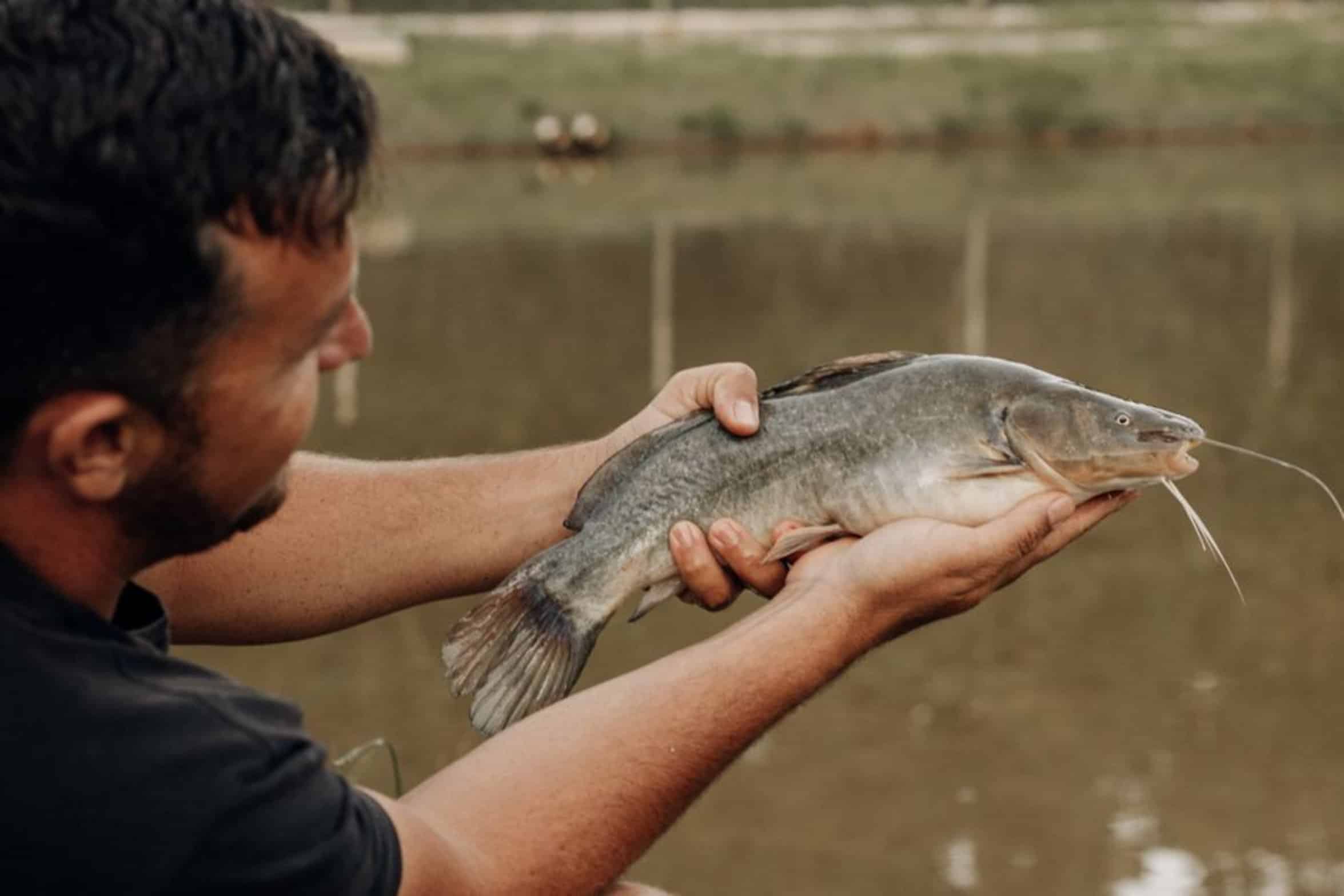
This is especially true in shallow water when weeds or other debris may cover the bottom. Second, a float allow you to keep your hook clean while keeping the bait in plain sight for the catfish to see. They use both their sense of smell and seeing bait to key in on it.
The combination is subtle, but gets that bait right where the fish are looking at it. There are certain conditions where floating becomes essential rather than optional. There are certain circumstances that make it necessary.
When Floating Becomes Essential

Take for instance those early summer mornings when water has yet to heat up but starts to warm. This change seems to find catfish schooling in mid-levels of the water column. While your rig sits helplessly on the bottom, the fish is cruising twenty feet overhead.
You can change depth of your Carolina rig or go with one designed specifically to suspend off a float and engage them at their level. When the hatch is a slab of skipjack herring, it’s a matter of matching the hatch. This vertical movement is hugely affected by weather pressure.
Weather Pressure and Water Clarity
Catfish will tend to get up off bottom and suspend out deeper in clearer water when it’s cloudy or when a cold front rolls through and barometer starts dropping. This make them less active and they’ll also be more picky. A float enable you to show them your bait without as much drag and with a slower more enticing fall rate.
Sometimes that slow fall is enough to trigger a lazy catfish into striking. He might otherwise pass something by if it were just sitting motionless on the mud. Floats aren’t always the answer though.
When to Avoid Using Floats
If there is one time in particular that you don’t want them… it’s actualy when fishing deep river water for big blues or flatheads on structure. You simply cannot get a float to stay properly buoyant in depths over thirty feet while fighting wind and current. Your float leans, your line stretches, and your bait slowly drifts away from the strike zone without catfish even knowing it’s happening.
Tight line and heavy weights is much more effective here. Current is also a big factor when it comes to float fishing. A float made for a calm pond will blow down stream like a sailboat in a matter of seconds.
There are special floats called trolling floats, but they is large and clumsy and get caught on underwater wood. When you’re floating in fast water or fishing near rock pile and other heavy cover, it often isn’t worth risking your tackle just to hang your bait. Keep it simple with a slip sinker and allow the current to do the rest for you.
Choosing the Right Float
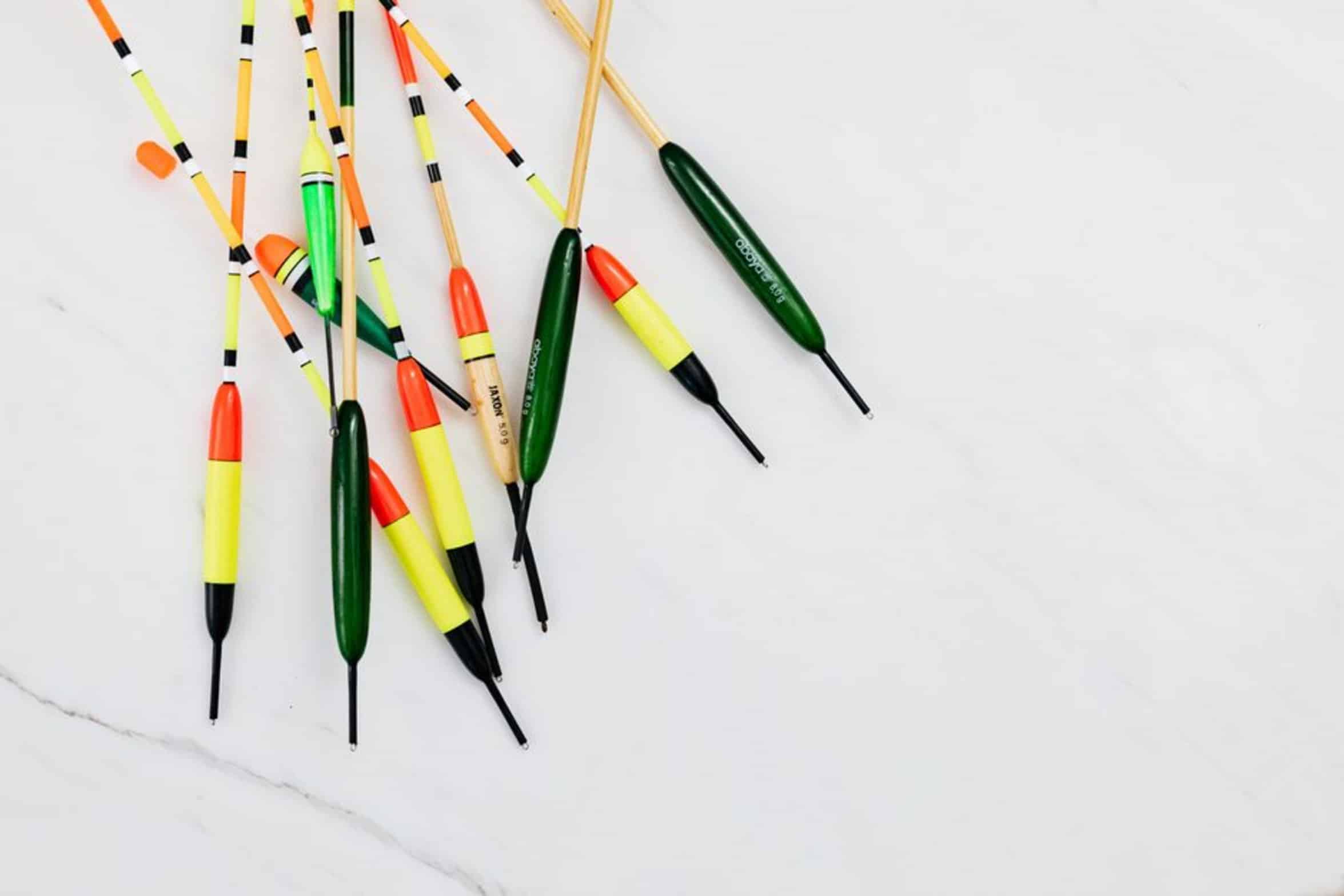
A float can make all the difference, but so does what kind of float you’re using. Fishing floats designed for crappie or bass won’t stand up to catfish very well. You want something heavy-duty enough to withstand an occasional run by a three-pound channel cat.
Bead floats constructed out of hard plastic can provide more sensitivity if you’re fishing clear water, while cork floats are also a favorite due to their affordability and ability to be replaced when broken. Just make sure you pair it with float that matches the depth you’re targeting and weight of your bait. To conclude.
Using a float is a matter of understanding what species you’re fishing for and reading the water. There is no hard-and-fast rule here; it’s about adapting based off the situation. Drop the float if the fish are suspending out deep and holding tight to bottom.
Reach for the float if they’re relating to weather changes, or perhaps suspended around shallow bays. It is a simple tool that can open up a whole new dimension of lake, which most anglers totally overlook if used properly. Remember this when you’re looking at that empty screen, or silent tip-up.
The fish aren’t necessarily where you think they should be. Playing with that vertical setup will turn an uneventful day into a productive one. When in doubt, go up.
Don’t try fishing harder, just fish higher sometimes. Work those baits and make sure the fish see them. Then, allow the fish to approach you on their own terms.