They’re tiny little guys (an inch or two of length) that spend there days picking algae off the rocks and plants in your planted tank. You might buy them because you want a cleaner tank, but you keep them because they is peaceful and non-aggressive. But they are not automatic solution for cleaning your tank.
They require understanding how they work or you’ll be frustrated and have dead fish. Understanding how they operate are important because if you treat them as simple tool, you’ll end up with dead fish. An Otocinclus isn’t a vacuum cleaner.
Caring for Your Tiny Otocinclus Catfish
Understanding Otocinclus Behavior and Diet
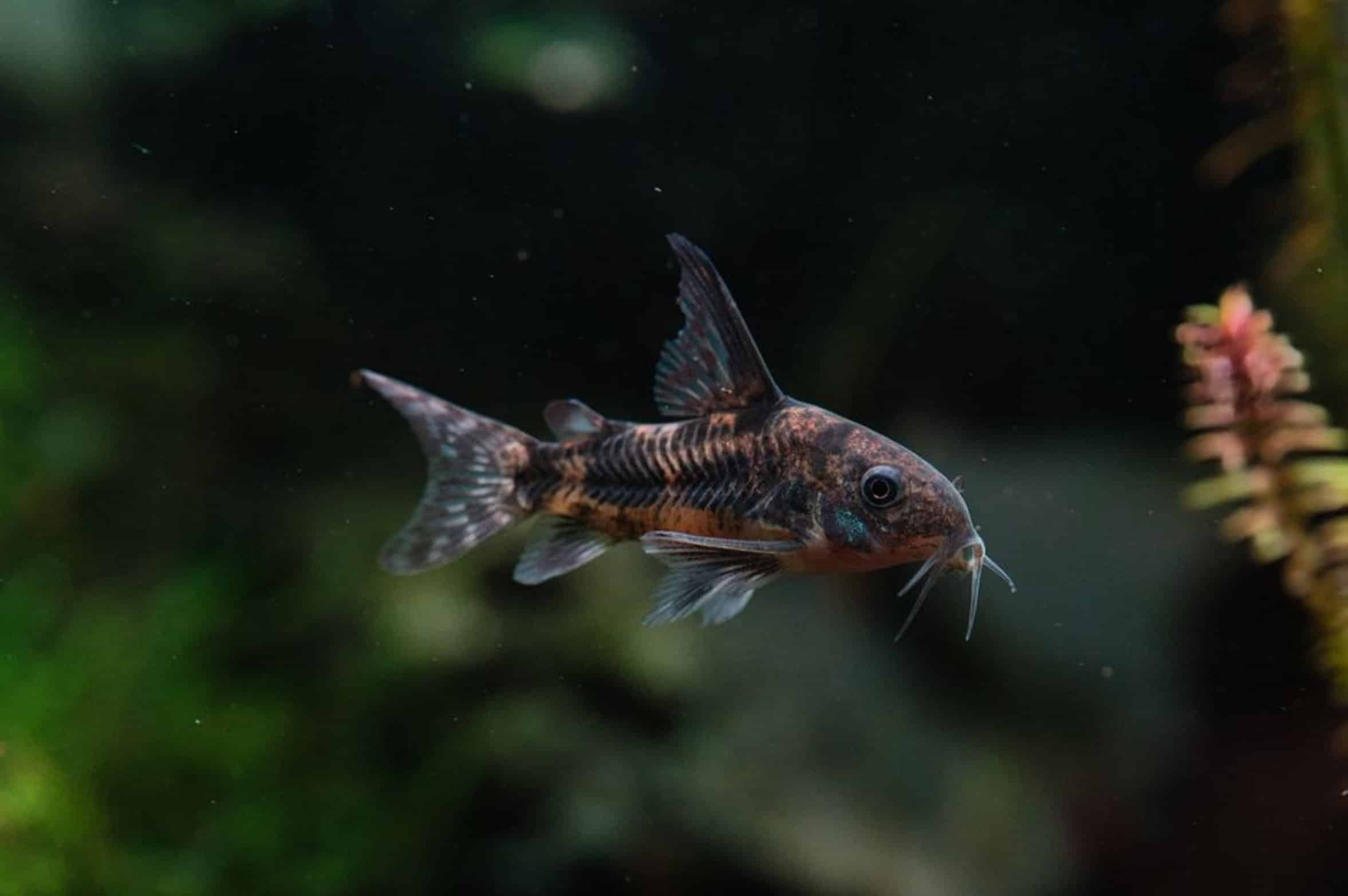
It’s a specialist. While its small size reduce its energy needs, that small size restricts its stamina as well. In other words, an Otocinclus can’t swim great distances looking for meals, which mean it has to graze within its living area.
Even with clean water, an Otocinclus will die of starvation if there isn’t enough algae on which to feed. And this is key for new keeper to grasp: Clean water isn’t food. These fish feed primarily on soft green algae and biofilm.
They do not eat diatoms or tough black beard algae. Their mouth are not made for ripping, only scraping. If you get one and just toss it into your mature tank with existing surfaces, they’ll be fine.
But if you get one and drop it into your brand new tank (which hasn’t had time to grow any algae yet), then they’re likely to die (not due to water quality but rather lack of food). So it’s not the water quality that matters as much as when you introduce them. Because this is a very small fish, it has specific housing needs.
Essential Water Conditions and Habitat
For example, the Otocinclus requires water conditions in which temperatures remains constant and pH stays slightly on the acidic side of neutral. Any abrupt changes will result in stress. Stress results in an end to feeding.
When food consumption stop, these fish perish rapidly due to low fat stores. Another essential need is hiding places like rocks, driftwood, and plants. Without them, the fish become anxious because they don’t feel safe.
After all, safety matters just as much than food. The most important aspect of keeping this fish… You have to feed it.
Feeding Requirements and Supplements
In a moddern filter aquarium with little or no algae growing naturaly, you’ll have to supplement its diet. The typical choice here is algae wafers. These come in wafer form, however, and should be cut into sizes that your fish can manage.
Food like sinking catfish pellets will also be fine. Feed daily (or at least regularly) and make sure they gets fed some sort of food consistently. Keep an eye out, as Otocinclus are shy eaters and won’t necessarily get to any food before other, more aggressive tank mate.
If you keep aggressive community species, the Otocinclus will retreat and starve. They’re hard to breed. If you see most otos available, odds are they’re wild collected.
Breeding Challenges and Community Tank Mates
To get them to breed, you need to provide certain conditions (i.e., acidic tannic water and fluctuating water levels). Treat them more as a “maintained” species vs. An easy-to-breed species. Don’t count on them to naturally reproduce and combat your next algal outbreak.
Chances are you’ll have what you purchased, which means plan ahead. In general, the Otocinclus is a docile herbivore that gets along very well with other members of the community. You shouldn’t have an issue with it bothering your snails, shrimp, small tetras, etc. It also doesn’t seem to care about most decorations.
Aggressive and large cichlids or fin nippers will pick on it. Of course, overly crowded tanks can spell trouble even for peaceful species. There simply isn’t enough room for everyone to graze.
Too much stress are harmful. So keep it uncrowded and the community calm and your Otocinclus should be happy and healthy. Most of their health problems aren’t caused by diseases but rather neglect.
Health Signs and Preventative Care
They are prone to parasites like ich but malnutrition kills more of them. Overfed fish typically have a bloated belly while starved ones show a concave body with a shrunken profile. Keep an eye on their body shapes because it will rapidly alter.
If you see any variation to their silhouette, then adjust your feeding routine promptly as prevention is better than cure. Early detection also saves lives. Otocinclus catfish won’t be a cure to an unhealthy set-up.
Rather, it’s a gift for proper care. It adds value to an existing healthy system instead of fixing a broken one. Feed them sufficiently with quality foods.
Offer them lots of surfaces where they can graze on algae. Then, they’ll bless you back with grace and longevity. They aren’t a quick solution.
Instead, they’re a companion within your water environment. Feed them well, show them some respect, and they’ll make the glass panes their own personal dining table.