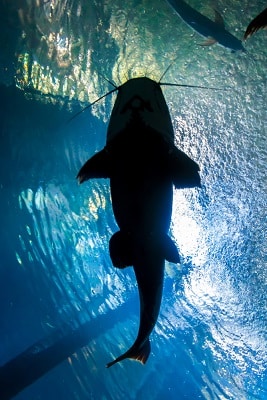
Do not buy overly large fish for algae removal Commonly referred to as large suckermouth catfish, these fish is generally too large for most typical home aquariums. Because these fish have rapid metabolism, they will generate more wastes compared to consuming algae. Consequently, your tank’s water quality deteriorate.
This causes stress and expense. There is a better way to handle the green film on substrate and decorations. Why get a fish whose comfortable habitat size are a fifty-gallon tank?
Why Choose The Bristlenose Pleco For Your Tank
Why Large Plecos Are a Mistake
For hobbyists, the Bristlenose Pleco is a good algae-eating cleaner. The fish stays small, consumes algae, and fits into community tanks without hogging all of the space. The *Bristlenose Pleco* is known as *Ancistrus cirrhosus*.
Bristlenose Pleco Overview and Benefits
Bristlenose Pleco (or Bristlenoses) are members of the Loricariidae family. Also known as armoured catfish, they do not have scales; rather, they’re covered in bony plates. Bristlenoses max-out at 6-7″ while common Plecos reaches up to 2′ long.
That means a bristlenose produce less waste, eats less food, and behaves different within its habitat. Because it’s also a smaller fish, it blends nicely into an already-settled environment without upsetting the apple cart. Perhaps the most obvious distinction between the Bristlenose and its bigger cousins is facial appearance.
Physical Characteristics and Behavior
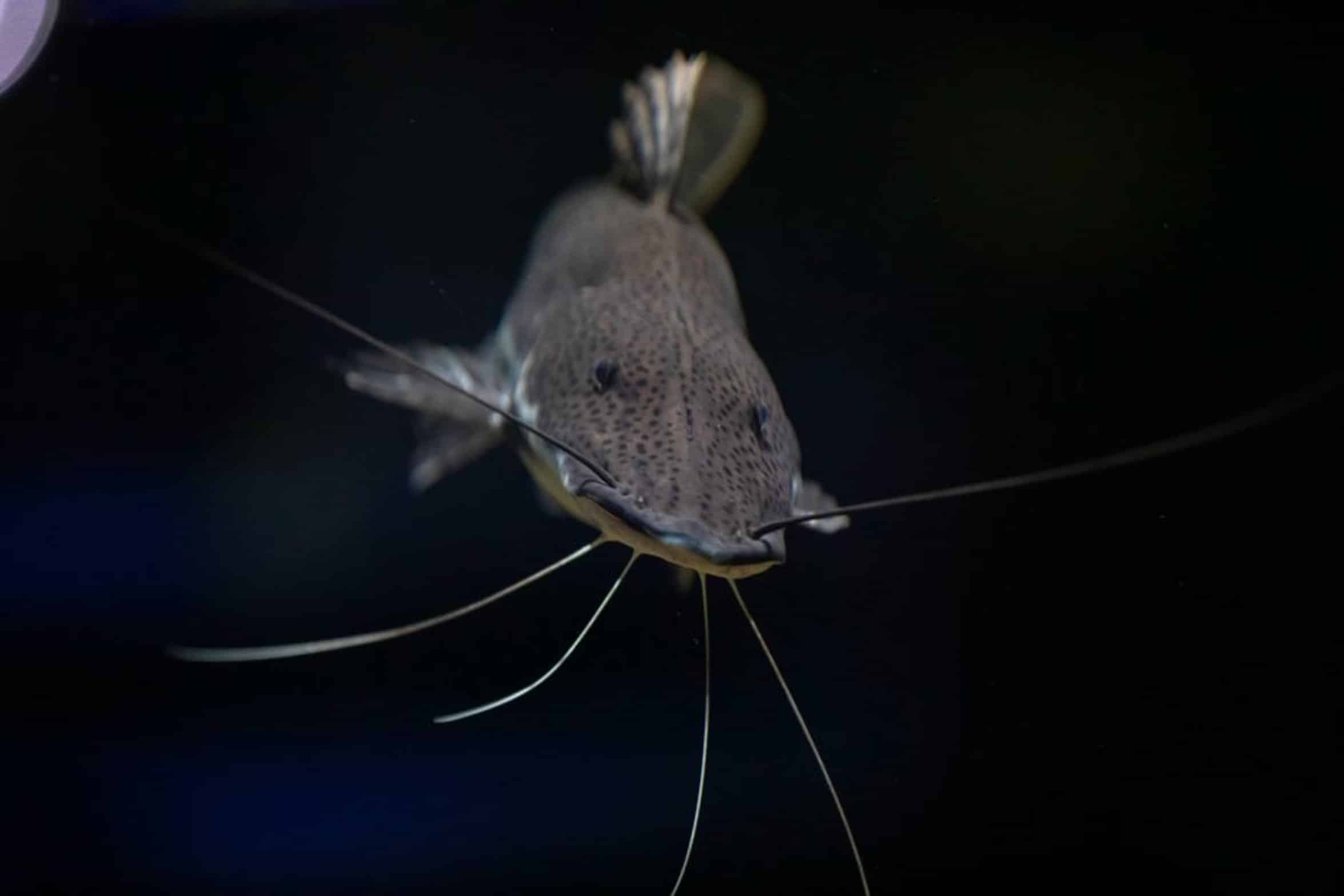
Males exhibit fleshy, wart like growths on their heads and snouts. This is NOT indicative of any ailment. In fact, these fleshies are secondary sexual characteristics showing a healthy, mature male.
Younger fish of both genders has more smooth profiles making gender determination challenging. As for those bristles, it’s more than just a look. In low light conditions, such as around dark wood or in dark caves, the bristles acts as a form of touch.
This allows the fish to feel its way around. That also answers the question on why you might find them tucked away during daylight hours. By nature, they’re nocturnal animals that likes to creep out at night when the lights go down.
Diet and Feeding Requirements
New owners typically make a mistake when it comes to diet. Because they’ll eat algae, people think these fish are vegetarians. Not true; they’re omnivores that prefers protein over anything else.
Given an established tank, they’ll scrape soft algae and biofilm off the surface. This keeps the plants healthy and glass clean. But they’ll consume dead leaves, leftover food, and yes, even their own poop.
Adding to their diet is necessary if the tank isn’t producing enough natural food. Blanched vegetables such as zucchini, sinking pellets, and algae wafers are essentials. These fish won’t starve themselves, no matter how much algae there is.
Water Quality and Tank Conditions
Bristlenose Plecos are pretty sensitive to water parameters, especially compared to most community fish. Due to their modification of the throat to be able to suck oxygen directly out of the water column. So they can’t tolerate high nitrates and bad oxygenation.
Maintain good water quality and make sure that they have access to an unobstructed surface where they can gulp some air. Their preferred temperature is between 75-82 degrees Fahrenheit. That’s right where a tropical community tank would be setup.
Also, don’t keep them with coldwater fish or fish that prefer cooler water. They get along well with most tank mates as long as they are peaceful ones. If harassed they will simply go into hiding.
Tank Mates and Habitat Setup
For example, Bristlenose Plecos do fine with tetras, rasboras, and peaceful cichlids. Stay away from nippy aggressive fish who may pick on them. They’re no fighters.
When confronted, they hide. Therefore, you’ll need a well planted tank with lots of plant cover, caves, and driftwood. This make them feel secure.
It also matches their natural environment, which are fast-flowing South American rivers. Advanced aquarists who breed fish can find this hobby rewarding. To get them to spawn, they need some special parameters, a little cooler temperature and good water flow.
Breeding Bristlenose Plecos
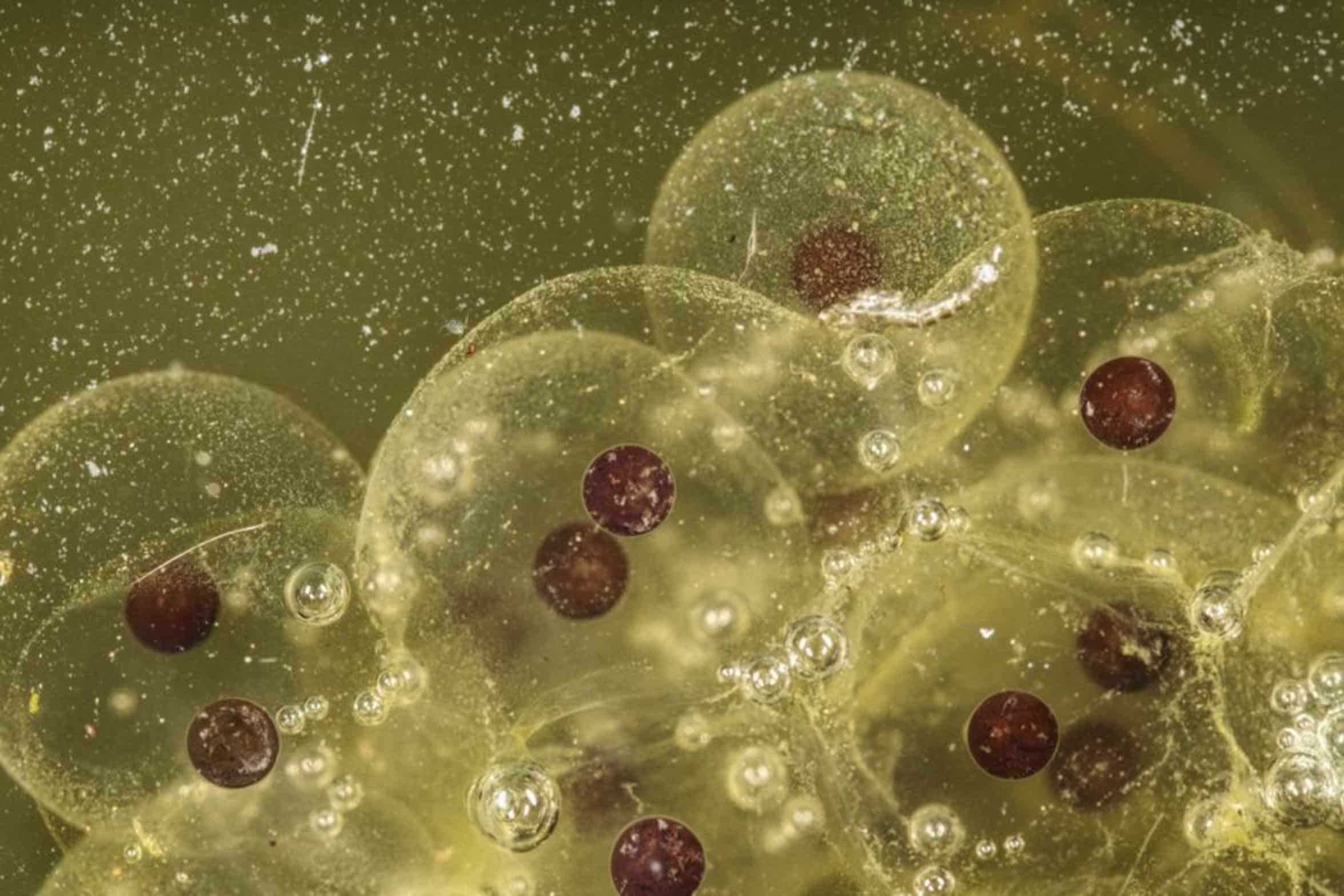
Parental care is quite remarkable with males defending eggs and fry in caves. If you have one that’s guarding a cave and acting really mean, maybe you’ll of have some fry soon. Watching it happen makes for an interesting sight, but raising the fry successfully takes commitment.
For most of us, keeping the adults happy is all that is necessary. Breeding them is a bonus; not a requirement. Going with the Bristlenose Pleco was an aesthetic choice but also one of practicality.
They’re a good algae eater without being a monster. They don’t crowd other tank inhabitants, they hide if you leave them alone, and they otherwise are relatively low drama for a tropical tank. The secret to keeping them happy is to provide them enough space (don’t over-crowd).
You also need to provide good water quality and enough nutrition (don’t skimp on proteins). Bristlenose Pleco, Don’t you want a fish that cleans up your tank without being too big? Meet your new best friend, the Bristlenose Pleco!
It is small but mighty. Goes to work for you. And it brings personality to the bottom of your tank.
Algae has got you down and you’re leery of keeping a giant pleco? Here’s the middle ground. The Bristlenose Pleco does all the dirty work without stealing the spotlight.
You get what you were hoping for (cleaning) and none of what you dreaded (the mess and hassle). That’s something to write home about.