Pull up on a catfish. Hook it on the bottom. Makes sense.
But then you look at the tag and see a creature that looks like a wrinkled, brown boot. Yep, that’s the Brown Bullhead, Ictalurus nebulosus. He’s there a lot in your keep net, though he’s hardly ever on highlight reel.
Didn’t go for him; didn’t go looking for him either. Bait fell into his path and he decided to eat. It was an accidental catch from inland fishing.
While blue cats and channel cats grab all the spotlights, bullheads stay right there in the background. We all know the big three species. We pursues their fight, we pursue their size.
The docile and small Brown Bullhead is overlooked by most angler. Some deem it to be a nuisance. But there’s something to understand about this fish.
They’re survivors. They survive in waters where other fish won’t. When you learn more about this fish, your perspective on that stagnant pond changes.
Your expectation becomes a legitimate catch rather than disappointment. It’s not about bragging rights. It’s about appreciating another level of success.
Understanding The Brown Bullhead Catfish Species
Physical Characteristics of the Brown Bullhead
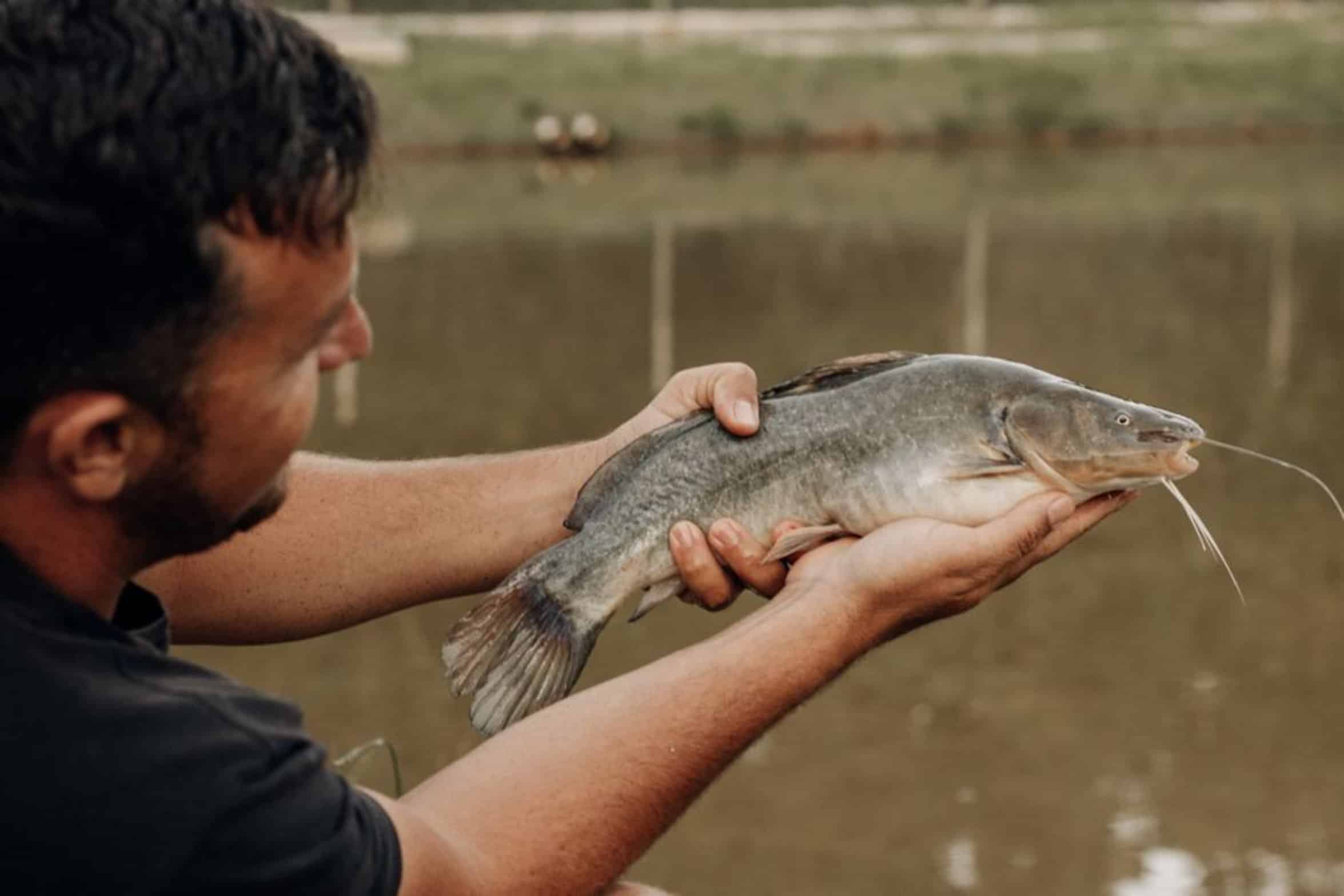
Let’s start with how the Brown Bullhead is different then its cousins. First of all, it doesn’t have the mottled gray pattern of the Channel Cat. Nor does it have black bar near the tail like the Blue Catfish.
In fact, there isn’t any other color except brown. The color ranges from light tan to dark chocolate. The skin is slick and smooth.
Because there aren’t any scales, it frequentlly gives off an impression of being slimy. It is a defensive mechanism for the fish, to be sure. This makes the fish difficult to hold.
Difficult, yes, as in when you’re trying to pull a hook out of them. The pectoral fins is short and rounded. They are very sharp.
You’ll get pricked by them if you’re not careful. Those pectoral fins look mean but they’re delicate. And then there’s their size.
Brown Bullheads won’t get big; most of the ones you catch will be from half a pound up to a pound and a half. Even that’s pretty big for a Brown Bullhead. They is slow growers among catfish.
The three-pounder you find is an old fish. It endured. And it endured winter after winter.
And it made it through changes in water quality too. It’s a testament to survival. The fact you caught it proves it’s a hardy survivor.
Survival in Marginal Water Conditions
Finding a three-pounder isn’t something that wins a tournament. But if your tournaments is in ponds where oxygen levels fluctuate, catching a three-pounder in a low-oxygen pond says plenty about that fish. These are experts in marginal water.
Low Dissolved Oxygen, Bass and trout cannot handle this water. It will cause them to suffocate. But not the brown bullhead.
These fish is experts at surviving marginal water. They love slow moving creeks, warm streams, and stagnant ponds. During a hot day they’ll bury themselves in mud.
Why? They do this to conserve energy and hide from predators. So when you’re trying to catch them using traditional casting methods you’re dealing with more than just a fish.
You’re dealing with its armor (mud) and its home. Where do I find it? Mud is its home.
Best Bait and Fishing Techniques
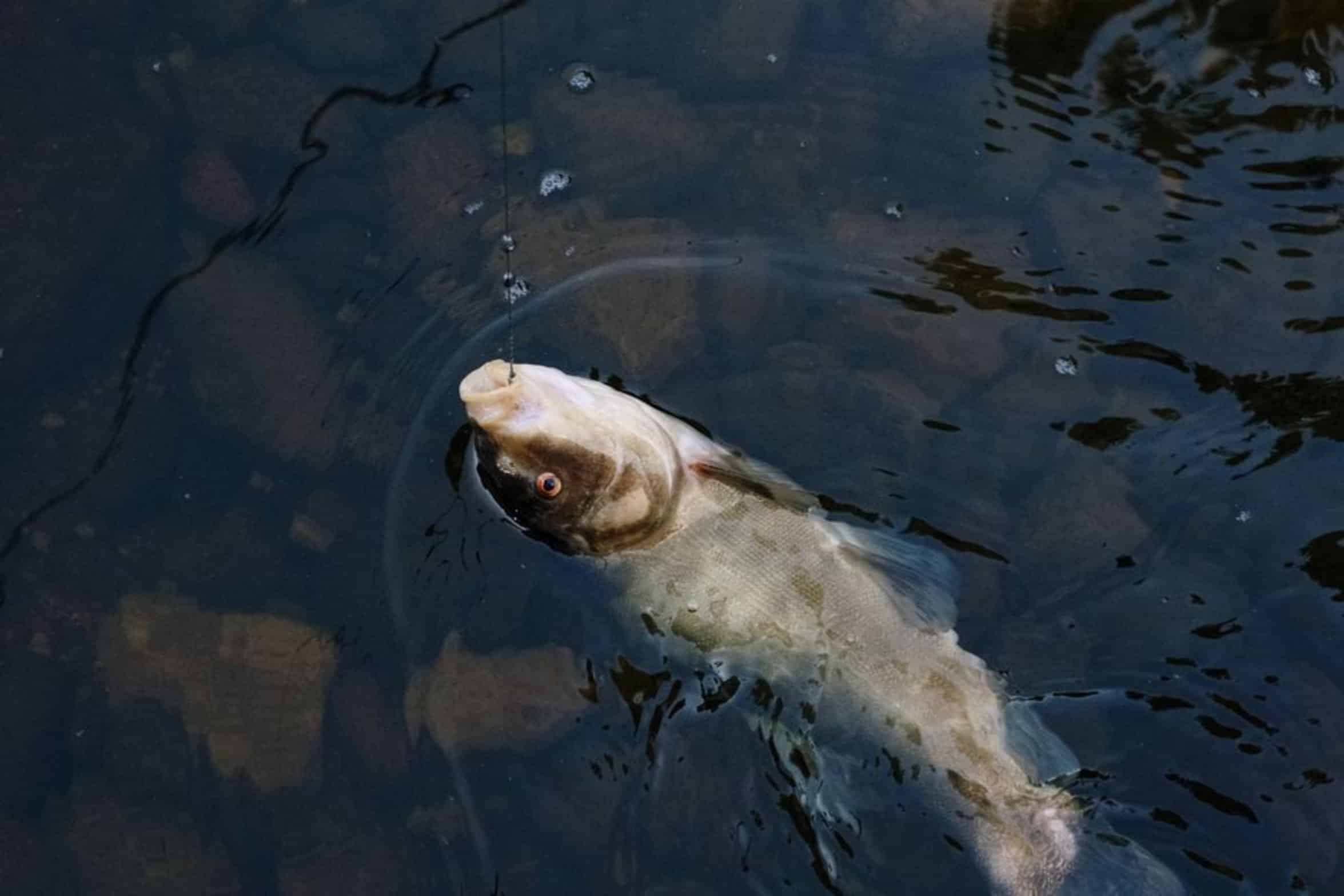
What they eat It’s simple with these guys. They’re opportunists. They have a great sense of smell.
Finesse presentations means nothing to ‘em. They seek out something with a powerful smell. Chicken liver is best.
It breaks down slowly in the water. That leaves a scent trail to call them in. Herring or shad cut bait also work well.
It is best used when there’s current. You want the bait to stay near the bottom. These things feeds while hanging off the bottom.
Drop it down. Wait for it. Then pull the trigger.
Fighting Style and Beginner Benefits
It’s a nice catch, with little fight Brown Bullhead don’t runs like a Striped Bass. They don’t surge like a Largemouth Bass. Instead they pull hard and steady.
They tug steadily, trying to shake the hook in the mud. That makes them perfect for beginners or kids. They get you hooked on catching fish.
It won’t break your light line. They will teaches you how to set a hook correctly and how patient you need to be. You’ll learn how to feel the bite on the line.
That will translate to other species later.
Ecological Role and Conservation
They’re fairly stable in their conservation status. But, long term, they are sensitive to poor water quality.
Because they can survives low levels of oxygen, they serve as an indicator species. They show when an ecosystem is under stress. A brown bullhead-only pond may not be a healthy pond.
Catching them will give you an idea about what’s going on. It’s one way to sample the water quality. It’s another way to sample the fish population.
Releasing them will make sure the species is still available. They’re resilient but they’re not invincible. Don’t throw it back in disgust.
Remember, it is a survivor of the worst water. Nature can adapt. The Brown Bullhead doesn’t ask for your admiration.
It does deserve your respect. You didn’t go out trying to catch one, but you did. It was a catch nonetheless.
Embrace the slime and the mud. Celebrate the quiet victory of fishing waters that others won’t even bother casting to.