Catfish gets a bad rap. Some say it’s just one of those food items that’s loaded with fat. Others suspect it because off where it lives.
It is a bottom-dwelling creature that live in dark, murky ponds and muddy rivers. Who knows? They think it’s bound to be dense and heavy.
This is not true in the kitchen. In fact, most catfish are far leaner than many other ways to get protein. It has less fat than chicken thigh, and even salmon.
Catfish Nutrition Facts And Cooking Methods
Why Catfish Has a Bad Reputation
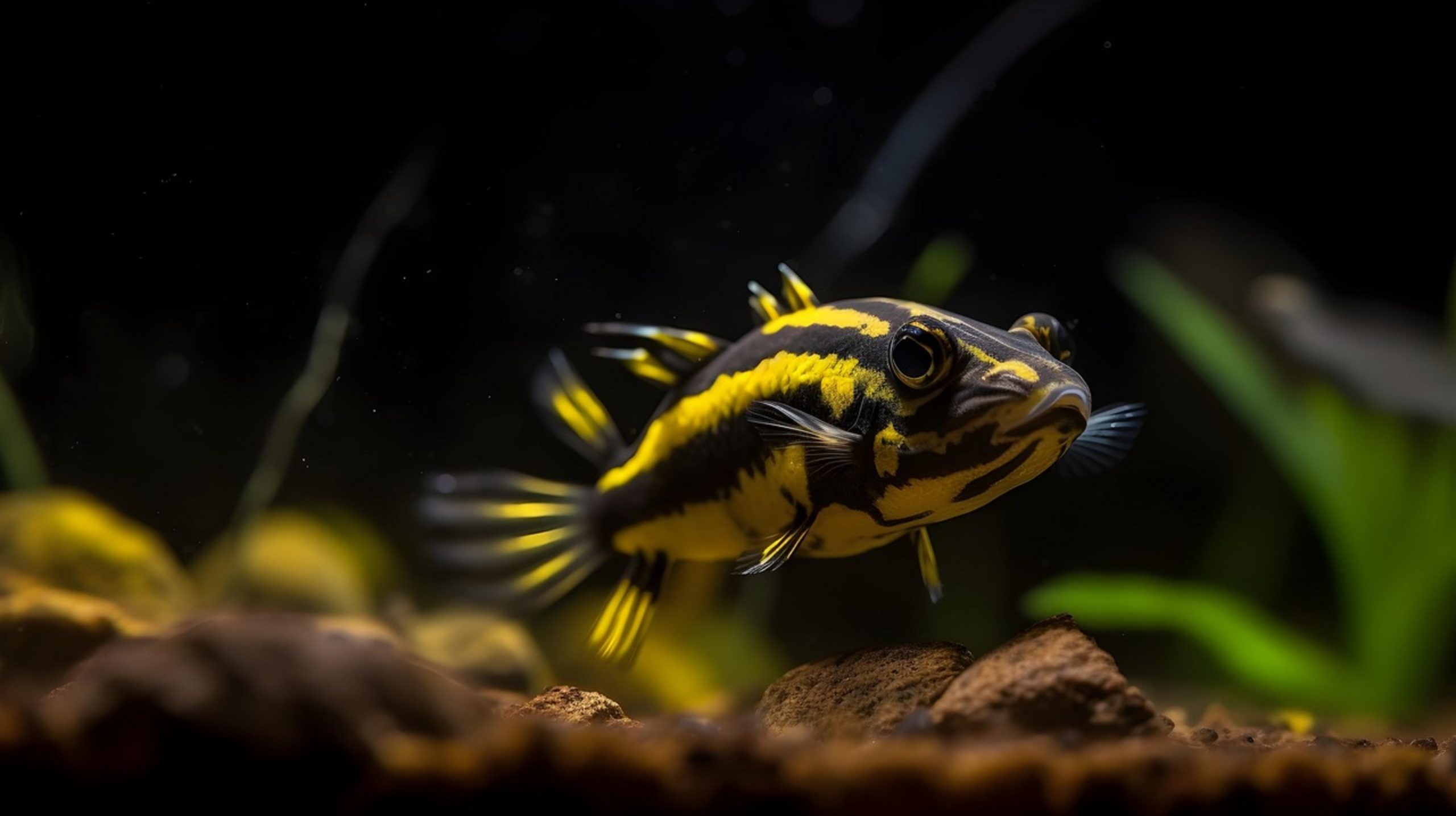
This is the problem (although this mild-flavored), delicate-textured fish can take on any number of flavors, when it comes to enjoying it at meal time, the fish require assistance. This is why home cooks rely on heavy breadings, oils, and butter to give it some oomph -thus jacking up the calories. But rest assured, the culprit isn’t the fish; it’s the way it’s prepared.
First off you should get to know nutrition facts on the fish. Surprisingly enough, fresh catfish fillet aren’t too heavy in caleries. For a normal 3-ounce portion, there are approximately 90 calories with only one gram of fat.
That’s less than you might think! It also has some solid protein. This makes it a low-calorie food that provides a lot of satisfaction.
How Preparation Adds Calories
Plain old catfish is a healthy choice if you’re watching your diet, but let’s face it: Most of us don’t enjoy eating it that way. There’s got to be some sort of flavor. And where do you find flavor?
Calorie City. So pick your dish wisely. Catfish is typically prepared by frying it.
And when you fry it, that’s what will hurt your waistline the most. Now, breading and frying catfish tastes damn good, and that’s why it’s an old Southern cooking tradition. But all that breadings soaks up some serious fat while it cooks, a fried catfish sandwich could easily be over five hundred calories.
Even though the fish itself is lean, most of its calories will come from refined carbohydrates and added fats. That’s right; you’re not eating the fish at this point. You’re eating the oil and the batter.
Grilling for Lower Calories
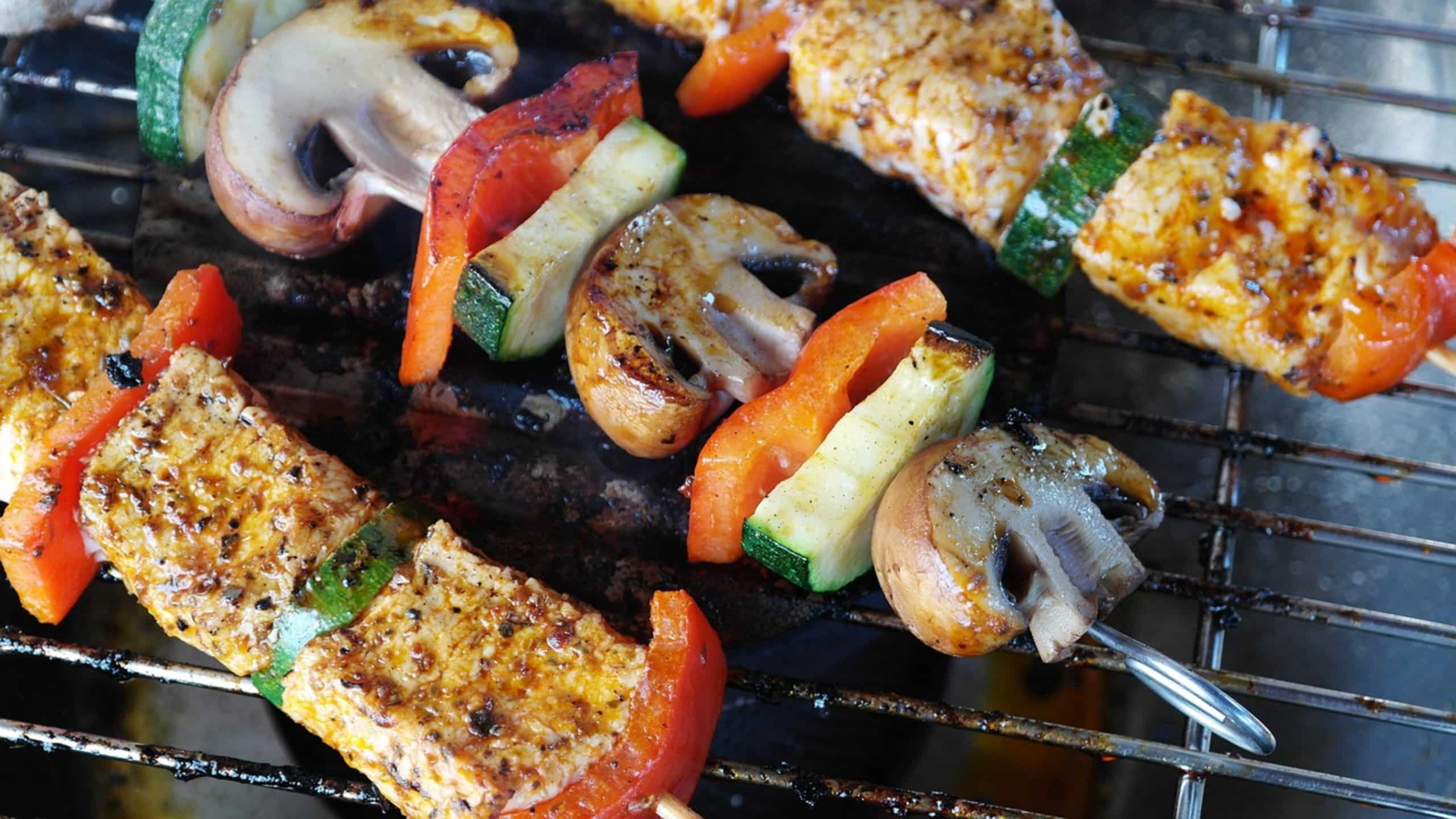
With grilling, though, there’s a lighter touch that maintains the quality of protein, and you’re depending on the heat to caramelize the outside rather than drown it in fat. You only need a light brushing of olive oil on the fillets to keep them from sticking, and you’re using a fraction of the amount needed if you were frying. And the smoke imparts another dimension of depth that mimics the fattiness of fried food, so all of the flavor while keeping the calorie count low.
It takes some attention; don’t let the gentle flesh fall apart! But the nutritional reward is worth the vigilance. For eaters monitoring their intake, steamed is also a great choice (as long as you don’t find it boring… which it can be if you don’t add enough flavor).
Steaming with Asian Flavors
Strong aromatics are key, and rice vinegar, soy sauce, scallions, ginger and more gives your dish a bright taste but no grams of fat added. It’s a staple way to prepare fish throughout Asian cuisines, since it showcases the natural sweetness of the fish and keeps calories low. This cooking method rewards precision: you get a clean meal that tastes rich because of its complex flavors, not from a heavy texture.
Choosing Healthy Cooking Oils
Regardless of how you cook it, the kind of fat you use is equally important, and when you pan sear, the oil you select will dramatically alter your meal’s nutritional profile. Switch from refined vegetable oils, which don’t offer much nutrition besides calories, to either extra virgin olive oil or avocado oil. This provides a dose of healthy monounsaturated fats that pack more flavor, improve the mouthfeel, and is better for your heart.
Importance of Portion Control
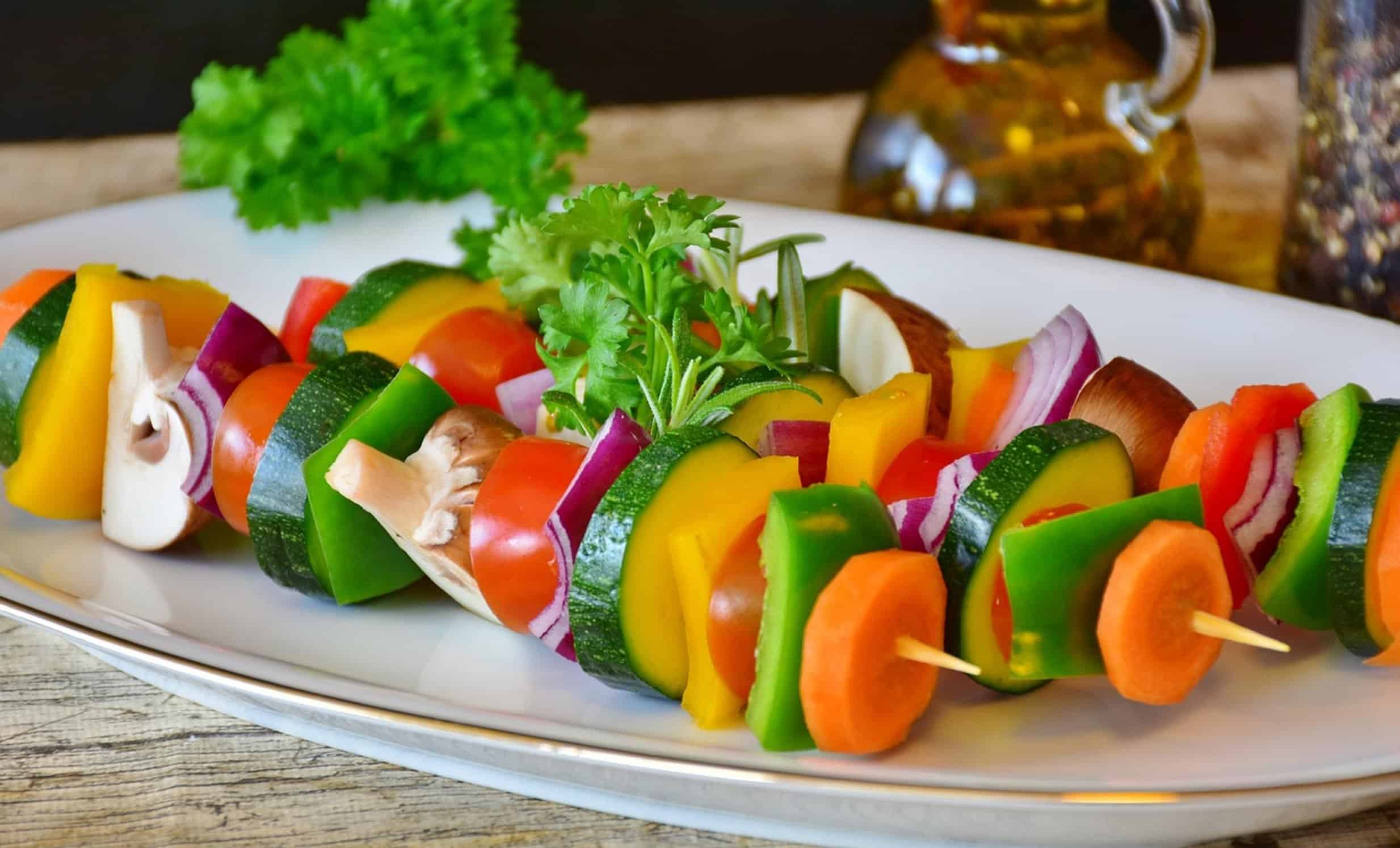
By replacing empty calories with nutrient-dense ones, you make diet seem more palatable, less punishing. The last variable is still portion control. You could of had the healthiest way of preparing catfish possible and still gain weight because you’re eating too much of it!
Because it’s so inexpensive and easily accessible, it’s tempting to dish up some big ol’ fillet and really feel like you got your money’s worth. Eating a smaller amount will help ensure that you don’t go overboard on overall consumption, and if you pair a reasonable portion of grilled catfish with a large quantity of vegetables, you’ll have a well-rounded meal. The veggies provides valuable fiber, which promotes better digestion and helps you stay full longer, key components in long-term weight maintenance.
Sure, catfish isn’t necessarily a fattening food… unless it’s deep fried in a bunch of grease, which makes it easy to do but realy has nothing to do with the catfish. Keep your portions small, as with any other food. Choose healthy preparation methods like steaming, grilling, or lightly pan searing.
This way, you can enjoy the satisfaction without sneaking in extra calories. The next time you purchase some catfish, avoid the fryer basket and go straight to the steamer or grill. Not only will your taste buds is satisfied, but your waistline will thank you.