New Orleans kitchen cooking demands patience, and if there’s one dish that proves it, it’s catfish étouffée. You can’t rush the roux, nor can you fake depth of slow-cooked flavors. To know this dish is to know how state cooks.
Because people are afraid of ruining the roux, many home cooks shy away from making étouffée, which is a reasonable fear. Burn your roux, start again; but that fear keep people from tasting a rewarding meal. But when cooked properly, you’ll find no need for dairy.
The consistency are creamy and thick. The flavor blend sweetness from onions and spice from cayenne to strike a balance. The catfish gently poaches in its own gravy until flaky and tender.
How to Make Authentic Catfish Etouffee
Understanding the Roux
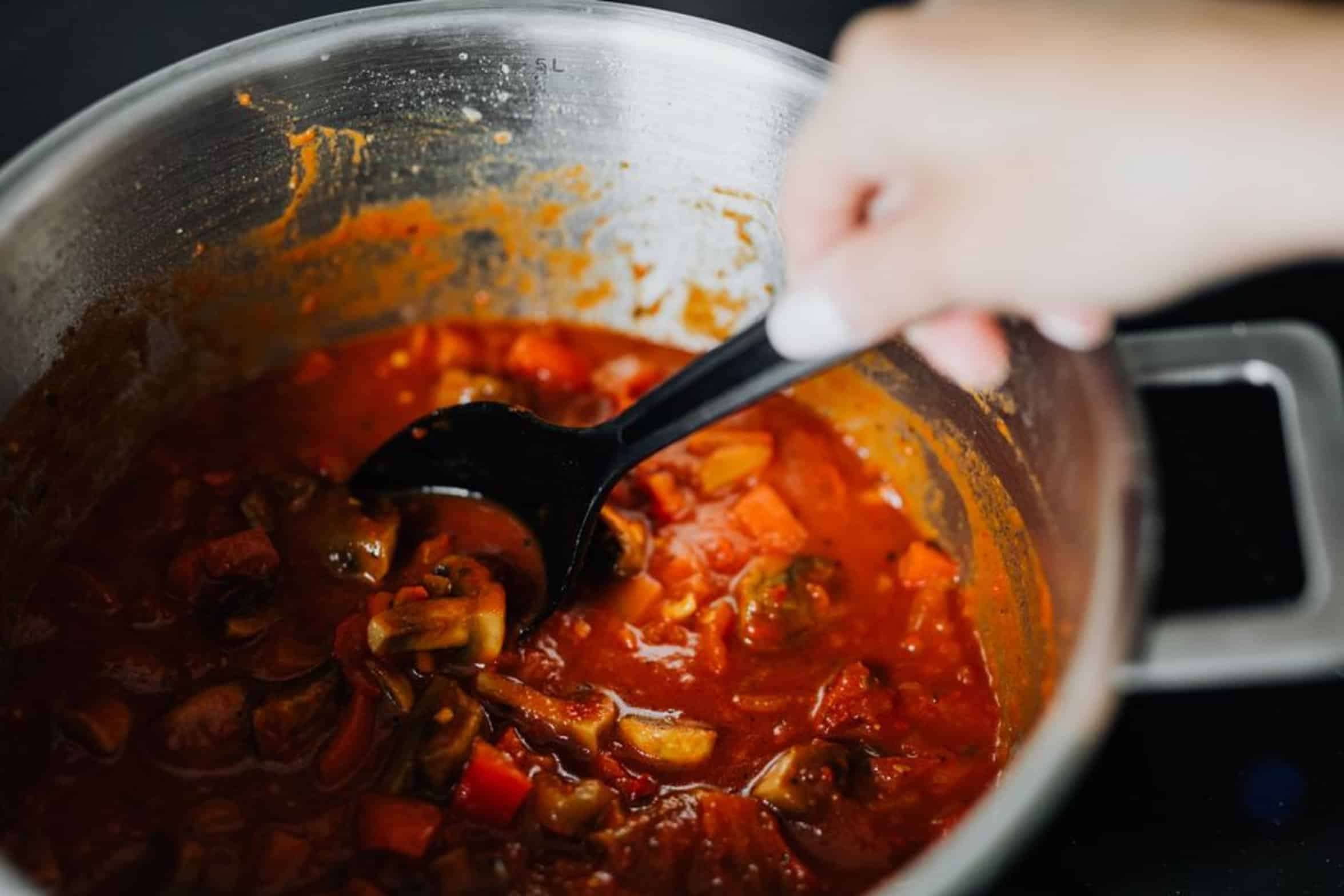
A good étouffée starts with a good roux. That’s a blend of fat and flour cooked over heat until it turn as dark as copper or peanut butter. You’re looking for a thickness like syrup that coats the back of spoon.
It should no longer has any trace of raw-flour flavor. It’s supposed to be nutty and deeper in flavour. While some recipes says to use vegetable oil, traditional cooks usually do a mix of butter and oil.
Butter give extra flavor, while oil have a higher smoke point; together they let you cook the roux longer before it scorches. Cooking the roux longer makes it darker and extracts more flavorful.
Sautéing the Holy Trinity
Then comes addition of the holy trinity, which is just a term for onions, bell peppers, and celery.
The amount of each ingredient matter; typically, you’ll use more onion than the other two, since the onion help cut the bitter edge of the dark roux while adding its own sweetness. Add some aromatics with the celery, and a hint of fruitiness from the bell pepper. Sauté them up till they’re all translucent and tender, building another level of flavour into the étouffée.
Rush this step or skip it altogether and your dish won’t have any oomph, the veggies should of have time to soften and melt together with the roux. Then you add the liquid. A good stock is required.
Creating the Gravy Base
Traditionally shrimp stock are used in many seafood étouffées, but catfish is just fine with chicken stock. And here’s the trick: pour the stock slowly while stirring vegetable and roux mix constantly with a whisk. This ensure no lumps form, and the roux will quickly thicken up the stock.
You want a nice rich, heavy gravy that feels like it could stand on its own if you turn your spoon upside down, yet still has some fluidity to stick to the fish. That’s what gives étouffée its thickness, separating it from more of a thin soup consistency, and it’ll cling to the rice.
Preparing the Catfish
The perfect protein for such a dish would be catfish; not too delicate as to fall apart in the simmer but also not so strong that its flavor overpower those of the vegetables or sauce.
If you prefer your own fresh fillets of catfish, great. Though frozen will do (thawed thoroughly) if necessary. Generously season the fish with pepper and salt.
Some folks sprinkle the flesh lightly with filé powder, which is ground sassafras leaves. This give the final product a slightly earthy note and makes it even thicker. Do not add it while simmering, only after, or it gets stringy.
Simmering and Serving
Finally, it’s easy: Place the floured, seasoned catfish fillets in the bubbling gravy. Don’t stir! Stirring break up the fish; what you want are whole fillet.
Cover and gently simmer over low heat for 10-15 minutes. What little heat that remains in the gravy will finish cooking the catfish but won’t make it tough. When it’s ready, it’ll be opaque and flake off easily with a fork.
Overcooking is the enemy here because dry fish ruin the dish. The moist insides are surrounded by the spicy goodness of the sauce, now THAT’S good eatin’. Serving catfish étouffée is a ritual that requires white rice to serve it on.
Ladle the fish and sauce over a steaming pile of white rice and let the rice absorbs some of the gravy. Sprinkle with parsley for color and take your first bite. Did you do it?
Is the sauce thick? Is it flavorful? Is the nutty flavor of the roux present or does it have a bitterness instead?
Is the dish balanced between the flavors of the trinity? If so, congratulations, you’ve mastered the technique of the dish. And that’s what the étouffée is about: mastering technique; learning how to wait patiently for that perfect roux.