Texture makes a perfect piece of pan fried fish: shattering crispiness outside, steaming hot and tender white meat within. Crunch and wetness together, this satisfies. But home cooks is intimidated by the task.
Catfish proves unexpectedly resilent. It stand up to both handling and heat more effectively then most fillet. So it’s the perfect subject for the one skillet treatment.
The one skillet treatment deliver maximum flavor with minimal cleaning up. It’s simple and I like simple. You don’t need gallons of oil and a deep fryer.
You just need a heavy skillet, some dry ingredients, and patience. We want to cook the center gently and at the same time save the flesh by creating a crust that will keep it moist. There are traps for those who aren’t careful, though.
Don’t skip the drying step and don’t crowd your pan. These details makes the difference between a good meal and restaurant quality. Moisture control is foundation for the crust.
The Complete Guide To Pan Frying Catfish
Why Catfish Is Ideal for Pan Frying
When catfish fillet are delivered to your door, they tend to have a slick layer of water across the top. If you sprinkle a wet fillet with cornmeal, it slips right into the hot oil. This leave you with a gooey disaster in the bottom of the pan.
Drying and Coating the Fish
To avoid this fate, simply pat the fillet dry with some paper towels. Pay special attention to crevices. Dry fish makes all the difference.
The coating clings better. Dry fish also fries better. Let this dry.
When the top is dry, dust lightly with flour. This will be your binder. Seasoned cornmeal binds nicely to the protein.
Toss the fish into a shallow bowl of flour to coat lightly, shaking off any excess. Don’t make a big fluffy cloud; just a thin coating all over is what you’re looking for. Next, transfer to the seasoned cornmeal.
For an authentic Southern profile, I use a combination of yellow cornmeal, salt, cayenne and white pepper. The seasonings gives flavor, and the cornmeal give texture. Gently press the coating into place on the fish so it adheres.
Choosing the Right Skillet and Oil
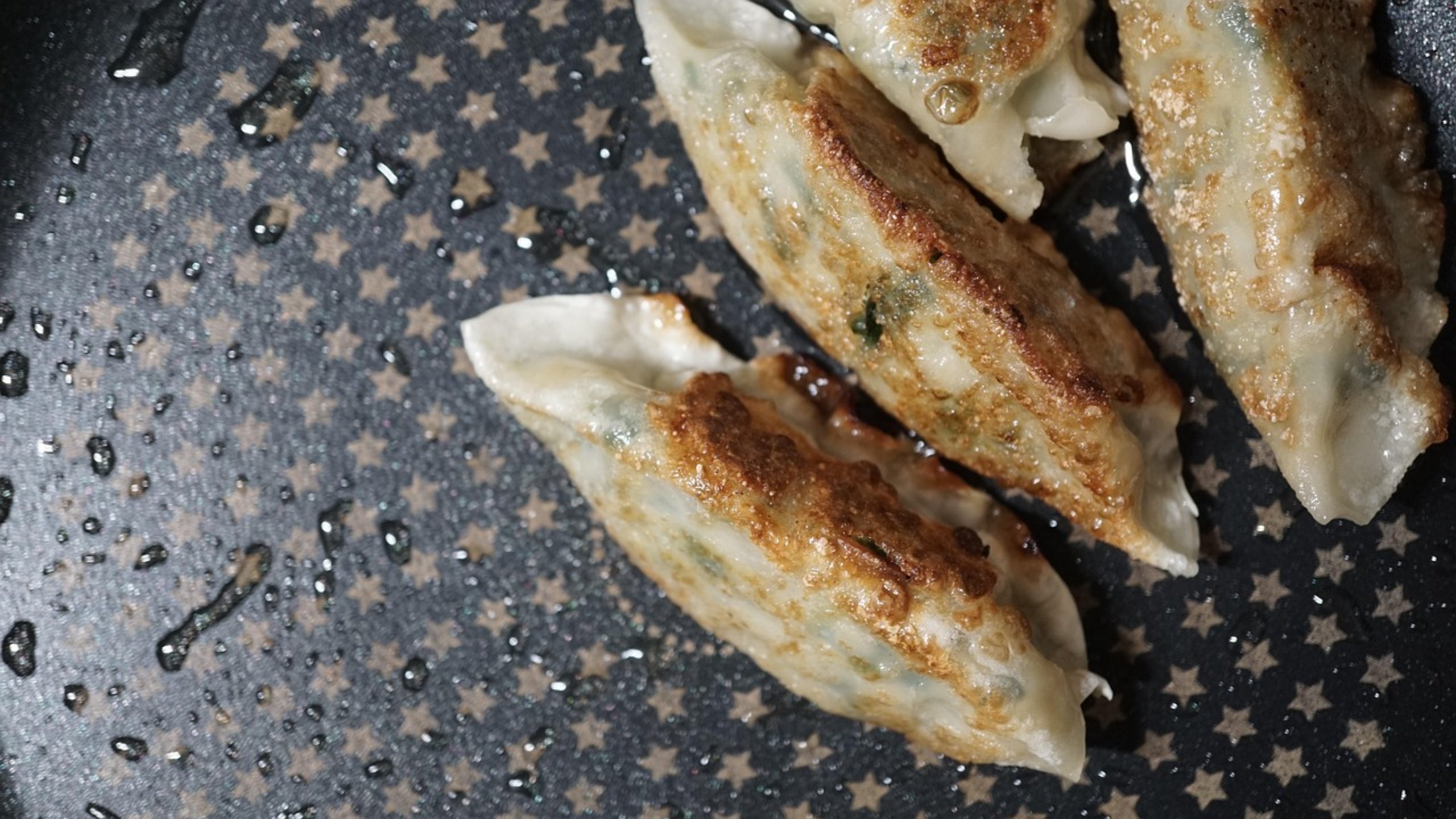
Cast iron is best pan for the job. Because the pan is heavy, it holds on to the heat so that you don’t lose any precious temperature when you plop in the cold fish. Heavy-bottom stainless steel will do, as well.
Avoid thin aluminum pans, which has a tendency to get hot-spots and cool off rapidly. Heat up your oil over medium-high heat. You want it to shimmer, but not smoke.
Frying Techniques for the Perfect Crust
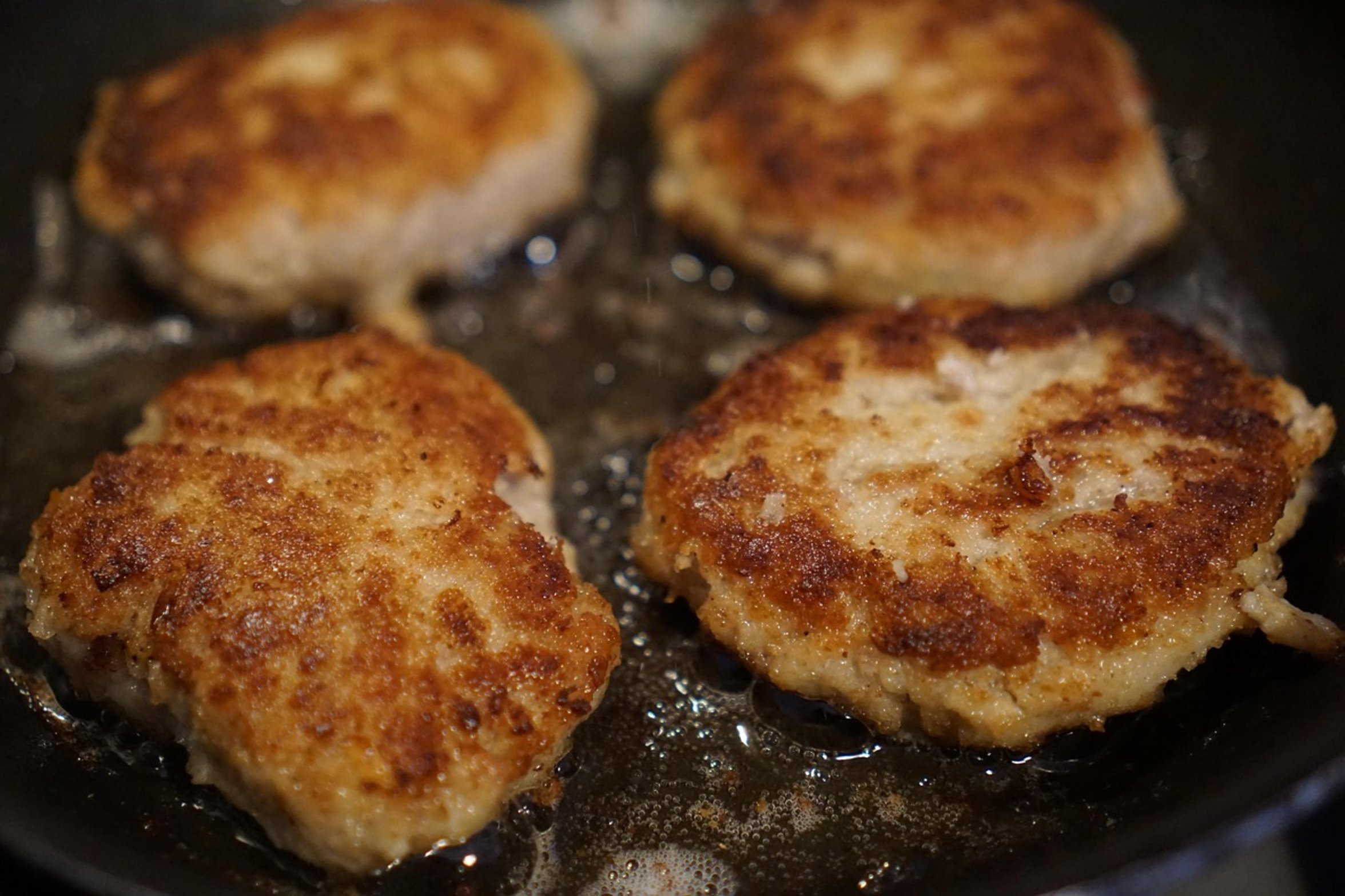
Too-hot oil will cause the cornmeal to burn before the fish is cooked through; too-cool oil will soak into the coating rather than crisp it. Lay the fillets in the pan, skin side down if your fillet has skin on it. Be sure to leave space between each fillet as crowding the pan will lower the temp.
You want each piece to have plenty of room so it fries instead of steaming; no crust with steamed fish. Don’t be tempted to fiddle with them. Leave them alone and let them sear for three or four minutes.
They’ll release from the pan when they’re ready; resist the temptation to pry one loose before its time. It will tear and stick to the pan. Only flip the fish one time, Each time you move the fish around you’re messing up its crust.
Checking Doneness and Serving
Let it sit for three to four more minutes after being flipped. The goal is to get the inside of the fish to an internal temperature of 145 degrees Fahrenheit. Test by flaking a small portion off using your fork.
When it flakes apart easily and is white all the way through, it’s ready. If it is still see-through, let it cook a bit longer (another minute). Once it gets overcooked, the fish will be dry.
After cooking, place the fish on a plate lined with paper towels or a wire rack so that any excess oil can drain off but not steam the bottom of the fish. The last step is serving. To my mind, lemon wedges must be served with it.
That acidity helps cut the richness of that fried crust. Tartar sauce or a simple remoulade adds interest, but truth to tell, the fish holds up on its own here. It should crackle when you bite into it; if so, you’re there.
This is one dish where technique beats ingredients. Don’t waste your money on the most expensive cuts of fish. Just show some respect for the timing, the heat, and the coating.
Cleanup and Storage Tips
It is a one-pan cleanup. Simply wipe the cooled skillet clean with a paper towel. If you avoid letting the cornmeal burn, it wipes out cleanly.
Any leftover oil can be stored in a jar after filtering through a coffee filter for small particles of crust. It saves time and effort. What could of been a mess becomes a more streamlined process.
It is less hassle and has all the flavor of deep-fried catfish. Special equipment isn’t required to make food that’s impressive; just look at the one-skillet method. Cooking involves knowing how things work.
Moisture, heat, time, those are the elements we have control over. Get good with them, and the rest, like the catfish, will take care of itself. When you’re in the mood for something comforting and crispy, reach for catfish.
Coat it up real nice, pat it bone-dry, and let it cook in the pan. What you’ll end up with is a dish that doesn’t require much effort but certainly gives off an impression of luxurius.