You know that catfish frying moment has arrived when kitchen gets tight. When the catfish enters into hot oil, you witness it all come together in a split second. What was once smell of raw pond water transforms into a golden, savory aroma.
You want it tender on the inside and a bit crispy on the outside. It all depends on timing and watching closely. Cook it too soon and it’ll be a soggy mess; it falls apart.
Cook it to long and the fish becomes chewy rubber, no one wants that. The minute it hit the pan, the time begins to tick away. But true timer is your eyes and nose.
That’s why people seek out one magic number. Three minutes on one side, three on the other. Sounds nice and clean.
Key Tips For Frying Catfish Perfectly
The Myth of Fixed Cooking Times
But it doesn’t account for what happens when you’re cooking catfish in your kitchen. Your oil will be at different temperatures. Your fish will vary widely in thickness.
Depending on what kind of coating you apply, heat move differently through it. Before you rely on time, you have to know those factors. Cooking isn’t about staring at the stove.
It’s about reading your food. Thickness is really the number one thing that determines length of cooking time. Most catfish fillets bought from the store are roughly 1/2 inch thick.
Adjusting for Fillet Thickness
This happens to be the best thickness for pan fried catfish. For that size of fillet, you’re looking at about four to five minutes total with flipping halfway through. The thickest cuts (larger portions off a whole fish, or steak) requires additional time.
This is because it takes longer for the inside of the meat to cook when there is more distance from the heat. Conversely, thinner strips will take less time. It might only take two or three minutes total.
Go by what’s in your hand and adjust accordingally. As important as time is oil temperature. For best results, use oil at 350 to 375 degrees Fahrenheit.
Maintaining Ideal Oil Temperature
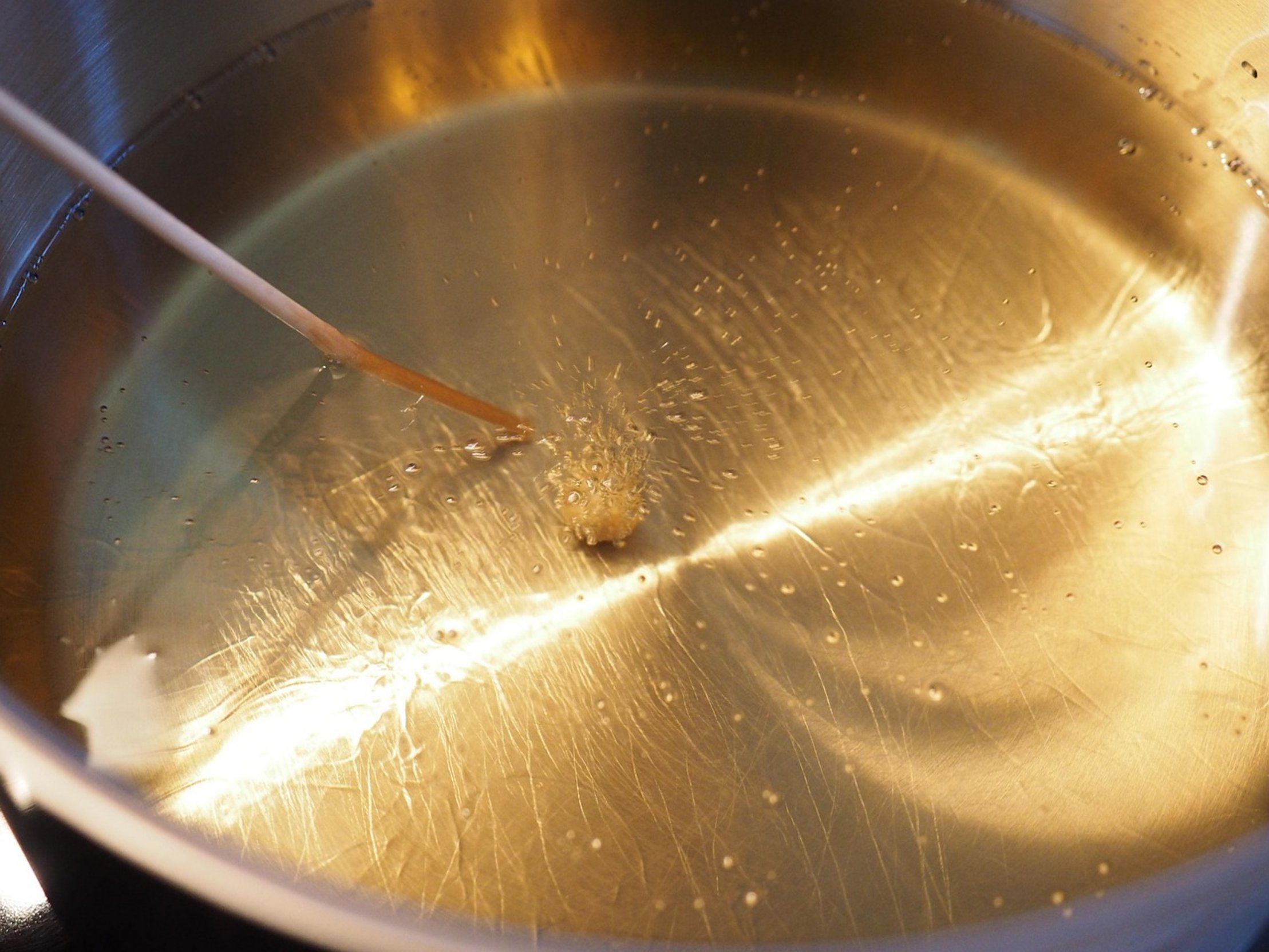
It should be hot enough to crisp the coating fast but not so hot that it burns the outside and doesn’t cook the inside. If the oil is too cool, the breading soaks up the grease like a sponge and you’ll have an oily, heavy fish. Too hot and the coating goes dark brown in a flash while the inside are still raw.
A thermometer is a big help here, taking all the guesswork out of the heat. You can purchase cheap (but great) clip-on thermometers that are ideal for this purpose. Coating matters.
Impact of Coating Type on Cooking
A light batter cooks faster than a heavy one. Similarly, a thin dusting of flour cook faster than a heavy coating of cornmeal. The fish cooks quicker when there is less between it and the heat source.
Flour forms a thin, crispy coating that seals fast against the pan, allowing the heat to come into contact with the fish immediately. A heavy batter or thicker cornmeal crust will insulate the fish from the heat, which means it’ll take longer for it to penetrate the thicker coating and cook through. An additional minute or two with a heavy batter can be worth it, but texture won’t be the same.
Flour provides a thinner, more delicate “paper” like crust while batters provides a crunchier shell that holds up better over time. Use the coating that fits the texture you’re after, and go from there. Don’t just go by a timer, either.
Visual Cues for Doneness
Go by color. Your best bet for determining doneness is looking at edge of the fillet. The coating should have a deep golden brown color.
The edges of the fish will turn from see-through clear to white and opaque, indicating it’s time to flip. It is not dark brown. It is not pale yellow.
Golden. When you turn the fish, it won’t take as long since the center are already warm. You typically only want about half the cooking time again on the second side.
So if you cooked the first side for 3 minutes, then you’d probably only want to cook the other side for about 90 seconds. Look at it, trust your eyes. Lastly, how will you know when your fish is done?
Checking Internal Temperature
It’s opaque all the way through (no more translucent spots in the middle) and flakes easily with a fork. If you’re uncertain, cut into the thickest section; it should be piping hot in the middle. Use an instant-read thermometer, if you have one, for best results: Fish must reach at least 145 degrees Fahrenheit to be considered safe by the USDA.
This means it will be completely cooked, and you don’t want to cook it more than necessary to get rid of any bacteria. Once you hit that number, stop; overcooking just dries it out. When frying catfish, there are no exact rules, only some observations.
Mastering the Fry by Observation
The four-to-five minute rule, for example, applies to normal-sized fillet lightly coated and fried in hot oil. It’s a place to begin, but not a rule that applies to everyone. Conditions in your kitchen will differ.
These include the temperature of the oil and the brand of oil. The freshness of the fish and the humidity in the air also matter. The true mark of a good cook is learning to look at the color and hear the sizzle; adjusting on the fly.
Each batch gets you better at it, and ultimately the fish lets you know when it’s ready. Listen…start with the time guidelines but keep your eye on the pan. Paying attention to detail leads to a golden crust.
You should of tried this earlier.