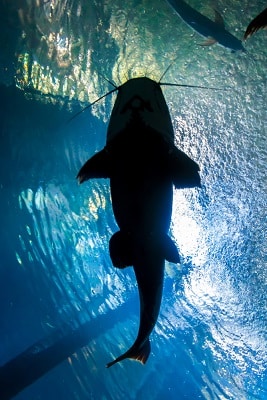
The mental weight of Friday night is typicaly heavy. After sitting in meetings and responding to email all week long, the final thing you want to do when six o’clock rolls around is stand in front of a hot stove for an hour. But at the same time, you don’t want it to be quick just for the sake of being quick; you want it to feel like a legitimite meal.
That tug-of-war between desire and satisfaction are what makes catfish fry worth adding to your regular rotation. There’s nothing fancy about this dish, and I think that makes it beautiful. Catfish is a forgiving fish.
Mild and accepting of bold seasonings, it doesn’t fight back. It is tender enough to melt in your mouth yet firm enough to stay together when fried. Fry it right and you’ll have a crispy outside with juicy, flaky inside.
Sounds indulgent. It really isn’t. The work itself are surprisingly low.
How To Make Easy Crispy Catfish Fry
Why Catfish Fry is the Perfect Friday Dinner
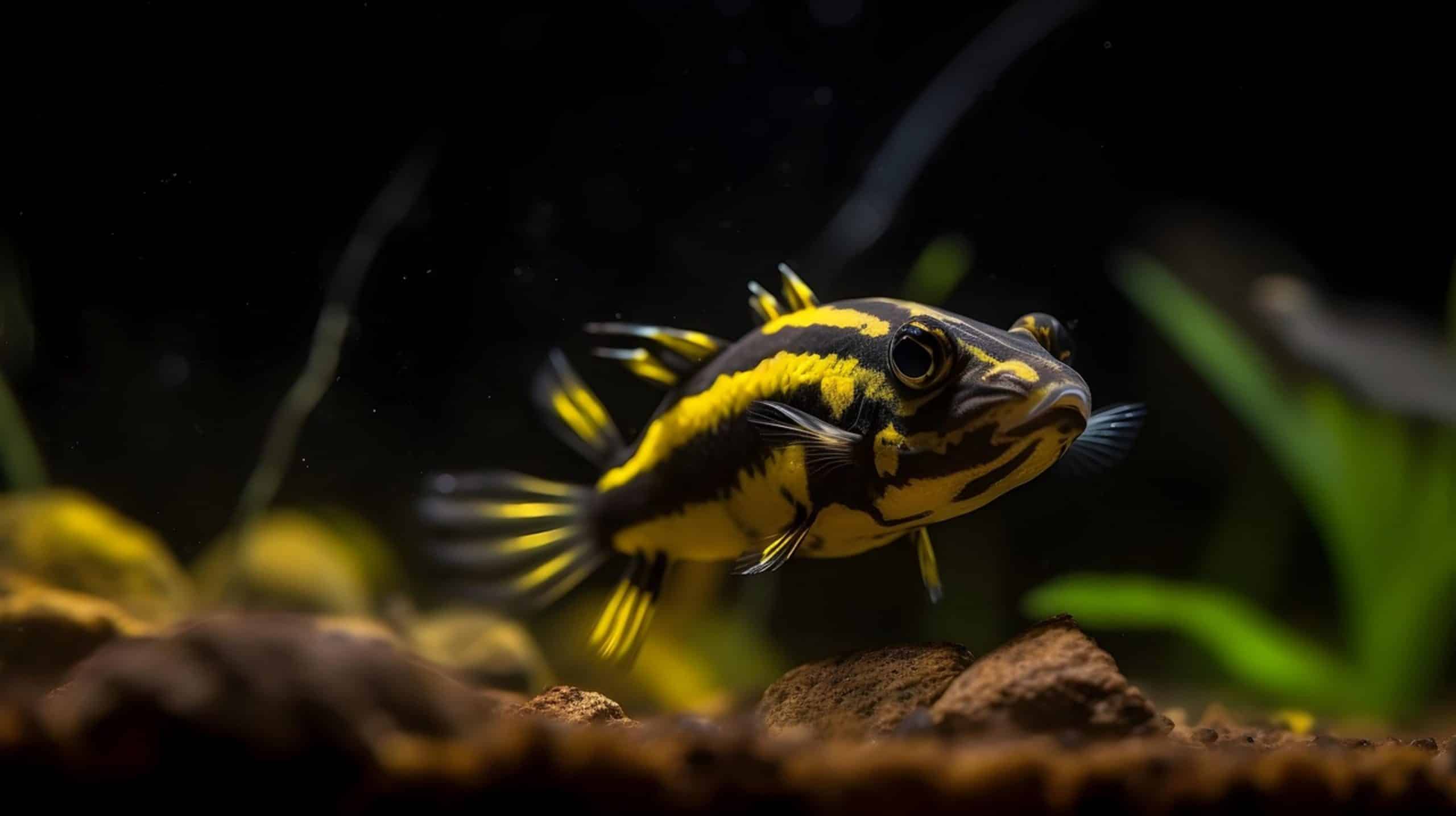
Frying fish is something most folks think of as time consuming and a kitchen disaster. It’s a myth that stems from over-complicated recipes or simply getting into bad habits. No, no breading three times; no, don’t let it sit in a marinade overnight.
Instead, learn how to manage moisture and heat. Get those two thing right and then it’s all about the timer. While there are a variety of recipes you can use to make your own homemade catfish fry, the type of cut of fish you choose is far more important than which recipe you prepare it with.
Choosing and Preparing the Fish
Fresh or properly frozen catfish fillets works best. It is best if they are cut up into bite-sized pieces, which are frequently called nuggets or catfish fry. Make sure all the pieces is similar in size.
If you add some big hunk and some tiny scraps, the little guys will be burnt by the time the big guys gets done cooking. You want consistent size so everything cook evenly and every bite is perfect. Pre-cut fillets is available at most grocery stores, but cutting your own from whole fillets give you better control over the thickness.
Creating the Perfect Batter
What about the batter? That’s where the taste comes from, but it doesn’t have to be complicated. The best batter is as simple as all-purpose flour plus cornmeal.
All-purpose gives the coating some lightness and help it stick to the fish. Cornmeal gives just enough sweetness and has a nice crunch against earthy catfish. Generously season your dry ingredients with black pepper, salt, and a dash of cayenne (if desired).
Baking powder is an optional ingredient added by some cook. It will create small air pockets in the batter that allow it to get even crispier. It doesn’t make much of a difference taste-wise, but does make it extra crispy.
Mastering the Dredging Technique
The secret weapon that most home cooks forget about are dredging technique. Tossing the fish into the bowl and hoping for the best won’t cut it. Firmly press the batter onto the fish.
Doing this allow the coating to stay on while frying. Too-thin batter will burn; too-thick batter will slide off. To help bind everything together, dip the fish in an egg wash prior to dry mix.
The reason for this is simple, it adds moisture to the surface which give the dry ingredients something to grab onto. It sounds like extra work, but it takes less than a minute per batch.
Controlling Oil Temperature and Frying
The biggest variable of all in your kitchen: Oil temperature.
Between three hundred fifty and three hundred seventy-five degrees Fahrenheit. A thermometer is not negotiable. No guessing by what it looks like.
Because you will either have burned, bitter crusts or greasy, soggy fish. The oil need to stay within this range. Otherwise, you cannot get the outside crisp and golden without burning it or having the inside burn before it is cooked through.
It is also important to use a high smoking-point neutral oil like peanut oil, canola or vegetable oil. Don’t let the oil temp drop: If you throw too many cold fish into the hot oil, it will cause the temp of the oil to drop quickly, resulting in uneven cooking and a greasy finish. Only cook enough to form a single layer (no crowding!
Lay them out in the pan); don’t let them touch. If you overcrowd your frying pan, steam gets trapped and softens the crust. Be patient here: Cook one batch completely before starting another.
While waiting for your final batch, keep cooked items warm in a low oven so that everything is still nice and crispy when you are ready to eat.
Serving Suggestions for Fried Catfish
There are countless serving suggestions, but go simple. To cut the richness of the fried batter, just add a squirt of fresh lemon juice.
Creamy tartar sauce contrast nicely with all the crunch, balancing things out. Hushpuppies and coleslaw is classic accompaniments to fried fish for good reason. They don’t compete with the fish but complement it.
The slaw’s acidity helps cleanse your palate so you can enjoy the same fresh flavor from the first bite of fish to the last. Ready in less than half an hour, it’s a full-on meal that makes you feel like celebrating. It’s a meal that hits the right notes with no unnecessary fanfare or complicated cooking, just good fish, simple batter and controlled heat.
It’s the kind of dish that tastes special but doesn’t require special effort. This is food that lets you have your Friday back without losing any of the enjoyment in what you eat. So the next time you’re in the kitchen, stumped on what to prepare for dinner, keep this recipe handy.
Catfish fry is an option that won’t disappoint when you need to wrap up the week feeling good about yourself. It’s not difficult to prepare by any means, yet it’ll be memorable, too. A little bit of fried food, a lot of flavor, it really can’t go wrong.
Try it out, and perhaps you’ll have yourself a new Friday staple.