There’s something about standing before the seafood case that makes you shudder. You’re hankering for some old-fashioned fried catfish or maybe a blackened dish, but all you see is similarities. There are silver-skinned fillet on one tray.
There are pale ones with an odor of ammonia on another. Breaded sticks on a third. What to choose?
It is not just based off price. How was this fish handled? Where did it come from?
Buying fresh catfish is all about flavor, texture, and safety. If you’re not using good quality fish, it doesn’t matter how great a cook you are. Good catfish are mild and tender.
Species, source and looks all plays a part. With time, you’ll know what to look for in a good piece of fish. No more wasted money on nasty fillets.
And you get to enjoy the real flavor of the catch. First thing to keep in mind is what kind of catfish. Read the label.
Key Tips for Buying Fresh Catfish
Know Your Catfish Species
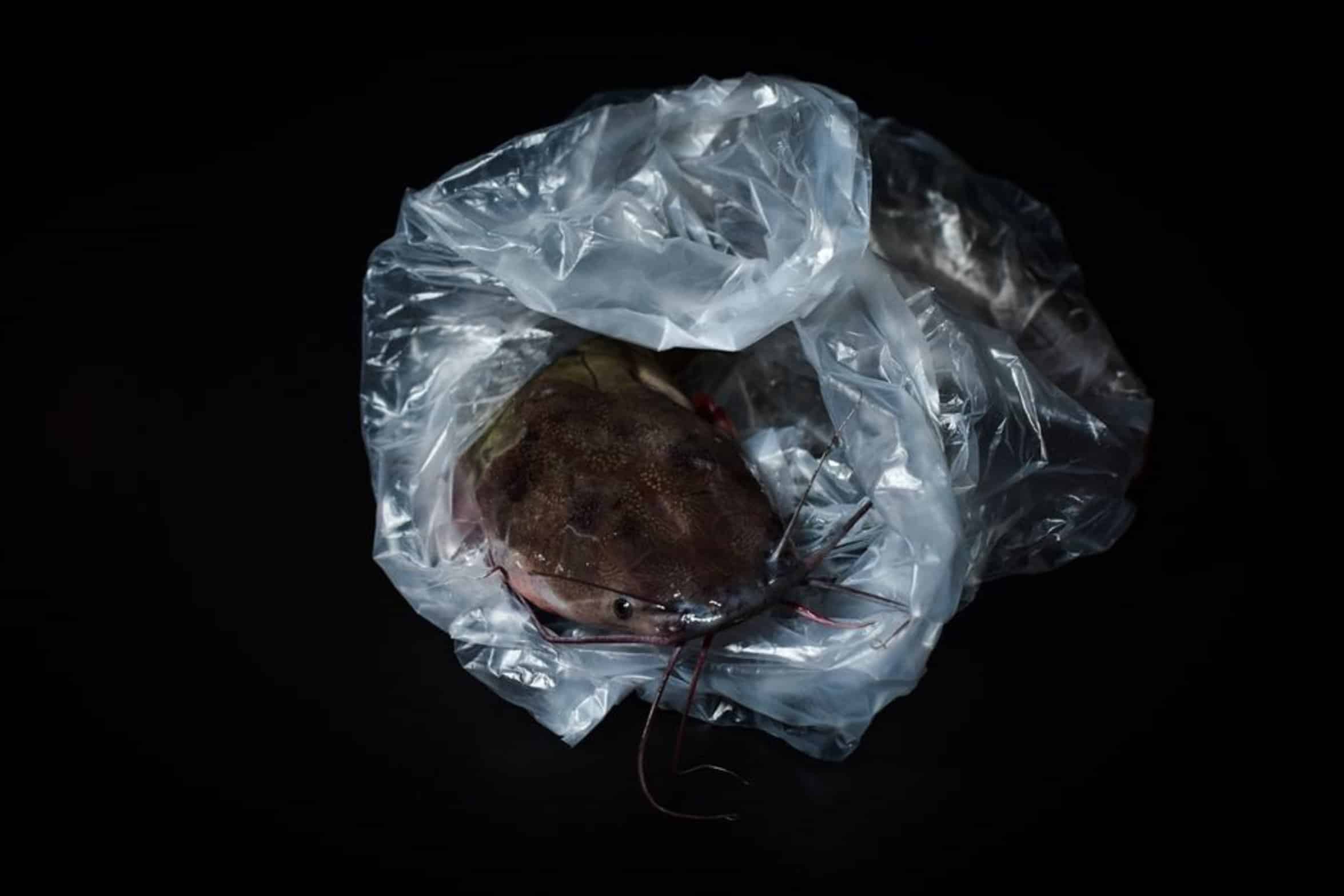
Beyond knowing whether it’s domestic or imported, which the label typically tells you, there’s more. If it says channel catfish, it’s popular at supermarkets throughout America. It’s mild-flavored, with a firm texture that pair well with big flavors like spice.
If it’s blue catfish, that means it’s larger (meatier) and suited for either grill or smoke. Swai is typically imported and labeled simply that way, coming from farm-raised fish in Southeast Asia; the meat will be softer. By knowing the type of catfish, you can know what to expect from the meal.
Check the Origin and Source
Catfish come from catfish country. Catfish raised in states such as Arkansas, Alabama, and Mississippi are heavily regulated and the fish are raised domestically. They produce a cleaner tasting fish with less contaminant.
While imported catfish might save you some money, there’s no guarantee of transparency along the supply chain. Look for labels that identify their origin. Farmed catfish in the U.S. Is your best bet.
Yes, not always cheap, but typically consistent. Is the fillet fresh? Check your fillets for moisture level: A wet fillet isn’t good, but a moist one indicates freshness.
Inspect Freshness and Texture
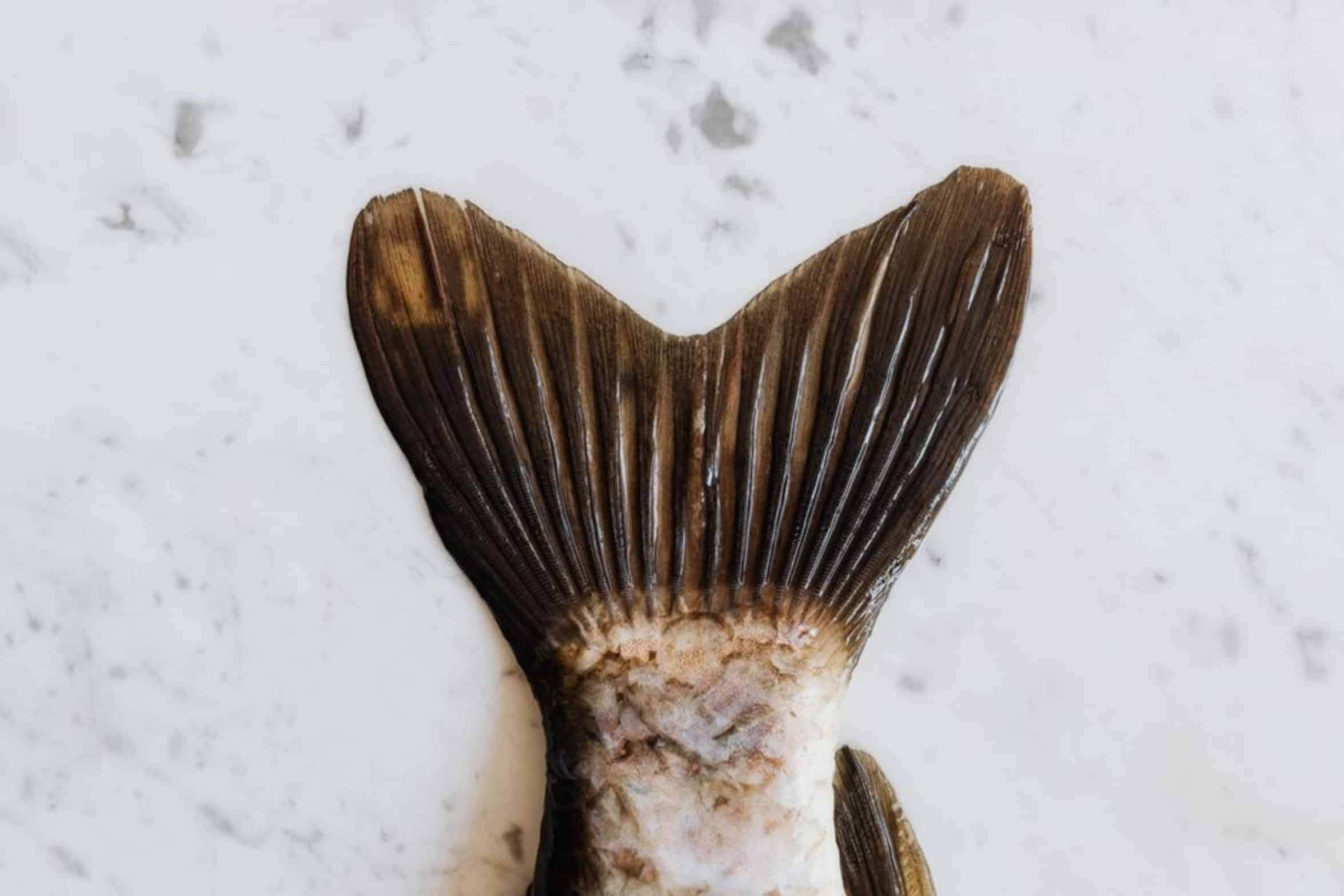
Press on the flesh; if it spring back, it’s still good. An indention in the fillet mean it’s probably old. Look at the color: It should appear white (or slight pinkish).
Gray or dull looking fillets is bruised or oxidized. Ice should be clear/clean. If it’s cloudy, it was exposed to temp changes and spoil faster.
Use Your Sense of Smell
When you get to the seafood counter be sure to use your sense of smell. Catfish that’s fresh have a clean smell. It may smell either neutral or sweet, but it shouldn’t ever smell sour.
If the fish smells like ammonia it’s already too late. Herbs and lemon can covers up the smell but don’t let them fool you. Sniff the actualy fish.
If it doesn’t smell right, then don’t waste your money on it. Your nose will know more then the price tag. Pay attention to the bones and the skin.
Examine Skin and Bones
Are they glossy? Is the skin intact if you are buying it with the skin on? Rough handling show up in torn skin.
Are there any pin bone present? Most bones should of been pulled from high quality pieces of fish. Run your finger down the flesh.
Feel for spikes. The more you feel, the more time you’ll spend picking them out. It’s a minor hassle but makes a difference when eating them.
Consider the frozen stuff. Much of the flash-frozen fish is actualy better quality because it’s frozen when it is freshest. Look for IQF, or individually quick frozen, fillet.
Consider Frozen Options
These are quickly frozen to keep the texture. If they’re too slowly frozen, large ice crystals will damage the cell structure and result in mushy texture. Avoid packages containing any sign of freezer burn or build-up of frost.
That mean the pack is compromised. Those white spots mean no bueno. In certain situations, a solid block of frozen catfish are often much better than fresh fillets.
It’s all about relying on your nose, hands and eyes when purchasing quality catfish. First, there is the species. Then where did it come from?
Is the flesh firm or soft? Does it smell funny? If you don’t like what you see or smell, then you pass.
But there are other bags in that freezer. There is also another vendor. Quality fish is a starting point for cooking with confidence.
Pick the right fillet and everything else fall into place. That next catfish dinner will taste great.