For most home cooks, though, catfish is a blank canvas, one they heavily paint with blackening spice. The fillet gets a dunk in buttermilk, then another one in the blackening, before it are fried until it is almost as hard as wood. More often than not, you lose the fish entirely as seasoning becomes the meal’s primary focus.
It is lazy. It is unnecessary. Catfish is meaty, firm yet never turns to mush during preparation; its mild sweetness doesn’t require masking.
It require highlighting. The issue is that the word fishy scares a lot of folks. They think if they eat some sort of bottom feeder from fresh water system that their meal will taste like muck on the bottom.
So they go to all sorts of lengths to mask that flavor because they’re terrified of it. But truth be told, freshly caught and filleted catfish is subtle and tender. If seasoned well and cooked correctly, you want something that complements that sweet flavor instead of overpowering it.
Best Spices to Season Catfish Properly
Understanding Catfish Flavor Profile
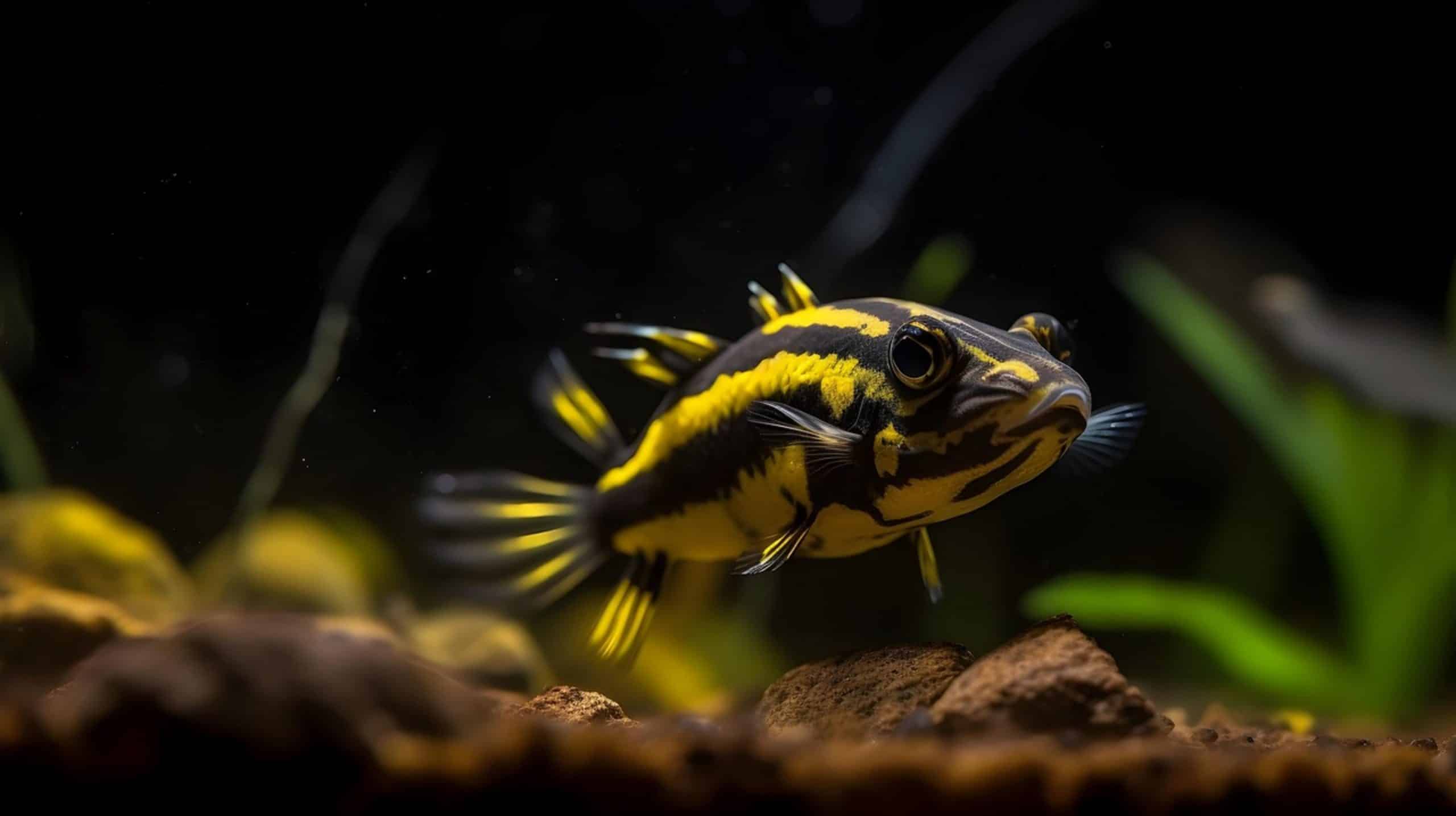
Seasonings should be like frame around the portrait, not the curtain obscuring it. Understand your chemistry. The selection of spices comes down to how the fish will be cooked and what its makeup is.
There’s no such thing as simply sprinkling some powder on top of some protein. What you’re doing is creating layers of flavors that work with heat. If something is going to be baked, fried, grilled etc., change up the spice profile just a little bit to match texture.
No need for any sort of strict recipe here. Just know which tool does the job. Now let’s look at the basics, which are more important than you realize.
Building a Spice Base with Salt and Pepper
Black pepper and salt form the base for all good dishes. The salt starts by drawing moisture out of the fish. Once the salt has dissolved and been absorbed again, it brings in minerals that improve the savoury flavours of the fish.
The pepper provide a subtle warmth and aroma that counters inherent fattiness of the catfish. Be generous with the salt. This is perhaps the most frequent error made by home cooks…
Under-salting food. Taste your food at the first mouthful: if you can’t taste the salt, nothing else will shine through. Next up are garlic and onion powder.
Adding Depth with Garlic Onion and Paprika
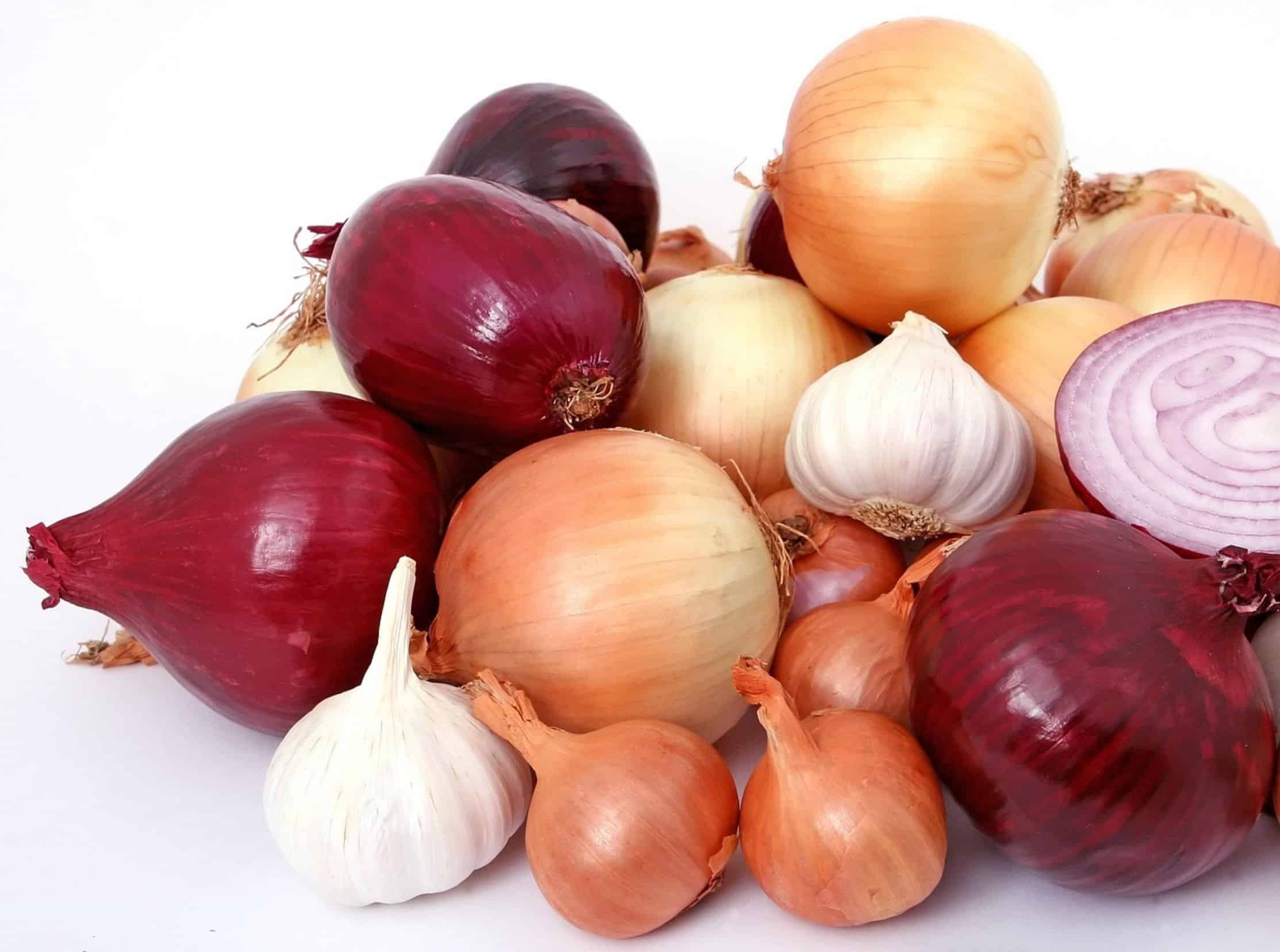
Since we’re going to be working with such high heat, flavors of these dried aromatics give us a savory backbone that is often lacking in fresh herbs alone. Fresh garlic will burn quickly, and can becomes bitter within a few seconds. The powdered forms help spread their flavor throughout surface area of your fillet.
The result is an additional layer of pungency (and a bit of sweetness) that complements the mild meat’s profile. Use generously, though remember they pack a punch. Use paprika to add a little sweetness and color.
Addition of sweet paprika brings forward a mildly earthy flavor and beautiful red tint. If you opt for smoked paprika, it lends a depth of complexity similar to grilled flavor, without drowning out the inherent qualities of fish. The smoke component also plays nicely with the fish’s river-borne roots.
Balancing Heat and Acid with Cayenne and Lemon

Want some heat? Add cayenne pepper, but use it lightly. Catfish is finicky, and you’ll singe your tongue long before you get a chance to savor the spice combo’s nuances.
The tartness provided by lemon adds much needed acid to the dish. Acid cuts richness found in the butter or oil you cook with. It brightens the dish and lightens up heavy flavours.
It also cleanses your palate and makes fish feel fresher and more clean on your tongue. You cannot go wrong with a squirt of fresh lemon right before serving. The fresh lemon contrasts the savoury spices while waking up your taste buds.
Finishing with Fresh Herbs and Garnish
Don’t skip this, don’t rush this. It’s why entire profile comes together. To finish freshening it up, add a few snips of chives, parsley, and other herbs such as thyme.
You should of toss them on top or stir them in near the very end of cooking. Because these are delicate tastes, adding too soon will only cook away those flavors. The parsley, chopped, brings a bright, grassy freshness that’s refreshing without dominating.
Thyme lends a bit of earthiness with a slightly floral undertone, which connects back to the paprika. Together they round out the dish with sense of care and completion. They also tell the eater this is more than heat applied; someone has cared.
Choosing the Right Method for Dry Rubs vs Wet Marinades
And lastly, think about how you plan on cooking the fish when deciding on your spice combination. If you’re going to smoke or grill the fish, then dry rubs are superior because the spices will stick to the meat’s surface and develop a nice crust. For pan-searing or baked fish, wet marinades with acid and oil is more suitable as they’ll soak into the fish flesh while also helping to tenderize it.
There isn’t one magical combination that works in all circumstances. Just adjust accordingly based off the preparation style. It’s all about highlighting the flavor of the catfish.
Once you support the flavor rather than fight against it, there is no denying what happens. You end up with a dish that tastes like what it is: a fish. And shouldn’t it taste just like a fish?