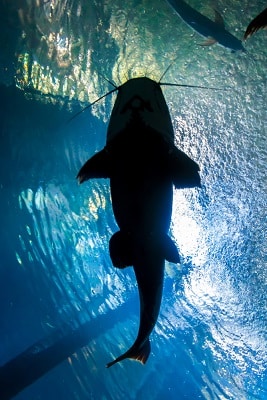
There’s something about the scent of fried fish. Seasoned in flour and ready for frying. That beckon you into the kitchen.
Before it even gets to the table, you know it by its smell; it takes you back, no matter where you might have been. For many folks, southern fried catfish isn’t just a dish, it’s a time machine, returning them to their own humid afternoons, under the quiet authority of a grandmother who understood how to make plain things taste good. This isn’t about complexity; this is about understanding the mechanics of texture and heat.
Get it wrong, and it will never be right. There are lots of people who believes all you have to do is throw some fish in flour and drop them in hot fat. Instead, what they get are greasy and soggy.
The gap between that and perfection is smaller then you might think. It’s just one small step away from crispy perfection. How do you make that happen?
First off, it’s about the ingredients and getting the proper balance of leavening and starch. Secondly, it’s the right temperature. Third is preparation.
Fortunately for us home cooks, we don’t need a restaurant kitchen, though we do need to know why each part works. We’re after a crunchy shell that break apart at the first crunch, exposing flaky white meat studded with flavor from the spices and the river itself. This recipe hinges on quality of your fish.
Step By Step Guide To Perfect Fried Catfish
The Importance of Moisture Control
Ideally, use fresh catfish. If using frozen fillets, just be sure to treat ‘em right. The cardinal sin is not removing excess moisture from the fillet.
Because water is heavy and will form steam upon contact with hot oil, it’s impossible to get a crispy crust. When that happens, the crust becomes all soggy and loose, turning your attempt at a crunchy coating into nothing more than a slimy mess. Before applying any flour, pat your fish fillets down with a few paper towels until they’re slightly tacky to the touch.
You want a totally blank canvas, no trace of moisture allowed! This step takes thirty seconds, but this one simple move can make or break the finished product. Texture is achieved in the coating mixture itself, which couldn’t be easier.
Choosing the Right Coating Ingredients
For classic Southern-style fried catfish, there’s no need for a complex tempura batter. The standard coating are a combination of cornmeal and all-purpose flour. Cornmeal gives grit and crunch; flour lends structure and tenderness.
Seasoning the Breading Mixture
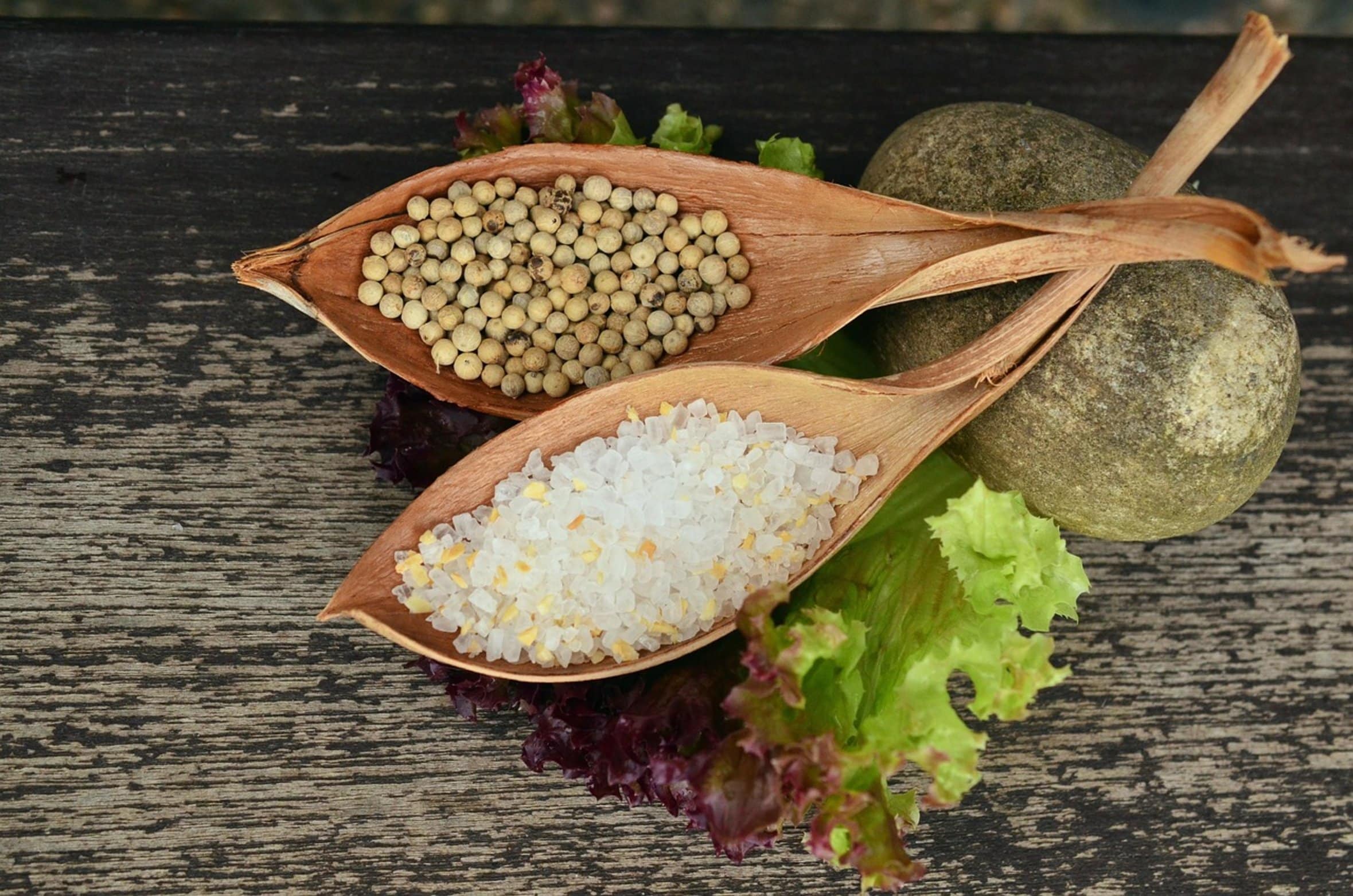
Add garlic powder, salt and black pepper to a bowl, then mix together. Some recipes include paprika for color; fine, but don’t go overboard or you’ll be tasting the spice more than the fish. It’s important that your flour gets seasoned.
Adding salt at this point would of defeat the purpose. You need to build flavor into the layers of your crust, not just after frying. The secret weapon of every good fry cook is temperature control.
Maintaining Oil Temperature
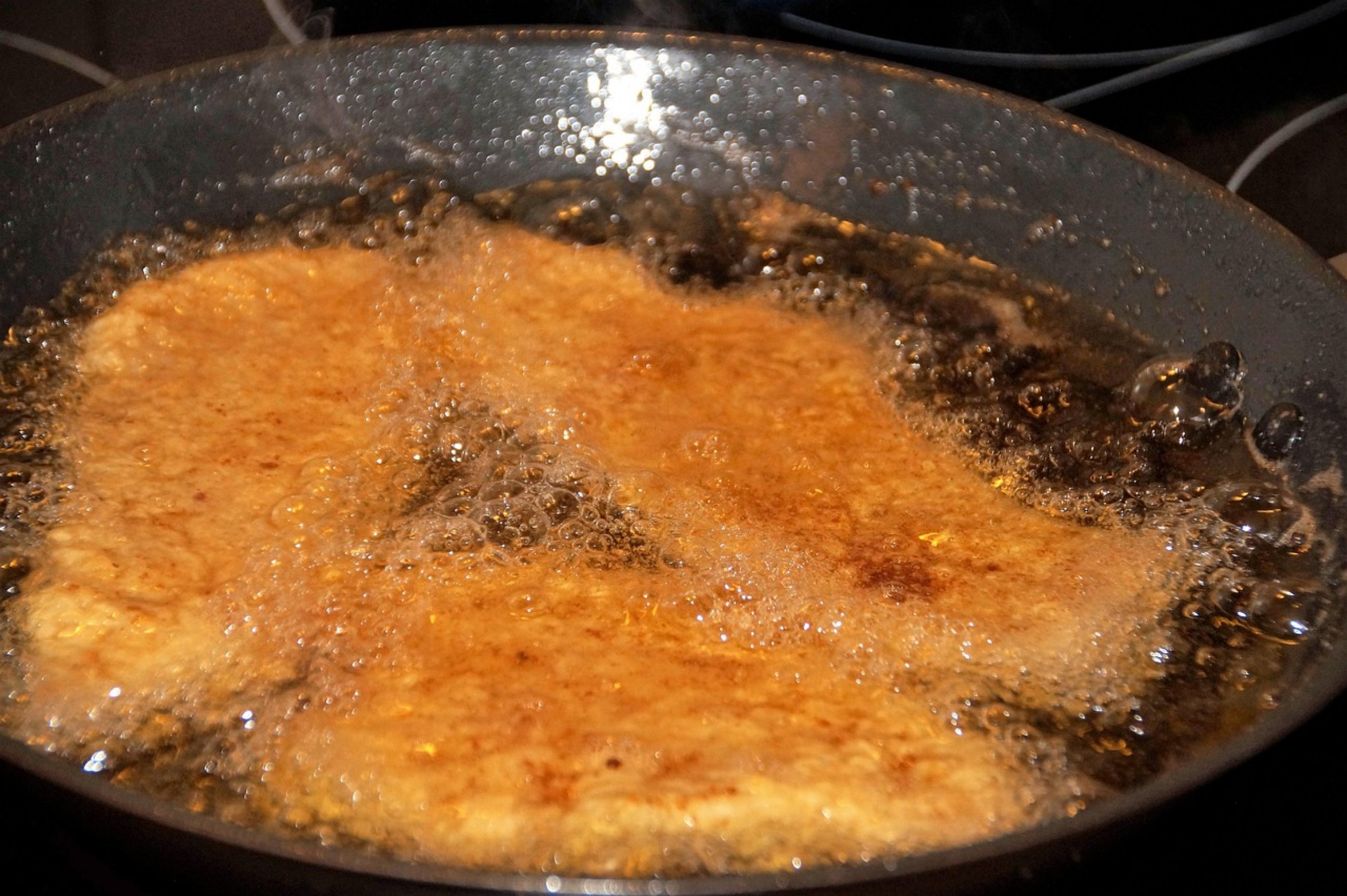
Keep that oil at a consistent heat, most often about three hundred fifty degrees Fahrenheit. The fish won’t soak up all of the grease like a sponge if it’s too cold, but it’ll get heavy and nasty on your hands. Too hot and the exterior burns while the interior remain raw.
A thermometer isn’t necessary (though it does help), but here’s how you can tell if the oil is prepared: sprinkle some flour in the pan. Does it float to the surface right away with an immediate sizzle? Good to go.
Does it sink and remain there? Wait for the oil to heat up. Patience makes all the difference between a mistake and a good result.
Frying in Batches for Crispiness
Don’t let the oil cool down: Frying in batches keeps the oil temp stable. Crowding the pan cause a quick drop in heat. Then your fish will stew instead of fry.
Only fry as many fillets as will comfortabley fit in one layer with some space between each one. Gently turn them over and flip when the underside goes a golden brown. Don’t jostle them too much or poke at them.
Let that crust get a chance to form. Turn them out onto a wire rack when they’re golden all over, on both sides. Don’t blot them off with paper towels.
Draining on a Wire Rack
This will cause the bottom of your crust to go soft by trapping steam against the towel. You want air circulating to maintain that crunchy texture while the inside continue cooking. Once served, there’s nothing left to do but eat it.
Serving Suggestions and Sides
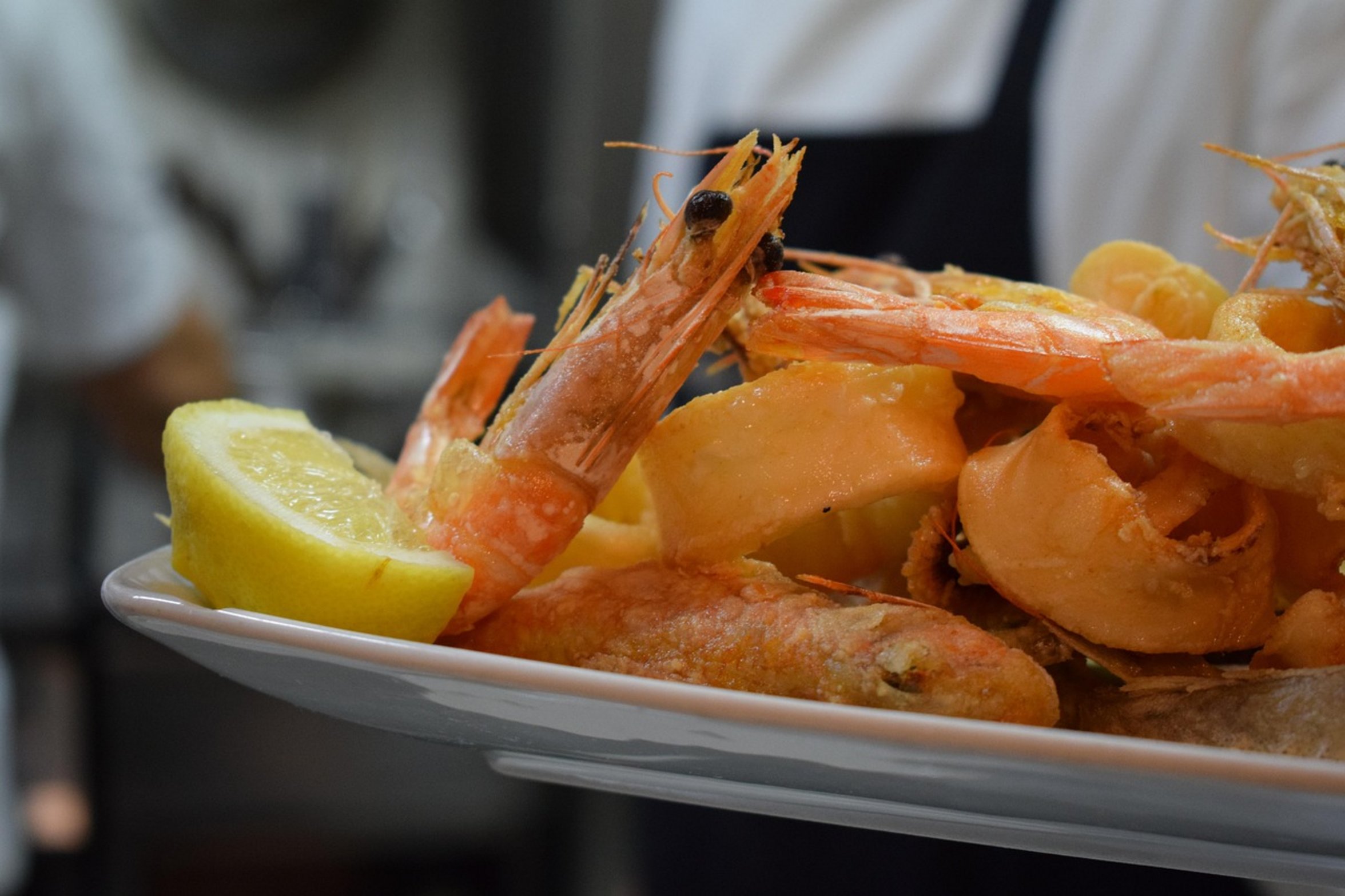
A squeeze of fresh lemon juice, or a side of caper-and-pickle-topped tartar sauce, cuts right through the richness. The heavy flavor of the fried coating is balanced by the tangy bite of the accompanying acid. It hits the spot.
For a truly Southern feast, have some hushpuppies or coleslaw alongside, too, but even by itself, the fish are a winner. That sensation of being in Grandma’s kitchen isn’t nostalgic; it’s technical. Once you nail the slow heat, the seasoned flour, and the dry fish, you’ve got it back.
This isn’t just food, this is dinner. But it’s also history. And you’re preserving it.