There they sit on rack in front of you. It’s that Shakespeare catfish rod. Twenty bucks or less, if you believe the sticker.
The rod feels feather light, too light, to be honest, in your hands. And you think to yourself: Am I about to purchase a hunk of plastic that breaks as soon as a good ole’ blue cat decide to put up a fight? That’s what happens when you’re a bargain angler.
You crave performance but don’t want to foot the bill for name recognition. You’re chucking lead weights into dirty water after all. But there’s more to the story with Shakespeare rods than just their price.
Yes, they’re dirt cheap, but no, they’re not trash. And no, they’re not premium. There’s definitely a sweet spot here, and it applies to some types of fishing only.
Knowing that line will keep you from spending money on stuff you don’t need or want, and it will also keep you from wasting money on bad gear. That’s what shifts your perspective on the whole entry-level market. The good news is the savings come with the materials, so let’s examine those.
Why Shakespeare Catfish Rods Are Worth It
Why Shakespeare Catfish Rods Are Worth It
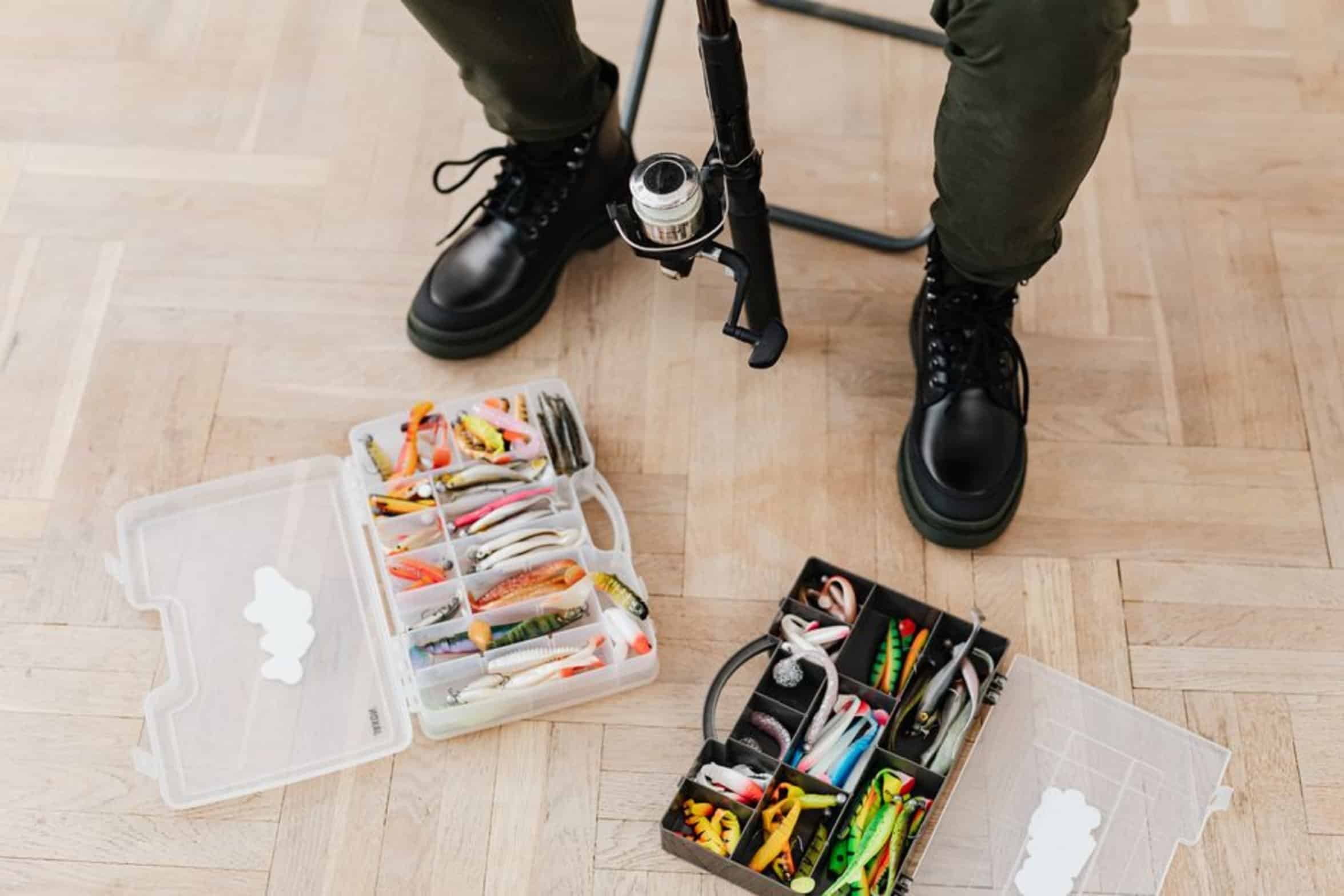
For their inexpensive catfish rods, Shakespeare choose to use fiberglass or lower grade graphite composites. There’s no fault here, just a different design decision. Graphite, especially high modulus graphite, is pricey, sensitive, and stiff.
Fiberglass Construction and Rod Action
What you get from Shakespeare is a softer, more flexibel material for their rod. As a result, you have a slower action rod, but don’t worry, that’s exactly what you want for catfish. Catfish fight powerfully and in bursts.
When a rod is too rigid, it can snaps. With a soft rod, it absorbs the shock of a forty pound channel cat and bends deep. The fish tires itself out on the spring, not the rigid lever.
Guide Quality and Line Durability

This leads me to one more thing about the rods, the guides. These rods feature lightweight, aluminum oxide guide and sometimes lower quality, ceramic inserts. According to the purists out there, this kills your line.
If you’re using high-tech braid or fluorocarbon lines, they’ll melt from friction. However, the majority of catfish angler fish with monofilament. And mono doesn’t tear up.
It’s tough stuff. You can beat the heck out of a Shakespeare rod and its coarse guides won’t kill a spool of mono within a year. Yes, it’s a tradeoff and yes, you get less long-term durability for upfront affordability.
Build Quality and Expectations
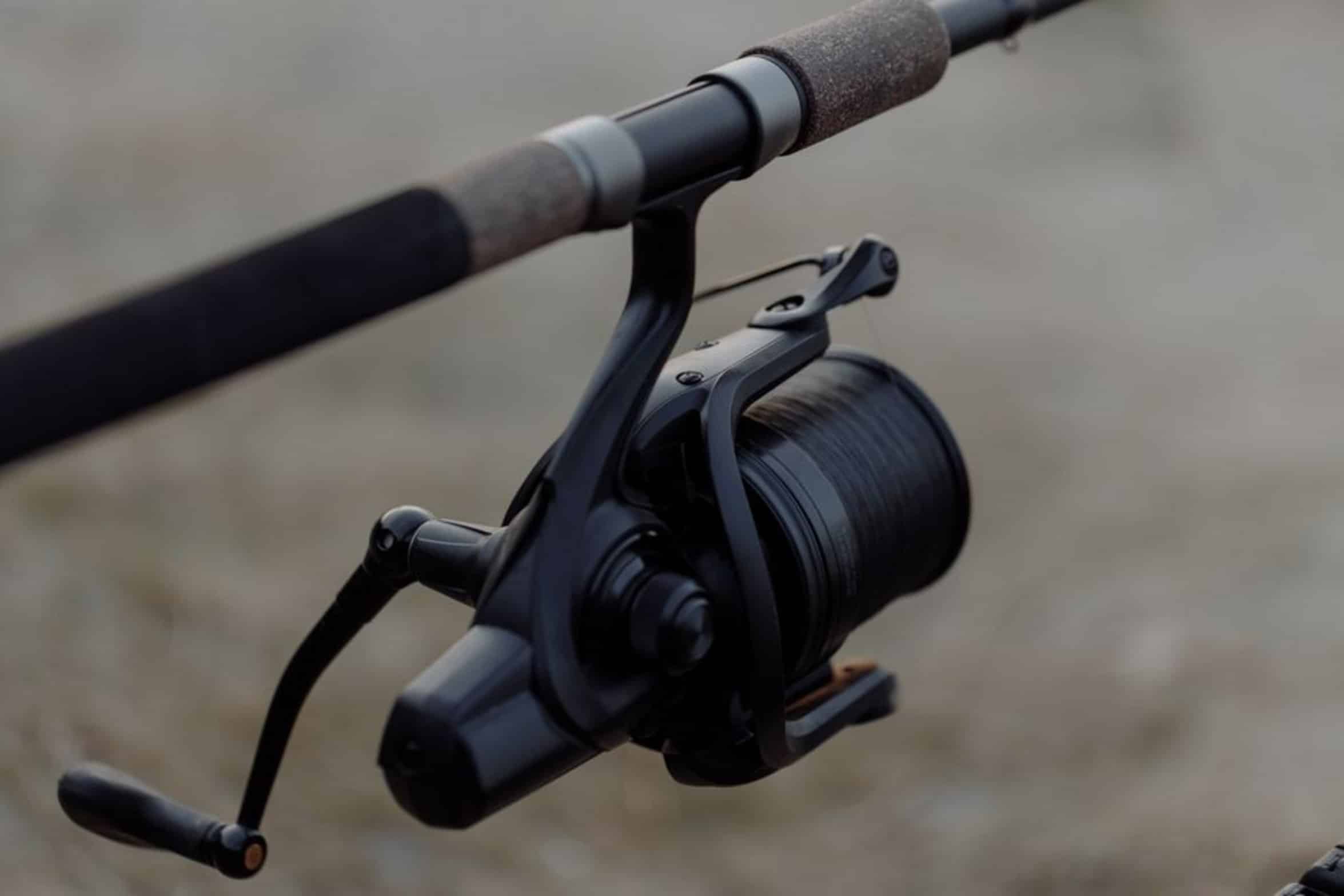
But that’s what you get when you’re trying to stay on a budget. But you need to temper your expectations when it comes to build quality. A budget Shakespeare may have a slightly looser reel seat.
The cork handle may be thinner or a little off kilter. These are not deal breakers by any stretch of the imagination; they are just reminders that you’re purchasing a beginner level piece of equipment. At the end of the day, the rod will secure your reel well enough to fish from a dock at night.
But it won’t stand up to getting thrown in the back of the truck and kicked around for the next decade. You’ll want to baby it a little more then you would a high-end G. It is a Loomis or even a nice Shakespeare Signature series rod. It’s not a difference in functionality, but rather finishing touches.
Sensitivity for Catfish Fishing
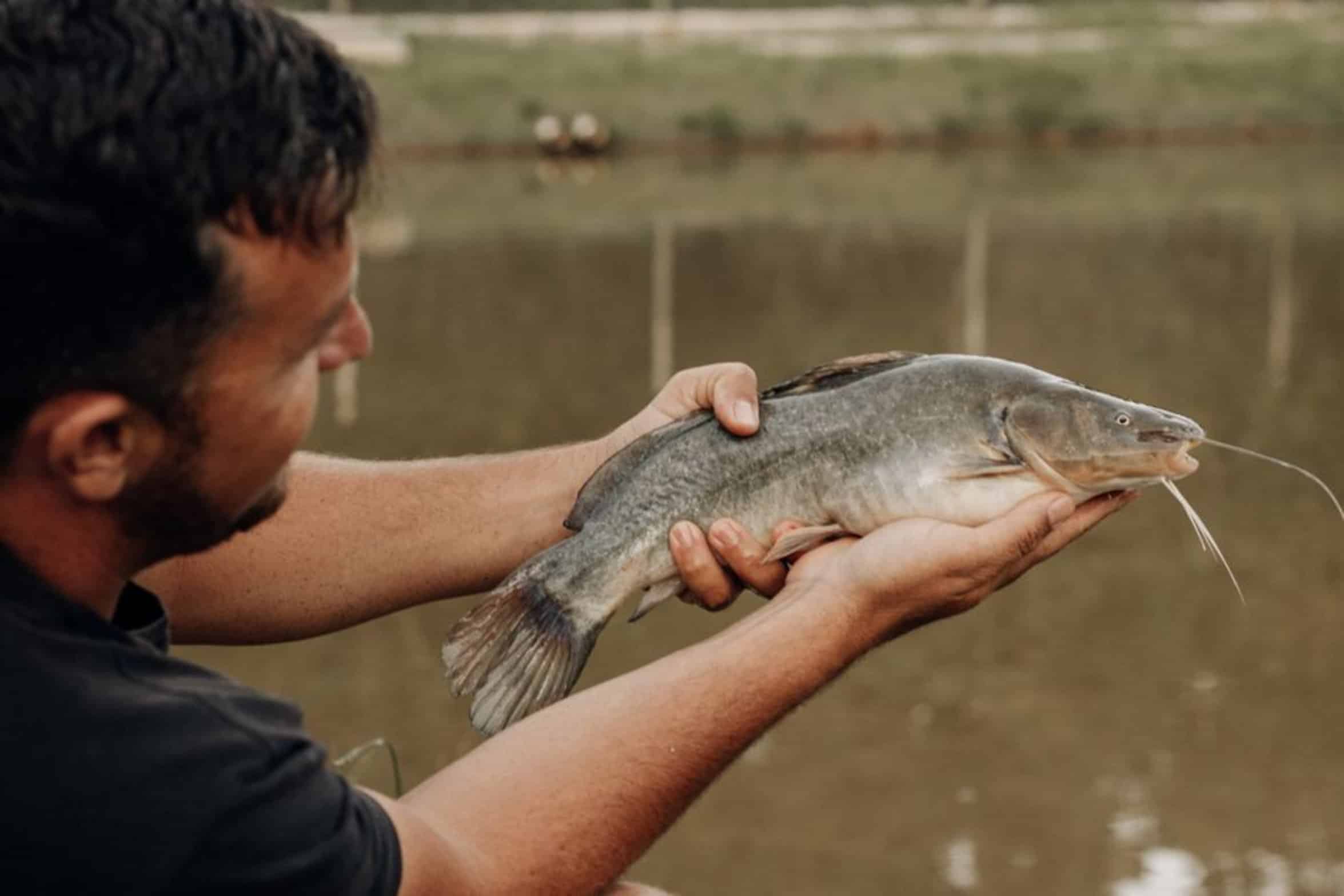
And finally there is that thing called sensitivity. Need to be able to feel when that catfish picks up on your cut bait? Nope.
Most catfish bites are heavy and noticeable. You don’t feel a tap, you feel a tug. With a budget rod you’re not sacrificing any sensitivity that hurts your fish catching skill here.
In reality it’s a benefit for having something with less sensitivity. It eliminates small bite near the bait and other noise. This lets you focus on the good ones once they get hooked.
This isn’t a precise, dainty sport. This is a presentation, endurance, game of wills. The rod does what it needs to do.
Cost vs Performance Comparison
But take a minute to think about what else would happen if you didn’t purchase this bargain bin Shakespeare. Chances are you’ll end up purchasing a mid-tier rod in the $50-$70 range from Ugly Stik or Major Craft. Will it perform twice as well?
Doubtful. Twice as nice? Sure.
It has a nicer handle, a smoother blank, and better guides. But the ability to cast further and set the hook harder? That’s incredibly close.
In fact, the performance difference is almost unnoticeable to the average weekend angler who fishes out of his boat or off the bank. You’re spending your money on aesthetics and comfort, not performance. So what’s the deal?
Durability and Replacement Value

Price of the rod vs. What about its durability? Is a Shakespeare catfish rod going to make it through two or three hard seasons before the blank exhibits stress or the guides start chipping away? Or will a premium rod go a decade?
Well if you bust one you can replace it with a new one for twenty bucks. Busted a hundred dollar rod? Ouch!
This is a selling point for the novice angler. It is also great for someone who fishes around rocks and wants to be able to replace a rod. It makes the sport more approachable.
You don’t have to take a significant financial risk. So are they good and cheap? Yes.
Cheap and adequate. Good enough to catch fish. And at the end of the day, that’s the only thing that really matters out there on the water.
Sure, they’re not masterpieces and they’re definitely not toys. But they’re tools. They are tools that do the job they were made for surprisingly well.
So if you wanna have some fun one night and go after some catfish but don’t feel like emptying your wallet while doing it, then by all means pick up a Shakespeare rod. Get the fish on the line and that’s all that matters. Everything else is just marketing.