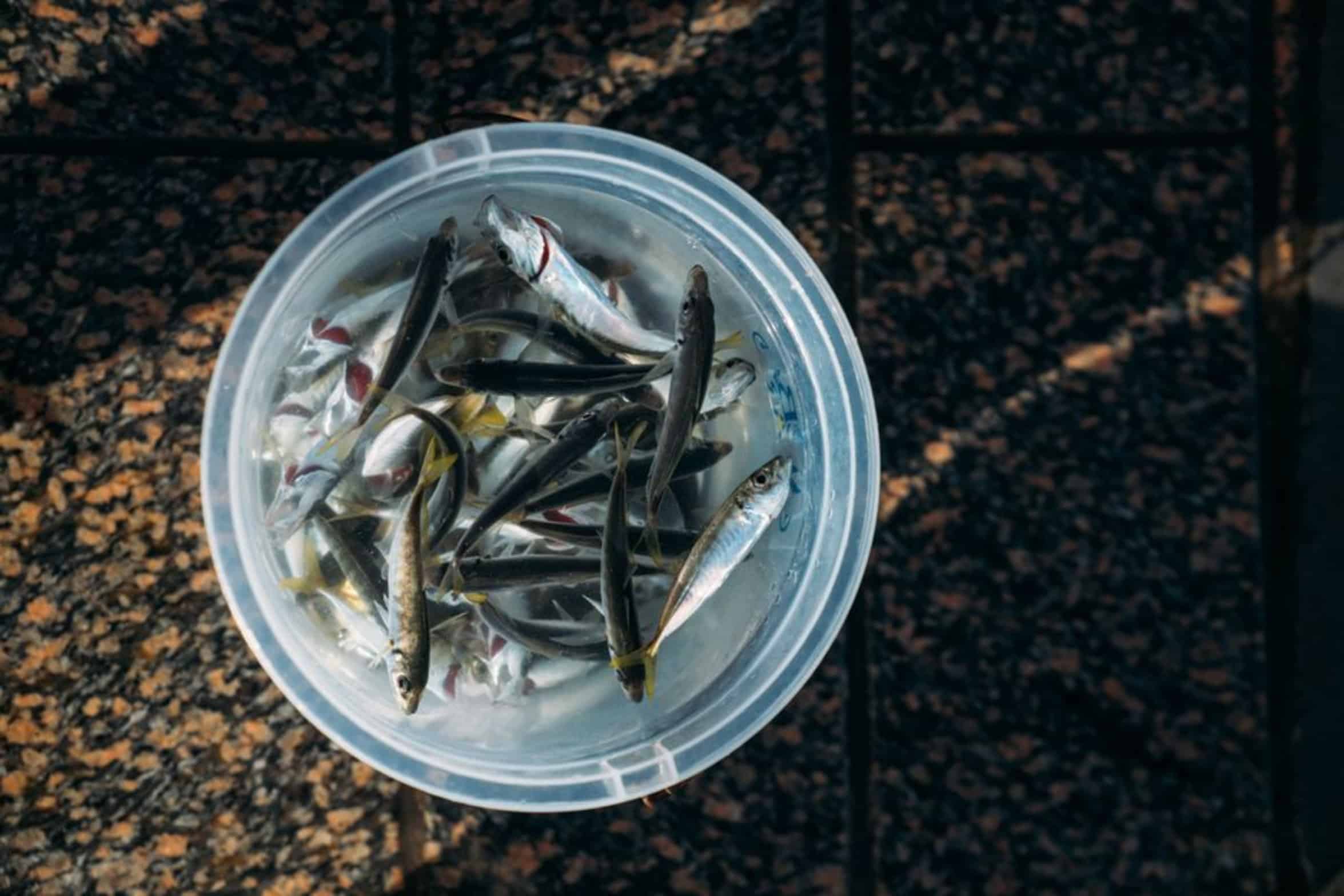
Live bait fishing can be a very anxious activity. Cast it out there, set the hook and then wait for a species that often eats without much care or concern. Next thing you know, your shad or minnow are no longer moving.
No, it’s not dead. It’s just done. That stillness is the enemy.
How To Keep Live Bait Alive And Active
Why Live Bait Works Best
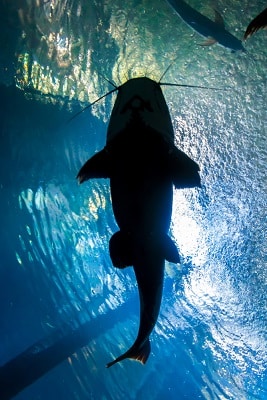
Catfish are ambush predator. They use their lateral line sensitivity to detect vibrations in the water. In many conditions, a motionless bait cannot be seen by them.
Not only is keeping your bait alive the ethical thing to do, but it’s also about activating the strike reflex. A lively bait mean the difference between a full creel and an unsuccessful night. Yes, dead bait can catch big catfish, those who prey on carrion.
But live bait casts further. It appeals to picky flathead catfish, as well as channel cats and blue cats alike. On paper, this seems easy: keep the bait alive and let it do its thing.
In reality, keeping fish alive in a bucket while you wait can take hours. This happens in hot weather, cold weather, or during travel. And that takes consideration of space, temperature, and water quality.
Oxygenating Your Bait Bucket
Oxygen is the one thing that keeps your bait alive best. Not having enough dissolved oxygen kills fish quicker then you’d imagine. And it’s no different for baitfish.
If there isn’t enough room in your cooler, they’ll actualy gasp at the surface. They’ll get lethargic and ultimately die. An airstone and air pump fix the oxygenation problem.
Keeping a five-gallon bucket of shad alive all day is as easy as plugging in simple battery operated aerator. Sounds silly right? But anglers frequently overlook this step because they’re trying to save weight or they figure a few bubbles on the water will be fine.
It is rarely the case. Besides maintaining the water from going stagnant, those bubbles agitate the surface while helping gas exchange. You don’t want ’em up there hovering with their mouth open, you want ’em darting around.
Controlling Water Temperature
Oxygen is equally important. Minnows and shad are cold-water catfish baits and don’t do well in warm water. If you catch some out of a chilly river and place them in a bucket that gets hit by the midday sun, the water temperature will rapidly heat up.
Warm water makes fish metabolize at a faster rate, which means they use oxygen at a quicker pace and create more waste. It’s a recipe for disaster. Keeping a bucket insulated with a heavy towel will help it hold a consistent cool temperature.
Having a separate live well cooler is another good solution. For those of you that are fishing during the summer, placing ice packs inside towels on the exterior of the bucket can make a world of difference. Don’t throw ice into the water because the drastic temperature change will kill them immediately.
Managing Water Quality
A confined space gets bad fast. The water quality drop quickly. Ammonia levels get high quickly in limited amounts of water.
Fish create ammonia through their waste and through their gills. This is where changing the water comes into play, but you must change it correctly. If you dump your water out and just add fresh untreated tap water then you are stressing the fish because of temperature changes and chlorine.
Better to have dechlorinator on hand or age the water that you do replace. If replacing water, some folks will siphon out sludge off the bottom. But this won’t disturb the fish so much.
Clean water means less stress. Clean water makes the bait more alert. A stressed out fish floats around helplessly or hides itself.
Choosing the Right Container
While a healthy fish hunts It all depends on your container There’s nothing wrong with good ol’ fashioned plastic buckets. However, they don’t insulate well and do very little to protect against sun exposure. A dedicated live well is built specifically for oxygenated compartments and insulation purposes.
The water will be cooler inside them and the water move much more freely inside them. If you’re using one of these standard buckets, try either moving the container into the shade of the boat or wrap it in some sort of reflective blanket. Sunlight passes right through the water and warms from the bottom up.
All that trapped heat will cook your bait alive. It’s a simple trick that pays off big in terms of how long your bait lasts.
Selecting the Right Bait Size
Finally, you must match your expected fish size to the hook and then the size of the bait.
You don’t want a big shad on a little hook as you get bad hook sets. Likewise, a tiny minnow on a monster blue cat doesn’t work either most times. The bait has to have some meat on its bones to last through being handled by people and time spent in a bucket.
But it should also have some action to stimulate the predator. Generally speaking bigger and healthier fish will be better suited to confined space than smaller weaker fish. So sort your own catch or store-bought bait right away.
Culling Weak Fish
Separate out the injured fish and those that seem really lethargic. They won’t live long and will taint the water for the other fish in the bucket. We all hate culling the weak, but it’s essential if the strong are going to make it.
Keeping live bait alive is both a science and an art involving not just the fish but also their environment. A little attention, appropriate tools and some forethought are needed. But then there it is; a wiggle of the tail or a dart in the bottom of the bucket lets you know that all systems are go.
That motion means an active hunt rather than a passive wait. You’re ready. The fish are waiting.
And your bait is set up to trigger the strike.