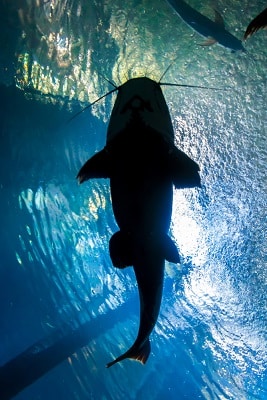
A common misconception throughout freshwater fishing circles are that catfish is dumb, bottom-dwelling fish without much sense of smell. As such, many novices simply chuck whatever will fit on a hook into lake. While that isn’t entirely accurate, the truth is more specfic than that.
Catfish possess highly developed barbels, essentially whiskers… For sensing vibration and chemical signatures in the water. To put it plainly: It’s not luck.
Creating an aggressive scent cloud paired with a prominent physical presence are key. That is what activates them. Know the difference and you’ll fill your cooler instead of wasting afternoon.
Best Bait Strategies for Catching Catfish
Understanding Catfish Senses
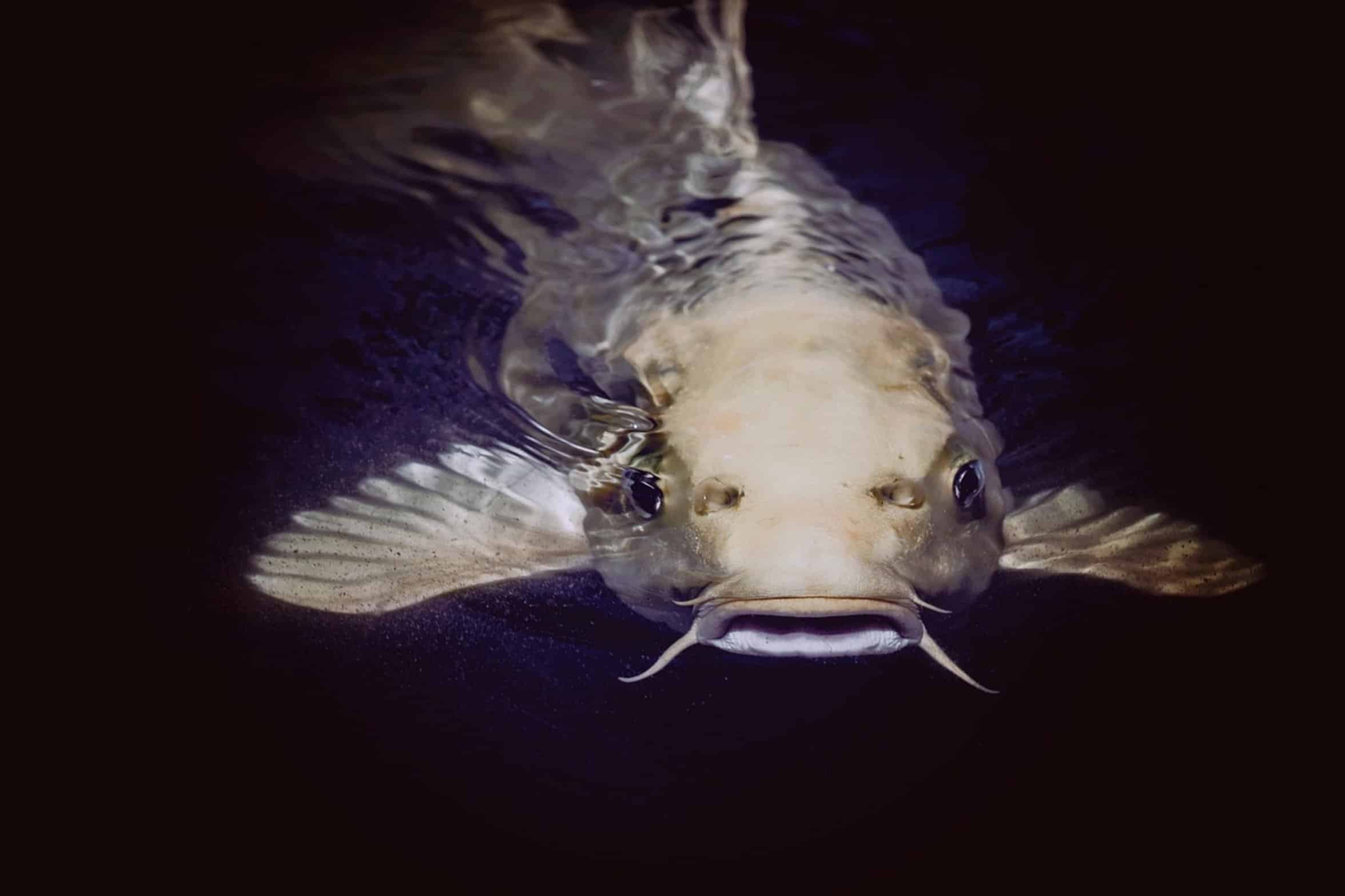
The truth is most folks get a box of stink cubes and a bag of cut bait and go to work. The catch is the bite will be different based off the species you’re after and water conditions. Water temp, water clarity and more importantly what the fish want on that particular stretch of lake or river decide the bait.
Choosing Bait by Species and Conditions
Is it a channel catfish? Does he like a piece of hot dog if the water is warm. Is it a flathead?
Then use live bait to trigger their predatory response. Then it has to have life. It’s all about knowing who you’re going after and tying on proper bait.
Using Live Bait for Predatory Response
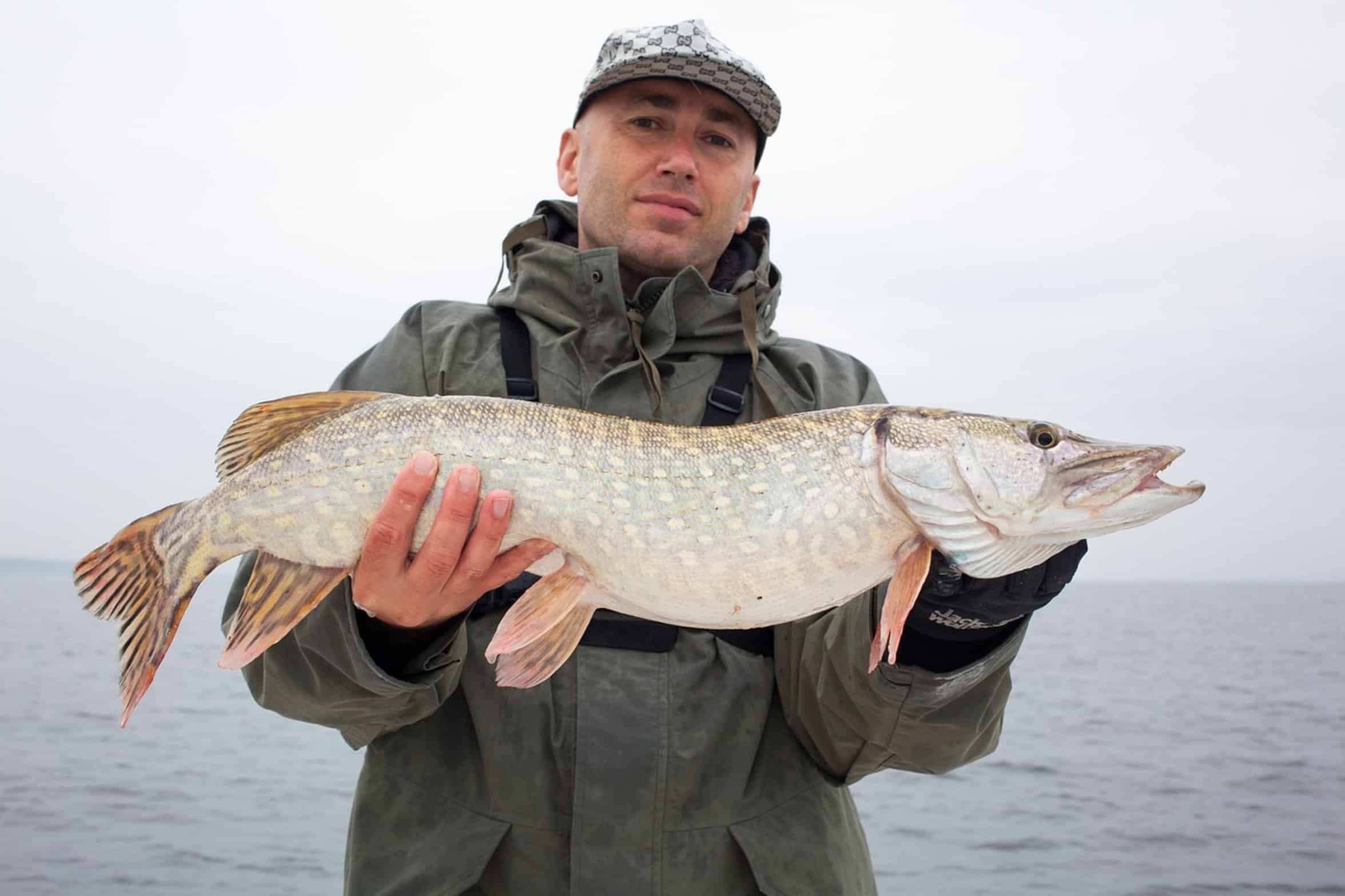
But then there’s always live bait, which is king for good reason. A piece of shad, skipjack herring, or even a baby carp on a circle hook trigger an animal response from any predator. This is especially true with big blues and flathead.
Seeing something moving in the water is another visual cue. And these guys aren’t just scavengers. They’re hunters too.
Throw a live fish into the water and it move around, creates vibrations, has drag. The catfish can see it, hear it and smell it. Those three things together don’t gets ignored very easily.
It works all year round, but only if you can get healthy live bait and keep it alive to swim naturaly. Otherwise a sluggish or dead bait fish will signal bad news to a cautious catfish. For the practical application, you can’t go wrong with cut bait.
Mastering Cut Bait Technique
They is plentiful, affordable, and work well for channel catfish. It could be mackerel, mullet, shad, or whatever. When you break off a chunk and drop it in the water, it leaves behind a scent trail that draws them in from afar.
The trick is changing it often. Catfish feed by touch. They use their lips and mouth to “taste” things.
When the scent fades and your cut bait turns waterlogged and soft, it’s no longer appealing. Changing out your cut bait every forty-five minutes or so will keep the scent active and ensure it stays rigid enough to stay stuck on a hook. You’ll have to do this anyway, but it makes a huge difference in how many you catch.
The payoff is huge, but work is very little. The other option would of something like dough baits and stink bait. Products like Berkley Gulp or some of your homemade corn concoctions is meant to stay on the hook, last longer, and have better scent output.
When to Use Dough and Stink Baits
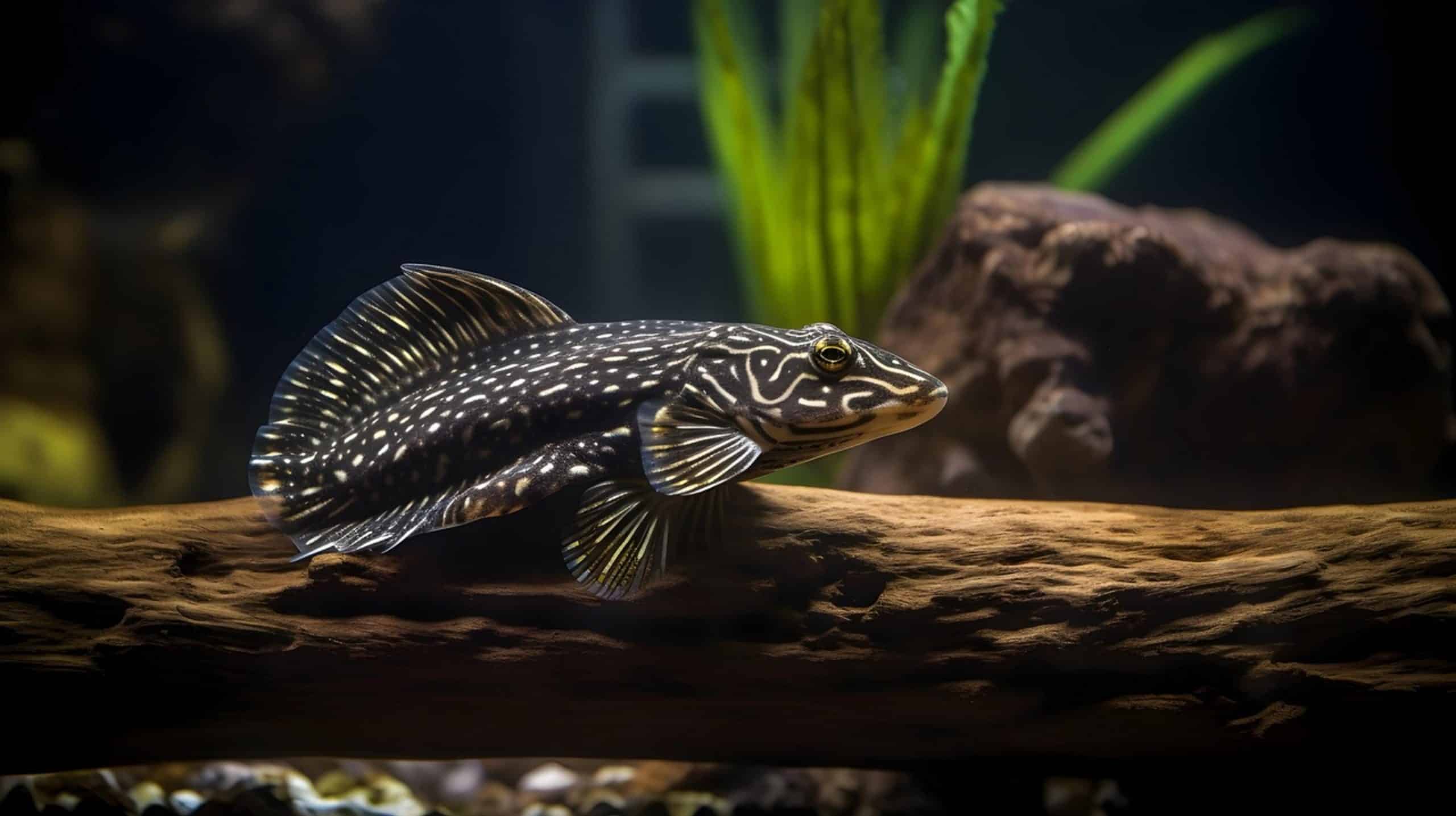
Since these don’t really move, you need something with a stronger scent and a long-lasting appeal. That’s why it works well in dirty water. In dirty water the fish can’t see it so they has to find it by smell.
And it sticks on there good through all kinds of bites and rough waters. So much longer then cut fish. Great if you want to throw a couple hooks out on a fish finder.
Or use multiple rods. The tradeoff, it seems, is that it attract smaller fish more readily. Maybe get a few more channel cats but less big blues.
A numbers game vs. It is a quality game. Dough balls made from chicken liver or commercial mixtures is available, long-lasting, and have some stickiness to them as well. They will stay stuck to your hook and not come off even when soaked for a long time.
This is good if you know there are big old catfish hanging around. Older cats is generally less aggressive feeders. They tend to slow down and they tend to be very wary.
A hard bait that stays on the bottom can tempt a fish to bite, even when it won’t hit a live bait swimming past. Smells are dispensed at a slower rate but for longer periods of time. This result in a small pocket of scent instead of a wide band of smell.
This can be beneficial around dams or other structures where the fish get very crowded and is looking for something to go after. Finally we have the rig and hook combination. You can have great bait, but if you don’t set the hook well, you won’t catch any fish.
Selecting the Right Hooks and Rigs
With live baits, I prefer circle hooks. They hooks the fish in the corner of their mouth. That’s less harmful to the fish and increases the chance of keeping the fish.
When using cut bait, you want a bait holder hook like a J-hook that holds the cut piece of fish tighter. And let the bait hang freely on bottom. The catfish won’t find it if it’s floating free.
A simple rig with a sinker sliding up a swivel and then some leader lets you get down there and have control over it all. The rig improves the bait strategy, it is not the other way around. So how do you choose?
Well that’s where observation is key. What color is the water? Has it been raining?
Adapting Strategy to Water Conditions
What kind of fish are most common in your area? Then pick the bait that fits the conditions. Stink bait is for murky depths, live bait is for predators, and cut bait is for scavenger species.
It isn’t one size fits all. Adapting your presentation to the situation will get it done. Knowing why a bait is effective will put an end to guesswork and lead you back to fishing with a purpose.
Paying close attention to the details are rewarded on the river.