You’re weary this Wednesday evening. The work day drags on and on. You waited forever at the grocery store line.
Thawing out a couple of pounds of fish for two hours seem like another job. But heck, you’ve got to eat dinner anyway, right? You grab a package of vacuum sealed fillets of catfish from the freezer.
“Plan ahead,” they say. Thaw it overnight in the refrigerator,” they say. What’s that?
Is that a schedule? Most people don’t run their lives by one. You also don’t need to defrost the fish; it’s actualy often best cooked out of the freezer, block and all.
How To Cook Frozen Catfish Fillets Perfectly
Why Cooking From Frozen Works
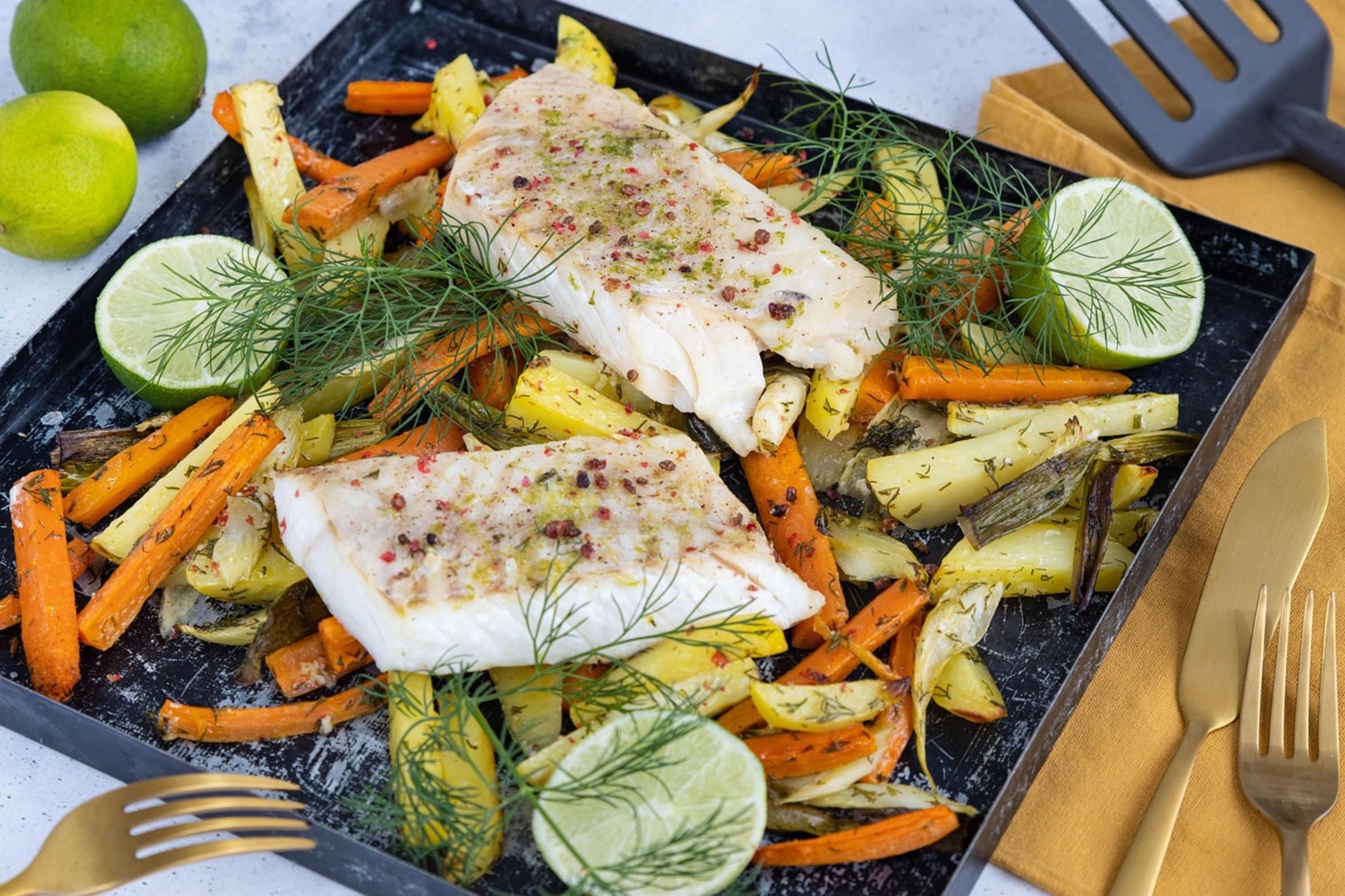
As the ice crystals melt, they becomes an inbuilt thermostat. They protect the fragil white meat from becoming too overdone while the outside has time to brown. But won’t I just steam my frozen fish instead of searing it?” Yeah, that’s a valid concern, but managing how moisture behaves under heat is the biggest hurdle.
Cook your frozen fillet correctly and the outcome may be even better then thawed half-way. Handling the excess water is the largest obstacle. When the frozen fish lands on the pan, there’s a lot of moisture released.
Just dropping it into the pan will result in boiled catfish swimming in a puddle of gray water. It does not sound appetizing and it typically isn’t. What you want to do is get that moisture out fast, but without cooking the protein within.
That means high heat, a dry pan, and some patience. First, make sure your skillet is preheated. For best results use a good cast iron skillet…
Choosing the Right Pan and Oil
They retain heat excellently and so does heavy stainless steel pan. The goal is that the pan should be hot before the fish ever comes close. Once you have the pan ready, pour in a high smoke point neutral oil such as refined olive or avocado oil.
Coconut oil is also widely used when cooking catfish due to its slight sweetness which goes well against the mild flavor of the fish. Allow the oil to shimmer. It’s not as fast as you’d think.
Don’t rush it, this causes the fish to stick. Unwrap your frozen fillets and pat them dry on both sides with some paper towels. I know, it’s counter intuitive, they’re frozen solid!
Prepping and Seasoning the Fish
The problem is ice crystals and other frost on the surface, which isn’t good for a nice sear. Without defrosting the fish itself (you don’t want that), you just need to get rid of any excess ice. Just a quick wipe.
Generously season the fillets with salt and pepper. Optional: sprinkle on paprika or garlic powder now if you want. The spices will adhere to the dry surface.
Don’t do that. Do not use wet marinades either. That’ll just steam the fish.
Searing the Catfish Correctly
Put the catfish in the hot pan. Don’t crowd it. Leave room for the fillets to breathe.
Allow the steam to escape. Moisture builds up and the temperature drop if you pack them in. There’s going to be some sizzle.
No sizzle equals no heat. Too much water means stop waiting. And here’s the hardest part, wait.
You’re trying to get the catfish to come out of the pan on its own. It’ll tear the crust or the skin if you try to turn it too early. Have faith.
Depending upon how thick they are, 4-5 minutes on each side usually works best. When you start seeing them get an opaque color, starting at the edges and moving inward, use your thin spatula to carefully lift up one end. It should come off with no problem, and then you can just slide the spatula under the other end and simply flip.
If it’s stuck, wait a minute longer. For the second side, it goes quicker. It usually takes two-three minutes.
Again, don’t burn them; you’re looking for a golden brown crust, not black burnt crust. Adjust the heat to match. Get it hot, but don’t let your oil flare.
Understanding Texture and Thickness
The texture is a concern to many folks. Frozen fish can sometimes be mushy if it is cooked at low temperatures for too long. That occurs usually due to overcooking it at lower temperatures which causes cell walls to breakdown and contents of the cell to escape.
When you apply high heat and maintain a brief cooking time, you retain its structure. The end product is firm and flaky without any rubberiness. It’s as good as fresh catfish.
Some chefs actualy like to cook from frozen because it keeps that delicate fish flesh intact while being handled. Don’t attempt to do this with thick steaks. Fillets need to be thin.
You’ll burn the outside before you can get the inside cooked through if you use anything thicker than one inch. Keep your catfish fillets three-quarters of an inch thick or less. It works on channel catfish, black catfish, and even imported fish.
Species doesn’t matter. It’s the same principal. Control moisture.
Making a Simple Pan Sauce
A simple pan sauce is all it takes for finishing off the dish. Remove the fish, then add a splash of lemon juice (or white wine) to deglaze the pan. Scrape up the browned bits.
Toss in a knob of butter and a sprig of parsley. Give it a swirl and pour it on top of the fish. That sauce brightens things up and adds richness.
It helps cut the slightly-oily taste of the pan as well. It takes the meal from “just trying to survive” to something worthy of serving to guests. They’ll never suspect that this started out frozen.
Final Tips for Success
“Patience is more important than the gear. No need for a $200 skillet. Just have something nearby that will fit as a cover, in case you wish to capture a bit of steam to help with the middle cooking.
But don’t do this often. Mainly, you want evaporation. Allow the air to do the job.
Leave the kitchen vent open. Aromas may come off while cooking the fish, particularly if frozen. Clearing the senses via fresh air helps.” Cooking from frozen has its own rhythm.
It requires some effort, but the reward makes it worth it. This is a battle with the cold and the clock. When you win, the fish is perfect: it is tender inside, the crust holds up, and it have a deep flavor and flakiness.
It is proof that you can have convenience without compromise. All it takes is respecting the physics of water and heat. And next time you’re hungry but short on time, skip the thaw.
Pull out those frozen fillets. Heat up the pan. Dry off the ice.
Season generously. Sizzle away. Cook until done.
It takes less time than the microwave. And what do you get? You get a meal that didn’t feel like an afterthought.
A reminder that you can cook well, even if you don’t prep first. The frozen block isn’t a burden; it’s an opportunity. Just treat it correctly.