Walking down the fishing aisle on Saturday morning, maybe you’re nervous. There’s too much hardware out there for you. And most of it is intended to make you feel like what you have isn’t good enough.
There are reels that seem complicated. There are rods with a ton of guides. “Buy the newest tech or you won’t catch anything,” says marketing.
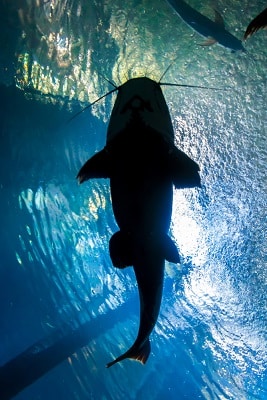
All that is largely BS though. Catfish fishing are as much about patience and brute force as it is about the latest and greatest gadgets. They are bottom feeders and they sense with their feelers rather than their eyesight.
This isn’t a sport where you want some fancy piece of precision equipment. You want something that holds up when it’s hung in trees and mired in the mud. Something simple but strong.
This is too much for most new anglers to wrap their heads around. Why do you think they ask how to hook more fish? They spend a pile of money on expensive electronics and ultra-light lures and then scratch their head wondering what went wrong.
Here’s the secret: Heavy gear. It’s simple, but effective when pressure hits. Let’s sort through the junk so you know what is necessary and what isn’t.
Essential Catfish Fishing Gear You Need
Choosing the Right Rod
If you want to fish right, the first place to go wrong are rods. You want a rod with enough sensitivity to detect a nibble in dirty water and stiffness to set hook on a thick catfish lip. Try to find an Extra Heavy or Heavy Power rating.
When that blue cat takes off, you don’t want a rod that will bend into a “V” shape. Try St. Croix or Lew’s brands. They are solid rods that won’t break the bank but will take the load.
Remember, you use the rod as a lever. It has to have some backbone. The reels should be strong and uncomplicated.
Selecting a Sturdy Reel
Most guys uses baitcasters because they can pulls big line and you have direct control of the reel. Go with something like a Penn Battle series reel or the Shimano Bantam and you’ll be good for years. Stay away from anything fancy with internal delicate gears and digital displays on them.
This isn’t about finesse, this is about fighting weight. Gear ratio isn’t as critical than the drag system. If the drag won’t hold pressure while you’re fighting a fish, you lost before you ever got started.
Line and Leader Setup
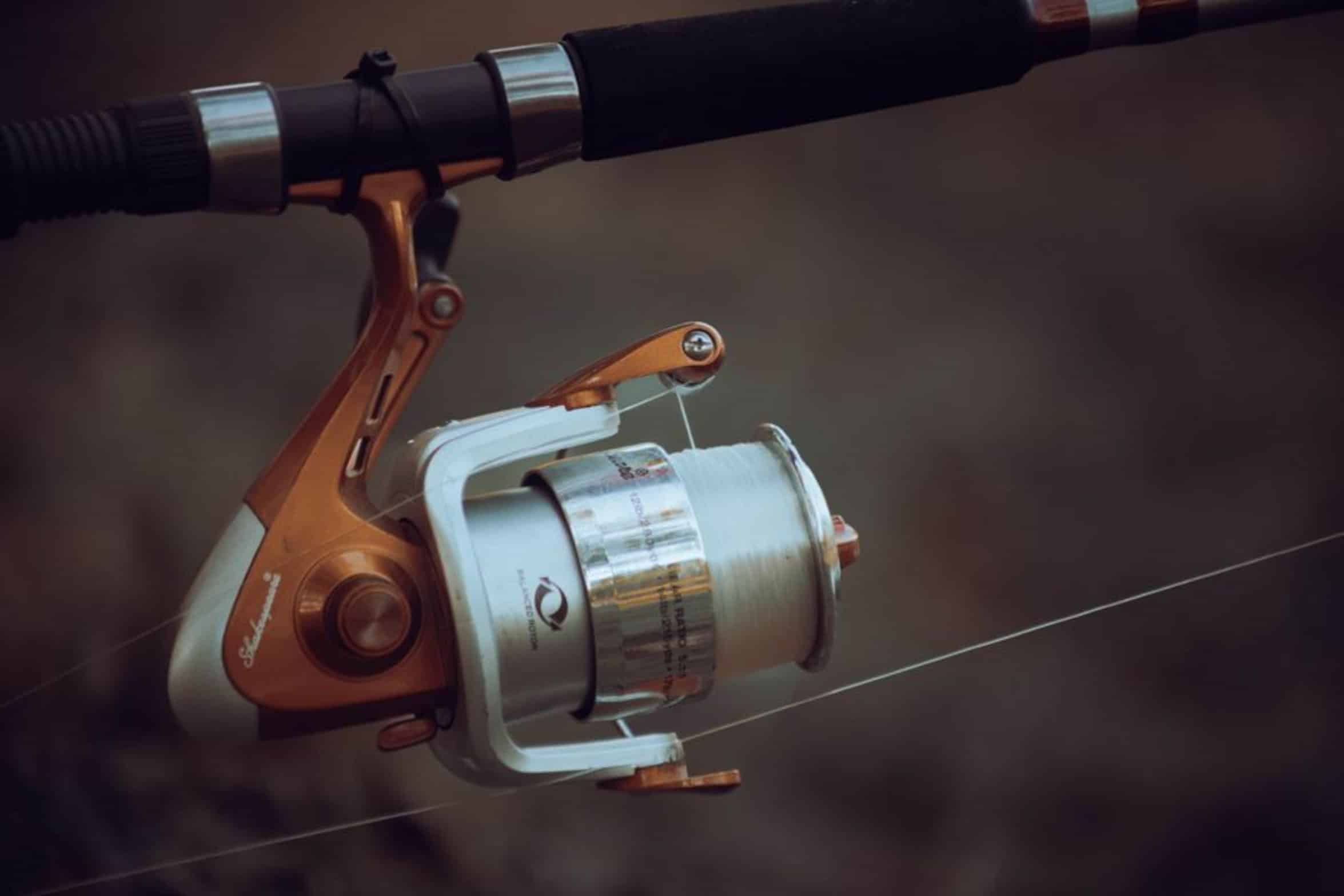
This depends on your area and personal preference. Braid has no stretch and is super strong (lots of strength in a small package), so it give you a great feel on subtle bites. Mono has some stretch.
This can work as a shock absorber on those mad runs from a catfish. Fluoro leader: If you’re fishing around cover, use fluorocarbon as a leader. Choose one and learn how to fish with it.
Don’t change each trip. Consistency leads to confidence. The battle is often lost on hooks and swivels.
Hooks and Swivels
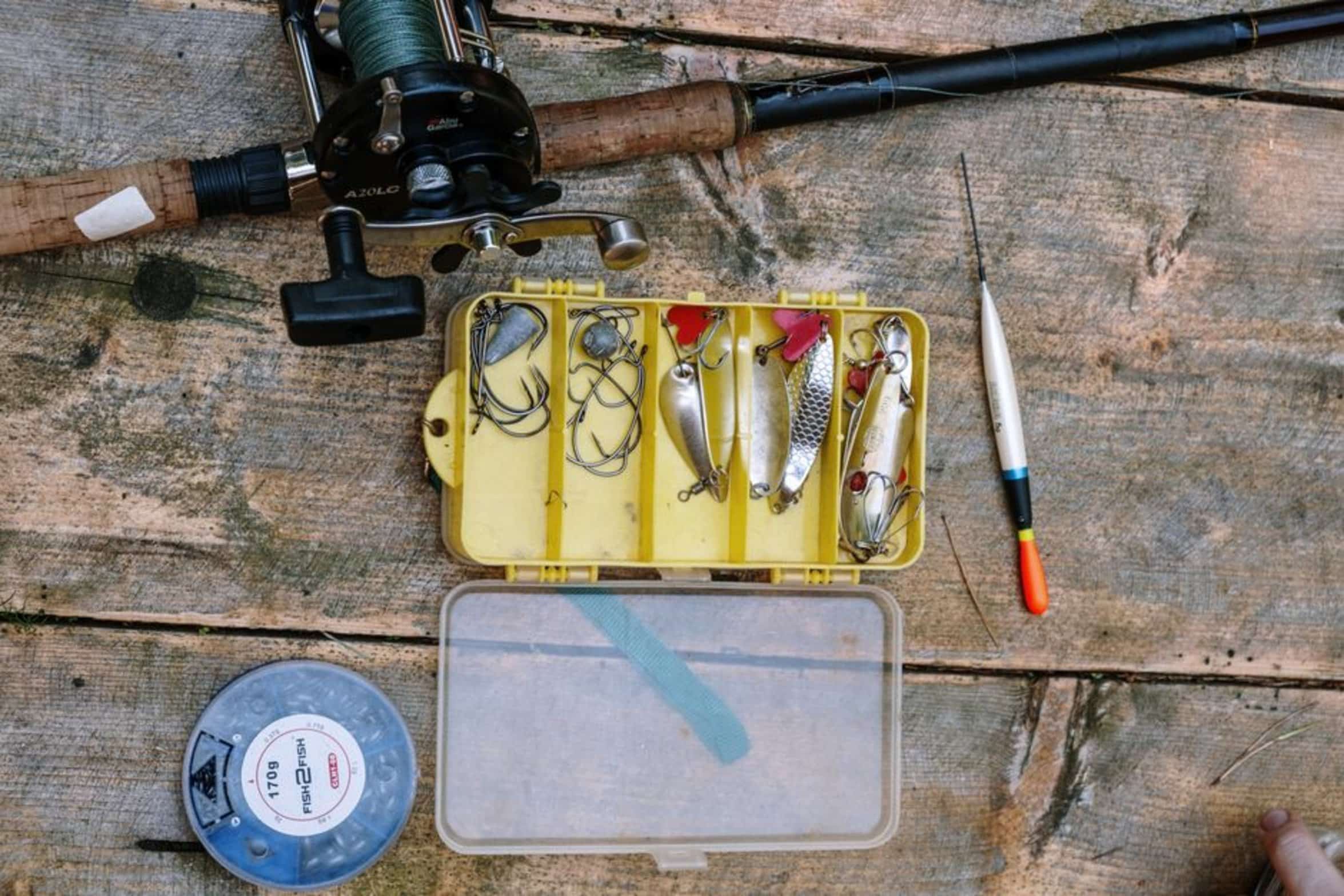
Circle hooks are great for catch and release because they hooks the fish in the corner of the jaw. Gut hooking is greatly reduced with these hooks. For holding fish, j-hooks are old school and do just fine.
Use heavy gauge wire, as regular wire bends too easy. Make sure you have a swivel connecting your leader to your line. This distributes the fight and keeps it from twisting up.
Best Bait for Catfish
The engine is your bait. A poor bait approach cannot be overcome by tackle. Use cut bait such as bluegill or skipjack herring in most fresh water situations.
Liver (chicken) is inexpensive and gets bit but also brings in other bottom feeders. Trophy fish are often caught on live bait such as shad or channel catfish. It’s all about the scent trail.
Allow current to work for you. Keep your bait down where the cats eat with weights Slide sinkers let your bait swim around more naturaly through the water column Egg sinkers are easy and get job done if you’re fishing stationary Match the weight to the current weight. Too light and you’re losing your spot Too heavy and you’ll be limiting how much your bait can move And finally, there’s lights and lighting.
Rigging and Presentation
This works well in slow moving water. Attracting baitfish with battery-operated lanterns or LED lights will also attract predators. This is a passive approach but one many anglers do take.
It is not necessarily needed, but it is helpful if the bite is slow. And finally….keep it simple. Empty out all those extra things in your tackle boxes.
A hundred hooks of different sizes aren’t necessary. Take three kinds of heavy hooks, a spool of line and some swivels. Done.
Keep it simple. Concentrate on bait presentation and location. And remember the gear is just a tool.
Knowing where the fish are is the skill. So let’s go back to that jam-packed store aisle. Lesson: Ignore the shiny gadgets.
Get yourself some meaty line, a stout reel and a heavy rod. Head to the water. Make a cast and wait.
Yep, those cats are there. Waiting for you to stop overthinking and start fishing.