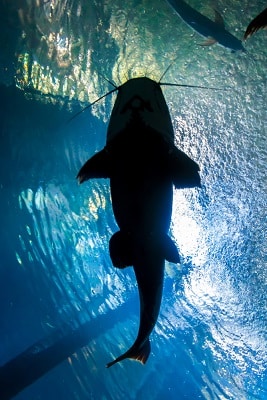
A lot of people think you have to have big tackle when you go after catfish. Big chunks of bait such as cut shad and heavy mono line comes to mind for most anglers. The truth is, those things exist because they are strong fish and live in dark water where scent is more important than vision.
But with the right gear, you can fish for catfish with lighter tackle. And this style of fishing are known as bobber fishing. Bobber fishing gets dismissed by some angler as a kids’ game.
Bobber Fishing For Catfish With Lighter Tackle
Why Light Tackle Works for Catfish
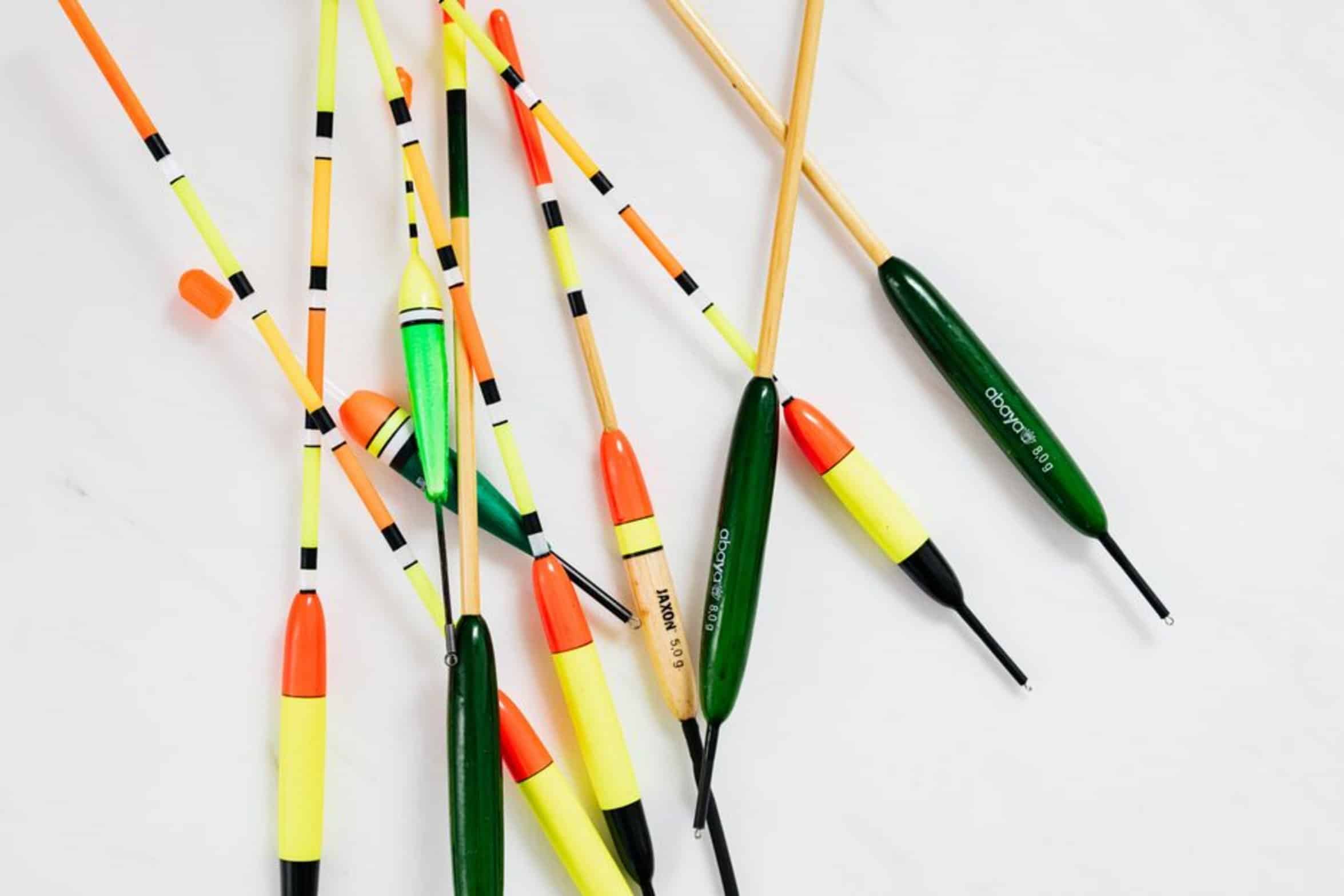
But there are certain benefits to this type of fishing. First a bobber show bites on fish that cannot be seen. Second, you can get away with smaller hooks and lighter line and still detect small bite.
It’s fun. It’s efficient. And it will catch some fish suspend just off the bottom.
Smaller flathead and channel catfish don’t require a beefy rod. You want something that can detects a bite and maintain strength to secure a fish. That means tweaking gear to suit this technique.
Choosing the Right Rod and Hook
Because you’re rigging the system with a bobber, the hook size has to changes. Big hooks used in traditional setups is concealed by bulky baits. With the bobber deal, you’re going to want a hook that look good while ensuring solid penetration into the fish mouth.
A 2/0 or 3/0 circle hook are ideal. Because the hook is round, it naturaly lays down in the corner of the fish’s mouth. There’s less likelihood of coming undone.
You sacrifice the possibility of embedding the hook in oversized piece of bait, but you gain increased accuracy. Don’t skimp on a good bobber either. In shallow water a regular cork bobber will work just fine for most situations.
Selecting the Correct Bobber Type
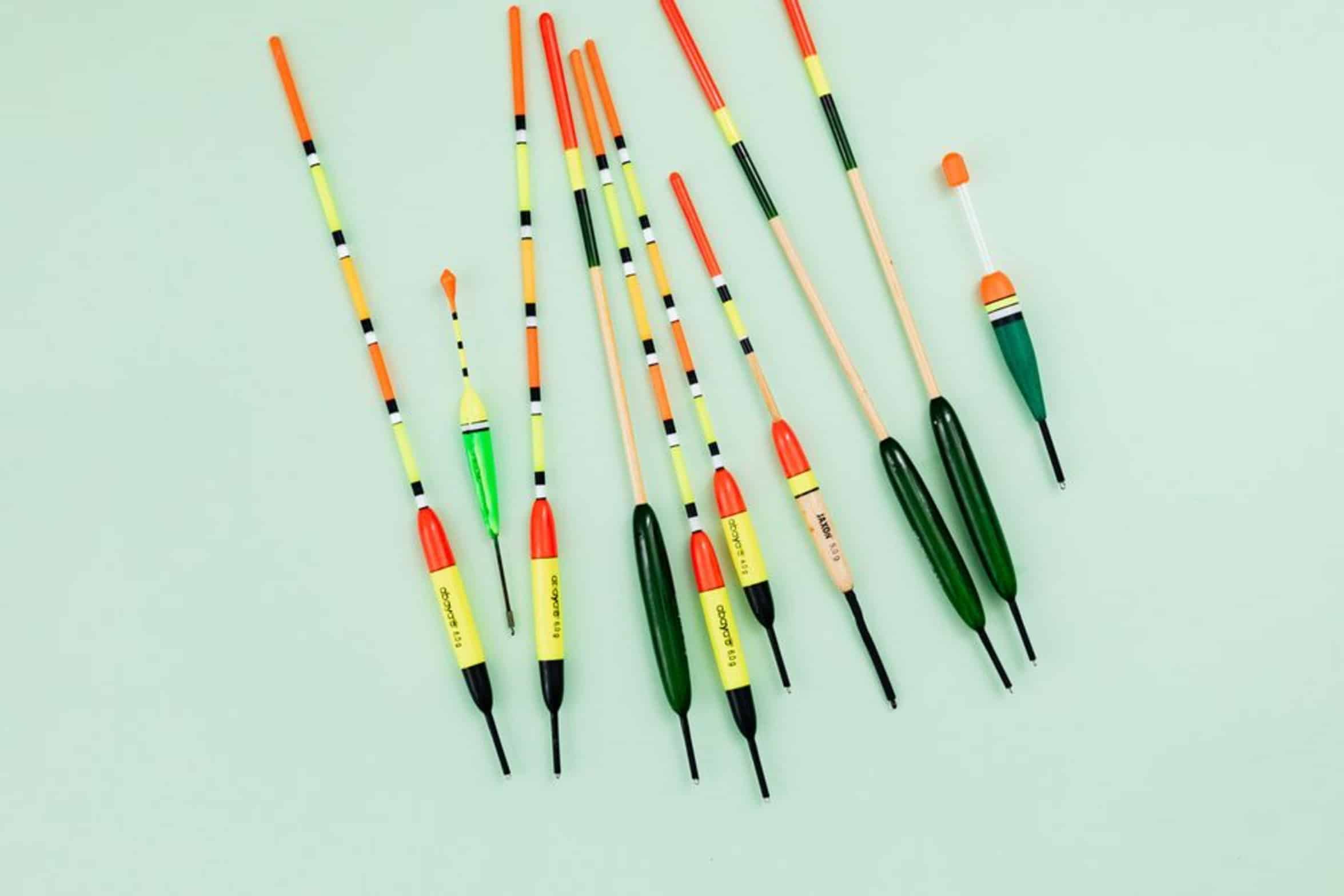
But how about that big ole catfish? That’s when you want a bigger bobber that can gives you some extra lift. Try an oversized oval bobber or one of those special floats where they make them with a steel wire stem.
That wire stem keeps the float from snapping off when the fish dive. Your float need to have enough buoyancy to match your bait weight. Too much and you’re out of touch, too little and you lose your sensitivity.
It has to has enough balance to allow your line to run directly back down to your bait. Choosing the right line involve a tradeoff. Normal catfish line is heavy stuff; six to ten pound.
Using Fluorocarbon Line for Sensitivity
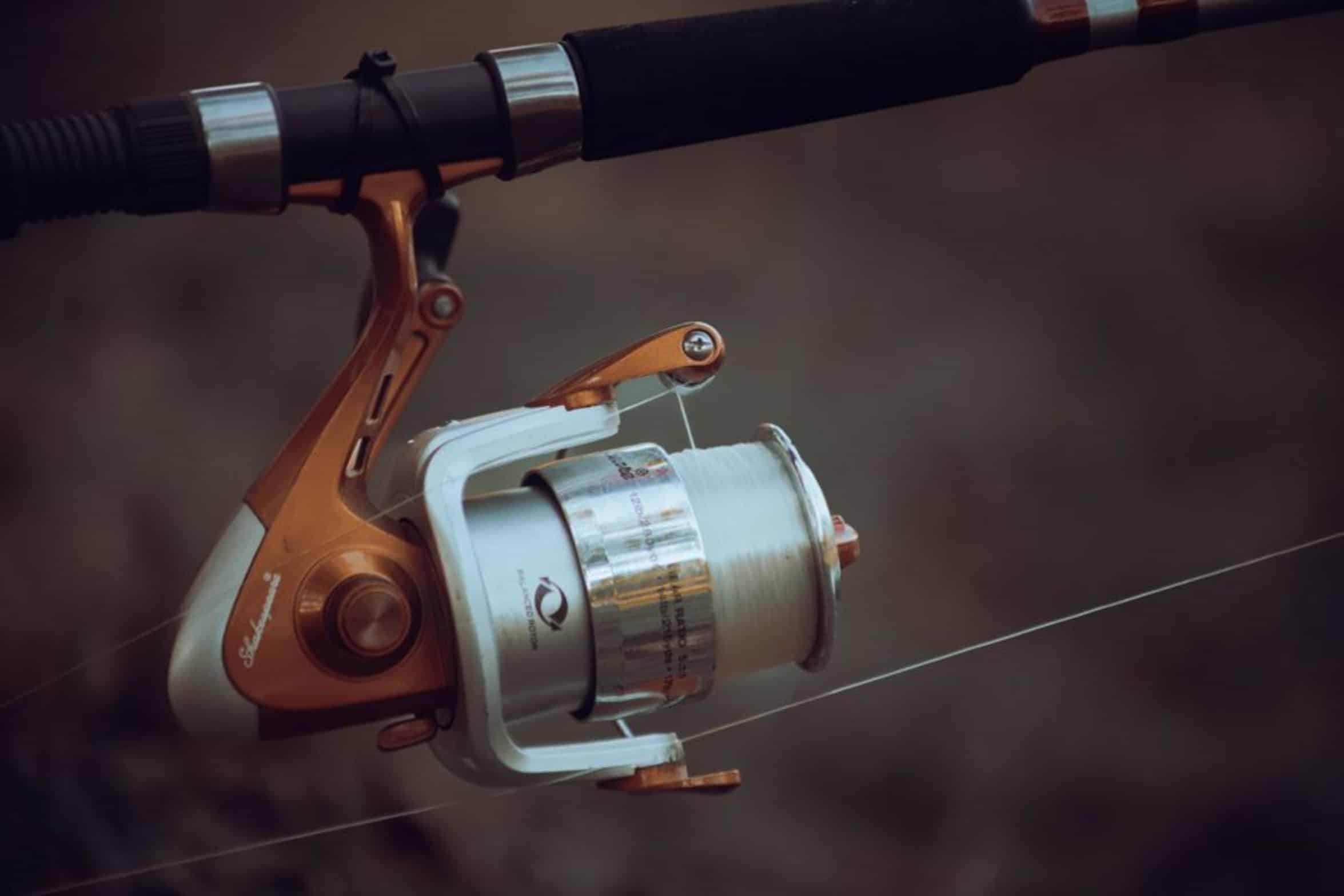
That line are too rigid for a sensitive bobber rig. Use fluorocarbon line instead. Use four or six pound test fluorocarbon.
It’s almost invisible. It sink quicker than mono. It will break easierer.
So expect to lose some fish on the thin line. But you’ll hook a lot more fish on fluorocarbon than you will on heavy line. Small bites is hidden by heavy line.
With light line, you see more action. The trade off are worth it. Lighter gear calls for different baits.
Live Bait vs Cut Bait
Cut bait is no good… It sinks down quickly, and when thrown out from under the bobber, it flies off and goes the other way. Live bait are more effective.
Thread a cluster of cricket or even a nightcrawler on the hook; they move naturaly. As the bobber sit at a certain depth in the water, it position the bait there. It give you the ability to fish right through that layer of water where the catfish will often be hanging.
By moving the stop knot, you can change its depth. Bottom rig do not allow such precise control. You are able to fish a column of water vertical rather than just the mucky bottom.
Setting the Hook and Fighting Fish
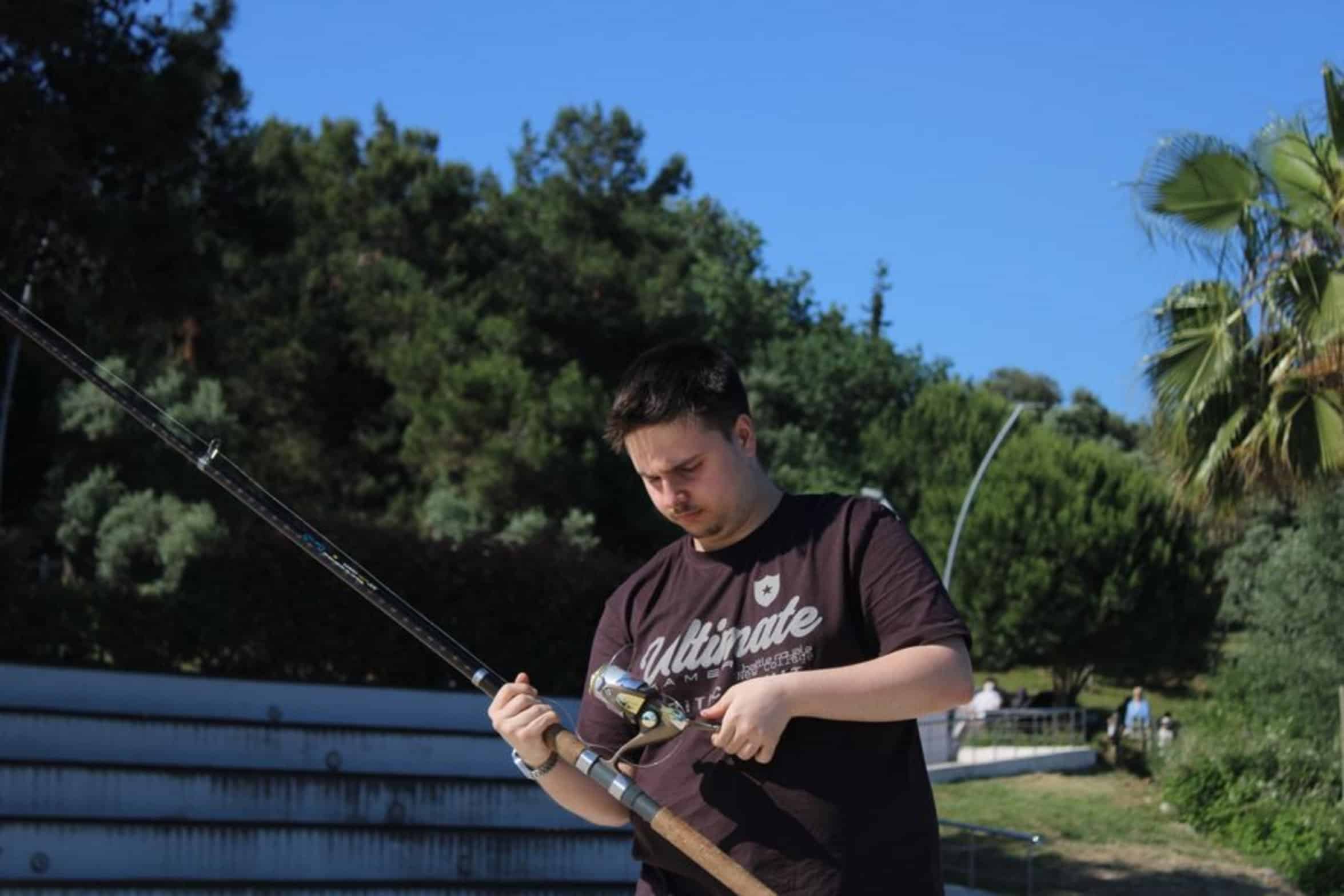
This is a different type of fight. Often, a catfish will bite and not immediately run off. It may just turn the float on its side or dip it down.
Wait until it take the bait. Let the float go heavy then set hard. Because of the lighter line, you have to work hard to prevent the fish from getting into cover and jumping.
When it make a quick run, use the rod to absorb that run. The light action rod bend and absorbs the shock. The bend in a light action rod are your primary shock absorber to save the line from breaking when the fish makes a sudden dash.
Perhaps you won’t catch as big of fish on the river using it. Maybe you’ll never catch a heavy, hard pulling blue cat off of it. But you’ll catch some catfish.
You’ll feel the fight without being so tired by the end. Without the bobber, there’s no guessing when they bite. It makes a passive wait into an active process.
Don’t think you can catches a strong fish on light tackle. Think again. You’ll be surprised how much the water has to offer if you change up your game plan and use lighter tackle.
You should of tried it.