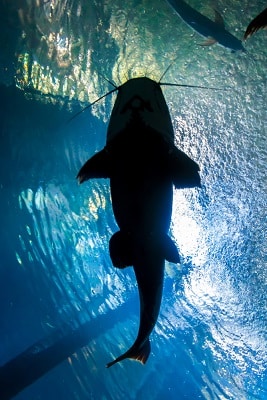
Catfish is a gentle creature, and though forgiving to the home cook, it must be handled delicatley when baking. The flavor is mild; it takes seasonings well, but the flesh will flake apart under too much rough handling. It also benefit from a crisp exterior while maintaining moisture in the center.
Timing, rather then temperature, is the key to this balance. When the time is just right, you have yourself a dish fit for a pro. Remember, how long a fillet bakes depends on its thickness and your oven’s temperature.
Baking Catfish Time Guide For Home Cooks
Understanding Cooking Times and Thickness
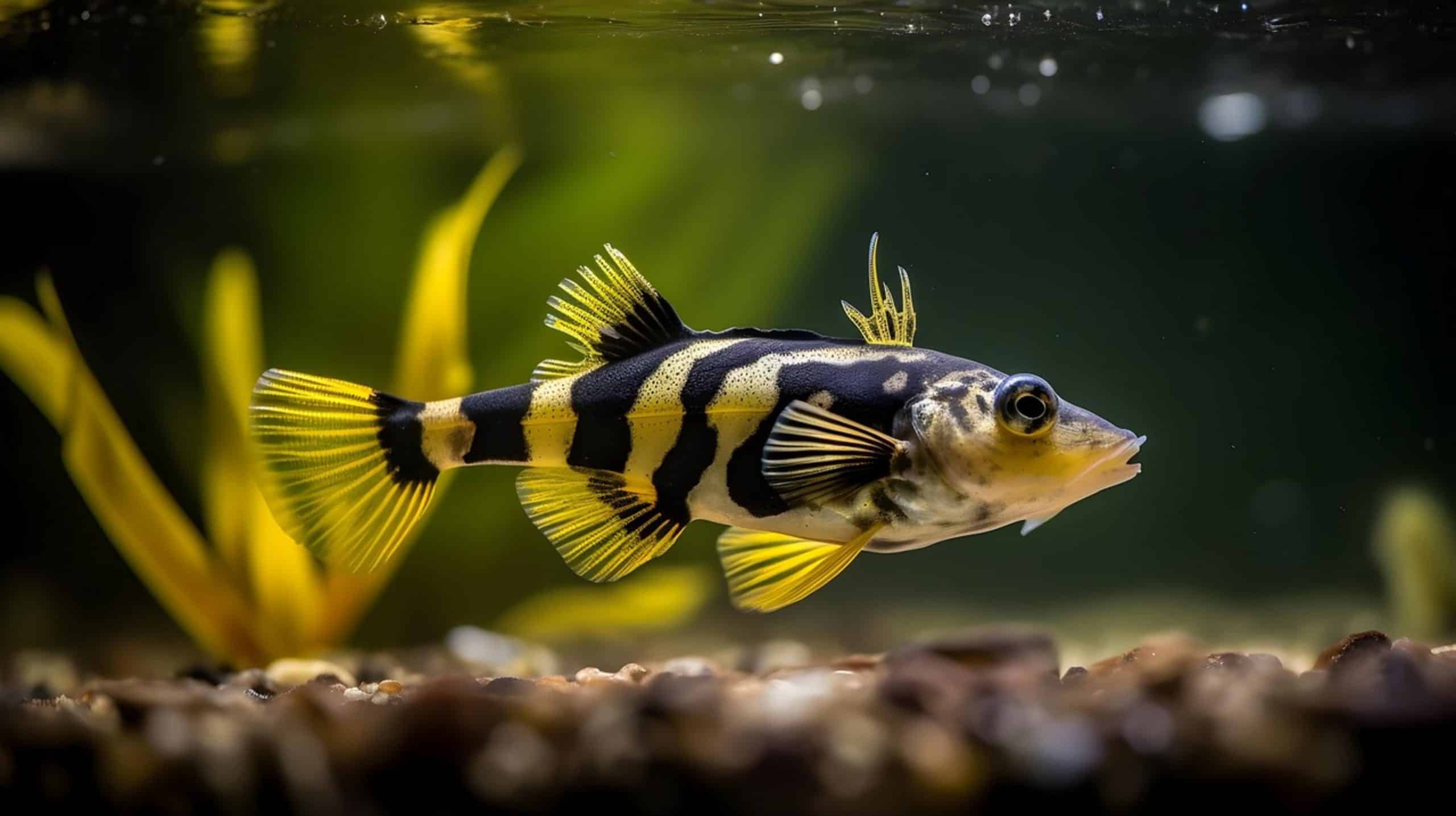
Every piece of fish will not cook at the same rate. If you are using a thin fillet it will cook in half the time than a chunky thick piece. Typical oven temperatures is around 400 degrees Fahrenheit.
This is high enough to crisp the coating but low enough to prevent overcooking the white meat. About ten to twelve minutes in an oven at 400 degrees is all that is needed for a one-quarter inch fillet. Fifteen minutes might be necessary if your fillet are thicker.
Before you prepare anything, the main thing you can control is thickness. How thick? Well, thin fillets (typically packaged vacuum sealed) will cook fast.
They are usually less than a half-inch thick. Pay close attention to the timer here. Ten minutes is typically about right.
Fifteen minutes and you’ll find yourself with some dry, tough fish. Then there are thicker fillet, which are three-quarters of an inch or larger. The key word here is mass.
It’s going to take a while to get heat all the way through this thing. Consider how long it takes in your oven.
Adjusting Temperature for Glazes and Crust
Cooking more gently at 375 degrees Fahrenheit cooks the food slower and gives sugar in glaze time to caramelize, not burn.
Generally speaking, expect the baking time to be three to five minutes longer then if you used a higher oven temperature. At 450 degrees F, however, things cook faster. High heat mean a quick crisping of the outer crust on breaded fish.
You can decrease the cook time by perhaps a minute or two, but you run the risk of having an overcooked exterior and an underdone interior.
Visual and Tactile Doneness Tests
Also know the way the heat passes through the fish during preparation. Naked fillet with only lemon and oil on them will cook faster than any other.
The heat go straight to the meat. An insulated layer like the batter or breadcrumbs slows the heat from reaching the meat. This means you will have to bake breaded catfish longer than naked ones of equal size.
While the breading does a good job of holding in moisture, it also slows cooking the meat. Use your eyes and fingers, not just the timer… To gauge when to stop cooking.
Fish is done when it’s completely opaque throughout. If you see any milky or translucent color remaining in the middle, it’s still raw. Gently press down on it with a fork.
Does it easily start to flake? Is there clean separation between flakes? That’s good, keep going.
If it stays firmly together but feels springy, it’s not ready yet; if it starts falling apart (or seems dry), it’s been overcooked. Your oven may be off. Better than a thumb rule.
Choosing the Right Baking Surface
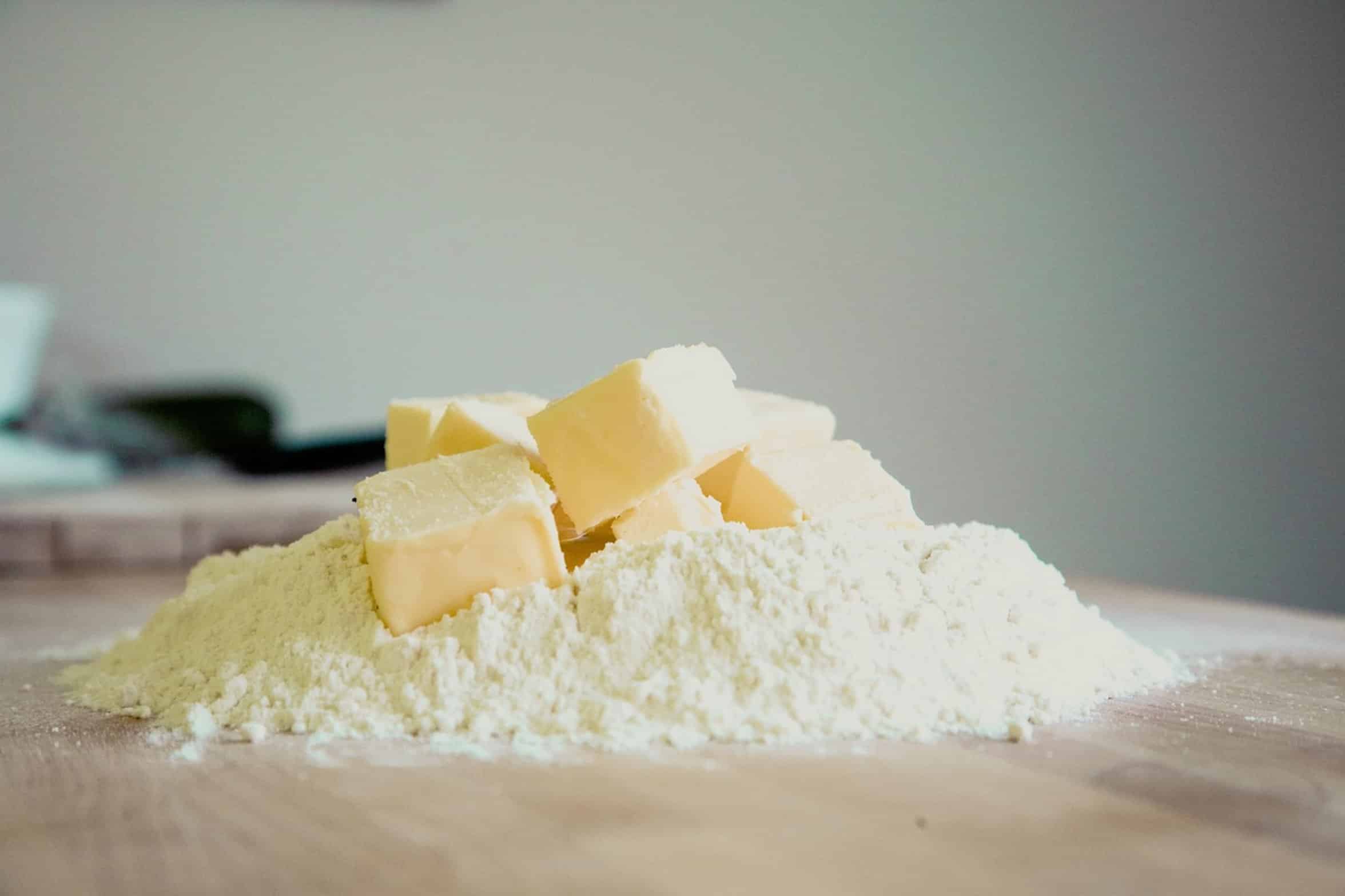
Baking surface. Baking on something different will alter the conditions. For example, aluminum foil reflects heat (this could cause the bottom to cook more quickly than the top).
Parchment paper won’t change the heat much, but it offers a non-stick surface that facilitates easy clean up. A baking sheet with a wire rack inside let air circulate all-around the fillet, promoting even cooking and preventing the bottom from ever steaming in its own juices. Consistent results are best achieved by using a rack.
Handling Marinades and Glazes
Timing gets complicated with marinating and glazing. Sweet glazes burn fast. For example, if you use honey mustard or sweet chili sauces as glazes, they should of go on during the final five minutes of baking.
Otherwise they’ll burn if applied before the start of a 12 minute bake. Marinades that has salt will extract moisture from the meat, which tends to be tenderizing. Wet mixtures might need a bit more time in the oven so some of the moisture cooks off.
Plan accordingly for wetness of whatever you’re adding to the catfish.
Preheating for Consistent Results
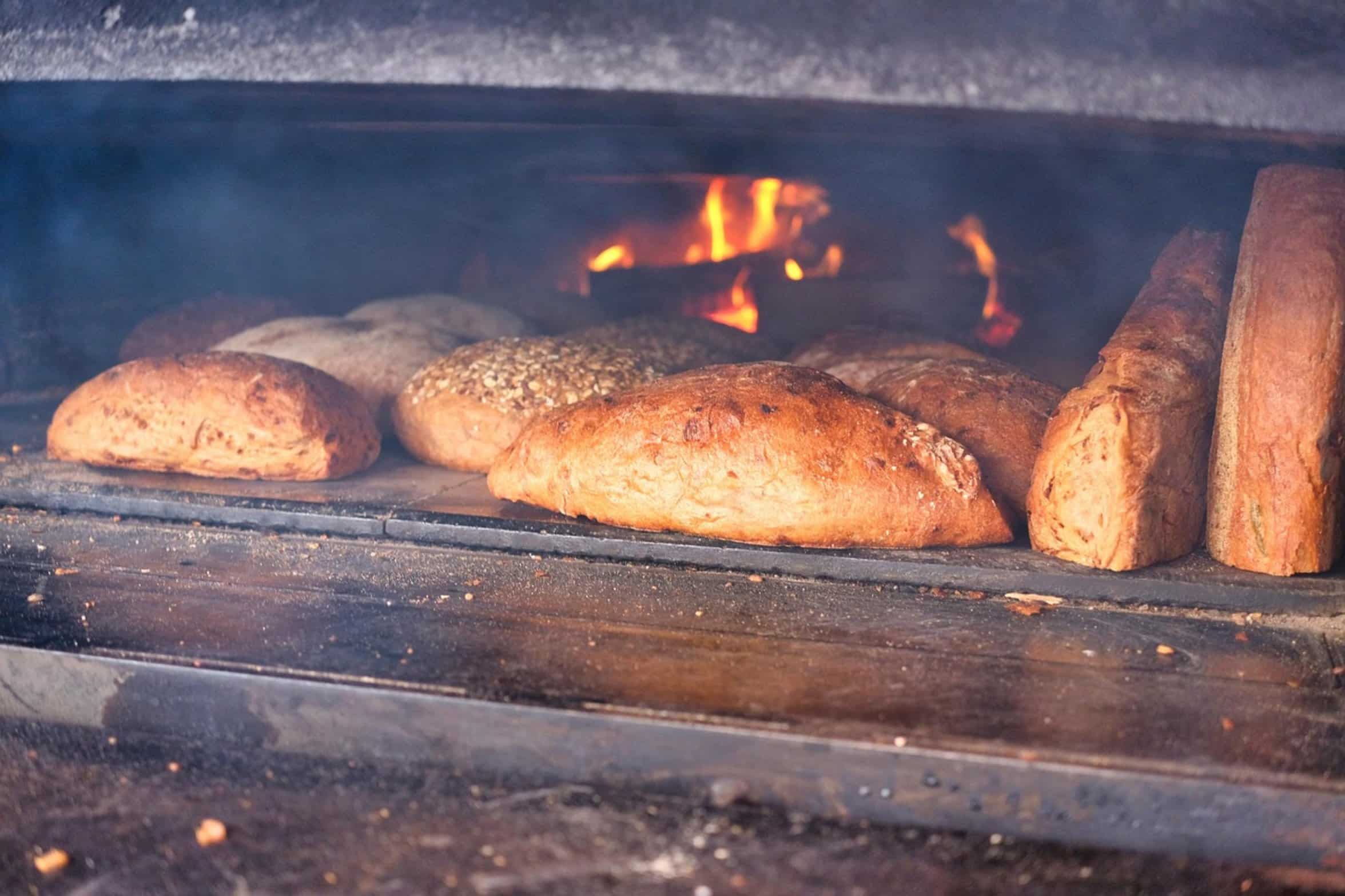
To ensure precise timing, always preheat your oven. The cooking times in the previous paragraph are based off an oven that’s already at temperature.
Placing a cold fish into a cold oven will result in unpredictable delays. For several minutes while the oven heats up, the fish is just warming the air, not cooking. That results in dry, unevenly cooked fish.
Let the oven tell you when it’s ready. It’ll save the meal. Cooking fish at high temperatures risks drying out that delicate protein, but it can help create a crisper crust.
In baking catfish, it’s all about using temperatures like 400 or 450 degrees to get a nice crispy crust while still cooking the fish through. Thinner fillets may take less time (around 10-12 minutes at 400 degrees) while thicker pieces will take longer (more like 25 minutes at 375 degrees). Regardless, aim for flakey, opaque meat with a nice crust.
It’s more important to rely on your fork and eyes rather than your watch. That will help ensure you’re always cooking in the sweet spot. A couple of extra minutes can be the difference between good and realy good.