Most catfish anglers has a deep prejudice against baitcasting reels. The thinking goes that they’re the only choice for dropping a cut bait down and staying close to bottom structure. Long lines, heavy weights and lots of hangs is frequently necessary with catfish.
Big flats and big channels call for heavy line, and spinning reel cope better than fixed spools with that kind of line pressure. But by doing this, you leave money and performance behind. Serious catfish fishermen has been rethinking their tackle for big cats.
Why Switch To Baitcasting For Catfishing
Advantages of Baitcasting Reels for Catfish
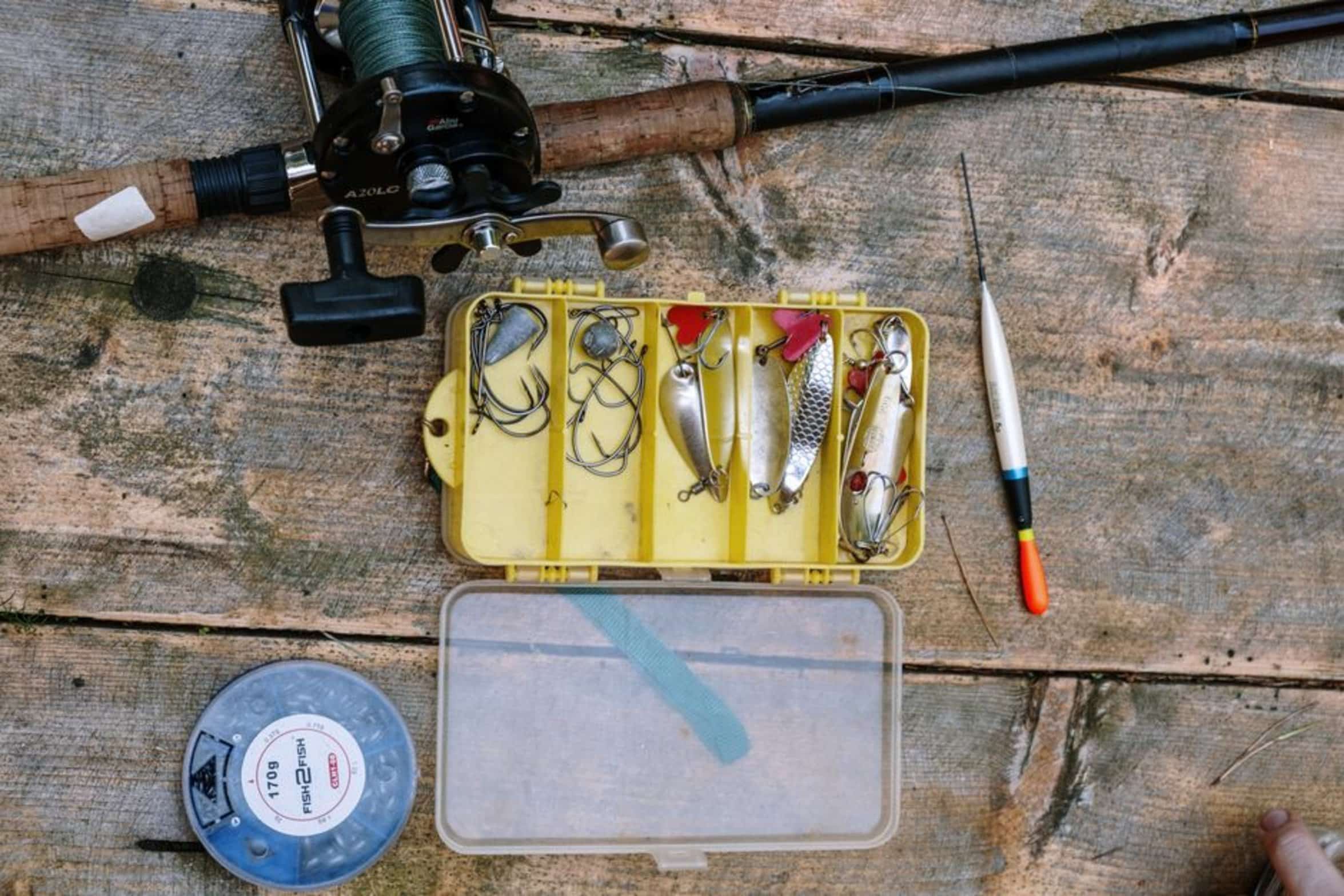
It’s especially true where precision and power matter alike. Control is one of the primary reasons people like baitcasters. When you’re fishing for a particular type of cover, be it rocky river ledges, brush piles, fallen timber, you want to put your bait down there and right on top of fish.
While spinning reels will get the job done, you won’t be able to cast quite as accurately than you can with baitcasters. With baitcasters, you aren’t just dropping your bait in the general vicinity of the structure; you can place it exactly where the fish are holding. The bait stays in strike zone longer and reduces snags.
It completely changes your mentality from broad-casting to pinpoint-casting. The first challenge is equipping yourself correctly. Don’t use a lightweight trolling reel to catch a 50-pound catfish with thick line.
Choosing the Right Baitcasting Reel
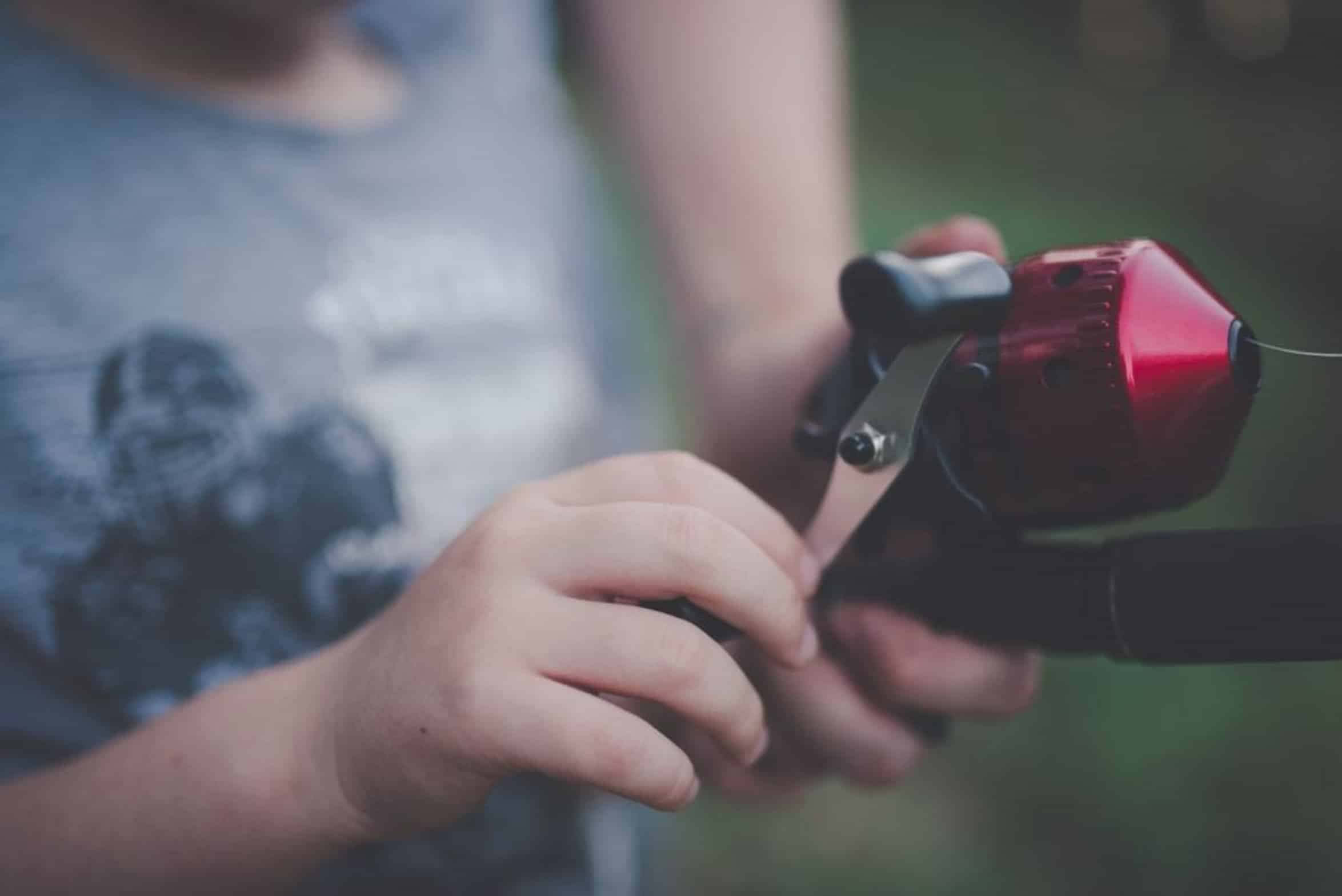
Drag is the most important element of whole rig. Look for a reel that will hold weight but not overheat or slip unpredictably. Lew’s, Daiwa and Shimano own this market with reels capable of big spools.
Good starting places includes the Shimano Curado and the Lew’s Tournament Series. They feature beefy gears, strong magnets, and brakes that let you store a lot of line without any backlashes. Find one with a solid, progressive drag that takes a hard run without ripping your line and tearing up the reel itself.
Line Selection for Baitcasting
How you fish is dictated by line selection Catfish are tough, they pull hard and deep. They’re not concerned with feeling subtle bites; their concern is abrasion resistance and strength. Braid is the go-to line on a baitcaster for this use.
No stretch means no delay in getting the hook into them. That’s important because we’re going to fish around some pretty heavy cover. Getting a good hookset too late could mean you’ve got a bent hook or lost fish.
The downside to braid is that wary catfish will see it in clear water. Putting a fluorocarbon leader on the business end solves this issue. You get the strength of braid.
You also get the benefit of invisibility close to bait. Using a braided mainline with a fluorocarbon leader gives you the best of both worlds. Surprisingly, it’s the rod action that’s surprisingly important when this combo works so well.
Rod Action and Power
Ultra-light rods is popular with many catfish anglers. They think the only thing they should care about is sensitivity. Not realy.
When baitcasting, you want a stiffer rod. A heavy or even medium-heavy rod provide the power necessary to drive a hook into a catfish and move through cover. And because the rod must have some backbone, you can work the catfish away from structure fast.
With a flimsy rod, the fish will fight the tension in your line and bury itself right back in the woodpile. A stiffer stick keeps him coming towards the boat. It’ll also allow you to cast beefier rigs which won’t tire your arms as much over the course of a full day of fishing.
Baitcasting Technique and Control
Changing gears; From spinning to baitcasting requires some technique tweaks. One big difference is the rigs weight. How does the fishing rod handle bait weights?
Baitcasters offers more control and precision when using heavy rigs and line. Catfish rigs gets heavy. This will force you to adjust your thumb pressure on the spool more often.
Backlash is enemy of efficiency. Thumb-controlled spool learning is a skill that becomes easier over time. It gives you the ability to make longer, truer casts.
You can also present the bait more naturaly closer to bottom. Slowly letting the bait sink down while it lightly kisses the bottom is more enticing to a wary catfish than a heavy thud against it. You are taking care of it.
Baitcasting Reel Maintenance
A good baitcaster lasts a long time when you take care of it. The inside components will rust over time if not maintained, whether it’s salt or fresh water. After each fishing trip, rinse the reel off with clean water.
Make sure the drag washers is still smooth. If they’re gritty, clean them. A smooth drag is the difference between keeping a trophy fish and losing it to a broken line.
Taking a few minutes to clean up will save hours of frustration down the road. Caring for a quality baitcaster is an investment worth protecting. Catfish fishing with baitcasters isn’t just about buying new equipment.
It’s about getting better at it. You’ll have increased confidence, power, and accuracy. There is definitely an initial learning curve, but it dissapears in short order as you become used to using it.
Suddenly you’re able to target individual areas instead of sitting there wishing one will swim by. You’ll feel more connected to the bottom. You will act with more purpose.
When that big bite hits the end of the line, you’ll know you’ve got the setup to deal with it. The fish won’t care what reel you are holding, but man you’ll love having the control over it.