The name brings up thoughts of mud and you might be reluctant to prepare the fish. That’s why many folks shy away from it. Catfish is a mainstay in Southern kitchens.
And for those willing to try something new, catfish are a growing favorite everywhere. The truth is, catfish isn’t as bad as its reputation. It has a mild flavor if you know where to look.
Guide to Catfish Texture Color and Cooking
Why Catfish Deserves a Second Look
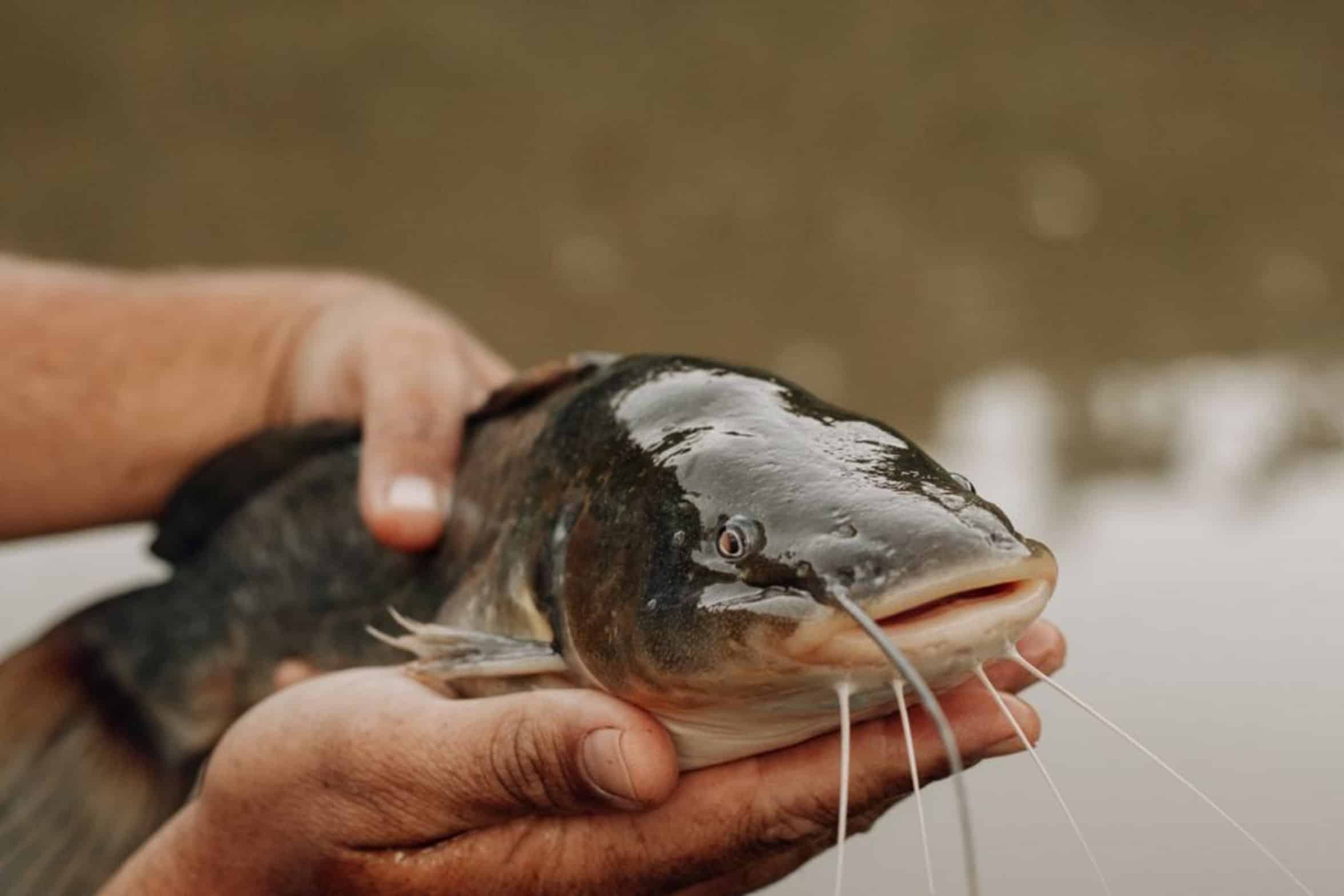
It have a firm texture. It holds well when cooked. There’s a certain appearance to fresh fillets.
How to Identify Fresh Catfish
Catfish is subtle. They’re not bright orange like salmon. They don’t have those deep red hues that tuna has.
Take the fish as a canvas. How do you read the canvas? Do you know what to look for?
Does your fillet appear gray? That ain’t fresh. Is it smelly?
Pass on that fillet. Is it mushy to the touch? Then its not good.
Buying that kind of fillet means you lose. Choosing the right one gives you a versatile protein. Spices and marinades absorbs into the fish.
Its structure holds up. You can identify fresh catfish by their appearance. Depending on what they ate, fresh catfish will be translucent white to a pale pink color.
It depends on the species. It’s also based off how well it was handled and stored. Catfish, specifically channel catfish, are widely available in the US market.
When you see them, they are light and clean looking. If the flesh is gray, that means it’s been out to long or not well kept. The first thing about fresh fish is its color.
You want to see something with a nice bright look, which tells you the fish was handled well. That clear appearance lets you know that the fish’s muscle tissue has barely broken down because of enzymes. Texture also matters in the kitchen.
Understanding Catfish Texture and Flavor
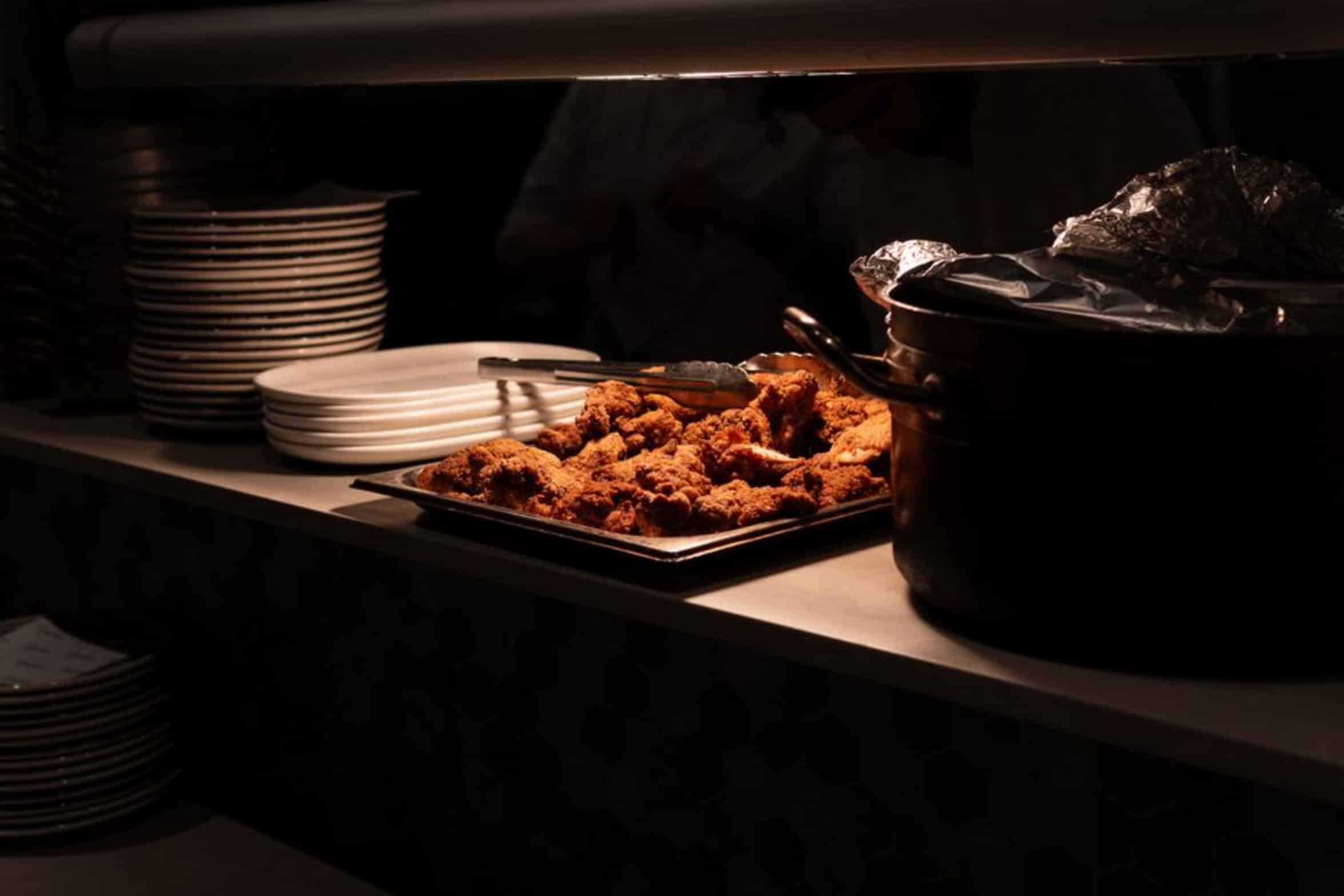
Is it flakey, like tilapia or cod? It is more dense. It won’t fall apart when cooked in a hot pan.
No problem with it falling apart in oil. Lots of other white fish are too delicate for high-heat cooking. Grilled catfish or fried catfish doesn’t disappoint.
Its muscle fibers is tight. That makes it fun to chew. Some say it is steak-like.
The fish is firm enough so that you can go big on the seasonings. You don’t lose the fish flavors. Just coat it in spices and cornmeal.
Cornmeal holds onto the fish. Fish has a strong enough surface to hold all that stuff on. So is it true that they taste “muddy”?
Farm-Raised vs Wild Caught Catfish
Most of the time no. That’s more of a perception issue based off where the fish come from. Here’s why. The farm-raised catfish have a neutral, clean flavor.
They are raised in tanks under controlled conditions. Fed formulated feed. No earthy aftertaste.
Muddy taste? This taste is usually reserved for wild caught catfish. Wild caught fish live in low oxygen, silty water.
Typically if you stick with blue and/or channel catfish that are farm-raised, you’ll be in good shape for a mild tasting catfish. Blue catfish tend to be bigger, with firmer meat. Great for grilling!
Know where your fish came from to know what to expect. If it’s a fillet from a tank-raised catfish, it will taste like whatever seasonings you put on it. Not like the pond.
Prep Tips for Crispy Catfish
The prep work is simple. But it makes all the difference. Patting down the fillets before seasoning them makes all the difference.
A moist fillet doesn’t create a good crust. When I say moist, I mean any moisture on the surface of the fish will cause the breading to steam. That makes it soggy.
Use paper towels to soak up any excess moisture. Then, dredge your fish through the breading. Why?
Because this step is critical for that nice crunchy exterior, while still keeping the inside tender. Don’t forget the drying process. So many folks skip this step which results in a pasty coating.
It might fall apart on the plate. You will also get a soggy fish instead of the golden, crispy dish you were hoping for. Take the time to dry out those fish.
It makes a world of difference in the final meal. There are many cooking options. Pick what suits your fancy.
Best Ways to Cook Catfish
The traditional way is pan-fried. It has a crispy exterior and a juicy interior. A healthier option is to bake it in the oven.
Just oil the fish lightly and let it cook at a high temp until tender. For thicker cuts, grilling is an option. Steaks from blue catfish work best like this.
Avoid overcooking. Catfish is low in fat. That means it dries out quickly.
When the fish becomes opaque, stop cooking. It flakes apart easily when poked with a fork. If you’re going by feel, stop short of “done.” If someone’s hesitant about trying anything new in the seafood category, it’s usually because they don’t know where to start.
Catfish is that starting place. Between chicken and all things seafood, catfish is right there. It is easy on the palate and has a very mild flavor.
Firm enough to be fun but also versatile. Can be fried up as a weeknight dinner. You can grill it as a summer party dish.
And it’s never too proud to take center stage; no need to impress here. It simply goes along with the party without stealing any thunder. If it’s a freshly caught fillet, it’ll show you how it got so popular over the years.
So when you encounter some catfish at the store, look beyond its name. Just look past the name and trust the texture. Go ahead and trust the texture.