It’s one of those moments that can give you that particular brand of panic: Will the meal be kosher? And what if the main course isn’t? You’ve washed fillets.
You’ve made marinade with citrus and fresh herbs. You’ve got out the pan to sear. Now someone asks a seemingly harmless question about the fish, and then comes the awkward pause.
It’s that moment when you look at the label or remember the description from the restaurant menu. Catfish? Almost certainly, the answer is no. More Shabbat dinners is ruined by this discovery than they need to be…
But only if you stop reading right here. How do you understand why? What I find confuses most is the fish itself.
Why Catfish Is Not Kosher Explained
Common Misconceptions About Catfish
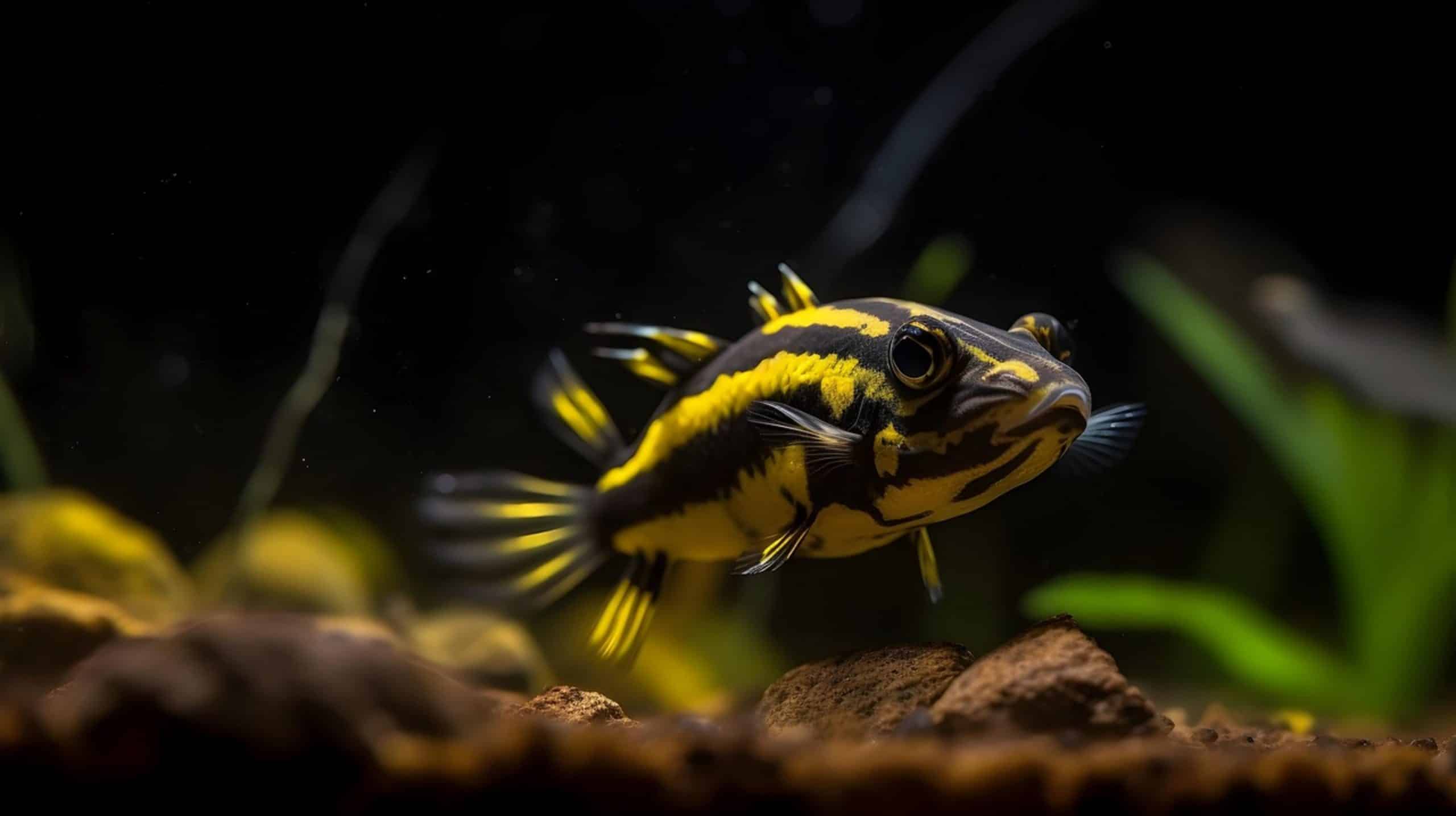
Catfish has gained some popularity because of its use in Southern cooking and because it’s so readily available in grocery stores. It cooks well, tastes great. If a fish are popular and tasty, most of us figure, it has to be ok for a kosher diet.
Bad assumption. When it comes to fish and other aquatic creatures, kashrut laws is clear and do not allow much wiggle room. Simply put: No, catfish is not kosher… but why?
Jewish Dietary Laws for Seafood
That’s where things get interesting for those who has to deal with food restrictions. How does this apply to catfish? First, let’s review some basics of Jewish dietary laws related to sea creatures.
According to the Torah, certain sea animal can be eaten and others cannot. These rules are based on a set of criteria for determining what is allowed. For example, with land animals, they must chew their cud and have cloven (split) hooves.
With birds, there’s a list of those that aren’t allowed. Fish are more straightforward in theory. Here are the rules.
They must have scales. They must have fins. At the same time.
It’s a simple binary system: a fish either meets both requirements or it doesn’t. One way or another, if an animal lacks either scales or fins, it’s not kosher. So this is a two-part system.
Either a fish has both of these characteristics or it doesn’t. No room for ambiguity here. So this one is pretty simple.
Why Catfish Lack Kosher Scales
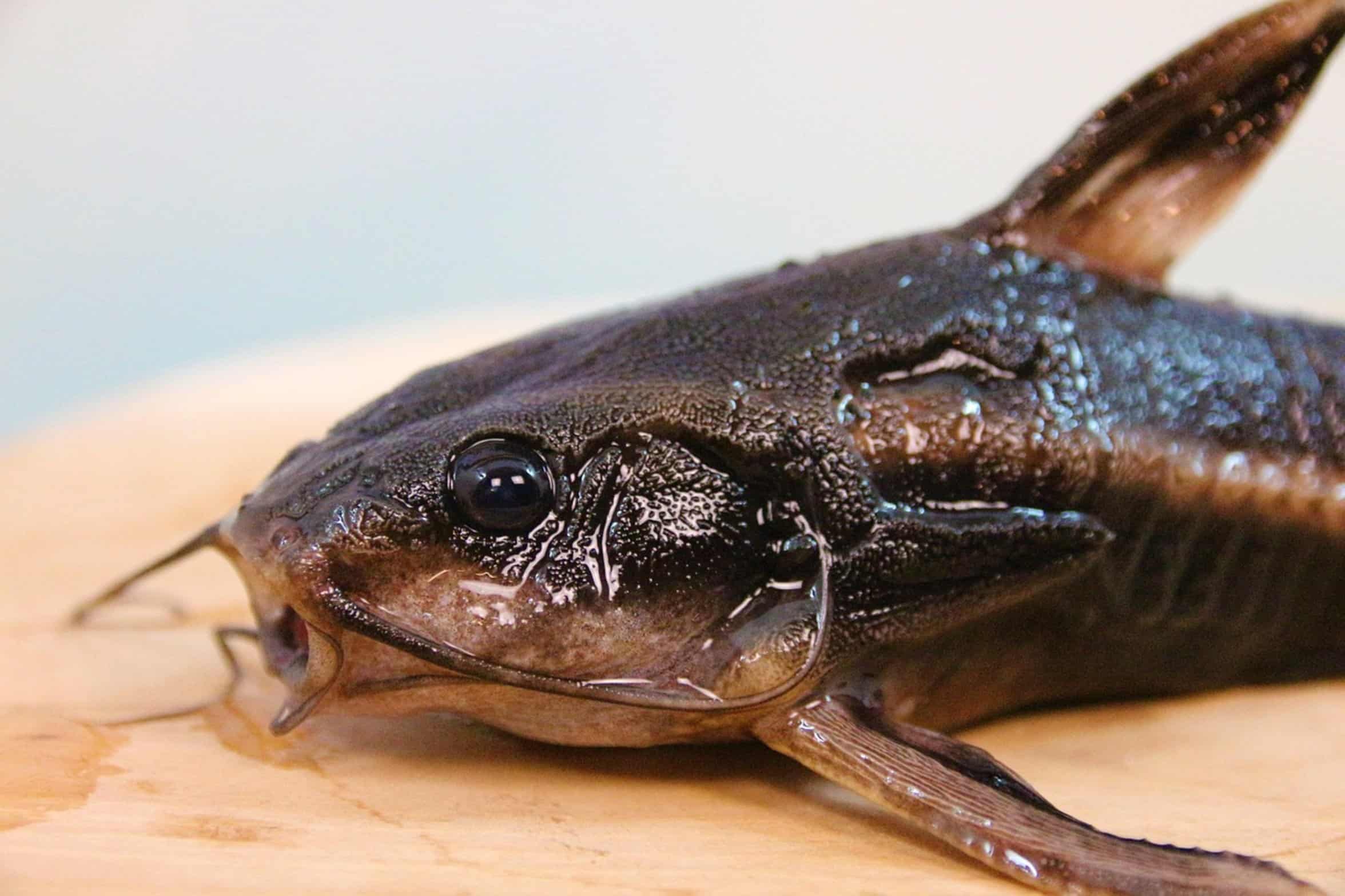
The fins are present. We’ve seen them. Anytime you go to the fish market, you’re going to notice fins on that catfish.
It’s the second part. Does it have scales? No. Smooth, slimy skin?
Yes. That’s what separates these fish from others. And it works for them.
In dirty water, their skin protects them from any pesky parasites or other nasty things they might encounter. Their skin acts as a protective barrier against parasites and debris in murky water. That means they fail the simple test.
These include flathead catfish, channel catfish, and blue catfish. Doesn’t matter what type of catfish you talk about. No scale = no dice.
Understanding True Kosher Scales
For example, catfish have placoid scales also known as scutes, which is protective in nature, yet not considered by kosher law as scales. Cyprid scales are the true kosher scales. These is thin, flat and readily removable.
They can be scraped away from the skin with a knife and not harm the underlying skin. If you have to cut into the flesh to remove it, it is not a scale. In other words, you can’t flake the scale off like a salmon or a tilapia.
The toughness of the skin proves its not kosher. It’s the way the skin is structured that makes it a no-go for a kosher person. But this doesn’t alter the fact that the fish is still the same fish.
It doesn’t matter how it’s prepared or cooked. The fish is either kosher or not. It depends on its biology, not its process or place of production.
Whether a fish is kosher or not does not depend on whether it was organic, free range, wild caught etc. What makes a fish kosher is the biology of the species, not the way in which it was produced. That’s permanent and can be annoying when people look for loopholes. You might wish there were a special brand of fish that you could buy, but just as long as you buy their brand everything would of been ok.
Nope. Sorry. The biological nature never changes, despite what marketing says.
Kosher Substitutes for Catfish
Fortunately, there are plenty of options that can serve as your substitute. If it’s the flakiness and mild flavor of the catfish you want, then many kosher fishes can match that description. Tilapia is popular.
It’s reasonably priced, and it’s everywhere. For something more substantial, try cod. It offers a firm yet delicate bite.
Heartier fare calls for halibut, which holds up nicely in sturdier dishes. All of these choices not only satisfy the culinary need, they also follows the dietary rules. When planning dinner, switching to a kosher equivalent is far simpler than discovering it too late, post-cooking.
The Importance of Dietary Knowledge

This difference makes all the difference, because kashrut is not merely a matter of food safety. It is a discipline, a practice in mindful awareness. The laws are meant to make clear lines between what may be consumed and what may not.
They require careful consideration. Knowing that catfish isn’t kosher prevents an errant purchase at the grocery store or restaurant. It enables you to prepare meals confidently.
You can eat a fish without wondering if perhaps it was not kosher after all. You don’t have to second guess each and every fish dish that comes your way. When you know the law regarding scales, then you has the means to make educated decisions.
Panic turns into prepared knowledge. At the end of the day, though, it’s simple. Here’s what it boils down to: Catfish are scaleless fish.
And that’s why they’re off-limits to those who follows kosher dietary laws. There is no wiggle room here; there is no subjectivity involved. There are observable characteristics.
If you look at a catfish, you’ll notice the lack of scales. To understand why it’s not kosher, you have to look at the foundational rules of Jewish dietary law and specific biological criteria; you simply need to remember the rule. Remember the rule and you’ll eat well while eating kosher.