When most people thinks of Cajun food, they envision an unending line of red sauce: crawfish étouffée, a bowl of gumbo loaded with okra, some fried catfish topped with thick roux. While this isn’t far from the truth, it’s also very limited view. It glosses over what makes Louisiana cuisine tick in all its more complex, lighter, and brighter beauty.
It is the fried food. It is just the gateway drug. Peel back the breading and let the fish do the talking while the scented holy trinity (onions, celery, bell peppers) provide support.
Discuss catfish preparations that moves beyond the fry pan. This isn’t about transforming culture; it’s about recognizing how well this fish adapts to herbs, acid, and heat. With its light, flaky texture and mild taste, catfish soaks up flavors around it while never getting in the way.
This makes it ideal for cooking techniques where grilling, braising, or steaming are called for instead of dunking the fillet into oil. The aim here is not to lose the spirit of the cuisine while expanding your palate. Most of these methods highlight how fresh the ingredients are, much more than heavy frying do.
It is lighter on the stomach yet just as heavy on the soul. From the stovetop to the oven to the grill, let’s take a look at how traditional Louisiana cooks elevates this humble river fish into something realy special. Braised Catfish is also known as Catfish à la Bayou.
Exploring Delicious Cajun Catfish Cooking Methods
Braised Catfish in a Cast Iron Skillet
A heavy cast-iron skillet or a clay pot are one of the best vessels for cooking a really great catfish. Braising a fillet in this way only require a few ingredients. Lightly coat the fillets in seasoned flour and sear them quickly in hot oil until the outside have a nice golden crust.
Remove and then make a sauce in the same pan. Sweat some veggies (the trinity), pour in a bit of beer or stock, and put the fillets back into the pan. Steam the fillets in the pan with their juices and steam from the aromatics.
So much moisture is retained in the flesh. It is flavorful and tender but not greasy! It proves that all you need is clay pot or heavy skillet and not the fryer to achieve that quintessential Louisiana flavor.
Catfish En Papillote with Lemon and Thyme
If you like your catfish with more of a flash, consider the dazzling cauli- catfish en papillote: Filet the fish; tuck it, sliced lemons, tomato chunks and fresh thyme into some parchment paper; fold it shut (like a book); bake it until done. Steam seals everything inside pouch to gently cook the fish and keep it tender-tender. Inside the packet, the flavors intensifies, and when you cut open the pouch at the table and tip out the concentrated broth, it’s rich and flavorful…
And fancy-pants. Fancy-pants, with only five ingredients. Plus, there’s no dish to wash since the paper packet goes straight into the trash.
Grilled Cajun Catfish Skewers with File Powder
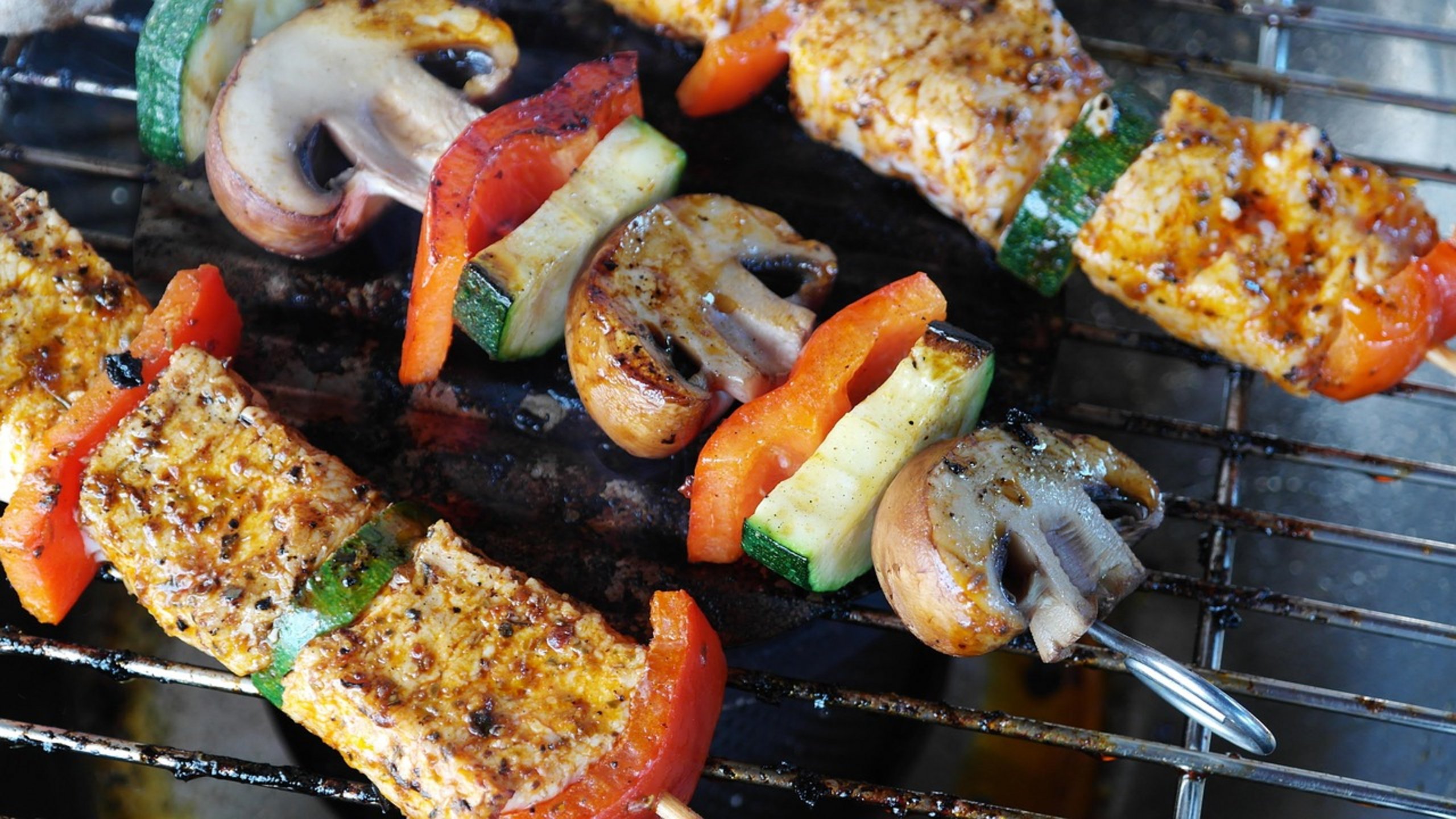
Think of this as revealing, not disguising, the fish natural sweetness. A little smoke on the plate is essential. Backyard barbecue and summertime festivals wouldn’t be complete without cajun catfish skewers.
The trick is a marinade spiced up with filé powder (made from sassafras leaves). Filé gives this grilled fish an earthy but faintly sweet edge that go perfectly with char. Thread the sturdy white fish between pieces of bell pepper or red onion.
Cook them all over high heat, letting the veggies’ juice drip down onto the catfish. Every bite offer smokiness, sweetness and a touch of spice. It’s a whole meal on a stick.
And one tip: Oil your grill grate generously; catfish has a tendency to stick if the cooking surface is too dry.
Cold Poached Catfish Salad with Remoulade
Cajun tradition can even load up on a simple salad. In a cold catfish salad, the main event are poached fillets, chilled then flaked and tossed with mixed greens.
The dressing is a creamy remoulade of mayonnaise, horseradish, mustard plus a hint of tarragon. It sounds simple enough, yet remarkable: the contrast between the warm, flaky fish and the cool, creamy sauce. Perfect for those hot summer days when a heavy stew seem like too much work.
The vinegar in the dressing adds just enough acidity to cut the richness; it’s a light dish. This demonstrates catfish’s versatility across various prep and temperature. All of these options demonstrates what we know: Cajun cooking isn’t monolithic.
It’s a flexible tradition which adapts to the ingredient in front of it. By using some (or all) of them, you’ll learn something about it, pay homage to the food, expand your perception of it, go beyond the known, and see what has kept it alive for generations. You should of tried these flavors.
When you purchase some catfish, don’t immediately reach for the deep-fryer. There’s a world of flavor just beyond the hot oil.