When you take white fish, coat it with seasoned flour and fry it, something happen. It becomes fried catfish. Fried catfish are comfort food.
It’s easy to make, doesn’t take much effort but has this taste that makes you think someone spend hours cooking it. That’s why it stays in homes throughout the South and realy anywhere. It’s tender inside and crispy on the outside.
It doesn’t require fancy equipment either. You simply need oil, a cast iron skillet and restraint. Frying up some fish seem like a complicated task to most folks.
It requires a culinary degree, they believe, or at least a deep fryer. In truth, it’s much easierer. Most fried fish recipes gets unnecessarily fancy with heavy marinades and thick batters.
Those ingredient cover the taste of the fish. Keep things simple and let the ingredients speak for themselves. You don’t really need that many tool.
You just need a few basics and a clear head. What kind of fish? More than you’d imagine.
Easy Steps for Making Crispy Fried Catfish
Choosing the Right Catfish
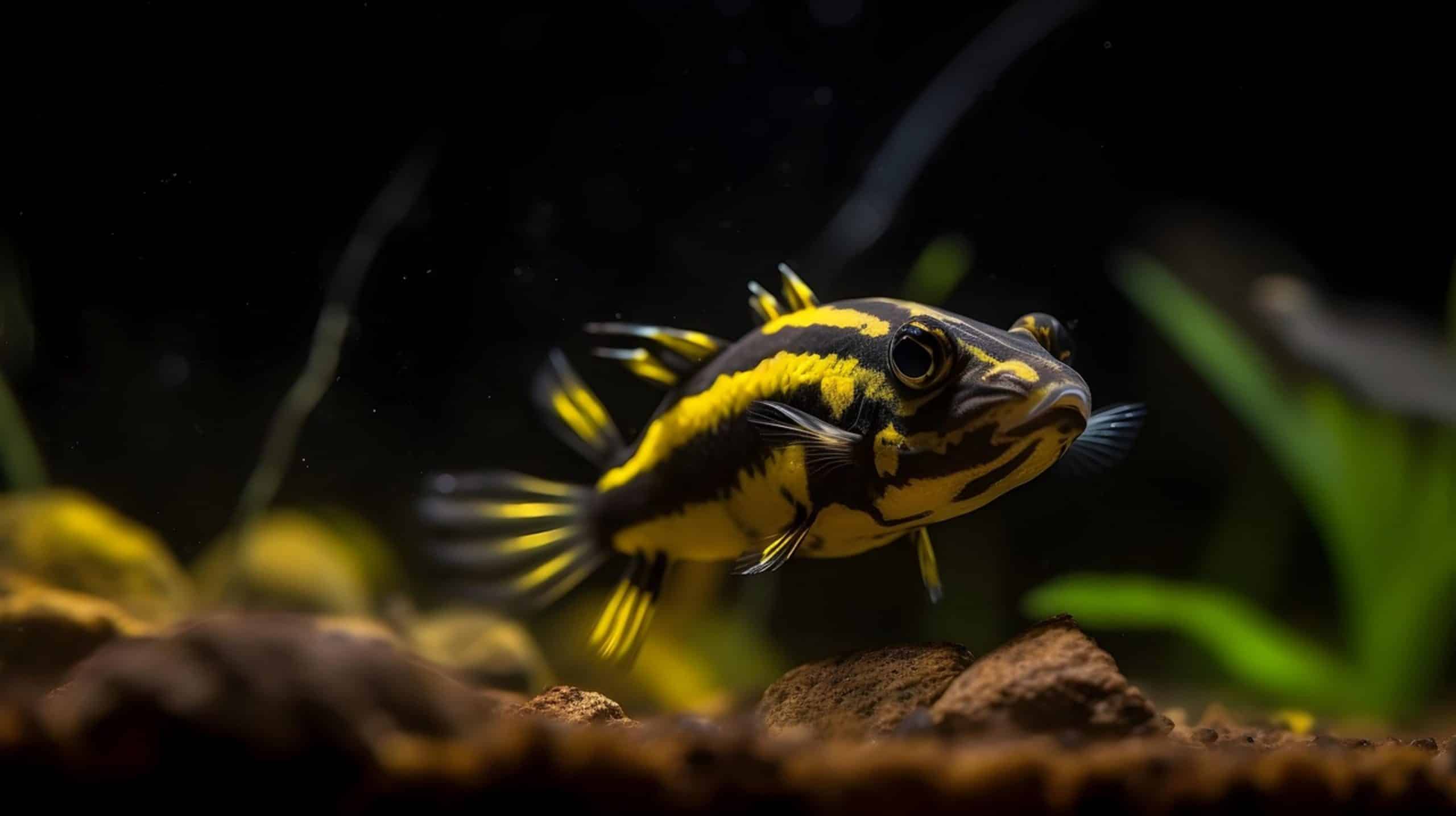
For fresh water catfish, go with channel catfish. They’re firm, not flakey, which help them stand up to the frying process. They also don’t fall apart on the plate.
The meat is mild yet still unique and can hold its own against your seasonings. While sea catfish can also be used, their flavor may be too strong. It’s likely to overpower the delicate crunch you seek.
If you realy crave the traditional experience, stick with channel catfish. Purchase thicker fillets so they don’t dry out to quickly. Thinner fillets will dry out before the breading turns golden brown.
You want something meaty that stays juicy inside while outside becomes crispy. But most folks mess up on the coating. Either they use too much flour (heavy cornmeal crust) or too little (wet batter).
Simple Seasoning and Coating
You don’t need to do either. A few simple seasonings mixed in a cup of all-purpose flour will be plenty. The thin, crispy shell formed by the flour will cling closely to the meat.
Unlike a heavier coating, it won’t slough off during frying. Add some salt, black pepper and garlic powder to your flour. That’s plenty.
Some folks likes cayenne for hotness or maybe a bit of paprika for color. If you prefer spicy, go ahead and throw it in there. The idea is just a light dusting that turns crisp once it hits the oil.
Before you dip the fillet in the flour, pat it dry. Crispiness requires no moisture. You don’t want the flour sticking to a film of water; you want it clinging to protein.
Heating the Oil Correctly
The key to making this work or having a greasy failure on your hands is temperature control. The oil should be hot enough to make a sizzling sound right when food hits surface, but not so hot that the outside cooks while the interior remain uncooked. For that reason peanut oil is a good option.
It has a neutral taste and can stand up to the heat (it’s got a high smoke point). Vegetable oil will also work fine. Pour approximately an inch of oil into your skillet and turn the burner on to medium-high.
When it begins to shimmer, you’re ready. Sprinkle a small amount of flour into the pan. If it starts bubbling realy hard, you’re good.
If it starts smoking, then you’re too late. Tweak the heat until you’ve got it where you like it. Catfish only takes a minute or two, so you has to get the crust going before the fish overcooks.
Avoiding Common Frying Mistakes
Don’t crowd the pan: This is the batch killer. It’s a rookie mistake, but it ruins more fish than anything else. The moment you plop those cold fish into the hot oil, the temperature drop.
If there are multiple pieces of fish in the pan all at once, your oil will cool dramatically. Now the fish won’t fry in the oil, they’ll begin to soak up the oil. And guess what happens when that happen?
You get greasy, soggy catfish. Cook in small batches. Don’t crowd them.
Let them have some room to breathe. Only turn it once. When the underside gets golden brown, then flip it.
Cooking Time and Safety
Cook till the opposite side has the same color as the first. It takes about three to four minutes per side. Make sure the internal temp reach 145 degrees Fahrenheit.
To be safe, use an instant-read thermometer. If it is dry and chalky, it is overcooked. Tender and flaky is good.
Serving Suggestions
Get it on the table right away, before the coating gets soft. Lettuce leaves make it look nice, but mostly they help keep fried foods crispy (the longer you wait after frying, the less crispy). Add a tangy accompaniment to cut through the richness.
Fresh lemon juice squeezed over it couldn’t be better. Classic tartar sauce. You can use potato salad, coleslaw, or whatever you like.
Use something cool and creamy to offset the hot crunch of the fish. Filling without being filling. Simple enough so the best ingredient realy shines: the fish.
The oil. And just salt, black pepper, and garlic powder for seasoning. Sometimes the simplest things is the most delicious.
There’s no need for complexity in this recipe. So when you’re feeling like something crispy and satisfying, grab the catfish. Make it easy on yourself.
Let the ingredients shine through. Enjoy your plate of crunchy, golden goodness. It is a reminder that good doesn’t always mean complicated.
Just give it a try, and sometimes it should of simply needed to be right.