White fish get a bad reputation in the kitchen, this is especially true of catfish whose delicate flesh can turn dry and chalky with ease. The goal with any white fish are to let its mild flavor shine through, and overcooked fish will not only lose some of that flavor but also it’s texture. Many home cooks stare at their oven timer with uncertainty; they worry about undercooking or worse, ruining the textures.
But baking is realy one of the safest ways to cook catfish, you just need to control your factors and keep the preparation simple, which happens to be exactly what’s required for oven-cooked fish. And it’s not just about the clock. It’s also about temperature and thickness.
Because a piece of fish from your local market is going to be different than a thin store-bought fillet. And if you stick to a strict twenty-minute rule without accounting for this physical difference, you’re probably going to end up eating cardboard-flavored fish. Learn the relationship between time, temperature, and moisture and you’ll go from gambling to guaranteed dinner.
How To Bake Catfish Fillets Perfectly
Adjusting Cook Time for Fish Thickness
The biggest factor in determining doneness is how thick your fish are. I’d say on average that a typical grocery store fillet will be roughly one-inch thick, which means you’ll want to go about 15 minutes at 400 degrees. That’s plenty hot to get it cooked all the way through but not so long you’ll have to wait forever.
For something skinnier like a three quarter inch fillet you’re going down to around ten or twelve minutes. Remember, thin fish cooks quickly and you don’t have much wiggle room. Bigger pieces takes longer.
But that doesn’t mean you should of just turn up the flame. Turning it up means you’ll burn the outside while inside is still undercooked. Just continue at the same temp but increase the cook time by 5-7 minutes.
Testing Doneness and Texture
You want the heat to cook through gently and evenly, never burning top of fish while waiting for middle to cook. Seafood demands patience. Your oven will be different than mine, very different, and that’s why doneness test is your greatest assurance of success.
Your thermometer may read four hundred but what does four hundred mean? Three seventy? Four twenty?
You’ve got to look and feel: When the catfish has cooked through, its flesh will no longer appear raw but rather will have gone completely opaque; you won’t see that glossy, translucent quality anymore that identifies raw fish. Is it still glistening inside? Cook it an extra two minutes.
Gently flake the fish with a fork and if it falls apart in nice clean pieces, bingo! That’s how you know your white fish is perfect. The flakes should also pull off underlying bones easily.
Undercooked fish will be somewhat rubbery and resist the flaking, while overdone fish will fall apart (though most folks tend to lean toward caution here and undercook just a bit). Catfish is so forgiving though that a few more seconds will fix this issue. The other key component here is keeping it moist.
Keeping Fish Moist During Baking
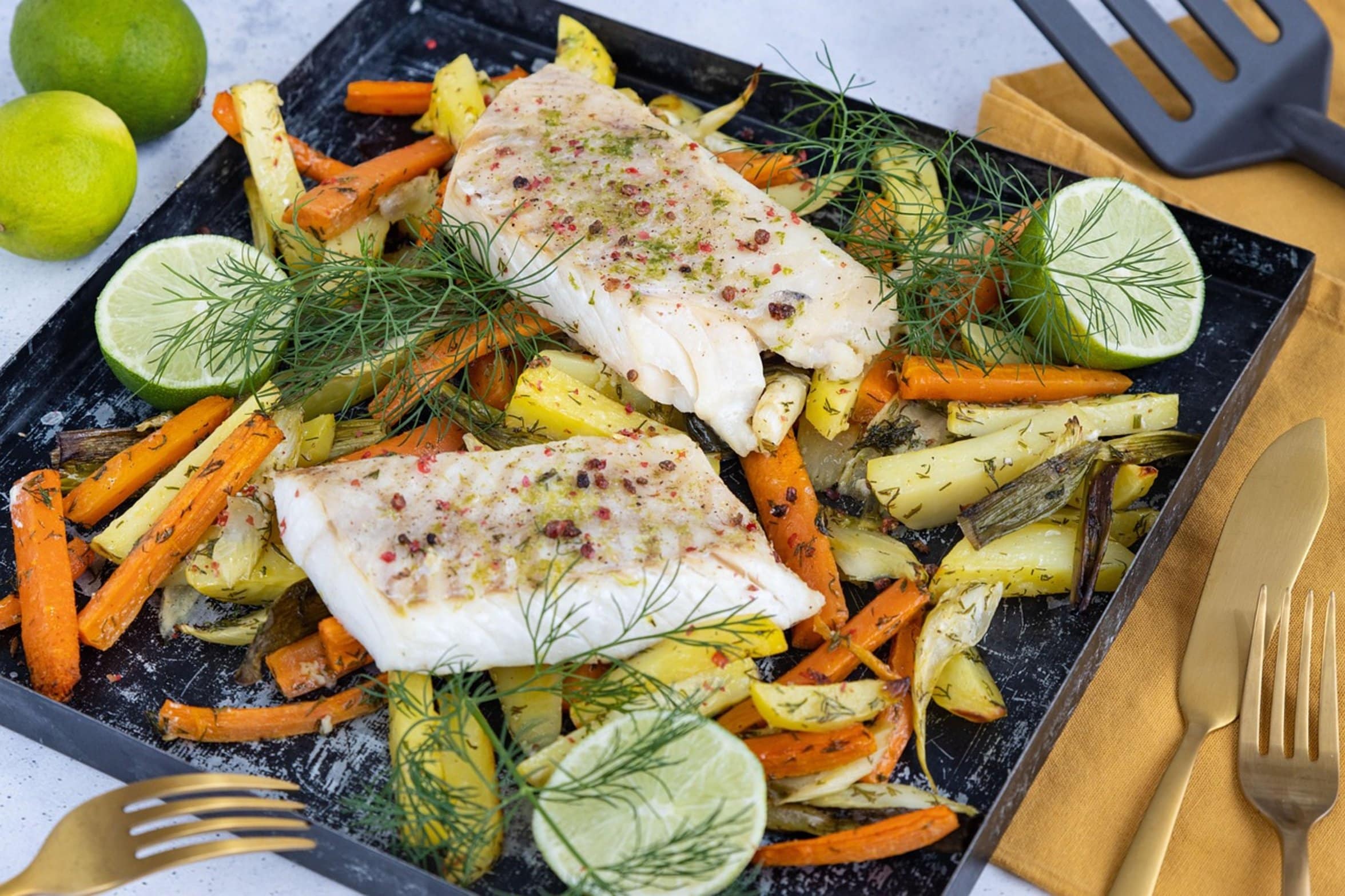
As the inside gets warm beyond a certain point, fish proteins will begin to contract, pulling in on themselves and forcing out any water that was there before. A creamy sauce, a pat of butter or even a thin film of oil are an easy shield for your fish, preventing them from drying out. Thick marinades or heavy breading will also impact cooking time.
This acts as insulation. If left in too long, it will trap steam between the breading and the fillet, which can be both a positive and a negative. You may have perfectly cooked fish with pale breading (or vice versa).
Stick a knife into the center of the fillet and check the juices; if they’re clear, then you’re good to go. Perception depends on seasoning. Even if it’s not quite as tender, a good fillet will still have an appetizing flavor due to seasoning.
Seasoning and Baking Sheet Tips
Chemical processes makes salt draw moisture out at first. However, the salt holds onto that moisture later in the cooking process, which increases tenderness. Spices, herbs and pepper contributes additional depth of flavor that diverts attention from any slight imperfections.
Bold seasonings such as lemon pepper or other Cajun-type seasonings complement the mildly flavored catfish and make the final meal seem satisfying. Don’t crowd them onto baking sheets; the resulting steam won’t be able to escape, causing the fish to steam rather than bake, yielding a pale, soggy result. Use a rimmed baking sheet and don’t stack the fillets on top of one another; allow each piece some breathing space.
This will ensure air can circulate so they crisp and brown, making them feel like a fresh meal rather than a reheated one. When you take it out of the oven, let the fish rest for a minute or two so the juices can redistribute through the flesh. Seems like a little thing, but it will make all the difference in how it feels on your tongue.
While still warm, serve immediately alongside some greens or even rice (to lap up whatever flavorful juice remains). You’ve trusted your eyes, respected its thickness, and mastered the timer. Now you have something really easy to eat that shows confidence stems from knowing the basics.