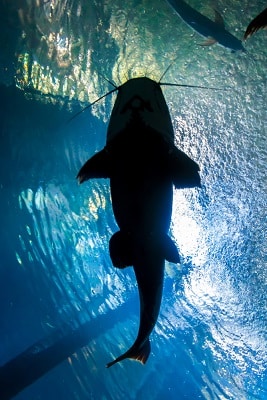
There you sit at cutting board with a catfish. Lots of meat on this one you think but you also know this is going to be tricky. Make the wrong cut and you’ve got a big ol’ pile of trimmings and some thin strip of white flesh.
Half your catch gets wasted when you’re trying to fillet a catfish. The bone are dense. The meat’s hiding way down inside that rib cage.
The skin is thick. Anglers will throw away their midsections, head and tails in the trash. That’s a mistake.
But it can be prevented. But it’s not just getting the meat off the bone you’re after, but maximizing your ounces of protein without sacrificing texture. You gets clean fillets that remain intact and thick, juicy pieces for the grill or the fryer.
Not wasted chunk or shreds of meat here. This means adjusting your approach. It is more anatomical than it is pounding.
And when the muscle separation become clear to you there will be no waste. The typical approach is to simply slice downward from head. Makes sense right?
Unfortunately, that results in a ton of meat still connect to the rib cage. As you move toward the belly, the meat actualy angles outward from the bone following the spine. However, the knife will follow straight down.
That result in skinny, random cut of meat. How do we remedy? Alter your starting point.
Step By Step Catfish Filleting Guide
Start Behind the Pectoral Fin
Instead of beginning at the head, begin your cut directly behind the pectoral fin. From there, work the knife along surface of the rib cage; you’ll have enough space and be able to peel the meat from the structure instead of cutting through it. It only adds a second but it is worth the extra two ounces of fish per side.
Use a Flexible Fillet Knife
The type of knife also make a difference. Don’t use some cheap flimsy one. It’ll slip out of place and bend, which tear up the fish and leaves ragged cut and wasted meat.
Use a thin but flexible fillet knife. Victorinox and Wüsthof are both good brands that flex but don’t snap. That’s important because the ribs curls inwards.
If you have a stiff knife, it jump right off the bone and take a chunk of meat along for the ride. Flexibility lets you follow the contours of the rib bones. You want to be able to feel the bone through your hand on the handle rather than fighting against solid piece of steel.
But that’s about as easy as it gets. From there on out it’s all work and no play. At this point, we’re talking pin bones.
Remove Pin Bones Safely
These is the bones that runs parallel with the spine and through the middle of the fillet. Some folks will just tear them out by hand, which mean ripping up the meat in the process. Instead, use your knife to expose them.
Find the line where they lay and slice down into them until you make a shallow groove. Next, take the tip of your blade and simply pick each bone out individually. Tedious?
Yes. But leaving the fillet intact means more usable meat compared to one that’s been torn apart. If you’d rather not use a knife, needle-nose pliers will work too.
However, using a knife will be a little quicker once you get the hang of it. TIP: Don’t overlook the tail section. Waste occur here too…
Utilize the Tail Section
Mostly in the form of dark, firm tail meat. Is it ugly? It’s not ugly; it’s just different.
Because it appears to be ugly, and it is. It’s just different. The darker flesh around the tail area tend to be tougher and more flavorful.
Use this for croquette, fish cakes, or stock. Slice it off carefuly without cutting into the large vertebrae in the center. You’ll be amazed at all that extra protein you rescue.
Not steakhouse material but not trash either. Lastly, quickly rinse your fillets in cold water. The slime layer on catfish skin hold odors that can cause a muddy taste.
Rinse to Remove Muddy Taste
That slimy outer coating is where the odor lingers. Removing it is as easy as rinsing off the surface. Use paper towels to pat the fillet dry and season.
You do not want moisture on the outside of fish. It won’t make a good sear and moist fish doesn’t tastes as clean. This one little trick takes an ok meal to an excellent meal.
Cutting a catfish is an exercise in patience, but it’s also an exercise in reward: If you’re careful when filleting, you’ll put the trim pile out of your mind forever. It’s all there: just waiting for the right tool, the right angle, and the patience to follow the bone. Next time you lug that bucket full home, don’t mourn half the fish.
Half of it is simply hidden. Uncover it, and you’ll have a dinner plate to thank you.