To fry catfish properley, you must control three things: the type of oil, the cooking temperature, and the frying time. I think a lot of home-cooks mess up because they views deep frying as a guessing game. They guess how long it will take and what temperature to fry it at, this results in soggy, greasy fish.
Once you get a grasp on physics behind it, this become a precise process that takes precision instead of luck. If you know how to control these variable, you’ll be able to produce restaurant quality catfish every single time. The quality of your frying oil are critical.
How To Fry Catfish With Oil And Time
Choosing the Right Frying Oil

Ideally you want something that has a neutral flavor and is also very stable (high smoke point). Vegetable oil, peanut oil, or canola oil is all good options. They’re not going to break down or impart any unwanted flavors as they gets hot enough to cook a piece of catfish to perfection.
While olive oil is an awful option due to its low smoking point and tendency to give whatever you’re cooking it own flavor, these other oils won’t mind if you put them through their paces. Some purists likes the fuller mouth feel of peanut oil, while many find it more economical and common to use canola. Either way, the goal is plenty of oil so that fillet is completely covered.
You don’t want the fish sitting on top of pan, displacing the oil; it’s gonna be boiled, not fried.
Controlling Oil Temperature
People often struggle with temperature. You require a thermometer.
Use a clip-on digital instant-read thermometer stuck to the side of your pot. It is not a chopstick test or a guess. You’re looking for 350-375 degrees F. That’s the sweet spot.
The oil must be hot enough to create an instant seal on the batter, forming a barrier between oil and moisture. Too cool, the batter soak up all that fat like a sponge. Heavy, greasy sludge is the result.
Too hot, and the outside get burned while the interior remains uncooked. Keep a steady flame and a steady hand. Add cold fish to hot oil, which will lower the temp: adjust the burner accordingly.
Timing and Visual Cues
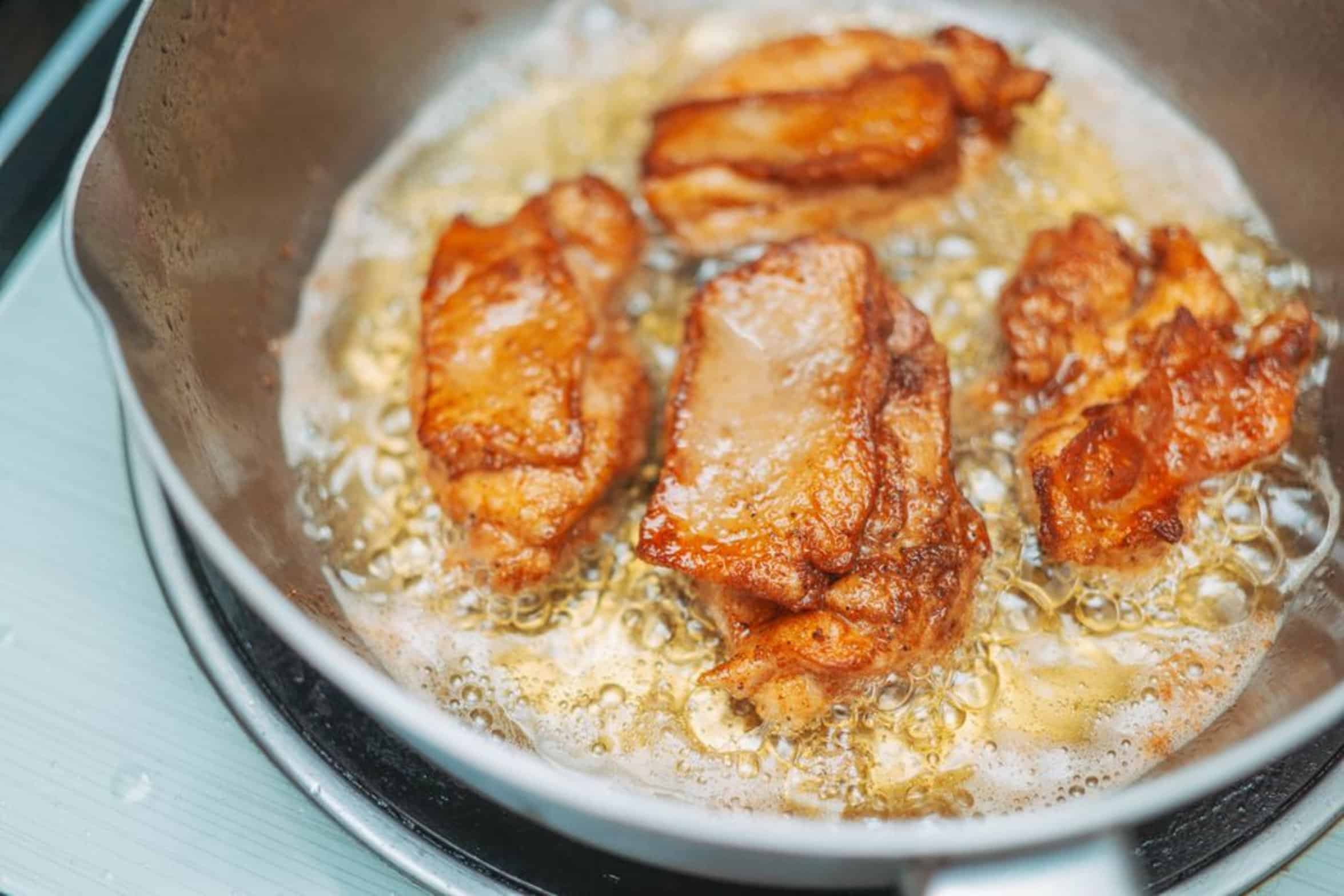
Stay in the zone. Once you know what to look for visually, timing become intuitive. Because the catfish fillet are relatively thin, it cooks quickly.
Three to five minutes is typically sufficient time. What you want to see is a deep golden brown. Don’t leave it there hoping that it’ll crisp up some more.
It won’t. It will merely get darker until it burns. It’s ready when the meat flakes easily with a fork and is no longer translucent in the middle.
Drying out the meat defeats the purpose of having the crusty crust. Believe your eyes instead of the clock. Use the clock as a guide, but believe your eyes because the color tell the truth.
If it looks right and is releasing easy off the surface tension of the oil, then it’s ready.
Batter and Coating Recipe
What you eat also matters (as does how you make it). Buttermilk is essential because its acid both helps the coating adhere and tenderize the fish a little.
You don’t need anything fancy; just flour or even better: cornmeal mixed with buttermilk. For a kick some cooks adds some Cajun seasoning or even hot sauce right into the dredge. Here’s where you get to call the shots on what you like.
The coating needs to be thin enough to almost drip off, but thick enough to stick to the back of a spoon. Any thinner and the crust will fall off, any thicker and you’ll be eating dough. Find that happy medium between crunch and a satisfying sound when you bite into it.
Draining for Maximum Crunch
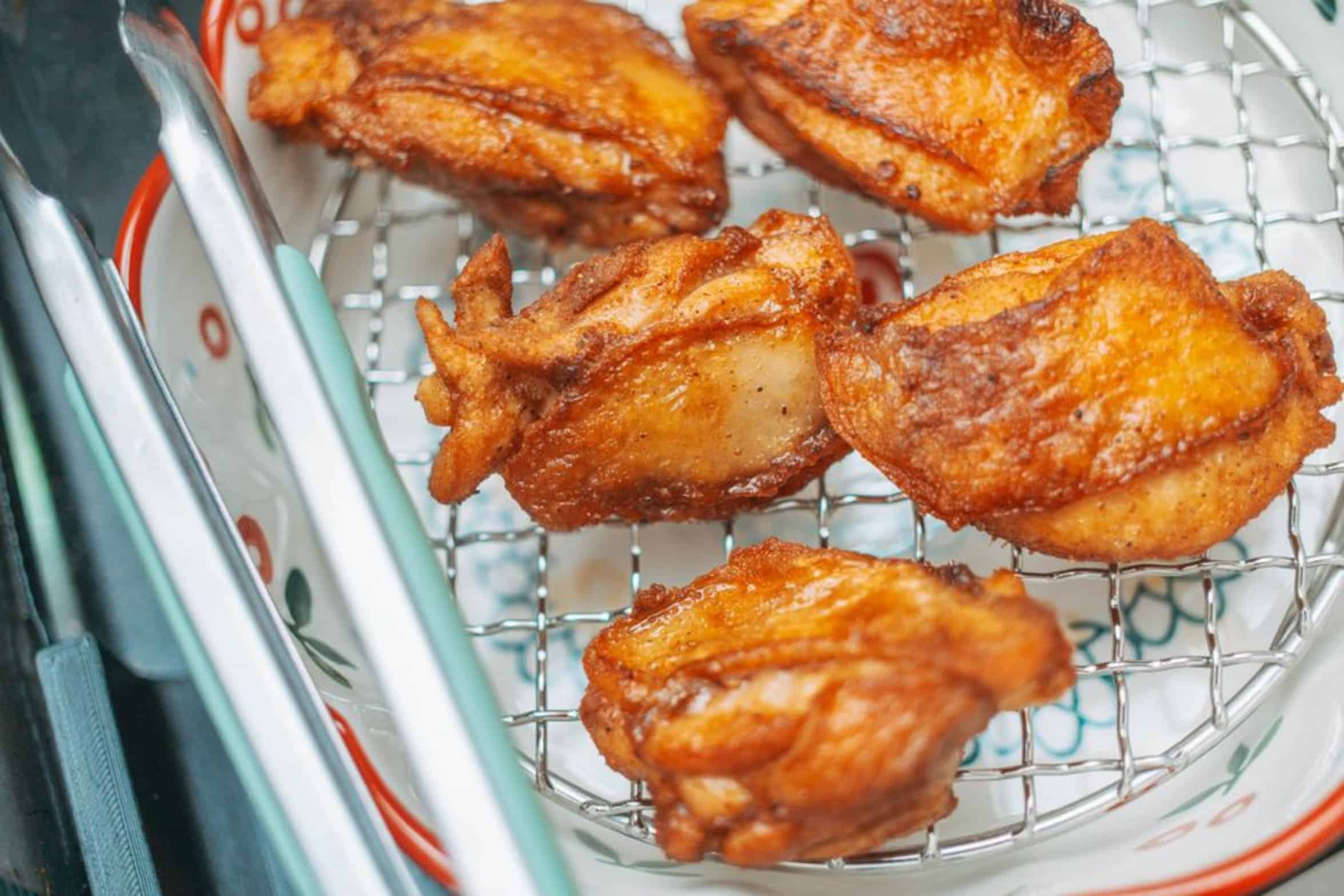
And finally, drain it. Putting a heaping plate of fried catfish onto a paper towel does nothing for you except immediately soften the bottom crust thanks to the steam that gets trapped under there. Instead, place it on a wire rack positioned atop a baking sheet.
Air can get all around the fillet this way, ensuring maximum crunchiness on both sides. It is a tiny bit of setup detail, but it make all the difference in the final product. Crispiness should of outlast the first few bites, not dissapears five minutes after serving.
Frying catfish is an exercise in timing and heat. This is not a dish to rush; it is a patient ritual that requires time, careful attention, and the right oil. Frying catfish well is a celebration on a plate.
It is golden and savory. It all begins here. Simple, yes.
Respect the process.