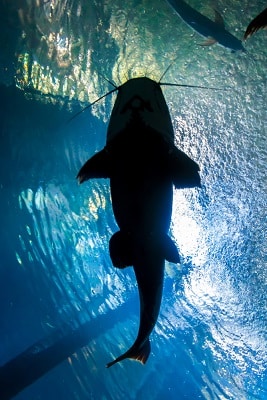
There’s nothing more frustrating than watching a big catfish lay on top of your rig as a smaller fish filches the bait. Catfish is opportunists and great scavengers, especially good at smelling things out. That sounds like an advantage for catfish, but it actualy creates a logistical nightmare for anglers.
It really presents a practical problem for us. We want something we can put on the hook well, that has scent appeal to get a strike. We need something that resists being harassed by other fish such as perch or shad.
A successful strategy for baits means more then heaving some meat out there. Cats react differently to scent, touch, and how you present it. Flathead and blues is much more picky.
Channel cats will scarf up nearly everything they can get their gills on if they smell it. Bait has to move, be alive, or have a certain feel that dead bait doesn’t mimic. The distinction between a good and bad day comes down to knowing what goes into the cooler.
Essential Bait Selection For Lake Catfish
Choosing the Right Catfish Bait
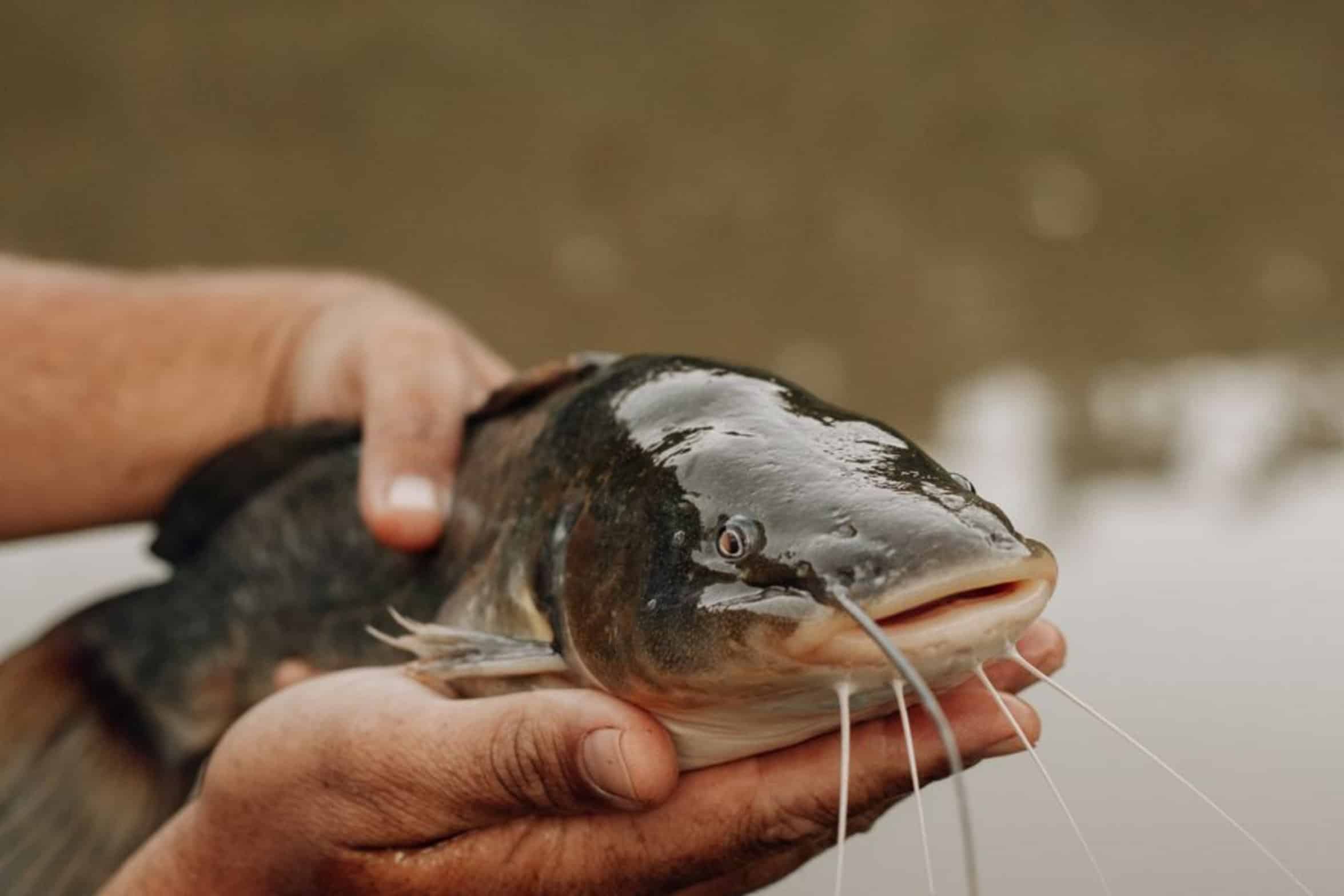
Using Fresh Cut Bait Effectively
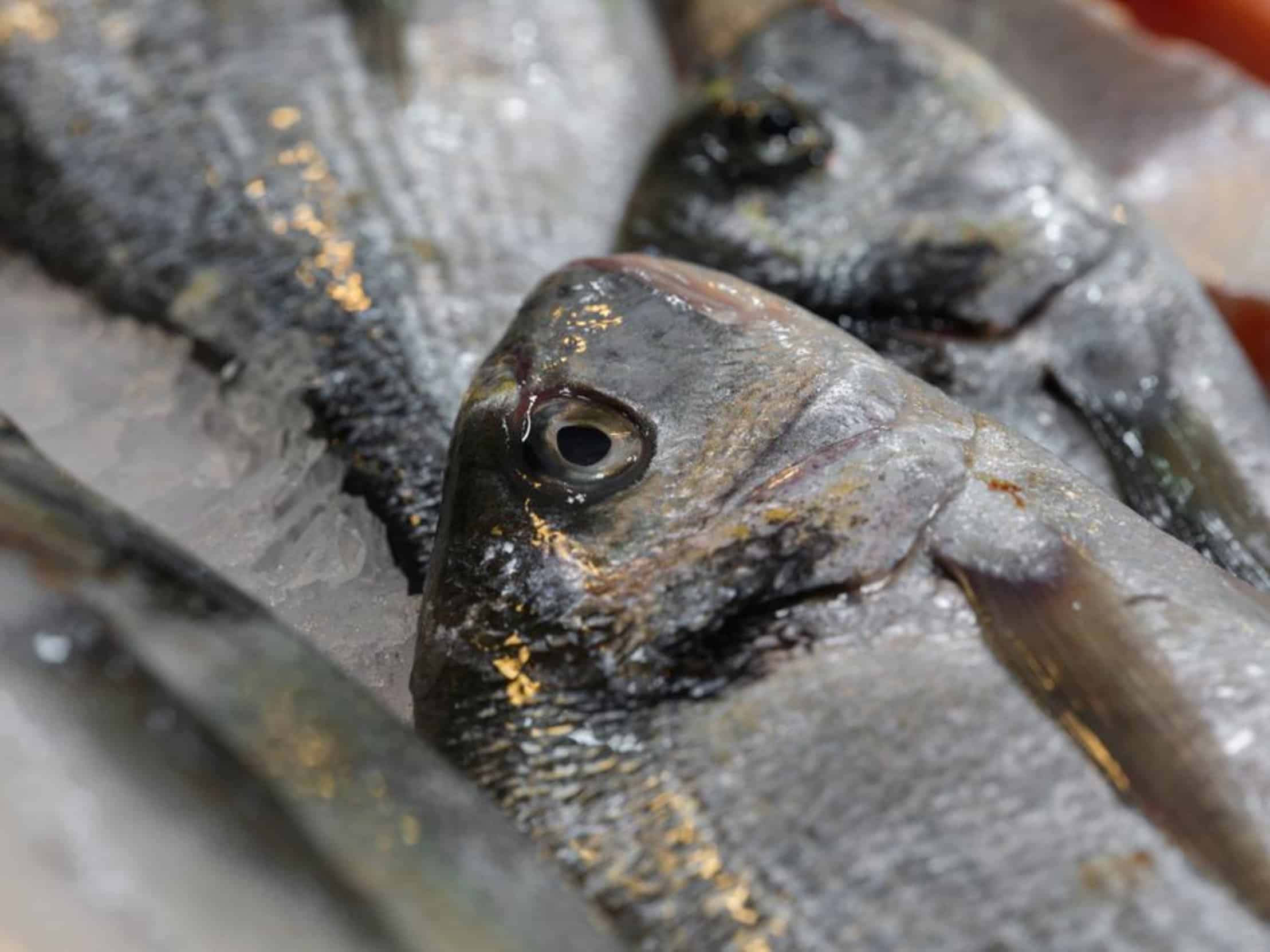
Fresh cut bait is backbone of every catfish trip. Why? Because it’s inexpensive, it is effective and it appeals to blue and channel cats alike.
Most guy begin with fillets from either blue catfish or channel catfish. They will then cut these into roughly 1/2″ thick by 3-4″ long strips (roughly the size of a stick of butter). This is where freshness matters.
If it’s already thawed out and you put it back in the ice water too long, it will get mushy on the hook and won’t hold scent well. So purchase your bait the morning of your fishing trip or freeze it until you’re ready to cut it up. This is stink bait.
Commercial Stink Bait for Pressured Fisheries
Some call this the lazy man’s choice; experienced anglers understand it as a power tool for high-pressure fisheries. With commercial baits such as U.S. Fishing Baits and Berkley Gulp, you have a dependable smell profile. When fish gets finicky, the scent of these profiles can be superior to freshly cut meat.
Unlike cut bait, these dough balls will not fall off your hook. That makes all the difference when battling a hungry school of baitfish or fishing clear water. You do need to prep (mix) them properly so that they retain form throughout your cast.
Live Bait for Trophy Catfish
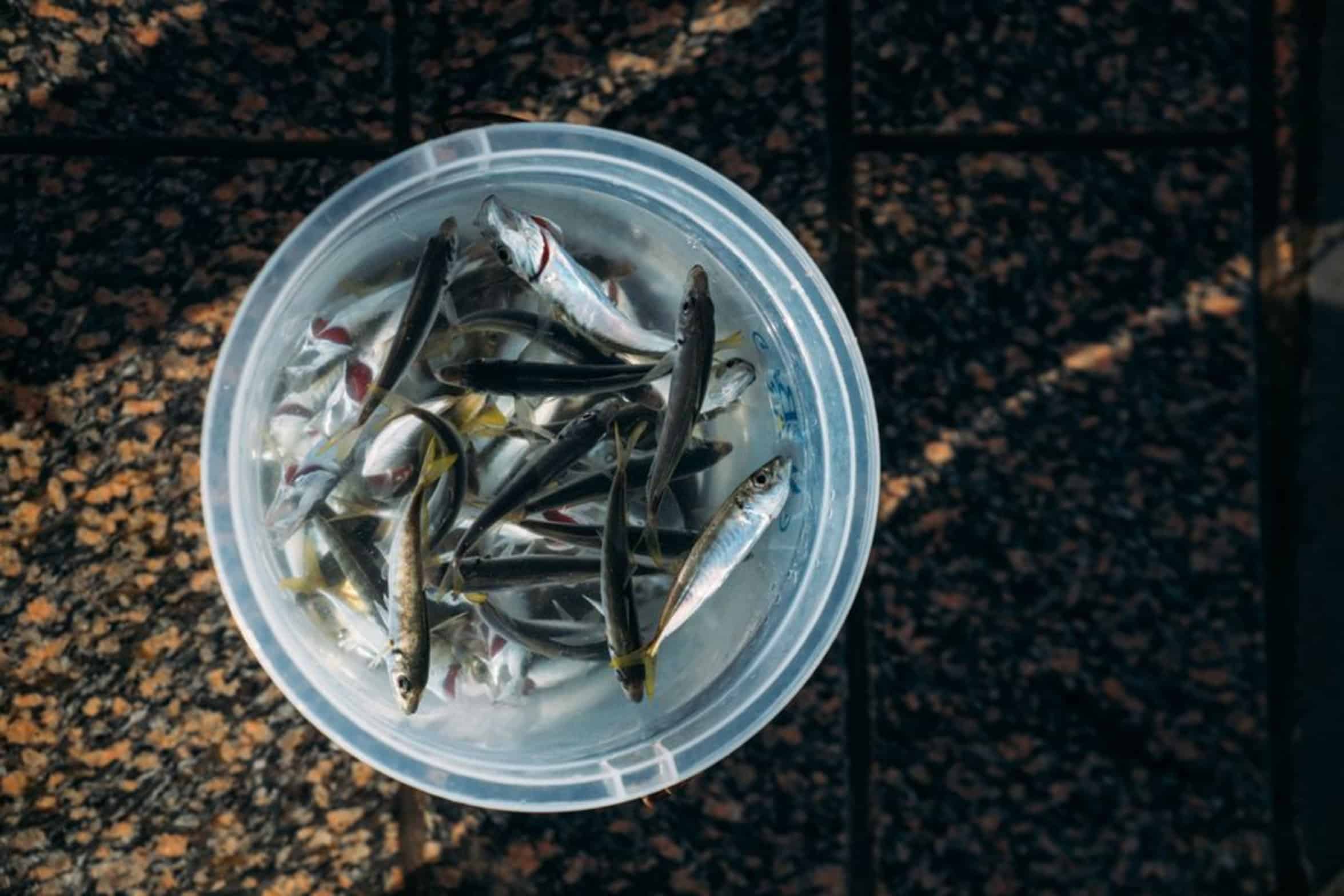
Brand isn’t nearly as important as texture. If you’re after trophy blues or flathead catfish, live bait is not negotiable. These visual hunter will frequently reject dead baits instead of struggling prey.
Your best bets are live shad, mullet, or even smaller channel cats. The trick is having an active and alive bait throughout your fishing time. A good solution would be a separate livewell stocked with clean water and lots of oxygen.
Hook Selection and Rigging Tips
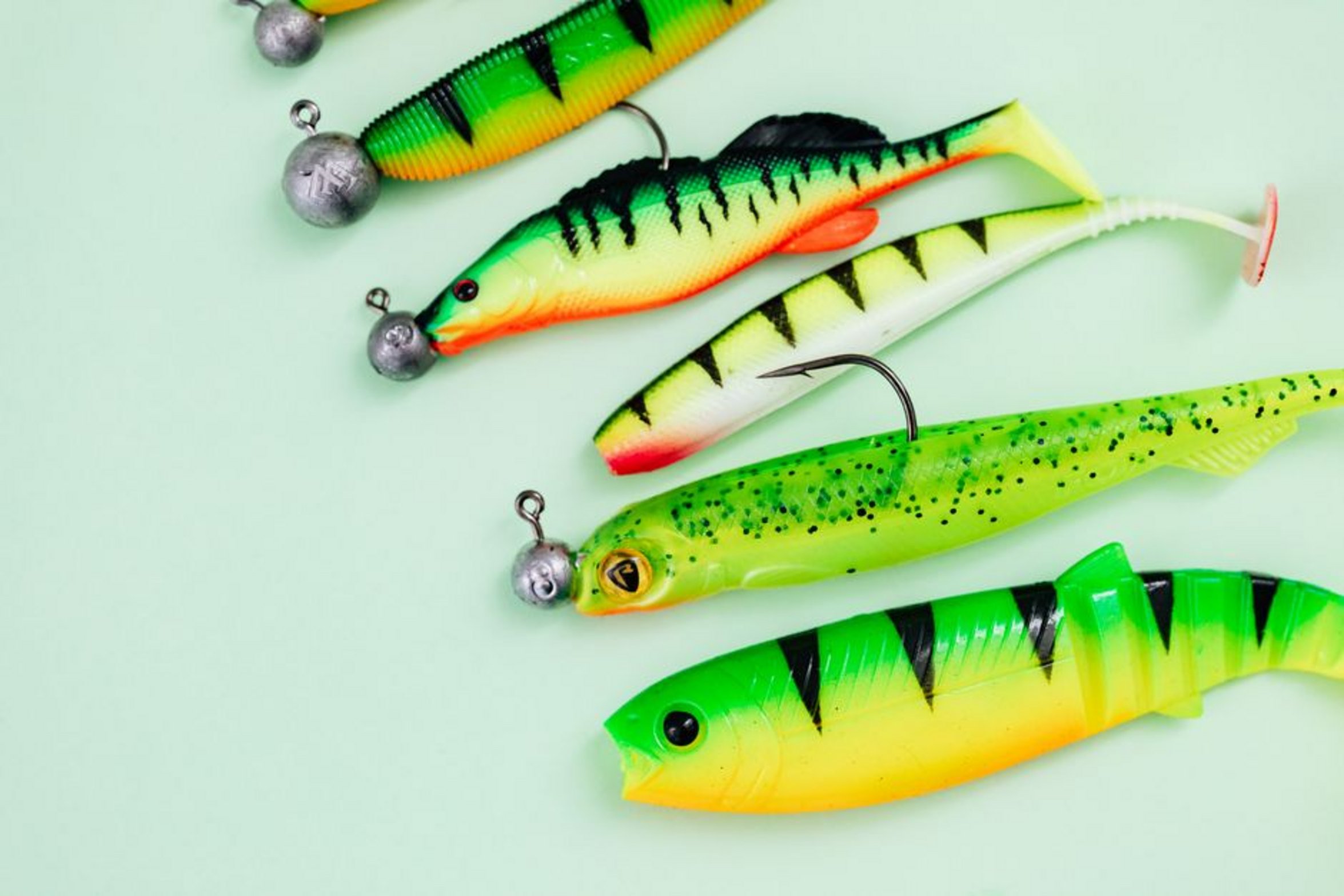
A dead baitfish becomes nothing more than another piece of cut bait in a flathead’s mouth. The other thing that keeps the bait pinned on the hook is presentation. For bank fishing and trotlines where you’re not continually watching your rod tip, circle hooks work much better than an ordinary octopus hook.
This is because they gets buried really well into the corner of the fish’s mouth. You can simply reel down steady with no need whatsoever to set the hook. That means less likelihood of losing the catfish as he spits out the bait mid-fight.
This is another little mechanical detail that will save thousands of lost fish over time. Chum and scent additives are a powerful tool you should of never underestimate. They use their nose and lateral line to get around and catfish is bottom feeders.
Chumming and Scent Additives
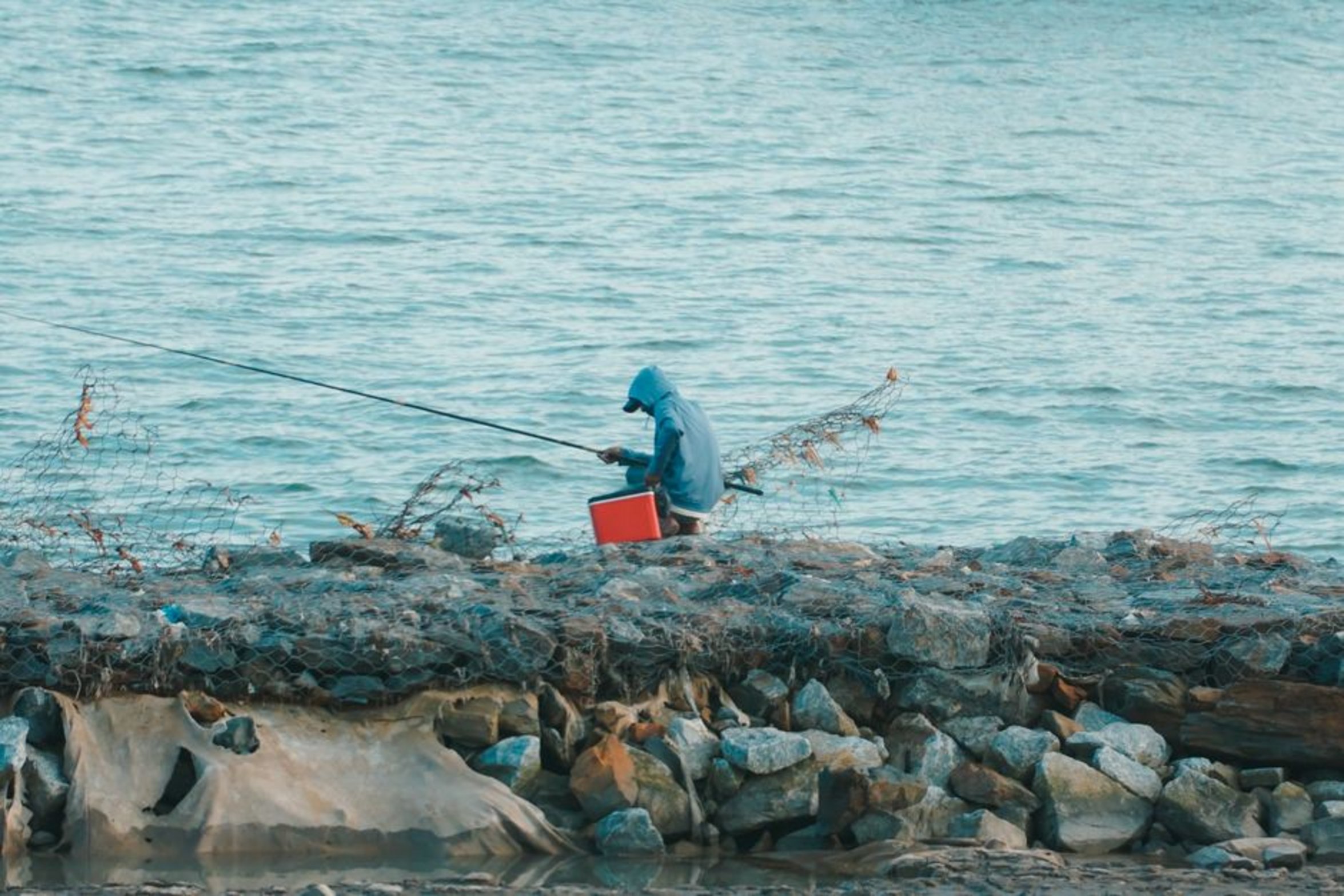
A bucket full of liquid attractant or ground bait next to where you are fishing forms a scent trail for them to follow which will pull fish in from long distances. The Pro Cure or other brands like Ghost Bait that add scent to old cut bait bring life back into the old cut bait. It gives it a renewed scent.
It is good when fish are sluggish or water is more stained. It is not cheating; you are just getting your bait to the fish quicker. You need to know what bait works in each set of conditions.
Adjusting to Water Conditions
The better you get at knowing when it’s going to be good for each type of bait, the more productive your day will be. Cold water fish wants really aromatic baits. A strong smelling piece of cut bait or a big chunk of stink dough.
Warm water fish like live bait because they tend to become more aggressive and active. You should also pay attention to the river current and the barometric pressure. Fish is sluggish when the pressure drops.
Hungry fish, rising river. As much as what you pack for your bait, how you store it makes a difference too. A good size cooler full of ice is mandatory but so are some means for storing your live and dead baits.
Bait Storage and Preservation
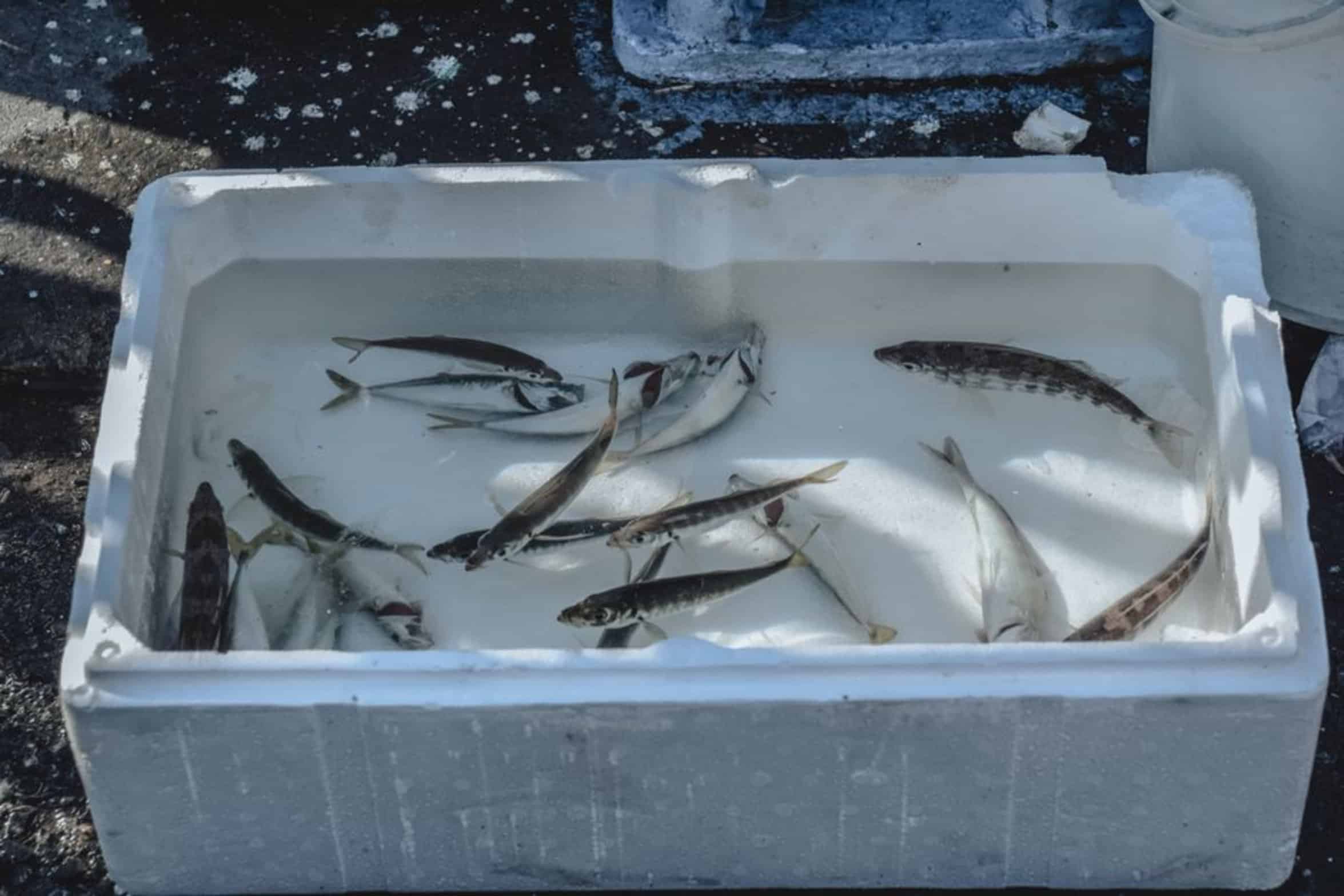
Storing them together may taint your live bait or cause them to die faster than they would otherwise. Pick up a good quality bait well or a small tank with an aerator. It is an added piece of equipment, but it will pay off in the quality of your catch.
The best bait doesn’t necessarily cost the most money; it costs knowledge. How do you know which bait to use? When do you switch from one bait to another?
Why do you cast that specific way instead of some other way? Knowing the why makes you a better angler. Use a combination of baits and cover water until you start getting bites.
Keep live bait alive. Try fresh cut bait first. Always have a backup plan.
If you are willing to listen, the fish will tell you what they want.