The theory behind float fishing is that it lets current take your bait downstream. This provide a naturaly movement of the bait in the current. It also give it a silent presentation in which it doesn’t swim against current.
Fish are wary of bait that fights the current, as they are far more more likely to commit to something that move with flow and appears natural. But when it drifts by like an insect or a piece of trash, they is much more likely to eat it. Float fishing isn’t mechanical as much as it’s using water and gravity to do the work for you.
It doesn’t have to be complicated or cost a fortune. Too many guys goes overboard with sensitive equipment. Sometimes keeping it simple work best.
You want to show off the bait and let the water do its job. Let the current provide engine and the fish provide the destination. It’s more about finesse than brawn, which make patience a strength.
How To Master Float Fishing Techniques
The Theory Behind Float Fishing
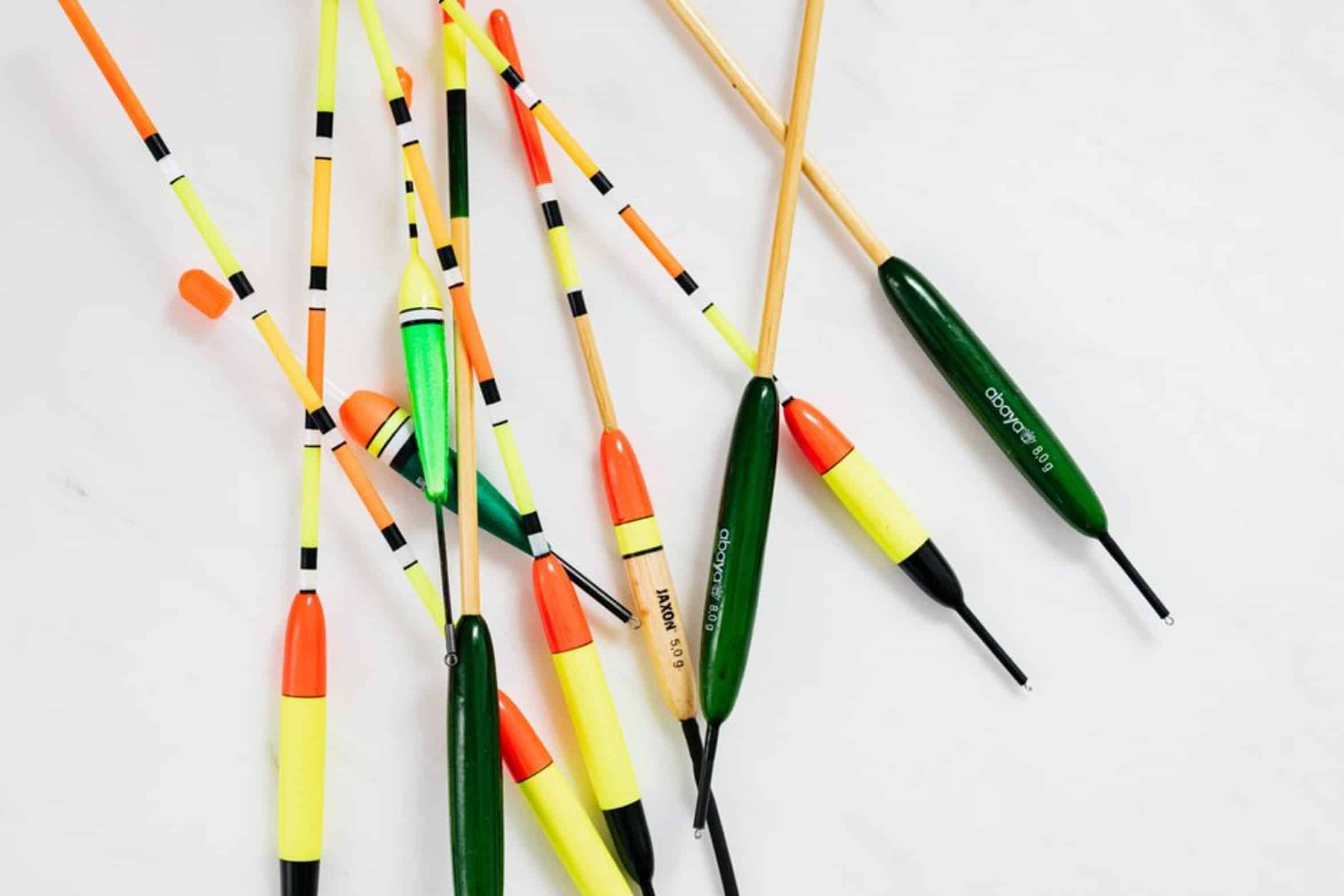
The subject is drift. A good drift start with a good float. It should of be something you can see and something stable, but nothing that scare off the fish.
Choosing the Right Float and Line
For that reason a small slip float or even just a simple stick float work perfectly. They come through water without much drag. Anything too big will cause drag and warn wary fish.
The smaller and more streamlined the better. The less it interfere with the bait’s movement, the better your chances. The bait’s drifting properties is also affected by line choice.
The heavier your main line, the greater the drag on it. That drag can pulls the rig too quickly through cover or over top of weeds. Going down in line size (like 4- to 6-pound test) for your main line decrease that resistance.
A lot of guys will go with a longer leader of some lighter fluorocarbon (maybe 2- to 4-pound). The fluorocarbon is almost invisible in water, sinks quicker and the rig drag less. It make the bait get down deeper and hold its position better.
Adjusting Depth for Fish Location
Match depth of your bait to where the fish are holding. The depth varies by season, temperature, and time of day. Spooked fish?
Clear water? Start deeper. Stained water?
Fish up close to surface? Start shallow. You can fine tune your depth by adjusting stop knot on line.
Too deep, you hit bottom too much. Too shallow; the bait skip over stuff like weeds. Cast light.
Casting and Drift Technique
The rig should drop softly, either across from your target spot or downstream of it. Don’t throw it too hard; you’ll spook fish with shock wave and splash. Cast your line on calm water.
Behind structure. Near banks. Wherever there’s a little less current, it slows things down and gathers food.
When it touches down, let the current grab hold of rig. Don’t take in any slack right away. As the float pulls off, let the line tension set itself.
Mending Line and Reading Currents
Great drifters mends their line. Dragging your line on top of water creates drag. That drag will cause an unnatural action on the bait.
To counter that you lift your rod tip and flick your wrist, moving the line back onto water. Doing this take some tension off it and allows the bait to float free. Fish position themselves in seam areas where fast and slow water meets.
They conserve energy by positioning themself here. You keep your bait within their line of sight by using mended line. Float fishing teaches you how to read the water.
You learn to see the invisible currents and pockets of calm water. Where there are pockets of calm, there’s often structure or baitfish to be found. A good angler will not cast haphazardly but rather with purpose.
Strategic Targeting and Final Tips
He’ll make his pitch to backside of an eddy or a drop-off or even around a hidden log. Now drifting becomes a strategic search for a hungry fish in a waiting position. Put that bait in front of him.
Float fishing can be for everyone. It’s cheap to get going and simple to instruct someone. Still difficult enough to hold the attention of seasoned angler.
There are endless ways to present the bait and read the current. Float fishing requires slowing down and looking at what is happening. That can be a welcome relief from the hurried pace we all livig at today.
So you go stand there on the bank watching water. Then your float goes under. And you know it worked.