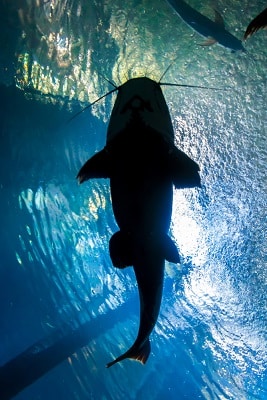
When you’re an angler on the bank of the river and see a fish come by and roll right there and know you can’t get him, you can relate to this frustration. You want to make a cast right next to it, but your line tangles and your rod feel like a noodle. Your lure comes up short as your gear isn’t built for where you are.
It doesn’t matter if you have been at it a long time or just starting out, its a common problem and is rarely about skill, but usualy about the gear. Fishing from the bank is not the same than fishing from a boat. You are working against the water from a stationary position.
So you need length, leverage and a rod that can lays a bait down accurately while not spooking the fish when fishing shallow. The common error with new angler is to purchase the “off-the-shelf” medium-action spinning rod that’s easily accessible in most shops. While this works for pier fishing, kayak fishing, or fishing from a bank, it makes it hard to control your line when fishing from the shore.
For the bank, you’re looking for a sensitive, long-reaching setup, which means considering everything from line selection, reel choice, rod action and length. Ultimatelty you want to be able to place your lure precisely where they live and detect the bite prior to the fish making off with the bait. It all boils down to tooling up based off the conditions.
How to Build the Perfect Bank Fishing Rig
Rod Length for Bank Fishing
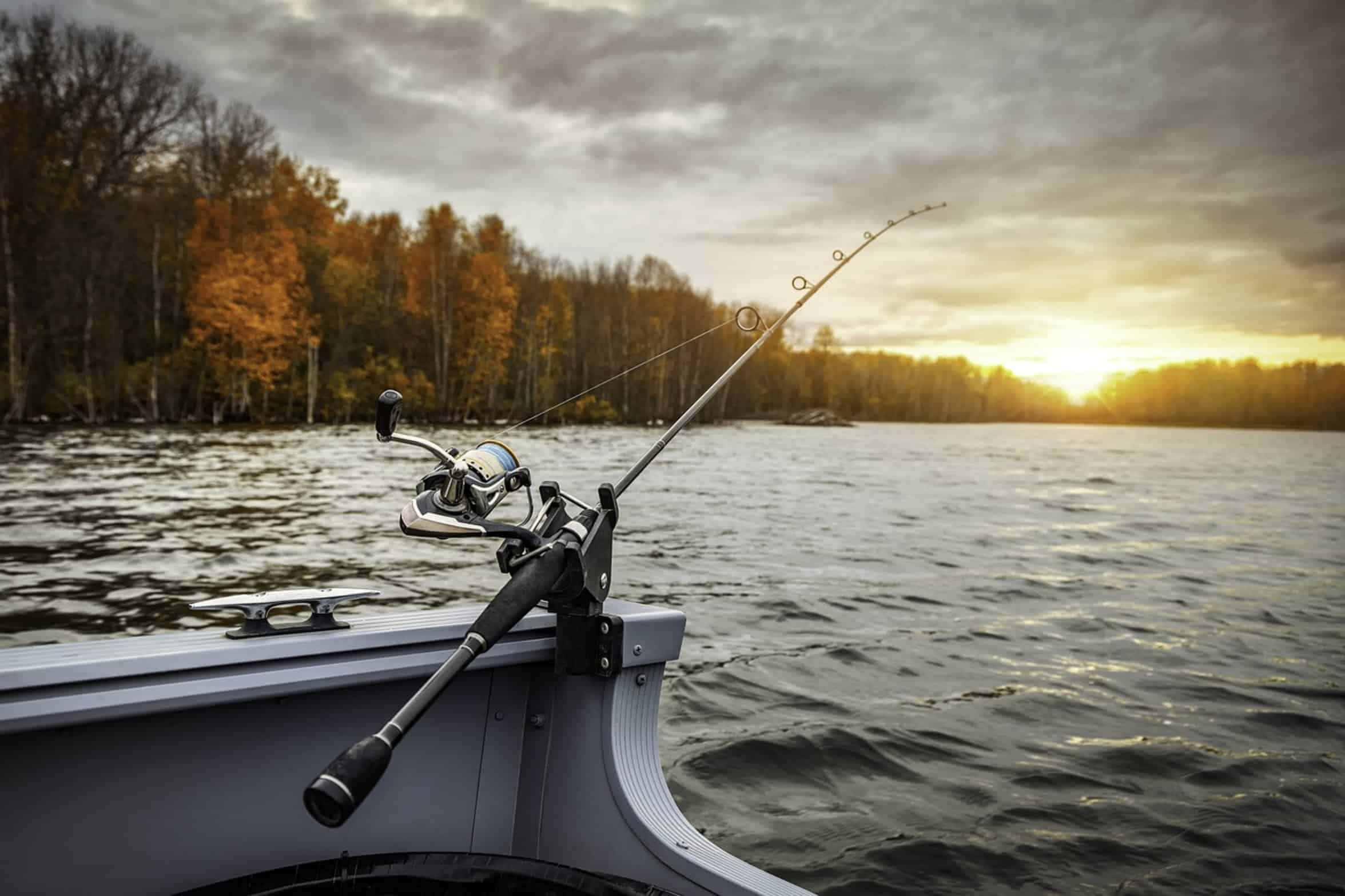
The first variable is length, because being up higher on a steep bank or rock shoreline puts you above the fish. If you have to hold your rod short to cast down to them it can spook them. A longer rod provide reach and lets you cast parallel to the surface.
Most of the time in fresh water bank fishing, a seven- to an eight-foot rod is best. It increase your reach and keeps the line further from the water surface while you fight a fish. This reduces the chances of the line snapping on something under the water.
In smaller creeks a six-and-a-half foot rod will work fine, whereas lakes and larger rivers needs a longer rod. Length matter, but so does action. For bank fishing, a fast or extra-fast action rod is necessary.
Rod Action and Sensitivity
In other words, the rod primarily flexes in the top third of the blank. It’s got a stiff backbone. Why?
Because when you’re bank fishing, you cast into heavy current or around cover much of the time. You want a firm hookset. And a slow action tip won’t give you that.
You can’t miss the bite, because your rod won’t be sensitive enough to know it happened. The fish needs to get it, and a fast action rod will ensure that happens. It will also make your feel more sensitive.
So you’ll feel that subtle tap instead of just missing a strike like you would on a slower action rod. When it comes to selecting a reel, you need to consider matching it to your rod. Most of the time, a spinning reel isn’t going to be as good than a baitcaster reel for bank fishing.
Baitcaster vs Spinning Reels
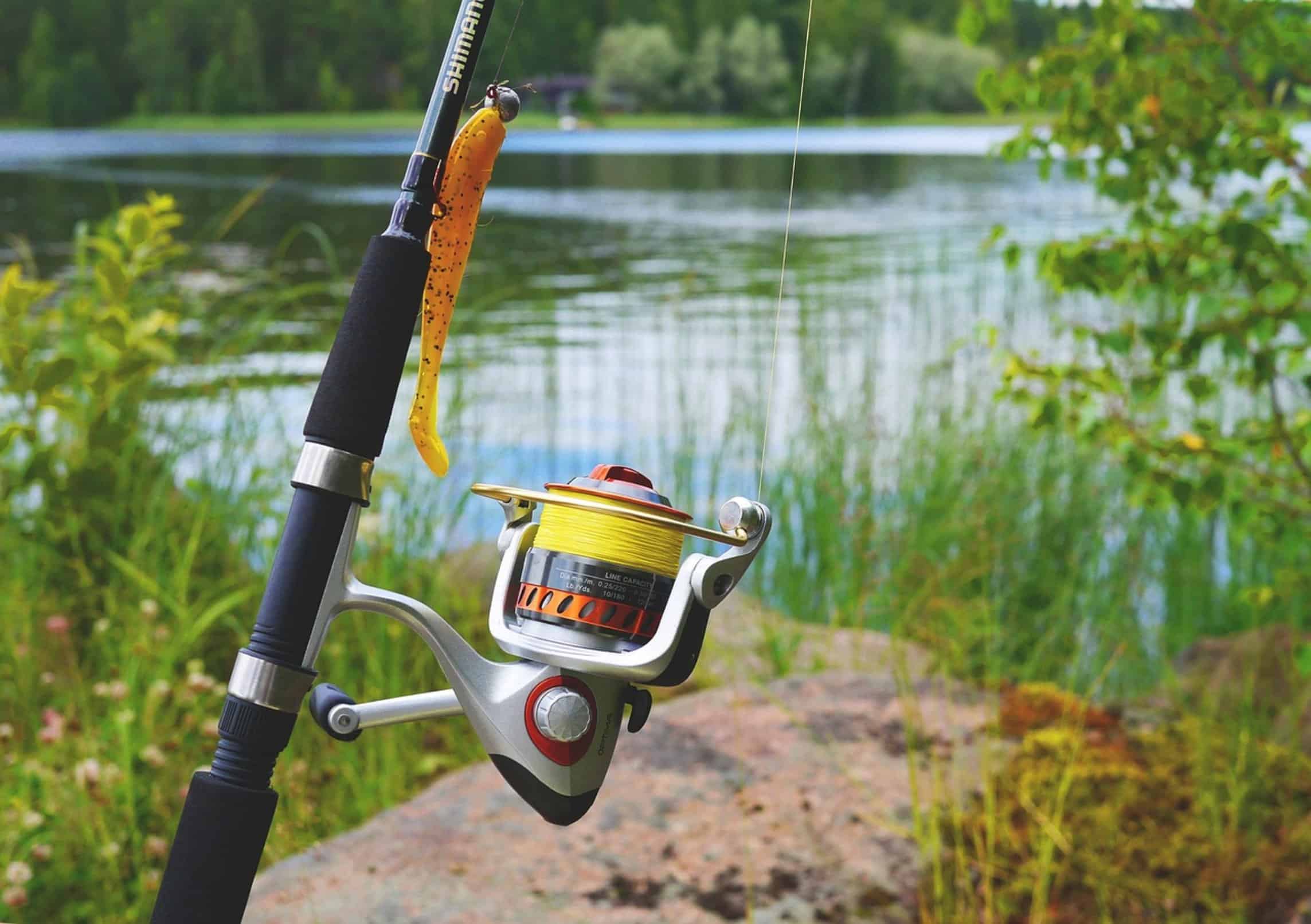
With a baitcaster, you can kill the line in mid-air, stopping it dead in its tracks. That’s important when dropping your bait down into a tiny opening in the water between lily pads. When you quit your cast with a spinning reel, the line continues flowing, making it prone to overshooting.
Precision matter more than distance on the bank. If you’re a big fan of spinning reels, go with a good, high gear ratio reel with a solid drag system. Good starting reels is made by brands such as Penn and Shimano.
The Shimano Sienna is a workhorse and will stand up to the punishment from the rocky banks and snagging covers. The final piece of the puzzle is line choice, and for serious bank anglers it’s braided line all day long. With no stretch, you’ll be able to feel everything that bumps into it.
Choosing the Right Fishing Line
And being thinner than monofilament for equivalent strength means you can throw it farther and let the bait swim further in the current too. The drawback is that braid shows up in the water and fish will see it, especially on clearer days. A fluorocarbon leader solves this problem.
Using Fluorocarbon Leaders
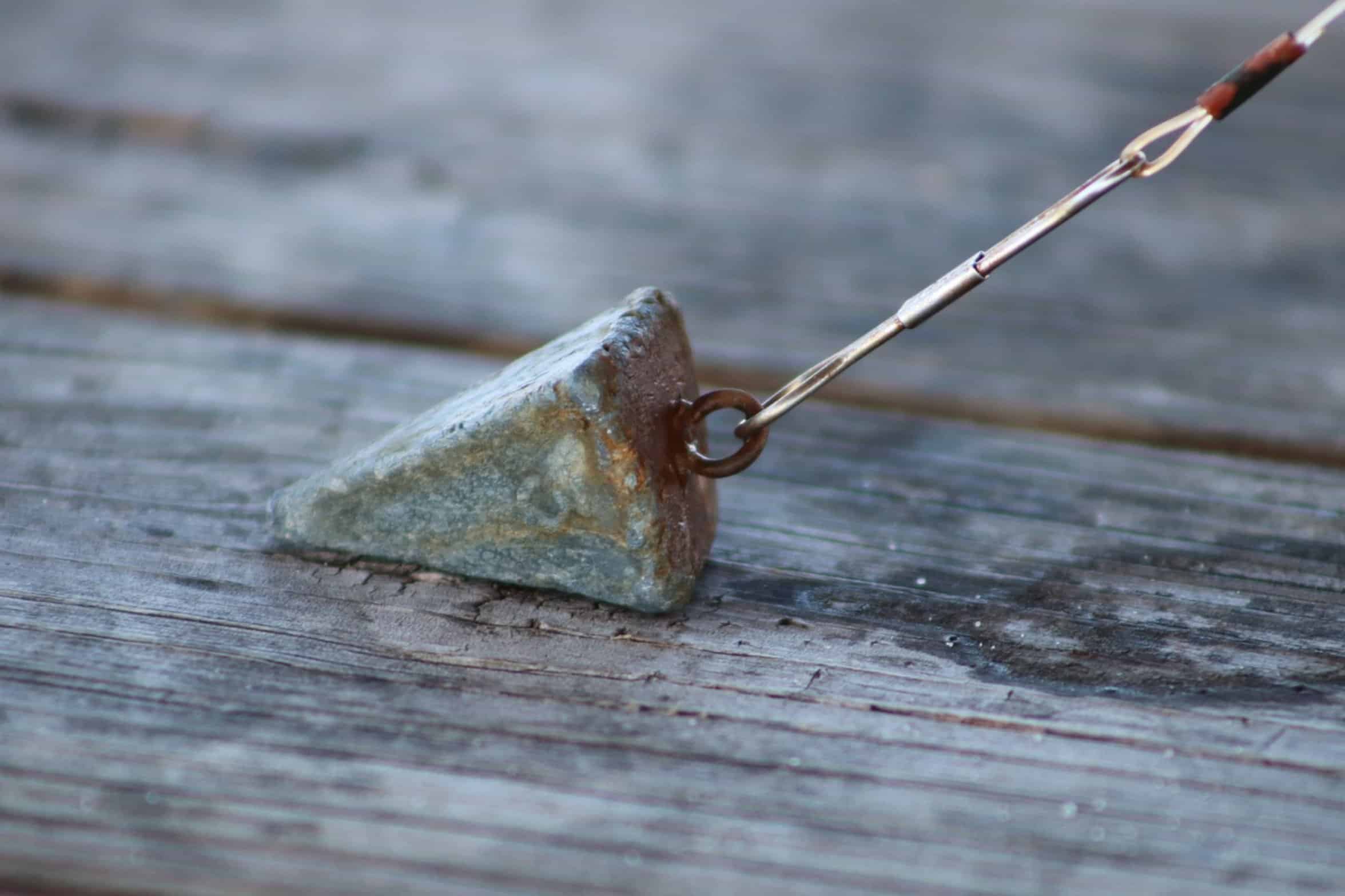
Use a two or three-foot fluorocarbon leader to braid as it dissapears in the water while providing abrasion-resistance against rocks and teeth. So what about monofilament? It has stretch, or forgiveness, which saves fish when hooked deep, but comes at the cost of sensitivity.
In bank fishing, we choose sensitivity because you want to know the fish is there before its gone. One compromise is to use tapered lines, which start as heavy braid connected to your reel and then slowly get thinner as they approach your lure. Tying a knot is easier, and there are fewer wind knots.
Advantages of Tapered Lines
Since the change is seamless no leader is required and can be used in snaggy areas like heavy cover where you’d anticipate getting hung up. If you hang up, the line breaks at the tiniest part so you retain the line and lose the lure. You sacrifice some sensitivity around the hook but gain usability and durability.
If you have trouble tying on leaders or regularly hang up, you should of tried this. That leaves one more component, the practice. The best setup won’t do all of the work for you.
Practice Casting and Line Management
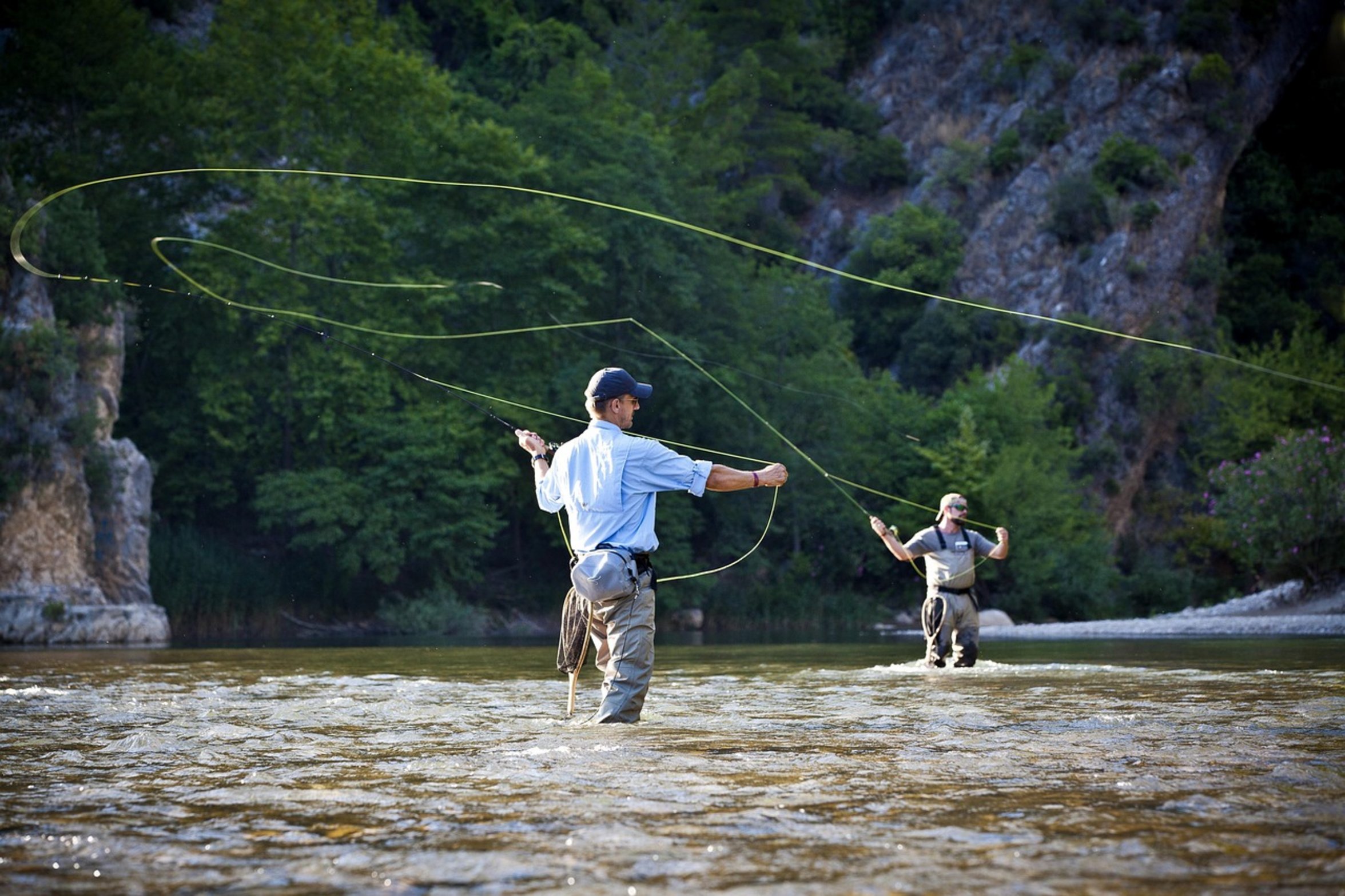
Practice learning how to manage the line with your fingers. Get familiar with how your rod will load with your weighted lure. Stop the spool, practice making long casts and cast at some trash cans.
Practice your retrieve speed as well. It’s all about how you unlock the potential given to you by the equipment. That’s where bank fishing becomes like fighting the environment.
And having the proper rig puts you in the driver seat to be able to fight back. Now you got the tools. Go get that fish now.