Bait won’t get sucked out of the strike zone This is what the slip sinker rig do for you. Your rig’s weight becomes separated from its action on your rod. That separation between how you feel a bite and how a fish feels a lure make all the difference.
You drop it down and they take notice. But when current comes back through, it pulls your offering off course into the great beyond. Fixed sinker rigs is easy.
That’s why most folks begin there. Tie a weight to your line and fish below it. But this approach limit your depth range and also reduces sensitivity.
How to Rig and Fish for Bottom Feeding Catfish
How the Slip Sinker Rig Works
With the slip rig the line run freely through a barrel sinker. Your bait stay on bottom without bogging down your rod tip in mud. You can put more distance behind your cast with minimal effort.
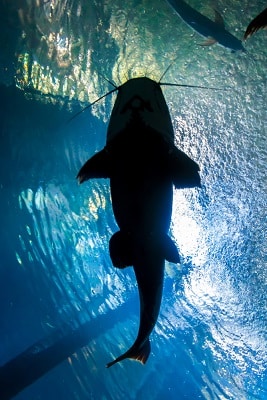
And you feel vibration clearly through water. It works on catfish Catfish are bottom feeders. They cruise along the bottom of lake or river or maybe muddy bank of a creek.
Why Catfish Prefer This Setup
They won’t run out chasing a topwater lure. They simply sit there letting vibrations and smell lead them to their prey. That’s what makes the slip sinker rig so good.
It put your bait right where they’re searching. And it lets you make quick changes in depth without having to rebait hook and untangle line. No wonder it’s a mainstay in everyone’s tackle box.
This rig starts and ends with barrel sinker. Barrel sinkers are a type of sinker that features a hollow cylinder with a hole running through it. You thread your main line through the hole.
To keep the line from rubbing on the sinker you add a bead. Below that you attach a swivel or tie onto a hook. Below that you attach a swivel or tie onto a hook.
The beauty of this setup is that as fish pulls, your line will slide freely inside the sinker without pulling on it. It doesn’t feel any resistance until it reaches your reel seat or the stop bead. That small difference are huge.
And that’s important because catfish are wary. Catfish will suck the bait up and sample it. When they sense something substantial right away, many times they just spit the hook.
The slip rig take the immediate drag off of their nose. The bait feel normal. And the catfish get his mouth all the way around the bait before setting the hook.
You have line running freely with a sinker just sitting back there doing what it does best. It is a mechanical advantage that pay off. Select a sinker size.
Choosing the Right Sinker Weight
In deep water or strong current situations, use heavier weights. In shallow creek channels and ponds where there’s no current, go lighter. Try to find the heaviest weight possible that will keep your bait laying flat on bottom naturaly.
Too heavy of a weight and you’ll sacrifice casting distance and feel. Too light and the current will pull your bait upstream. In between somewhere is the sweet spot.
Trial and error are the way to find it. One key to this rig is stop bead. Without it, the line would slap around on the metal sinker.
The Importance of the Stop Bead
That’s a noise that will spook wary fish. The bead serves as a buffer. When the sinker hit the line, the bead absorbs the shock.
While some folks like metal beads and others like silicone beads, others want plastic. Honestly, material doesn’t matter so much as having the bead. If you’re without the bead, what was once a quiet rig becomes a noisy one.
Noise drive fish away. Quiet pulls them in. The type of bait determine the hook.
Selecting Hooks for Catfish
For example, you need one kind of hook for live bait and another for cut bait. For catfish, you will often see O’Laughlin or sturgeon hooks used. They is strong and have very sharp points and wide gaps.
These types of hooks grips meaty baits such as stink bait or chicken liver well. And they stick in catfish lips, which are quite hard. If you intend to release your catch, do not use barbed hooks.
Barbed hooks can hurt the fish and are harder to remove. Barbless hooks makes it easy to remove them from fish. You will also have fewer hang-ups on your line, which means less hassle and better care for your gear.
Casting and Setting the Rig
With a slip rig, your casting technique will be different than before. There’s no need to cast as forcefully. The sinker pull the line out for you.
Often a smoother, more moderate cast will be more accurate. When it hits the water, let the sinker pull the line out. Don’t try and jerk the rod around.
That can result in kinking the line or jamming the bead. Make sure to keep it flowing smoothly. Let the rig settle on its own.
When it gets on bottom, let the line run out until it stops. Now tighten the drag a little bit. Just tight enough to have the line taut so that you’ll feel the bite.
Detecting and Setting the Hook
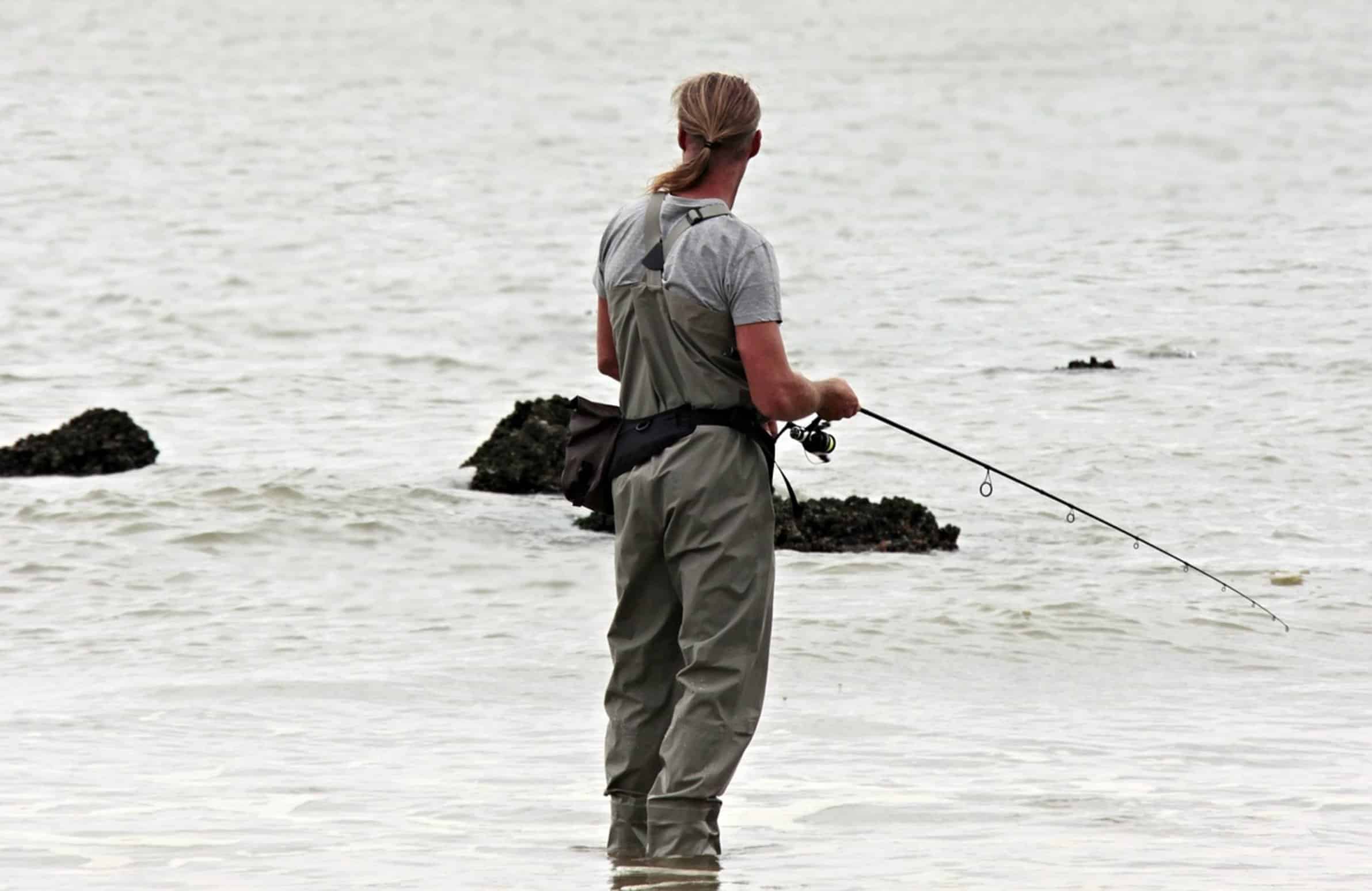
The bites is slightly different on both of these rigs. Bites on a fixed rig are read differently than those on a slip rig. It’s more of a twitch feeling them and seeing your line move up an inch or two.
Don’t just go yanking when that happens. Give it time to make its turn and then go. A lot of times catfish take a bait sideways.
If you set the hook too soon, you’ll rip the hook out. Feel weight of the fish. Once they have felt it.
Go ahead and give it a hard steady hook set. Then you got the slack line issue to deal with. There is not too much, but there is some.
Keep the line balanced and you will get the fish on board. So this isn’t a magic all-purpose catfish rig. If you cast badly, it will get tangled.
The sinker has to be heavy enough or the current will push your bait upstream. You have to pay attention to the details. But this is an effective rig for fishing for bottom feeding catfish.
It puts your bait where they’re looking It makes your line sensitive It throws a long way and pulls out of cover easily The slip sinker rig gives you confidence when you sit on the bank with your rod in your hand waiting for that tug. It lets you connect with the bottom. It lets you connect with the fish.
And it lets you catch dinner.