It’s an eerie feeling, paddling out in the fog early in the morning. A certain type of stillness falls across the lake. All you can hear is the occasional loon call and the rhythmic splashing sound off your paddle.
When most folks think about catfishing, they envision heavy tackle, mud bank and hours spent looking at a bobber. When you’re fishing from a kayak, it’s a completly different story. It’s not just about being an angler anymore.
Mastering The Art Of Kayak Catfishing
The Appeal of Kayak Catfishing
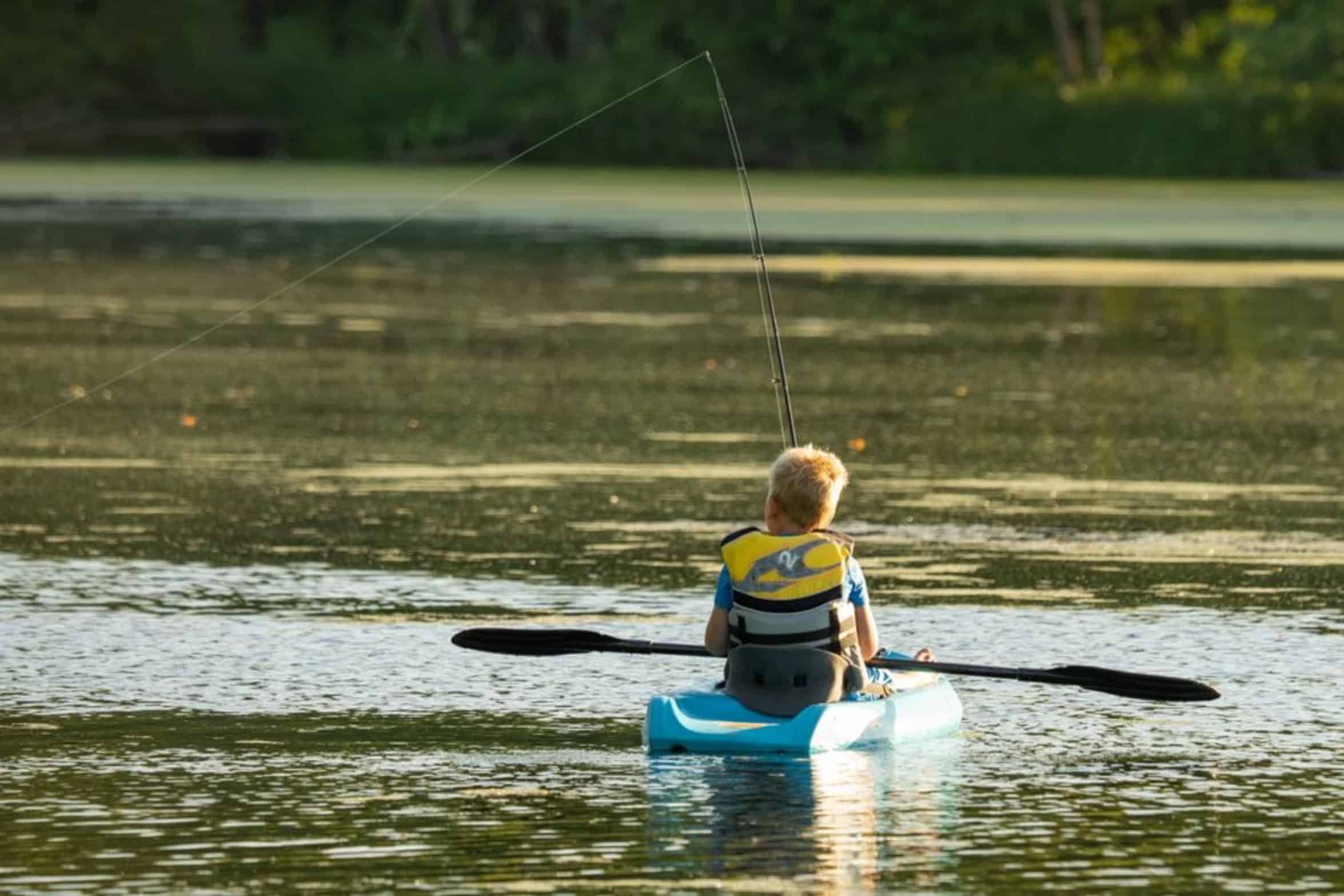
It’s more like being part of the environment, floating silently on calm water. The water is shallow enough for the fish to feel safe enough to come out and really go to work. It provide access to areas that boats will never be able to get to.
Kayak fishing attract people who like simple and stealthy methods. Kayak fishing doesn’t require expensive electronics or a fleet of rods. It only requires a way to fish reliably, a stable platform to fish from, and the ability to sit patiently while the world passes by.
Most people think that a kayak is just a toy for someone who wants to go trout fishing with lightweight rod. They think they could never balance in a kayak while using big bait to fight a strong fish without tipping over. That’s simply not true anymore because today’s sit-on-tops are rock solid and you can throw a big bait and catch a big fish without fear of being dumped into the drink.
Locating Catfish From a Kayak
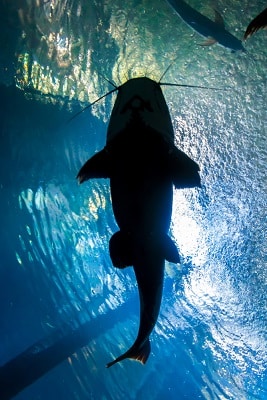
The problem isn’t the boat, but reading the water from low to the ground. When you’re not standing on a dock, finding active water is only half the fight. Bottom feeding catfish uses their whiskers to feel around in the dirty water.
They will hang close to any type of structure that provides some shade or slows the current. In order to find this stuff from your kayak, you need to watch for those small variations in the surface of the water that a boat operator doesn’t notice. Look for the shady side of sunken trees, the slow edge of a channel, or an eddy behind a big rock.
All of these spots acts as feeding lanes. All it takes is some baitfish busting the surface or seeing other signs of life to know you’ve got something going on. Again, take your time, ease up and then float on in so that you don’t disturb the area by running right over the top of it.
Effective Bait and Rigging Tips
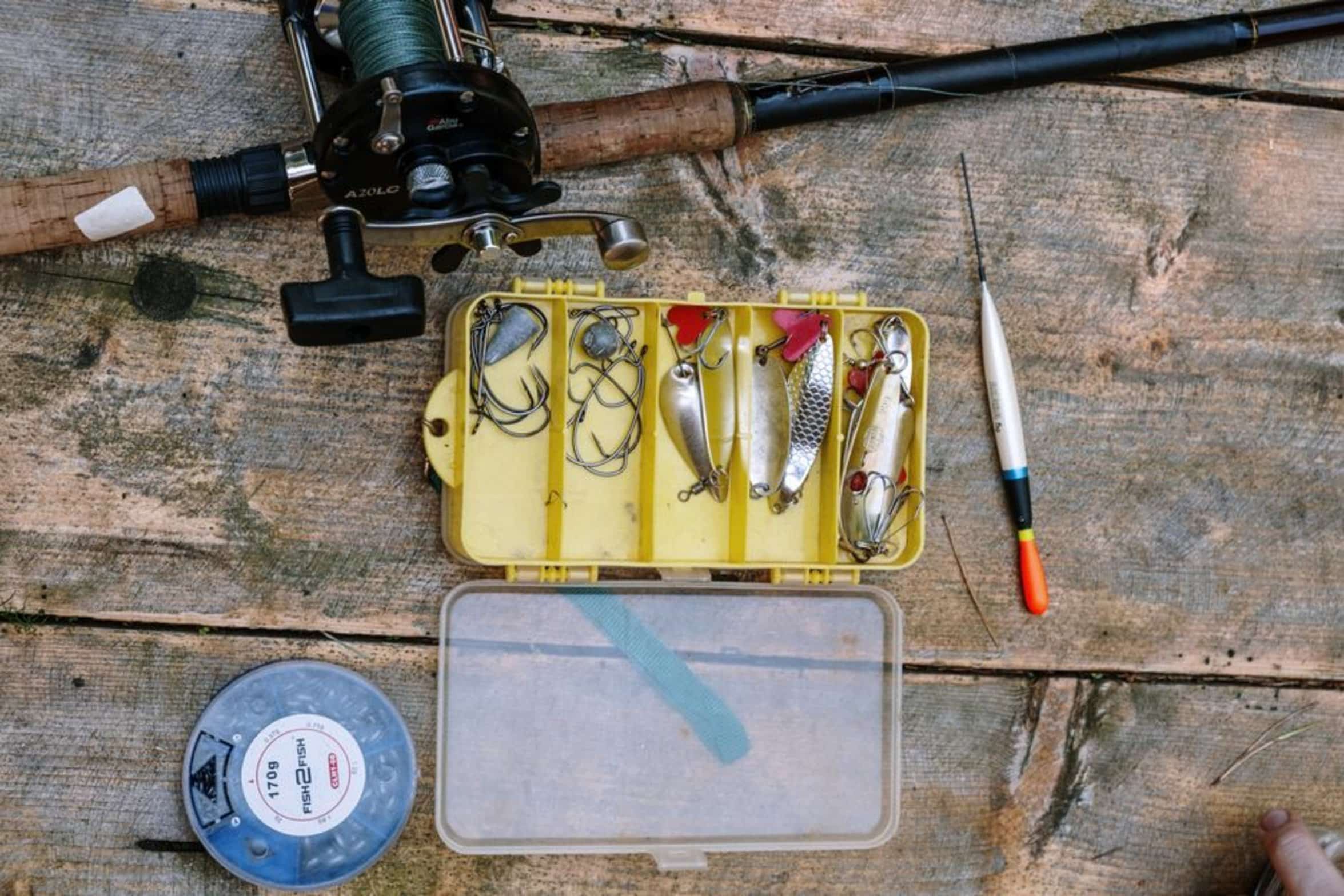
Bait selection is straightforward, but using it effectively requires nuance. For blue catfish, chicken liver still works best due to holding onto the hook well on a circle hook and leaving a scent trail through the water. For channel catfish, cut shad is dynamite; they’re more opportunistic and tend to feed higher in the water column.
Most people new to this make the mistake of using too much hook, but you don’t need that much exposed hook to catch the catfish lip as it sucks in the bait. Presentation is key, not quantity, whether using a simple circle hook set-up or a hair rig. When the catfish senses pressure and tries to spit the bait, it can’t doed it.
Essential Gear and Line Management
But you don’t have to rig out the boat with all sorts of stuff to make your kayak successful. It is important to have rod holder that lifts the rod tip above the gunwale. This prevents you from knocking your tackle on the ground when a fish bites.
Often a simple adjustable holder on the deck tracks will work better than a fixed one. Keeping your line management tight is also important because a catfish will go very fast and long distances. Getting your lines tangled up is a surefire way to end a day in a hurry.
Simple storage, like a compact tackle box and a small sinker box, keeps your tackle handy without taking up too much room. This allow you to get down and move quickly when the action starts. A catfish fight in a kayak is a test of both your drag setting and your balance.
Fighting Fish and Safety Essentials
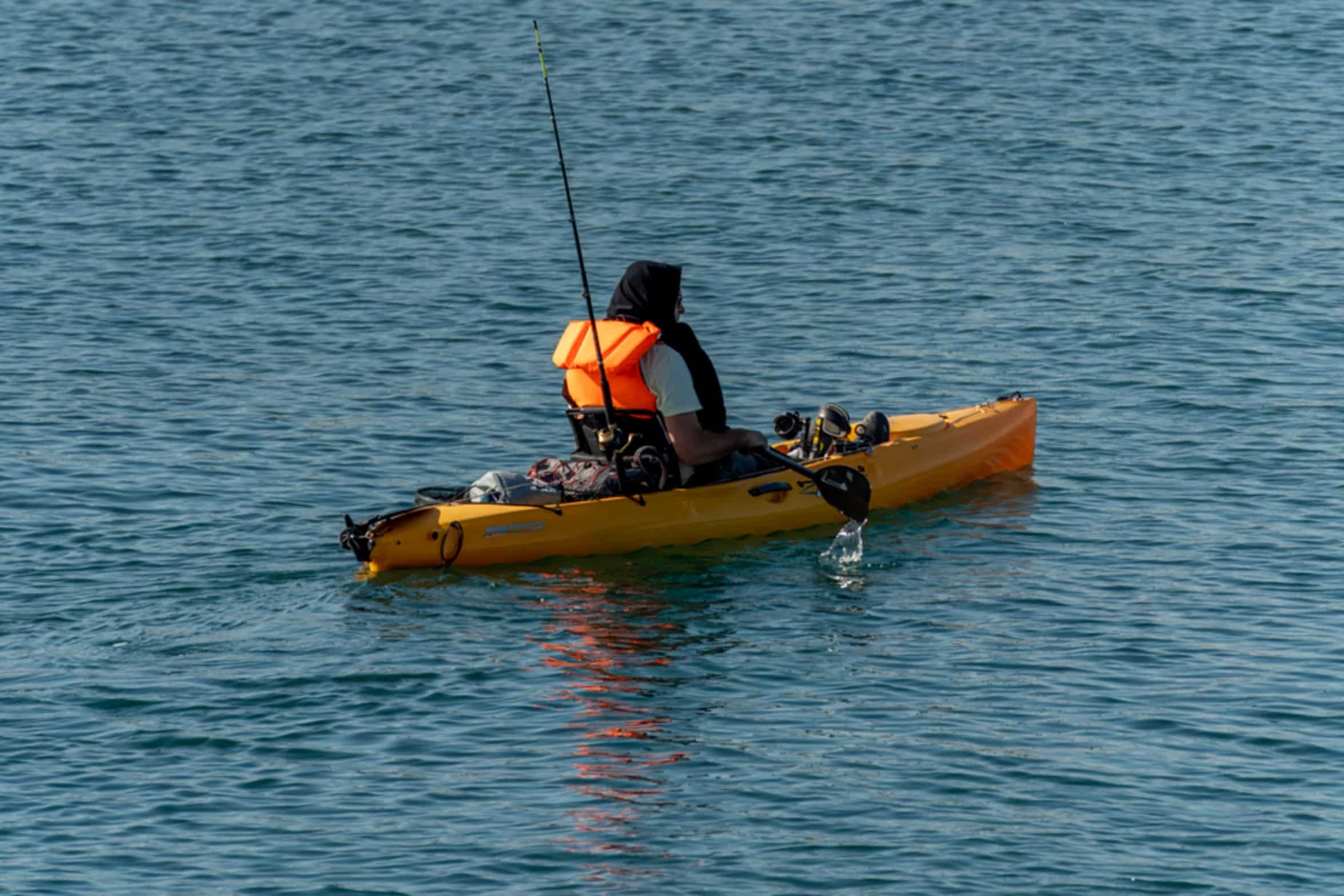
Catfish swims well and run far. They travels long distances with great force. A proper drag is loose enough for them to exhaust themselves, but not so loose that you’ll tip your boat or break your line.
Reel steady and keep some tension on the line. Don’t overpower the fish. Use your core muscles to steady the kayak against its rocking back and forth as the fish pulls.
Let the rod pull, but don’t attempt to overpowering the fish and muscle it in closer. Patience pays off; eventually you’ll see the fish’s barbels break the surface. Above all, safety is most important when on the water and there can be unseen hazards such as debris and logs to deal with in catfish haunts.
Life jackets should fits properly and always be worn. Make sure to know what the weather will bring prior to launching and never paddle in high winds. Always clean up after yourself and treat the water with respect; it doesn’t care if you’re a good angler.
Even though you may not catch a trophy, you’ve had some time on the water that most folks don’t get. The quiet settles back in. The lake has kept its secrets again.
Now it’s time for another day.