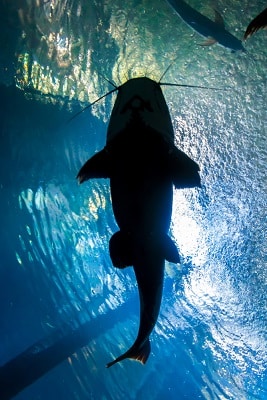
Getting a big catfish in the boat require having the right kind of reel. It’s silent until that instant when a catfish grabs your bait. Then there is a snap and you know he has it.
Your reel play a major role in getting him to the boat or not. It will determine whether you win or lose the fight many times over. Your reel is your fighting machine, your engine.
Having the incorrect reel will lead to great frustration and a loss. Anglers know a good reel is necessary, but most don’t understand what that means. When we say strong, we’re talking more than just pulling power.
We’re talking about balance, reliability, and durablity. Can it take the shock of a big ol’ bottom feeder? Bass and trout hits hard.
It is not catfish. They suck up their prey and grind on ’em slowly. It’s a test of all your gear teeth.
And if you can’t hold up under that prolonged pressure, you won’t last long. There are reels all over the market ranging from heavy steel frames to cheap as chips plastic bodies. You should know how the specs translate into real world river condition.
Key Features to Check Before Buying Catfish Reels
Choosing Between Spinning and Baitcasting Reels
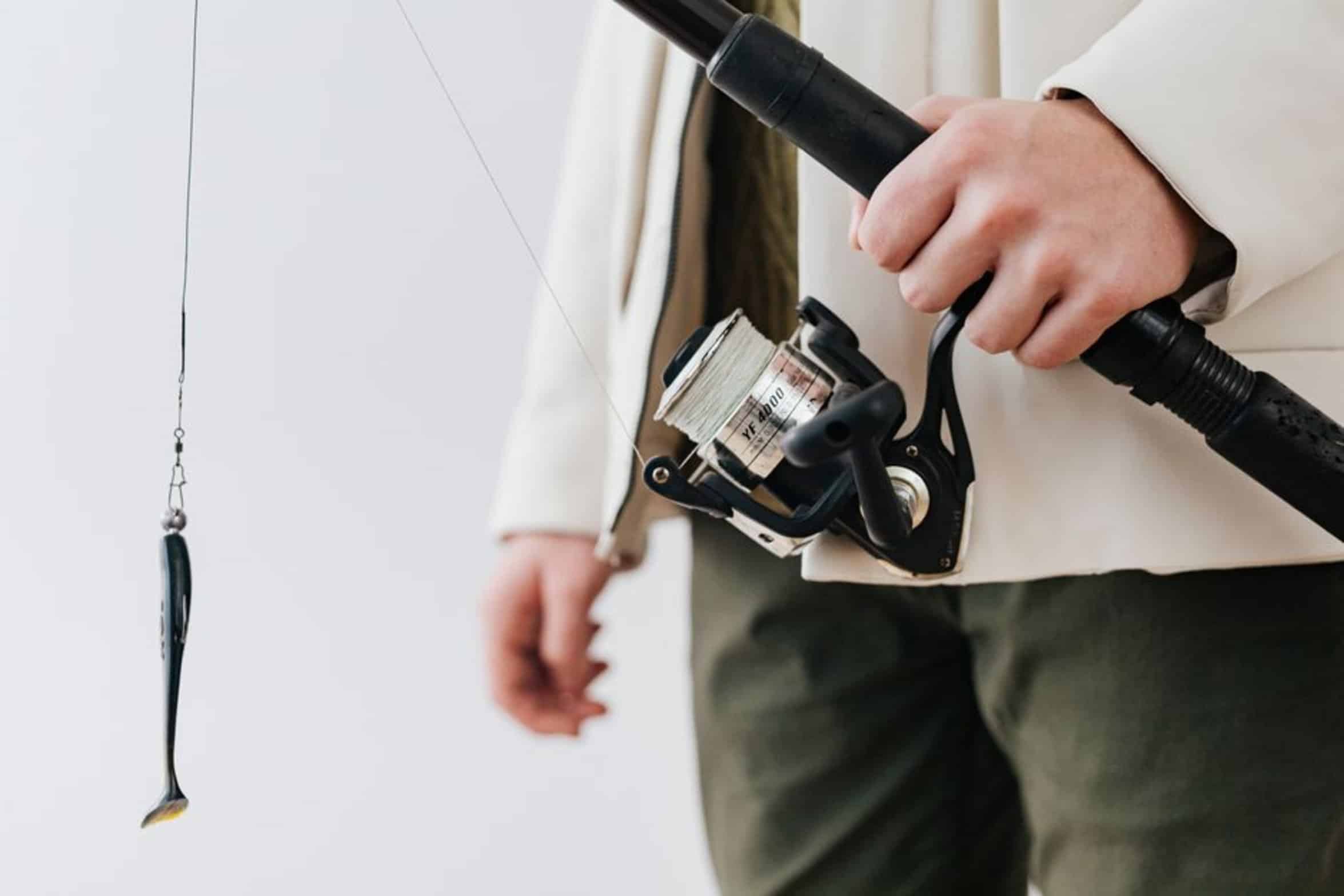
Next is your weapon. Which is it going to be: spinning reel or baitcaster? That will decide your casts as well as handling of your line throughout the battle.
Spinners is usually more beginner friendly as they can handle heavier line without backlashing. They’re also located beneath the rod, making them good for overhead casts with heavy sinkers in deep water. Baitcasters has more precise and torque-heavy capabilities.
Because they sit above the rod, they provide a better feel when hooking a big fish and pulling him out from cover. While most hardcore catfish guys opt for the power of baitcasters, spinning reels still hold there own for light tackle or small cats.
Understanding Gear Ratios for Catfishing
After you select the style, it’s time to consider the gear ratio.
The gear ratio represents how many times the spool rotates for each handle turn. If it has a high gear ratio then you can wind the reel faster and cover water quicker. If it has a low gear ratio then you’ll have more cranking power, which is necessary if your catfish dives deep and won’t move an inch.
You typically want a lower gear ratio for catfishing (around 5.0 to 1 or lower) as this provides you with the power necessary to pull big cats off the bottom. Sure a high-speed reel may look cool but you’ll be left with sore arms while the fish remains buried in the weeds.
Importance of a Quality Drag System
Drag system quality This might be the most important technical characteristic.
When catfish find out that they’re hooked, they like to make a few long runs. If your drag is good, it will hold the pressure smoothly without any line-snapping. Ideally, look for multiple drag washers made of something other than plastic, such as high-quality felt or carbon fiber.
These materials will not only dissipate heat more effectivly but will also prevent a failed drag during a long fight. Test the drag of each reel you’re looking at. It should engage smoothly whether it’s pulled loose or tight.
If there’s any jumping or sticking, return the unit. By far the biggest cause of lost fish is a failing drag.
Sealed Bearings and Corrosion Resistance
Aesthetics are secondary to durablity.
Sand, mud and river debris often enter catfish reels. Having a sealed bearing system is very helpful as this prevents any grit from entering into the guts of your reel. Reels such as those made by Penn, Shimano and Lew’s has established their reputation with reels capable of standing up to harsh environments without seizing.
If you’re fishing saltwater or even brackish bays, look for finishes that resist corrosion. There’s nothing worse than having a nice looking reel in the store only to have it turn to rust within a week. This is an investment in a tool you hope will perform when the weather turns bad, not on a sunny weekend.
Selecting Proper Line Capacity
Another thing people tend to overlook is line capacity. Big fish need good line and big catfish gets big. Heavy lines take up more space on the spool than lighter monofilament or fluorocarbon.
Make sure to buy a reel that fits the size of line you want to throw. A little spool doesn’t last long when fishing 20-pound test line; it’s going to fill up fast and leave you without any backup for a run. Running out of line during a fight is an expensive error.
Read the line capacity tables in the reel manufacturers guide and select a reel which can hold the appropriate amount of backing for the mainline.
Budget vs Performance in Reels
Last but certainly not least, consider cost versus how much you fish it. You should of not needed the most expensive reel on the market to catch catfish, but you should avoid the cheapest options.
Those entry level reels tend to be made with cheaper components that tear gears loose and burn holes through their drag system before long. A solid middle-of-the-road model from a reputable brand provides the right combination of durability and functionality. They’ll last long enough to handle normal fishing abuse without costing an arm and a leg.
Spending a few extra bucks now on a quality reel will pay off down the road in terms of fewer breakdowns and lost time. Fishing for catfish is a matter of matching the tool with the task. This isn’t about the flashiest gear; it’s about having the gear that will work when the pressure is on.
Make sure you take some time to handle different reels, test the drag and consider what kind of places you’re going to fish. You’ll be ready when that big tug finally happens. The quiet will end, and you will stay confident.