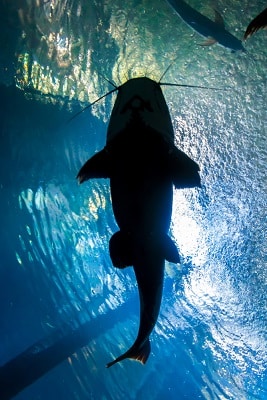
For those who have heard the snap of their carbon fiber crack in half, there’s a certain kind of disappointment that comes with being a catfish angler. It’s not so much the loss of equipment as it is the realization that you’ve just let go of a 60 pound channel catfish because you fought it like a bass. The thing is most folks purchase their rods by looking at the ratings on the blank that tell them the maximum weight of lures they can throws.
This, however, is where many folks make a misstep. Those numbers do not reflect how the rod will behave when faced with a fifty pound blue catfish that wants to take off for the bottom. Knowing this is the difference between catching big fish or breaking your rod.
The key is understanding what’s going on mechanically with the gear and not getting caught up in labels used for marketing. Fighting catfish is a grueling experience that can put tremendous pressure on the butt section of a rod. There are no jumping fish; there’s just diving, dragging and using structure and current against you.
A poorly constructed or lacking-backbone rod won’t bend properly. It will buckle catastrophically. You want a rod that gives you enough flex to handle those quick spurts without being so stiff as to pull against heavy line and thick lips when setting the hook.
It’s about finding a balance and knowing which actions and materials provides it. First of all you’ll notice the material used in the rod blanks. There are basically two types, fiberglass and graphite and they responds very differently under load.
How To Choose A Durable Catfish Rod
Rod Materials: Fiberglass vs Graphite
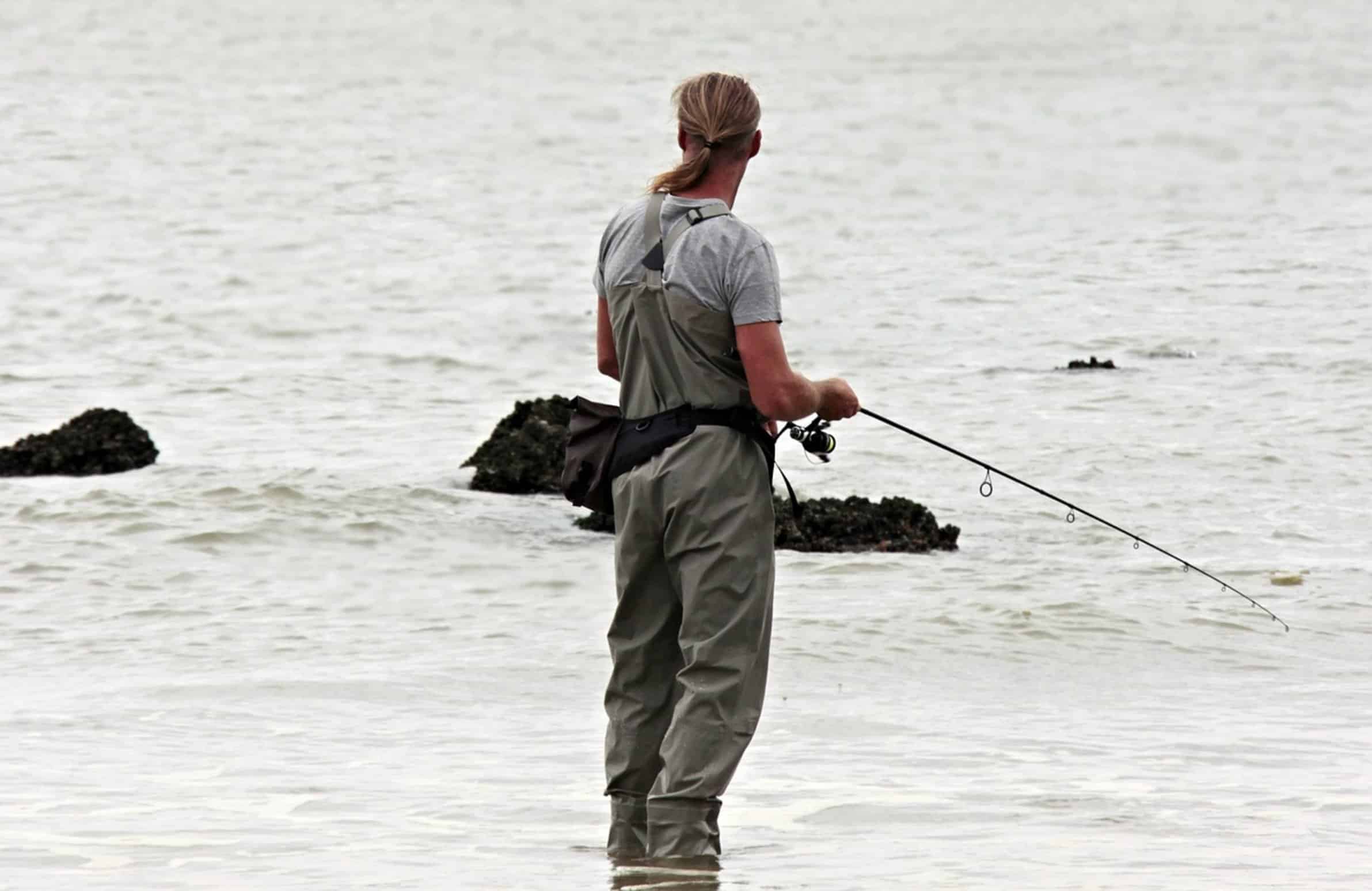
Fiber glass rods are super tough and have a slow parabolic action. They also tend to bend way down at the handles. That’s great when a big catfish starts running violently from side to side.
Instead of the shock going straight up the line and into the reel, the rod actualy soaks up some of it. Graphite rods on average tends to be lighter with better sensitivity but they can becomes brittle under a lot of pressure. You can get a really nice feeling pure graphite rod that feels good in the boat.
But get a big ole’ chunky blue cat to lay into it, and it will snap like a twig if you lean on it incorrectly. Because of this, fiberglass tends to be the safer bet when you’re fishing heavy on the bottom. It just doesn’t want to break.
Understanding Rod Action
The second component is action. More than material perhaps. Preferably medium-heavy to heavy action rods with bend occurring between the top third of the blank down into the middle.
That’s where folks refers to it as moderate-fast action. Enough tip stiffness to push a big hook home in a catfish’s maw but still enough give below to absorb the fight. Don’t get me wrong, I’ve caught plenty on a fast-action rod that bends at the absolute tip.
When a cat makes an abrupt turn, however, that fast rod snaps and the stress concentrates at the tip causing the rod to fail. Distribute that load. Think of your rod as a spring…
Not a steel bar. Rod construction is hugely important, especially how the rod attaches to the reel seat. That’s really the weak link with low-end rods.
Hardware and Construction Quality
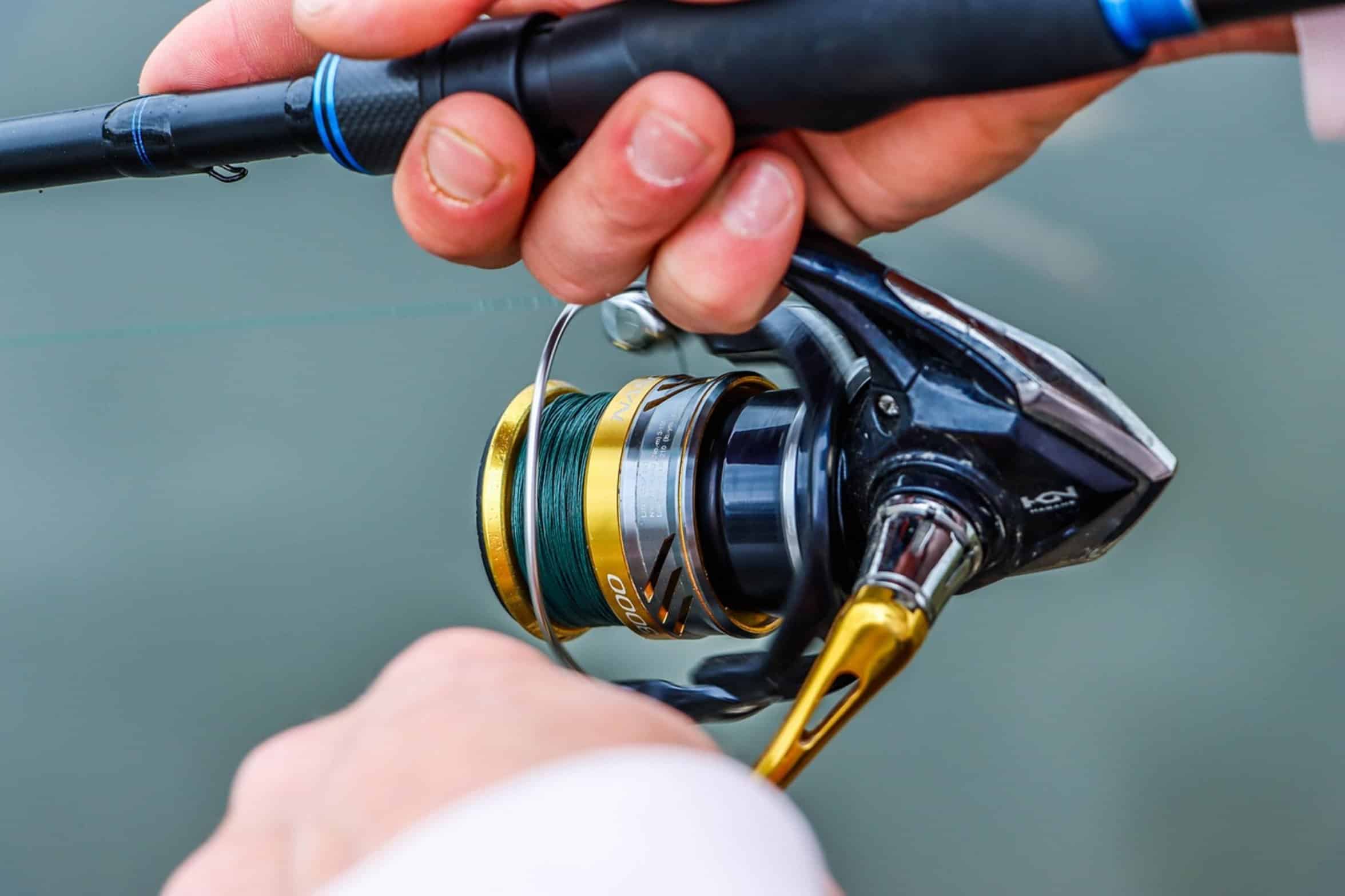
Look for rods with aluminum oxide guides and durable reel seats made from stainless steel or high-quality aluminum. Companies such as Ugly Stik has earned their stripes on just these principles. With a stout hardware and heavy glass blank, the Ugly Stik GX2 is about as bulletproof as you can get.
Not the most sensitive rod out there, but it will bring ’em boatside when a more refined, light, fancy-pants graphite rod won’t hold up. You aren’t buying sensitivity, you’re buying peace of mind. Peace of mind is most important when you’re busting your chops around heavy cover and deep water.
Choosing the Right Power Rating
Confusion arises among most anglers regarding power rating. Remember: Don’t mistake power for action. When we’re talking about power, we’re discussing the overall strength of the rod.
Typically speaking, you’ll want a rod rated somewhere between Heavy and Extra Heavy in terms of power for catfish. This gives the rod the necessary backbone to reel the fish up and over any submerged brush and logs. It also help you lift them out of deeper water.
Designed to be used with lures weighing several ounces and line weights of twenty pounds or more, an Extra Heavy rod is built to handle big business. On the other hand, if you’re fishing small channel cats shallow, you may get by with something rated Medium-Heavy. But when targeting flatheads and blues, don’t downsize.
The heavy power rating matches the brute strength you’ll need. And lastly, how long is it? In a fish fight, leverage matters.
Ideal Rod Length for Leverage
The farther away from the fish you can get, the less pressure there is on your arms and the more control you have over the line angle. With a shorter rod (like 6 or 7-foot), you have less space between you and the fish, meaning more direct stress on your arms and less control over the direction of the line. With a longer rod (8 footers are great), that longer lever arm absorbs some of that energy so you can keep the line angling where you want it while the rod does all the work.
When the fish makes its last second turn, I think you’ll thank me for that extra foot. It’s all about respect for what you’re fishing for. Catfish are tough critters.
They don’t give up easy, and they’ll find every flaw in your equipment to use against you. Using the proper action and power with a durable rod that bends, not breaks allows you to enjoy the fight without losing the battle. You want to hear your drag scream, not your fiberglass breaking.
Keeping the rod in your hand and the fish on the line starts with the right gear.