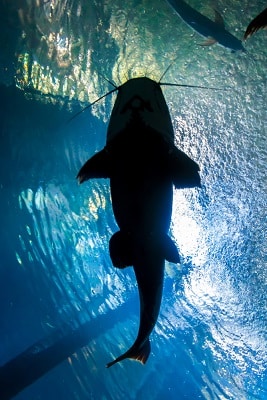
When they aren’t waiting for a meal, most fish hangs out within water column hovering around structure or floating along with current flow. Not the Clarias genus… The walking catfish.
They don’t swim; rather, they walk. And you’ve seen them doing that right here in back of your truck following a storm, on the beach in Florida, in rice paddies across Southeast Asia. What?
You didn’t know they walked more like people? Nope. They don’t have legs.
Understanding The Fascinating Walking Catfish Behavior
How Walking Catfish Move on Land
Instead, they extend their pectoral fins (which look a lot like arms) and lean into debris and mud to push themselves forward. It’s an awkward way of moving but it gets them going just fine. This make them one of the planet’s most invasive freshwater species.
What makes these fish different? They can leaves the water to travel. They won’t fit in a net.
They will survive outside of water for days if their skin remains wet. River beds that run dry won’t hold them back. It’s a survival technique that has been developed through evolution when these fish are regularily forced into dry conditions.
Hope isn’t an option. Waiting for the water to come back is not an option. You must account for them getting out.
Why They Are Invasive Species
But you have to know your enemy first. The African sharp-tooth catfish (Clarias gariepinus) is most studied and widely farmed species. In fact, C. C. Gariepinus is valued as a farmed species because of its high protein content and hardiness.
It can tolerates poor water quality better than most fish and has a quick growth rate. This make it an ideal candidate for intensive farming systems, particularly ones with fluctuations in oxygen. But while these characteristics makes it a good choice for farming, they’re also the reasons why it’s a dangerous escapee.
A careless transfer can send some of these specimens into a new ecosystem, or a flood can wash a farm pond right into local creek. And once they’re out? They don’t stay put.
They don’t stay out. They use their moddern pectoral fins to get around. They are muscular and jointed, which gives them a wide range of motion.
Each time the fish puts one forward and the other one behind and then uses its body to pull itself through substrate. Its tail serve as both a source of balance and extra propulsion. Their action is slow and methodical and when the air is thick and the ground moist they can cover quite a distance across land.
When you read about seeing them in the rainy season in tropical areas, you see exactly that: the ground is wet and the air is heavy. They are in search of mates. They are in search of food.
They are in search of new habitat. The drive is strong and biological. It’s also very invasive.
Populations of Clarias have blown up in Philippines and in Florida. They’re voracious feeders; they’ll eat anything from insects, crustaceans, other smaller fish, even dead things (i.e., carcasses). They out-compete natives for not just habitat but food.
They change the food web. Because they’re often out of water on land or in shallow water, native predators cannot catches them. No defense exist for native prey when there’s a catfish that can be out of the water.
The environmental effect builds up and occurs over time until you cross some kind of population threshold. The threat demands that farmers adjust their farming practice. Non-negotiable facilities must be secure.
Preventing Escapes in Farms
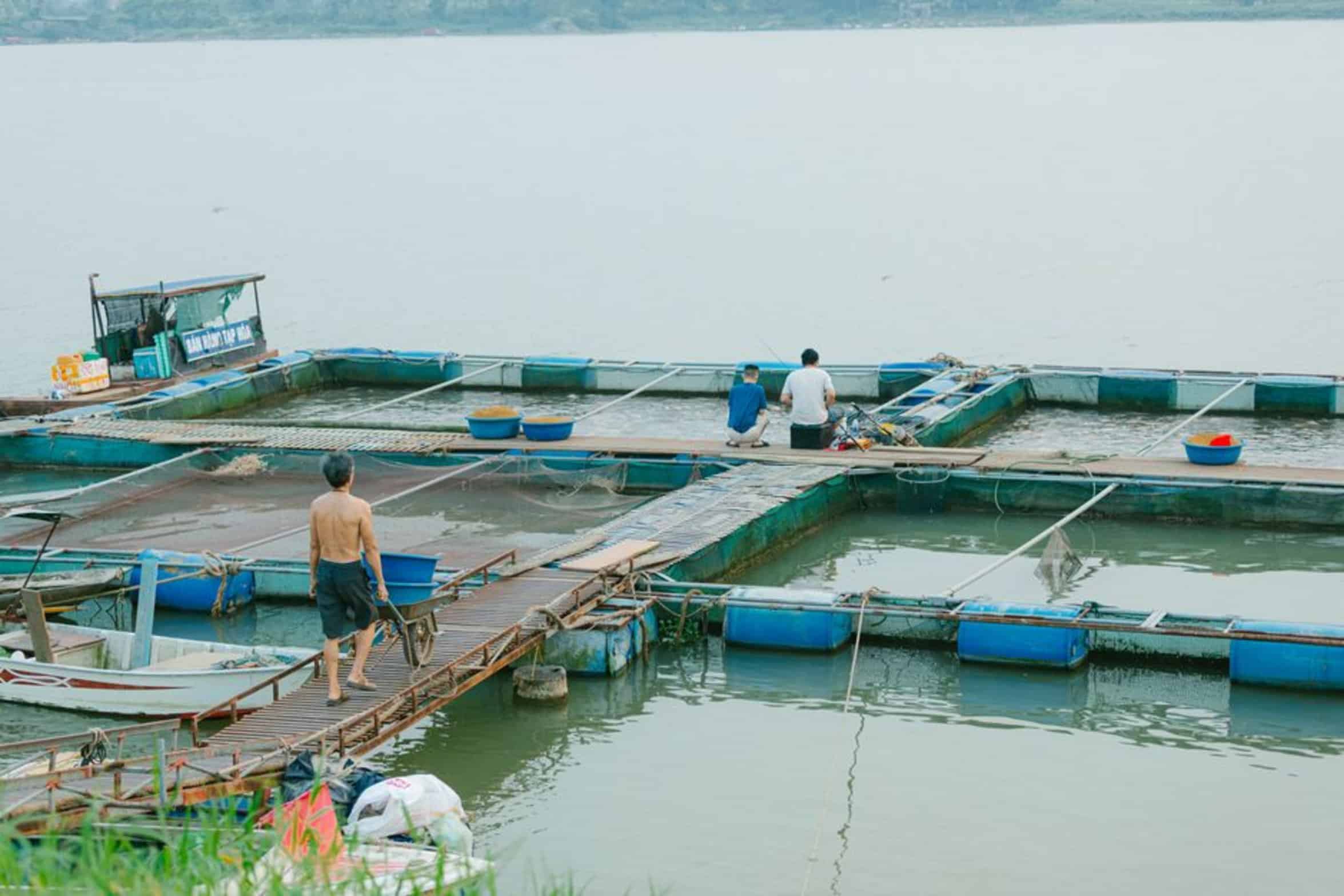
Ponds should have a cover over the drain and higher walls. Careful attention must be given to stocking density; too many fish will increase stress and are more likely to escape. Attention must also be paid to weather patterns.
Rising water from heavy rains will put pressure on containment and breach it. A back up power source for aeration systems is wise. Without power, there is no oxygen so the fish will attempt to come to surface and even exit.
Once they are in place, eradication is next to impossible. Prevention is always less expensive. Anglers need to know what to look for.
Identifying and Handling Walking Catfish
While not unlike other catfish in appearance, they do have special characteristics. Their body is somewhat flattened out at the head. They have large barbels around mouth.
Their dorsal fin, along with their adipose, is very long and stringy, extending nearly the full length of the fish’s back. Color-wise, they are typically dark brown or gray which makes them blend well with muddy bottoms. When hooked, they will fight vigorously and will try to twist and turn to throw hook.
Be careful handling them. They have sharp, spiny dorsal and pectoral fins that can leave a nasty puncture wound. That wound can become infected and painful.
The walking catfish is also a testament to nature’s flexibility. It demonstrates how small physical differences can lead to big changes in behavior and range. It calls us to reexamine our ideas about what fish are capable of and where they may live.
Finally, it demands we reconsider how we approach conservation strategies and containment options. Don’t forget to consider the rain. Don’t forget to consider the land.
Respect the persistence of life. And next time you encounter a mud puddle on the ground following a downpour, take another look. There just might be something stirring around in there.
Something that walks.