When you go out for catfish, you assume you know what’s on your plate. The description reads: “a mild, flaky white fish,” which will be either grilled with lemon butter or battered and fried in cornmeal. Sounds good right?
Protein. Some fat. A unique earthiness characteristic of this particular fish.
What you get when you cut open that dish is much more complicated different than the words on the menu. There’s a certain kind of fat. There is a lot of water.
And there is an entire system of farming methods. These affect the taste and the texture, among other things. You see, most folks think when someone gives them a piece of fillet, all that’s on their plate is some fishy meat with no bones or skin left behind.
Understanding What Is Actually In Catfish
Understanding Commercial Catfish Farming
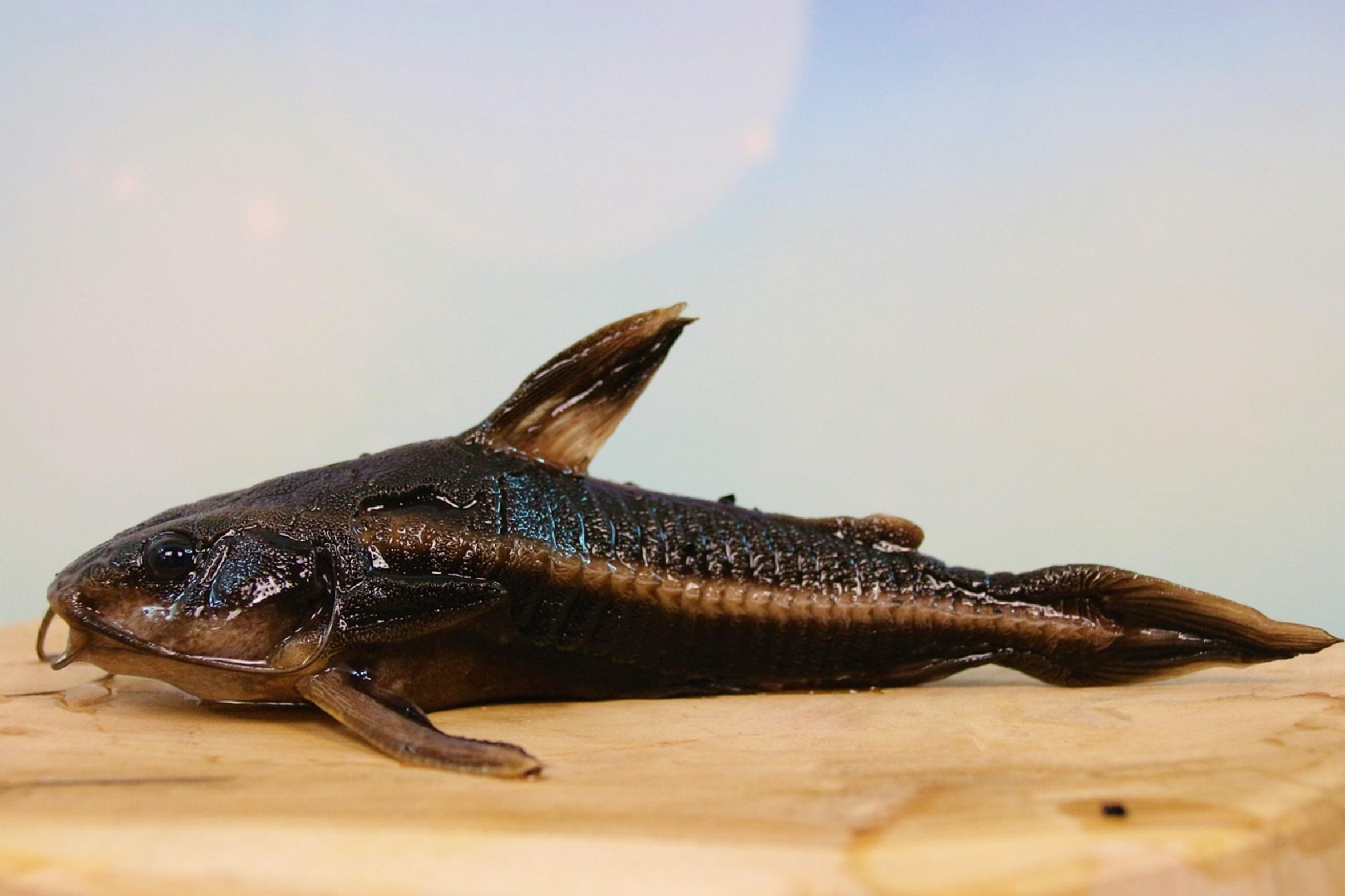
They miss the engineering. A uniform piece of protein doesn’t happen by accident. Because virtually every commercially available catfish is farmed, it has been raised under conditions of control: what it eats; how fast it grows; and how much muscle mass it develops.
Managing High Water Content
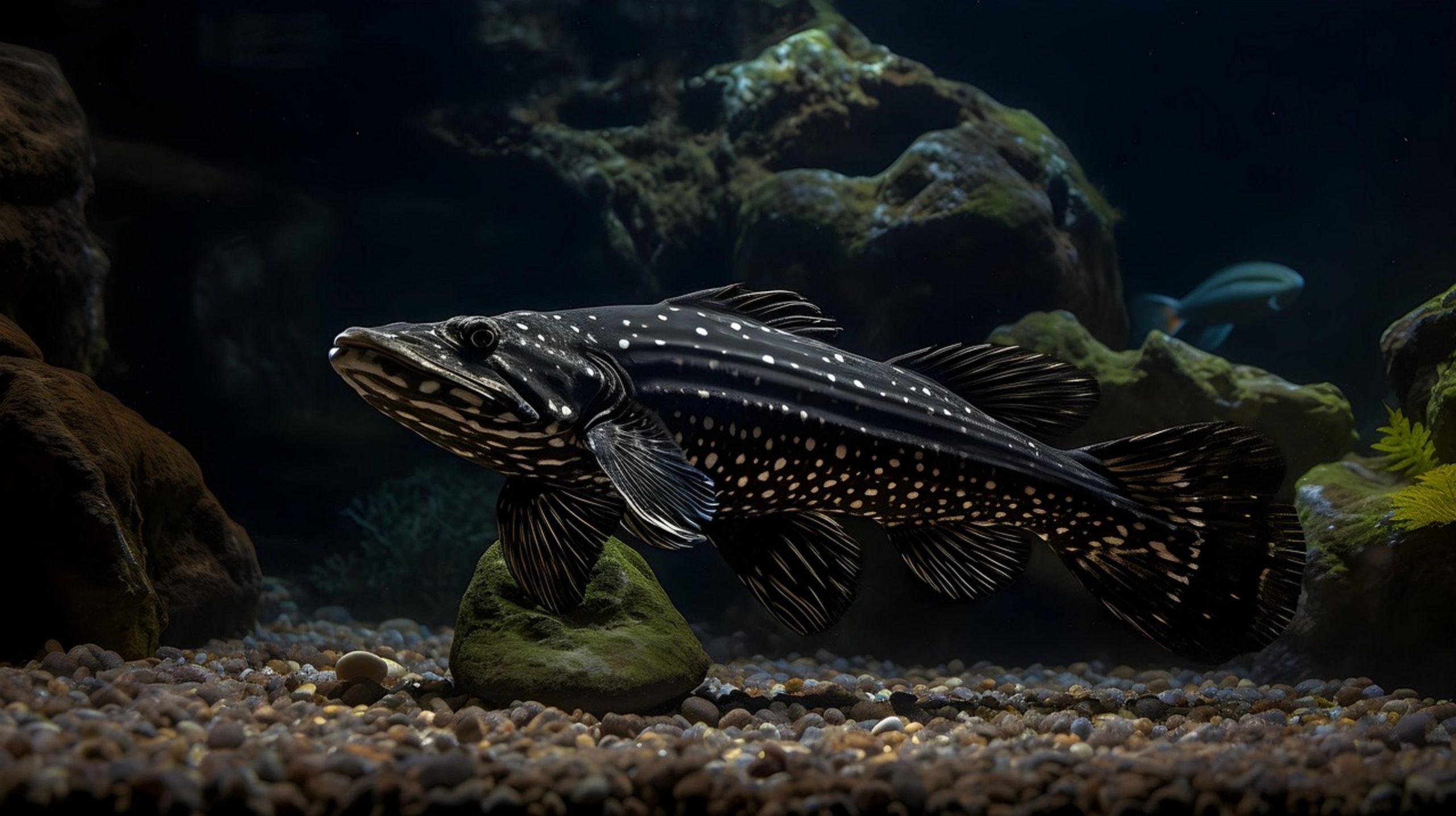
Knowing those variables alters the way you prepare the fish. And the way you assess its quality. If you expect a commercial catfish to be as good as a wild-caught salmon or a lean snapper, you’ll probably overcook it.
Or discover it lacks taste. Okay, so the first thing to know about catfish is that it’s really darn watery. A raw catfish fillet can consist of up to 70 to 80 percent water by weight.
That means when you’re cooking it, most of what you’re doing is just driving away the water. Because its muscles contains such a large amount of water, they also tend to flake readily. It’s all due to the structure of the fish: the muscles are bound together by a fragile framework that tears easily when heated.
In other words, use gentler cooking techniques. Steaming and poaching retain more of the natural juiciness, while pan-frying cooks the outside quickly, forming a seal in the process. Another big part of the catfish-eating equation: Its fat profile.
The Role of Fat in Texture
While there’s some fat in catfish (typically about 5 to 7 percent), it’s not cod-halibut style; this fish is lean. The fat content is higher by seafood standards, but even more importantly, most of it is intramuscular, it’s spread inside the muscle, not just on top. That means there’s flavor-packed fat throughout the meat, not just on one side.
And because fat tends to be a natural tenderizer, that makes for a slightly softer texture in your mouth, too. For anyone who dislikes the sensation of dry fish, that’s great! But the fat does tend to dull powerful seasonings, so you’ll want to add a bit more salt and other acidic ingredients to wake things up, more than you might for a leaner fillet.
Domestic vs Imported Origins
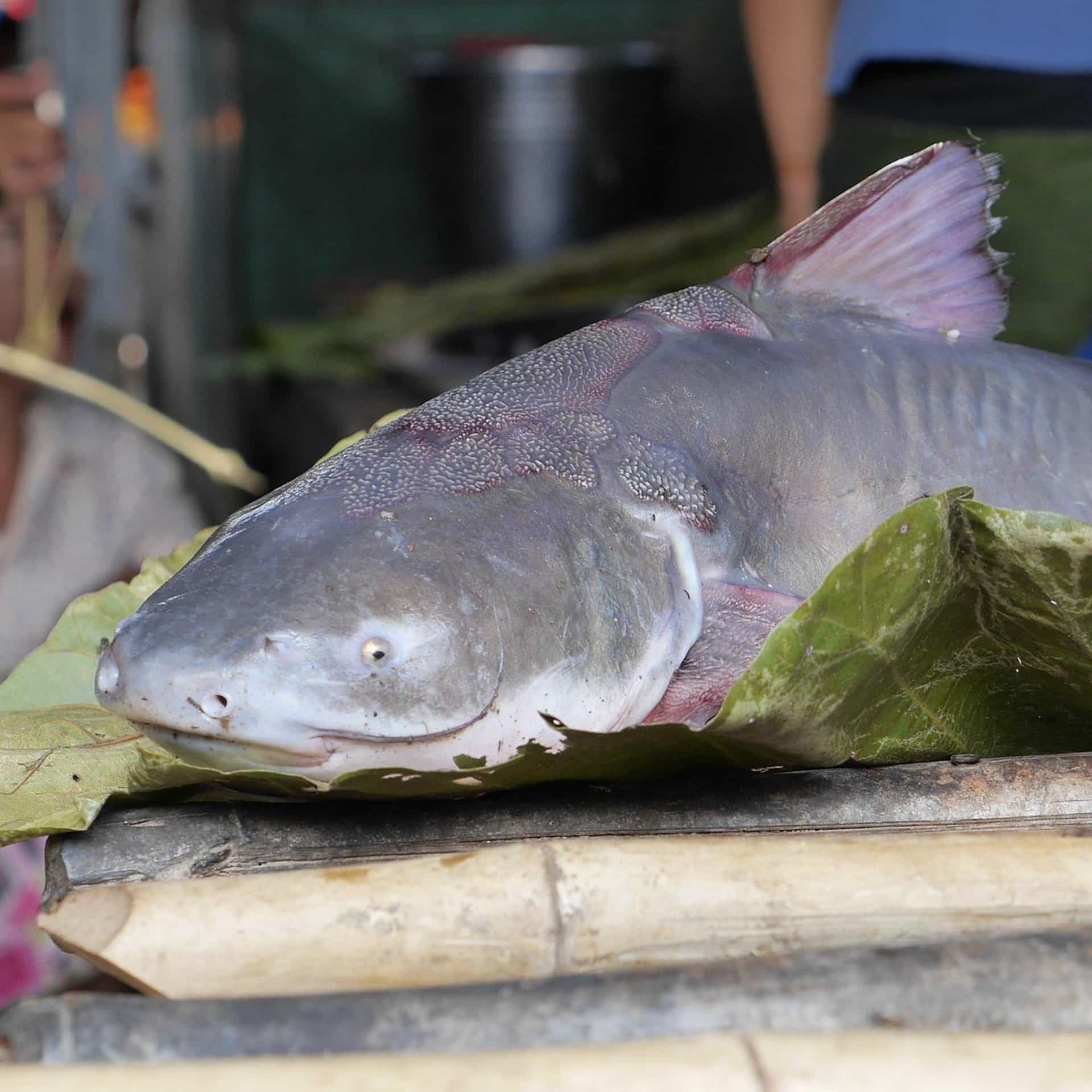
More importantly for most consumers, where your catfish comes from does matter. Most of the catfish imports into the U.S. Most catfish imports come from abroad and aren’t actualy catfish at all. They are swai (basalao), which is another type of catfish found in the Mekong River.
They’re also typically not raised in the same conditions as domestic Channel catfish (grown mostly in Alabama and Mississippi). While domestically-raised catfish is tightly regulated by the FDA when it comes to both the quality of their water and feed, those imported may be raised without such strict regulation, which can impact both their flavor profile and the potential for contaminants. Fish from abroad may have been fed particular feeds or raised in particular water conditions that impart a muddy, even medicinal, flavor.
Generally speaking, domestic catfish are milder and clean-tasting with a better ability to stand up to simple preparations. The type of feed also affects the meat’s color and flavor. Depending on what diet the farmer feeds their fish, farm-raised catfish is either herbivores or omnivores.
Feed Impact on Color and Flavor
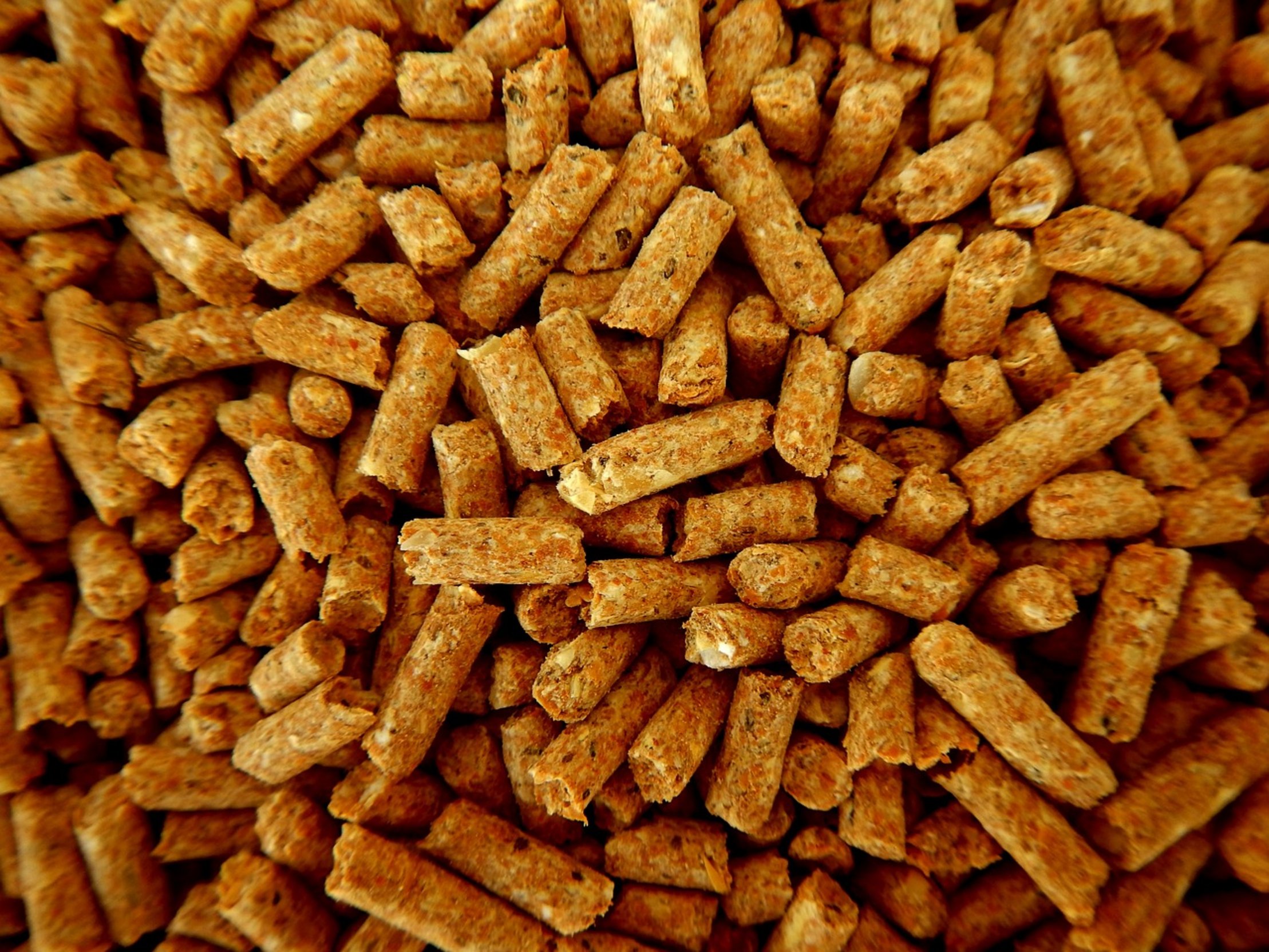
When fed a high-soy/high-corn diet, the resulting fillet will be mild in flavor, with a pale color. This is what you’ll typically find at your local supermarket, plain old catfish. However, when given more animal-based proteins (or some kind of algae), their flesh will have a stronger, occasionally gamier flavor.
This color may vary as well; instead of being pure white, it might show a hint of orange or even pink. While this may throw off customers who’re used to seeing a perfectly white filet, this change is completely normal. It doesn’t mean that the fish has spoiled, it simply means the fish ate more of those particular nutrients during its last few weeks of life.
Fixing Mushy Texture with Brine
Texture is perhaps the biggest dividing point when it comes to eating catfish. There are those who love a good piece, cooked just right with that soft, almost creamy texture of a good fillet. Then there are those who think it’s mushy or gross.
In most cases it really depends on how the fish was handled and prepared. Because catfish have a lot of collagen in their connective tissues, leaving it on without cooking it down can make the fish chewy or tough. Underneath that skin lies more connective tissue.
While most fillets come without the skin, there still will be some connective tissue underneath. For the muscle fibers in fish, brine can help make them firmer. By soaking in a salt-water solution for about twenty minutes, you allow the proteins to absorb some water and expand slightly.
This makes the structure of the fillet stronger so it doesn’t fall apart as easily when cooked. When seasoning catfish, keep in mind that although it’s a mild meat, it will pick up any seasoning easily, but that it lacks the natural robustness to stand up to heavy-handed spices. Strong curries, for instance, or heaps of black pepper, will mask its subtle flavor.
Seasoning for Subtle Flavors
Keep in mind that what you’re looking to do is enhance the fish’s natural sweetness and fattiness. A bit of garlic, some lemon zest and fresh herbs (such as parsley or thyme) are delicious. For fried applications, flour or cornmeal with a dash of smoked paprika deepens the flavor without covering up the fish.
Complement (not dominate), is the name of the game. It is also important to know what I get. How does it differ?
Choosing Quality Fillets
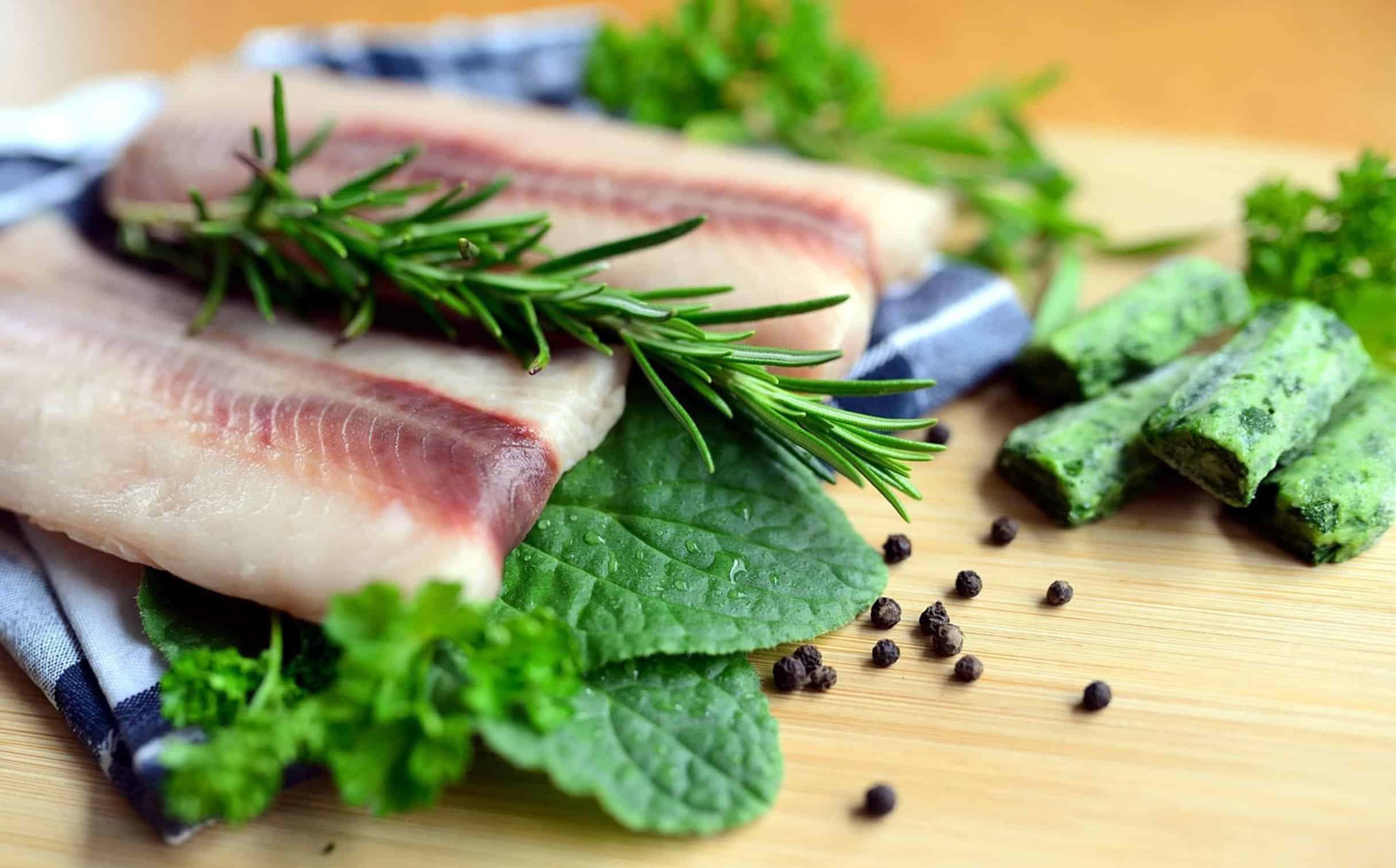
In general, catfish fillets come from the loin section, the firmest part of the fish. Belly meat is typically more fatty and soft, better suited for rich preparations, some chefs say. The tail sections may be higher in connective tissue and therefore tougher.
If you purchase a whole fish, you’ll become familiar with these variations. When purchasing fillets, bear in mind that they hide where the meat originated, so ask the butcher. Ideally, you want your fillets to all be the same thickness; there shouldn’t be any discoloration or dark spots.
It should not smell overly “fishy”, but rather, fresh and clean. The bottom line is that a serving of catfish is as much about food preparation and farming as it is about biology. It’s an animal whose nature rewards good care and preparation.
Cook it smarter by knowing where it comes from, how it was raised, and how much moisture and fat are inside it. Use your knowledge to transform something that could be mushy or bland into something tasty and tender. And finally, realize that you’re eating a carefully farmed animal product.
Give it the respect it deserves, and you’ll have a quiet but satisfying meal for your efforts.