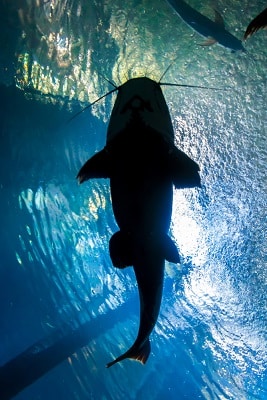
Though catfish is known as an intimidating dish to attempt at home, it’s actualy very forgiving. Catfish is cheap, mild and versatile. Unlike lobster, which needs exact temperatures, or a delicate fish like sea bass, fried catfish doesn’t need to be handled so carefuly.
Rather, it love bolder flavors and a nice crunch. When you dip your fish in, you don’t want it coming off; you want it to come out of the pan golden brown on the exterior and tender within. Beginners fumble by hurrying and then selecting an inappropriate batter.
Wet fillet go into cold oil, which causes the fish to adhere to the pan. The result is a gluey mess different than a crispy coating. Achieving the fundamentals will turn what might have been a soggy letdown into restaurant quality.
It’s not about cooked fish; it’s about flavor, texture and confidence. This is the secret to the perfect fillet. First thing’s first: Pick out your fish correctly.
Step By Step Guide To Perfect Fried Catfish
Choosing the Right Catfish Fillets
If possible, use fresh. But if not, thaw good quality frozen fillets thoroughy. Look for boneless, skinless fillets cut from either blue or channel catfish.
Both species is firm enough to hold together when fried. Stay away from anything smelling super-ammonia-y or looking slimy. It’s a sign they’re old or stored impropery.
Preparing the Fish for Frying
Dry off the fish with some paper towels until it’s nearly sticky to the touch. The less moisture on the fish, the crispier it will be. Water creates steam, and steam prevents your coating from sticking correcty.
Making the Perfect Beer Batter
Finally, there’s the matter of how to cook it. How do you get the coating? Try a simple dredging in flour, for instance, or go for better flavor and crunch with a beer batter.
Beer has carbonation, which makes bubbles form when heated in hot oil. These bubbles grows into a light and airy crust. Lighter beers work best, try an ale or a light lager.
Stay away from heavy beers, like stout, as these will cause the batter to be dense and bitter. Mix the beer and flour together with a pinch of salt until your batter is smooth and just thick enough to cling onto the back of your spoon. Too thick and your batter forms a doughy shell; too thin and it’ll slide right off the fish.
Controlling Oil Temperature
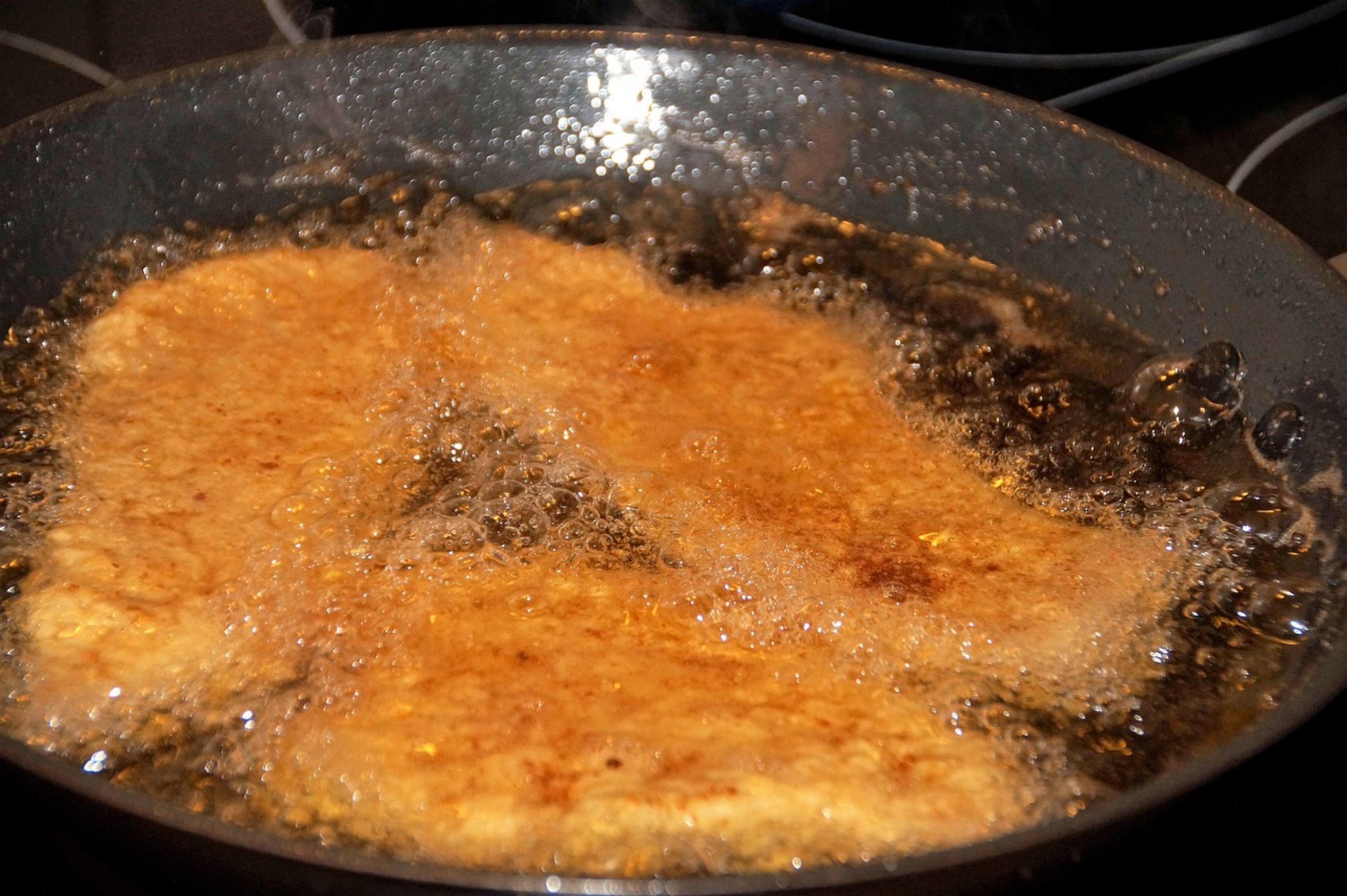
The most important technical point is temperature control. Heat peanut or vegetable oil in a heavy skillet on medium-high until it reaches approximately three hundred seventy-five degrees Fahrenheit. How do you know?
Use candy thermometer. Too cool and the batter soaks up oil like a sponge. Too hot and the outside will burn while the inside remain uncooked.
To test the heat, drop a small amount of batter into the pan. It should float right away and sizzle vigorously. Use a candy thermometer so you can control your cooking temperature.
Frying Techniques for Crispy Results
Keep it hot. If you put too many in the pan, the oil temp plummets quickly which steams the fish instead of frying it. Put two or three into the pan at once.
No stirring! Leave ’em alone for three to four minutes on each side. The batter will stick and becomes golden brown.
Turn gently with a spatula or tongs. Finish when the inside has reached an internal temperature of one hundred forty-five degrees Fahrenheit. When done, it flakes easily and is opaque.
Draining and Serving Fried Catfish
Transfer the fried fish onto a wire rack positioned over a baking sheet to drain. Air circulation will keep the underside crisp, whereas paper towels retains moisture and can turn the coating soggy in just a few minutes. While still hot, serve with lemon wedges and dip into whatever sauce you prefer.
A classic remoulade goes well, providing the tangy depth to match the mild fish. The soft inside and crunchy outside is too much to resist. Fried catfish isn’t complicated…
It’s all about following the basics: dry fish, right temp, good batter = perfection. No fancy equipment required. No secret ingredient needed.
Just practice paying attention to detail. Get that down and you’ve got yourself a guaranteed crowd-pleaser for parties, or a go-to weeknight dinner meal. It’s totally worth it when you pull that crispy golden fillet out of the frying pan.
Crunch away.