For weeknight meals, catfish works because it’s mild but hearty and it’s able to absorbs flavor. Many of us purchase catfish in bulk, throw some piece in the freezer, and then cook them up fast when we’re hungry. All too frequently, pan-cooking lead to splattering oil and lingering odors instead of a great meal.
The problem isn’t the fish, it’s how you cooked it. Frying catfish take time; baking it in the oven is much easier and tends to be tastier than pan frying. The low, slow temperature make sure the meat stay juicy while seasoning caramelizes on surface, never burning the fish.
It requires just simple ingredients from your pantry and a baking sheet. Preparing the meal will take approximately twenty minutes. Baked catfish is both flaky and firm.
It is tender enough that you can enjoy it without any trouble, while also remaining intact on plate so you’re able to serve it with a salad, roasted vegetable, or even some rice. The point of this dish is to keep things simple. Eliminate all the mess of deep frying, then concentrate on timing, heat, and seasoning.
How To Bake Simple Catfish In Oven
Why Baking Catfish Is Better Than Frying
Begin with a good piece of fish. Thin fillets don’t have enough time to become tasty and flavorful without drying out. It is best to buy your catfish as skinless and boneless fillet.
Choosing and Preparing Fresh Catfish Fillets
It’s more convenient and will cook evenly. Ideally get fresh fillets, but if frozen is all you can find, let them thaw thoroughy in the fridge overnight. Don’t rush it or you’ll end up with waterlogged fillet.
Water on the surface steam the fish, not bakes it. After thawing, remove any excess moisture from surface with paper towels. Moist fish boils; dry fish browns.
Seasoning and Spicing the Catfish
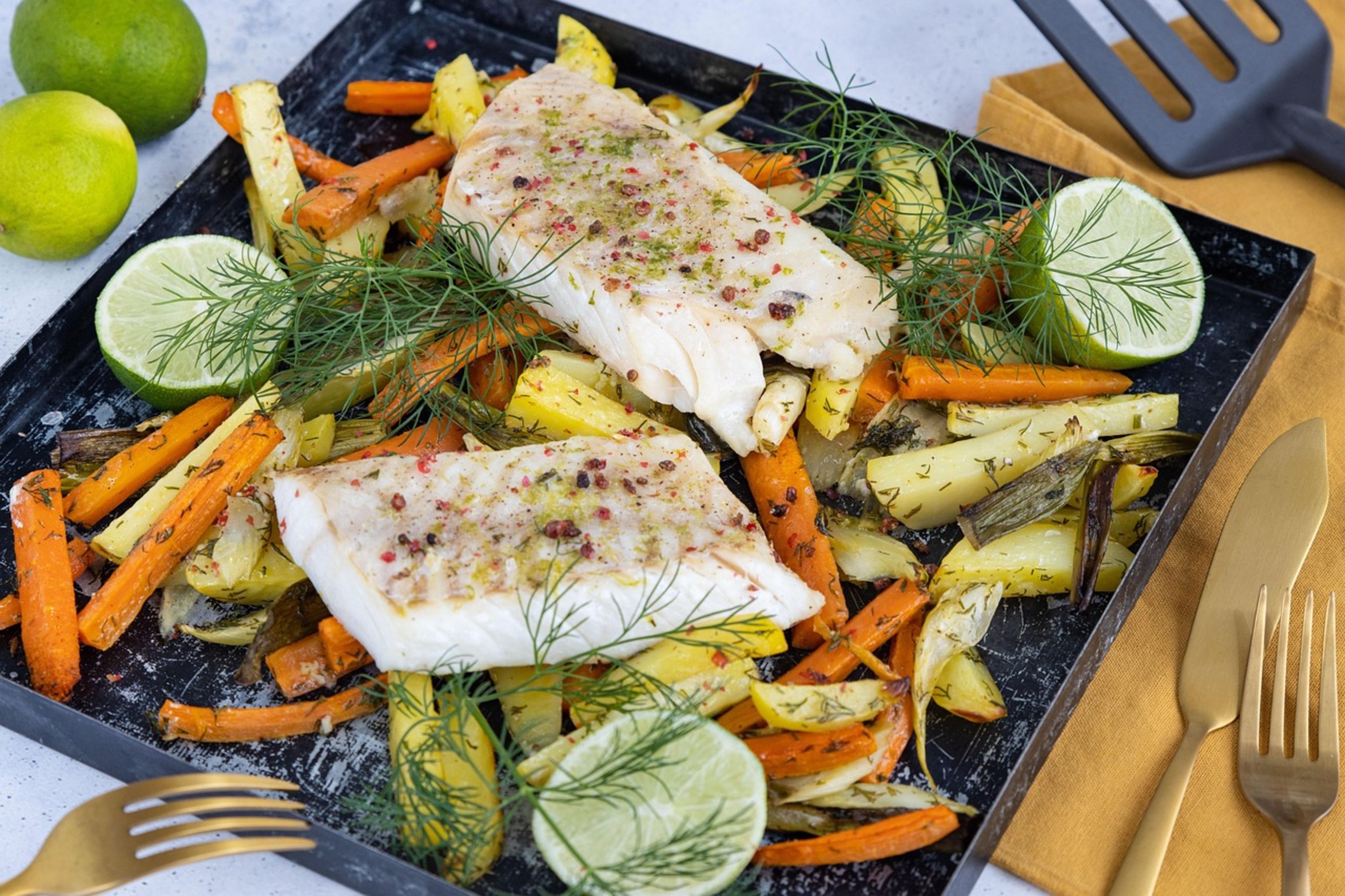
The seasonings brings character to the catfish. Because catfish is a mild fish, seasoning is where you put your personality into the dish. Here’s what you start with: Salt + Black Pepper.
Then add some acid. Use white wine vinegar or lemon juice. Then add some oil to help it brown and carry spice flavors.
Avocado oil or olive oil are good options here. Optionally, toss in red pepper flakes for spice, or maybe paprika and garlic powder for a Southern spin. Instead of simply sprinkling the seasoning over top, rub it into the meat.
That way, the flavor penetrate past surface before the heat locks it into place.
Oven Temperature and Baking Methods
How hot should your oven be? I prefer four hundred degrees Fahrenheit.
It is high enough for the heat to form a nice crust without being so high as to burn exterior while the inside cooks through. If your fish sticks to the baking sheet, line it with parchment paper (you can use foil instead but parchment will work best at preventing sticking). Then bake the fish.
Leave it open on the sheet if you want both texture and color, or wrap it in foil if keeping it moist is your main goal. The foil will trap some steam which will help keep the fish moist, but won’t allow as much browning. The key?
Time.
Checking Doneness and Preventing Overcooking
Overcook catfish and you have a rubber ball in your mouth. Undercook it and you will get sick.
You know when it’s done if it’s flaking off easily and turning from translucent to opaque. One other trick: stick a thermometer into it once it hits twelve minutes. When it reaches one hundred forty-five degrees Fahrenheit, remove it.
That’s generally twelve to fifteen minutes. Thinner fillets will be quicker; thicker fillet longer. However, check at the twelve-minute mark.
If it doesn’t want to come off the fork, wait another couple of minutes. But don’t go far because you’re in the danger zone of near-perfection and it’s better to err on side of slightly underdone than dried out. Once it comes off the oven let it rest for about a minute to redistribute the juices.
Serving Suggestions and Side Dishes
How to serve: For those that like it rich, add a simple butter sauce with some lemon zest and chopped parsley. This luxurius flavor is drizzled over the hot fillets. Roasted asparagus or steamed broccoli complements the white fish.
Green is nice contrast. For something more starchy, try wild rice for its nuttiness and chew or creamy mashed potatoes for comfort food vibes. The mild catfish lets bold sides shine through without fighting for attention.
Let the fish be the star of the show. Then let the sides take a backseat. That’s easier for weeknights.
There’s no guessing with a timer and thermometer. It always turn out right. It still has that special-occasion feel, but not more work than usual.
And really, it is mostly hands-off; you just need to add some care and ingredients. Give it a try the next time your dinner involve some baking in the oven. I think your family will thank you for making them such a nice meal.
You can use parchment paper or foil to make cleanup easy! And it tastes great too. Oven-baked catfish proves: sometimes it should of paid off to slow down and let the heat take over.